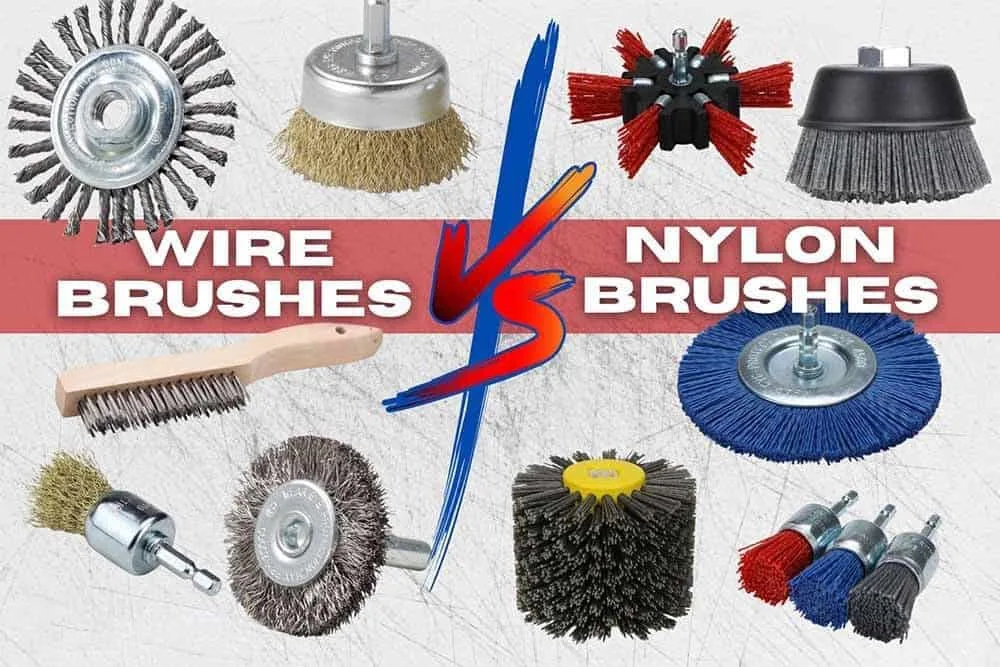
Quick answer: Nylon is a common starting point for wear resistance, flex recovery, and general cleaning. Polypropylene (PP) is reviewed when low water absorption and resistance to many acids, alkalis, oils, or chemicals matter more than maximum wear resistance. Abrasive nylon provides controlled cutting for deburring and surface conditioning. Metal wire provides stronger rust, scale, weld, and coating removal on compatible workpieces. Natural fibers are used for softer wiping, polishing, dusting, or liquid-carrying contact.
Filament material affects contact behavior, recovery, wear resistance, liquid absorption, chemical resistance, and allowable operating temperature. It does not determine the result alone. Filament diameter, trim length, fill density, layout, contact pressure, operating speed, and the workpiece all change brush stiffness and cleaning performance.
Before choosing a filament, define what the brush must do, what it will contact, what must be removed or applied, and which surface changes are acceptable. Then confirm moisture, chemicals, continuous and peak temperature, speed, duty cycle, cleanliness, and documentation requirements.
Industrial Brush Filament Selection at a Glance
| Filament Family | Useful Starting Direction | Main Limitation to Check |
|---|---|---|
| Nylon / PA | General cleaning, wiping, guiding, sealing, washing, and repeated flexing | Moisture can reduce stiffness; PA grade, temperature, diameter, and chemical exposure matter |
| PP | Wet cleaning and compatible chemical environments requiring low water absorption | Lower temperature and wear capability than some nylon or polyester grades; can take a set if poorly designed or stored |
| PBT / PET | Wet or humid applications requiring more consistent wet stiffness and dimensional stability | Actual chemical resistance, recovery, and temperature depend on the selected grade |
| Abrasive filament | Controlled deburring, edge blending, surface conditioning, and finish generation | Abrasive type, grit, filament size, speed, pressure, and required finish must be selected together |
| Metal wire | Rust, scale, weld residue, coating removal, stronger cleaning, and metal surface preparation | Workpiece compatibility, ferrous contamination, wire loss, corrosion, and safe operating speed |
| Natural fiber | Soft wiping, polishing, dusting, liquid application, and gentle product contact | Batch variation, moisture, wear, cleanability, shedding, and documentation requirements |
| Conductive filament | Static dissipation or conductive contact in a grounded brush assembly | Filament alone does not establish ESD performance; resistance, grounding, and finished-assembly testing are required |
Synthetic Filaments
Nylon (PA)
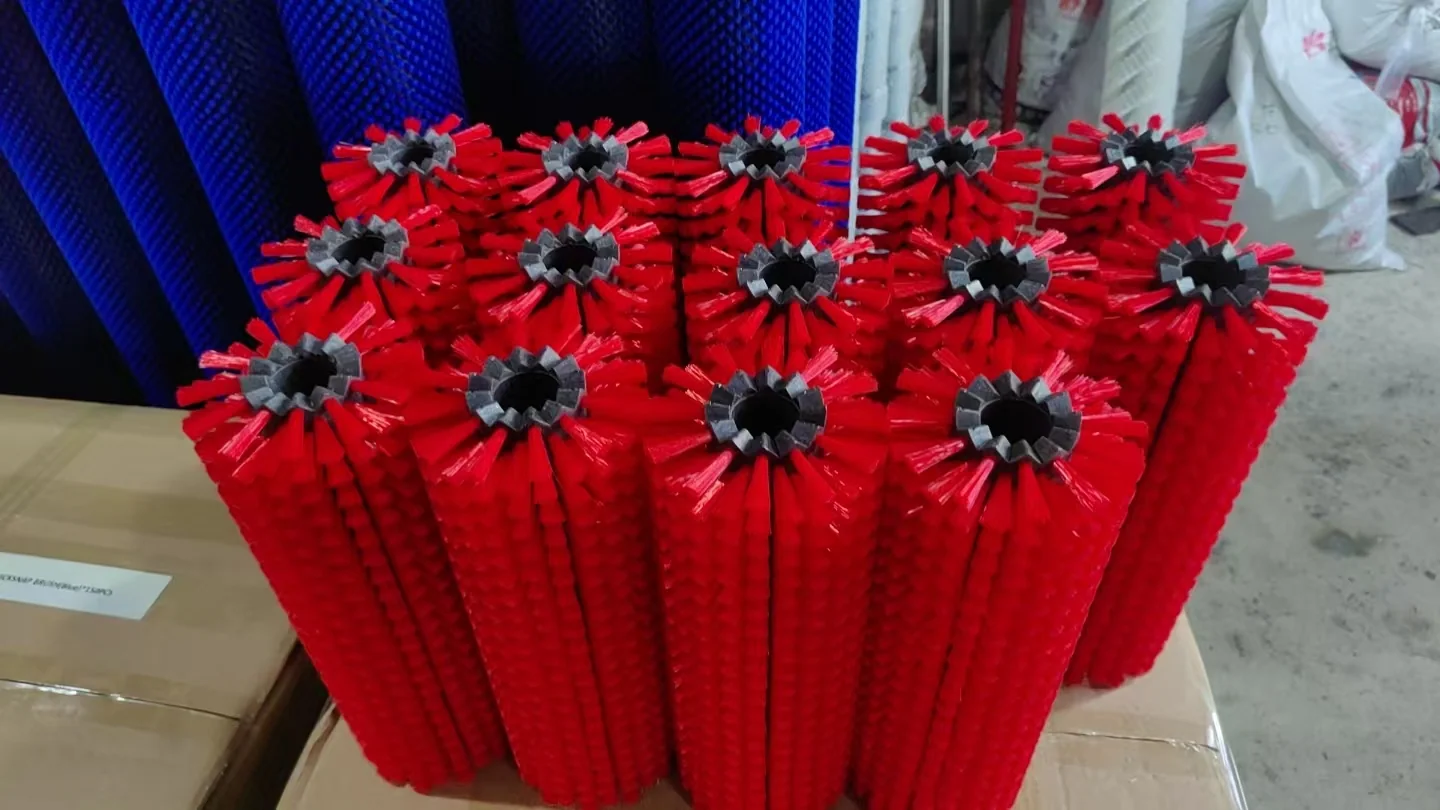
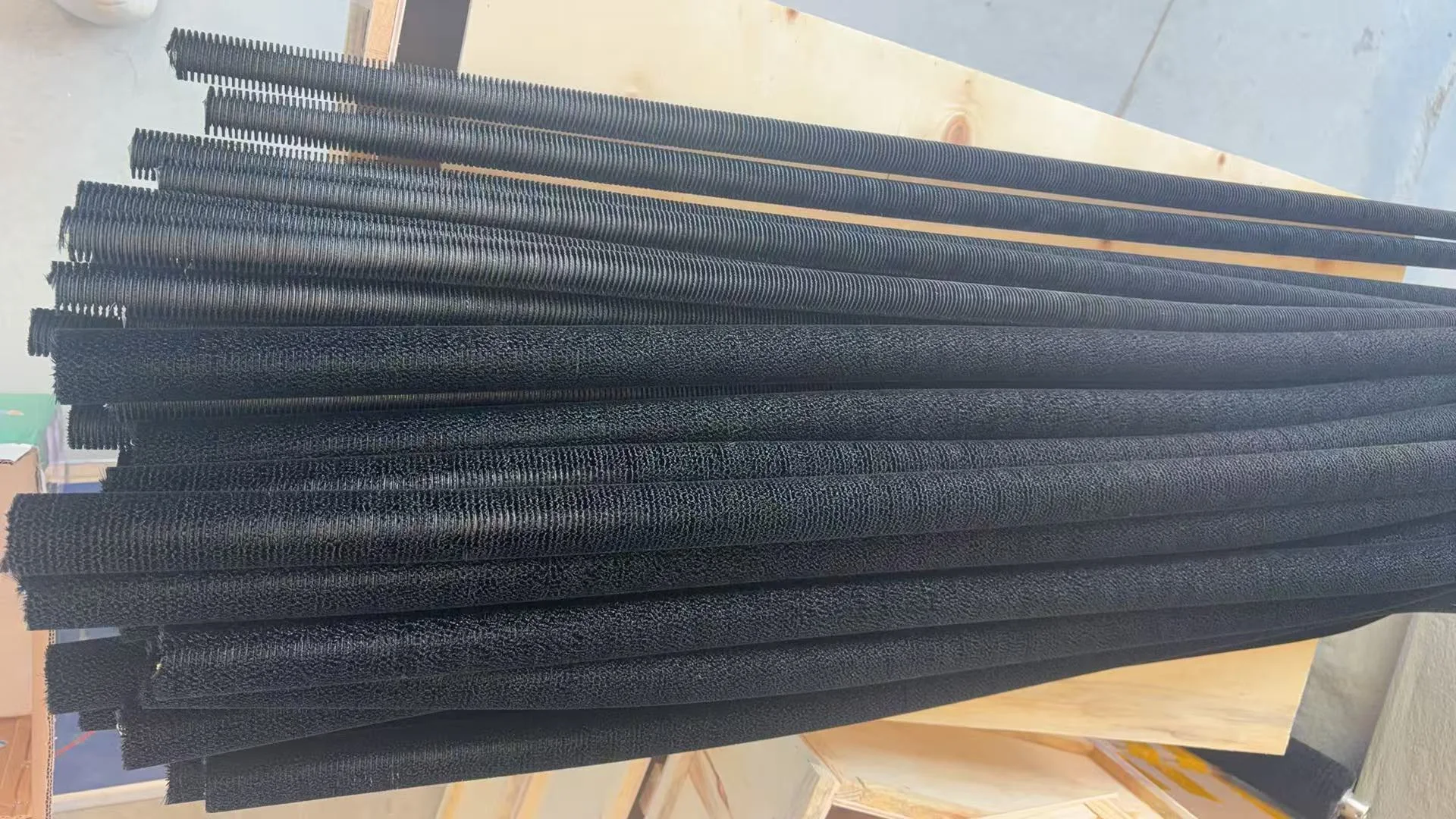
Nylon is one of the most widely used synthetic filaments for industrial brushes. It provides a practical combination of wear resistance, flex recovery, and mechanical strength for cleaning, wiping, conveyor guiding, sealing, product support, and general surface treatment in products such as custom strip brushes and custom cylinder brushes.
- PA6: A cost-effective, durable general-purpose option. It absorbs more moisture than PA612, so wet conditions can reduce filament stiffness more noticeably.
- PA66: Common in industrial brush filaments where good abrasion resistance, bend recovery, and somewhat higher wet and dry stiffness than PA6 are useful.
- PA612: Lower moisture absorption, better wet-stiffness retention, and useful chemical resistance for applications requiring more consistent wet performance.
Nylon absorbs some moisture, and humidity and temperature can change filament stiffness and dimensions. For food, pharmaceutical, solar-panel, or surface-sensitive applications, confirm the exact grade, color, diameter, and customer material-document requirements.
Polypropylene (PP)
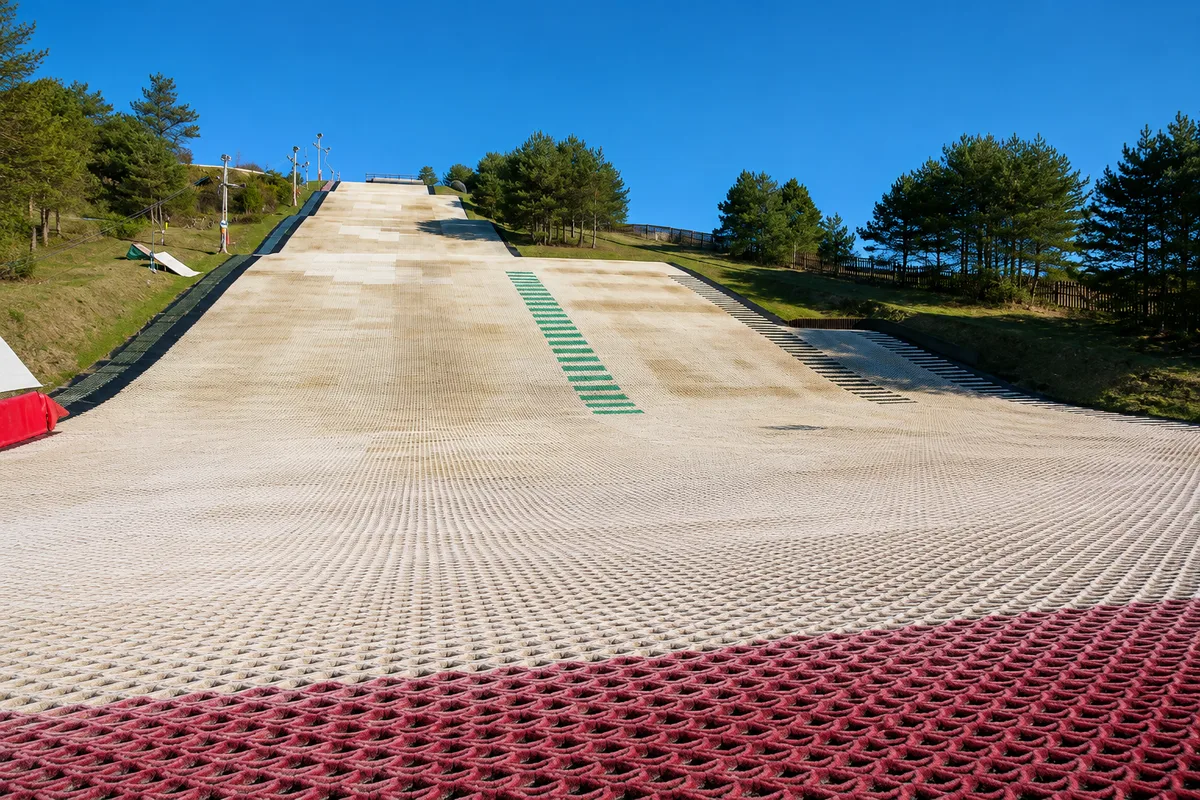
PP filament has low density and low water absorption, with generally good resistance to acids, alkalis, oils, and many chemicals. It can retain useful stiffness in wet conditions and is used for wet cleaning, conveying, wiping, and lightweight brush fills. Compared with nylon, the trade-off is commonly lower abrasion or temperature capability and a greater risk of taking a permanent set if the brush is poorly designed, compressed in storage, or overloaded. Confirm the exact chemical concentration, temperature, contact pressure, and required life.
PBT, PET, and Other Polyester Filaments
PBT and PET generally absorb less water than standard nylon and can provide more consistent wet stiffness and dimensional stability in humid conditions. They may be reviewed when a synthetic filament must maintain its shape in repeated wet service. Actual stiffness, recovery, weathering, temperature, and chemical resistance depend on grade, cross-section, and diameter, not on the material name alone.
Abrasive Nylon and Abrasive Filaments
Abrasive filaments combine a polymer base with abrasive particles. Nylon is a common base, while common abrasive types include:
- Silicon carbide (SiC): Controlled deburring, surface conditioning, and selected abrasive-contact operations.
- Aluminum oxide (AO): Metal surface treatment, edge blending, and applications requiring a different cutting characteristic.
- Ceramic abrasive filament: Selected finishing, deburring, and surface-treatment tasks.
- Diamond abrasive filament: Applications requiring high wear resistance or a specialized abrasive effect.
Abrasive type, grit, filament diameter, fill density, speed, and contact pressure must be considered together. A coarser grit or stiffer filament is not automatically better for every workpiece. Aluminum, copper, coated parts, glass, and precision-machined surfaces require confirmation of the acceptable surface effect and contamination-control requirements before production. For brush forms and application limits, see the abrasive brush selection guide; common commercial directions include custom disc brushes and honing brushes.
Metal Wires
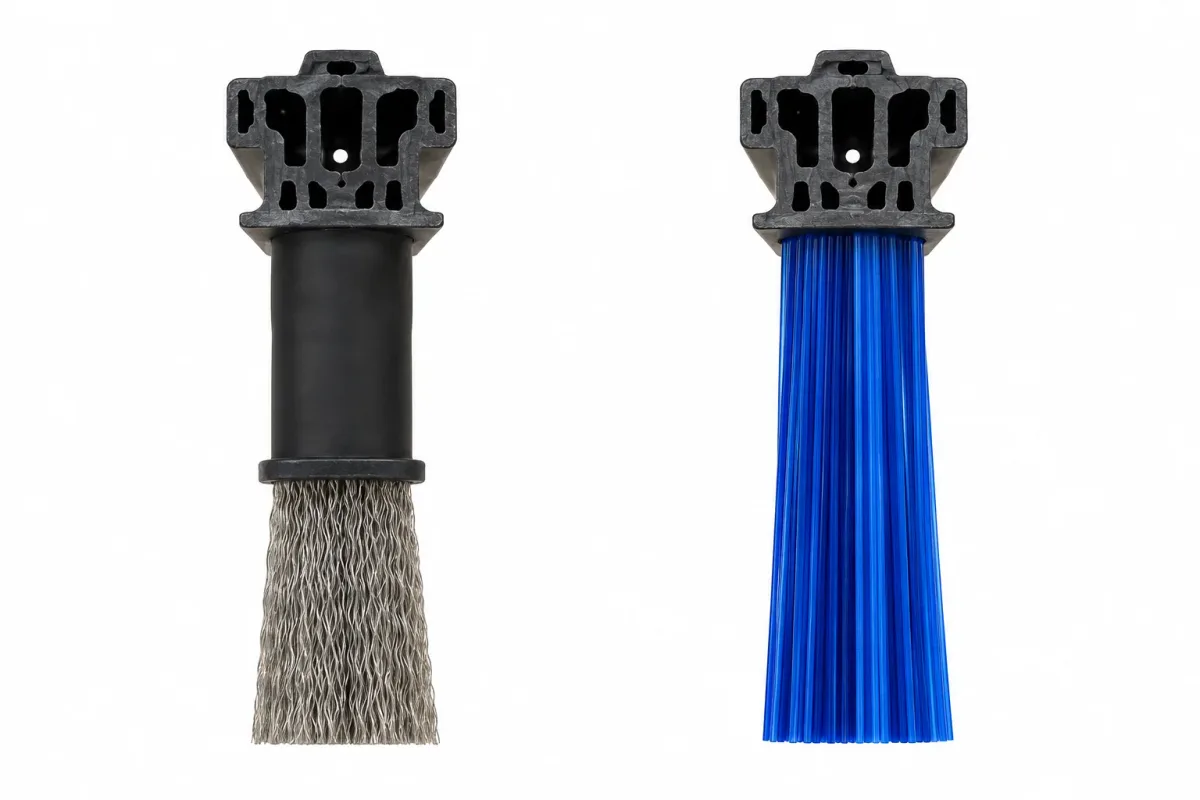
Industrial metal-wire brushes include wheel, cup, end, strip, tube, and other custom constructions. Start with the custom industrial wire brushes page when the project needs a powered wheel, cup, or wire-filled end brush, and use the steel, stainless steel, and brass wire comparison when material compatibility is the main question.
Carbon Steel Wire
Carbon steel wire is commonly used for aggressive rust, scale, and weld-residue removal and for metal surface preparation on compatible carbon-steel or iron parts. It provides strong cleaning action but may leave ferrous residue. When processing stainless steel, aluminum, or other contamination-sensitive workpieces, confirm whether carbon-steel contact is permitted. See sheet metal and metal processing brush applications for related product directions.
Stainless Steel Wire
Stainless steel wire is used where corrosion resistance, wet cleaning, or reduced ferrous contamination is required. Grades such as 304 and 316 should be selected according to the media, temperature, workpiece material, and customer specification. Stainless wire does not mean that every surface is scratch-free.
Brass and Phosphor Bronze Wire
Brass or phosphor bronze wire is suitable for projects requiring a softer metallic contact, lower ferrous contamination, or a defined conductive behavior. Confirm the workpiece material, allowable surface marks, contamination controls, and required brushing intensity.
Copper-Coated and Brass-Coated Steel Wire
Copper-coated steel wire and brass-coated steel wire use a steel substrate with a metallic surface coating. They retain steel-wire characteristics and must not be specified as solid copper or solid brass wire. Confirm the steel grade, coating type, wire diameter, straight or crimped form, operating environment, and workpiece compatibility in the drawing or purchasing specification.
Natural Fibers
Common natural fibers include Tampico, sisal, horsehair, hog bristle, ostrich feather, and other natural hair materials. They are generally used for gentler wiping, polishing, dust removal, product-surface treatment, or applications where a softer contact feel is required.
- Tampico: Flexible cleaning, polishing, and applications requiring some liquid absorption.
- Sisal: A firmer natural fiber for stronger wiping and polishing contact.
- Horsehair and hog bristle: Softer sweeping, wiping, and surface-treatment work.
- Ostrich feather: Used in specialized roller brushes for gentle dust removal and surface cleaning where controlled, light contact is required. See custom ostrich feather roller brushes.
Natural-fiber diameter, length, moisture content, batch variation, and durability can vary. For food or pharmaceutical projects, natural fiber alone does not establish contact compliance; confirm the exact material, cleaning procedure, and customer documentation requirements.
Anti-Static, Static-Dissipative, and Other Functional Requirements
Conductive filament materials used in anti-static or static-dissipative brush assemblies may include:
- Carbon fiber: For conductive contact or static dissipation.
- Conductive nylon: Conductive nylon provides a softer contact option where controlled static performance is required.
- Copper wire: High conductivity for conductive contact or static discharge.
- Stainless-steel fiber or stainless-steel wire bundles: Metallic conductive contact with wear and corrosion resistance.
Whether these materials achieve the required anti-static or static-dissipative result depends on the material grade, resistance range, brush-body design, grounding path, and operating environment. The drawing or purchasing specification should define the test method and performance requirement. Final performance should be verified on the finished brush assembly. For process context, see semiconductor and ESD brush applications.
Selecting Filament Direction by Application
| Main requirement | Common material directions | Key points to confirm |
|---|---|---|
| General cleaning, wiping, and conveyor guiding | Nylon, PP, PBT, PET | Filament diameter, stiffness, humidity, and fill density |
| Sealing, dust/light blocking, and cable entry | Nylon, PP, PET, natural fibers | Gap, compression, mounting direction, and bend path |
| Rust, scale, and weld-residue removal | Carbon steel wire, stainless steel wire, brass wire | Workpiece material, residue contamination, allowable marks, and operating speed |
| Controlled deburring and surface treatment | Abrasive nylon, ceramic abrasive filament, diamond abrasive filament | Abrasive type, grit, contact pressure, and target surface |
| Surface-sensitive workpieces | Nylon, natural fibers, fine abrasive filaments | Filament diameter, cleaning media, hard-particle contamination, and sample results |
| High-temperature or chemically demanding environments | Documented stainless steel wire or ceramic fiber grades | Continuous temperature, peak temperature, media, brush body, and retention method |
Filament Material Is Only One Part of the Complete Brush
Correct selection also requires confirmation of:
- Filament material, grade, diameter, and length;
- Fill density, layout, and whether the filaments are bent or straight;
- Brush body, backing, core, shaft, flange, or mounting interface;
- Trim height, working width, overall length, and critical tolerances;
- Equipment speed, contact pressure, temperature, humidity, chemicals, and cleaning method;
- Workpiece material, surface coating, allowable marks, and final inspection requirements.
Custom Production from Your Drawing
Provide a fully dimensioned engineering drawing showing the filament material, diameter, fill density, brush body or backing, dimensions, tolerances, and mounting interface. We support drawing-based OEM, replacement, and volume production; final materials and processes follow the approved drawing and confirmed purchasing requirements.
Related Filament and Brush Specification Guides
Compare Nylon Brush vs. Wire Brush, review high-temperature bristle materials, and learn how brush density and trim height affect contact performance.
For a drawing-based project, review Custom Strip Brushes, Custom Cylinder Brushes, Custom Disc Brushes, Custom Wire Wheel Brushes, Custom End Brushes, or the Honing Brush Selection Guide before submitting the RFQ form.
FAQs About Industrial Brush Filament Materials
Which filament is best for a general industrial cleaning brush?
There is no universal best filament. Nylon is a common starting point for general cleaning because it combines wear resistance, flex recovery, and mechanical strength. PP may be a better starting direction for compatible wet or chemical exposure, abrasive nylon for controlled cutting, metal wire for stronger surface preparation, and natural fiber for softer wiping or polishing. The final choice depends on the workpiece, duty, environment, and required result.
What is the difference between PA6, PA66, and PA612 brush filament?
PA6 is a cost-effective general-purpose nylon but its stiffness changes more in wet conditions. PA66 commonly provides good abrasion resistance, recovery, and somewhat higher wet and dry stiffness. PA612 absorbs less moisture and retains wet stiffness better, so it is often reviewed for washing or other applications requiring more consistent wet performance. Exact behavior still depends on the filament grade and diameter.
Should I choose nylon or polypropylene for wet or chemical cleaning?
Choose by the actual liquid and duty, not by water exposure alone. Nylon generally provides better abrasion resistance and bend recovery, while PP offers very low water absorption and broad resistance to many acids, alkalis, oils, and chemicals. PP may have lower temperature and wear capability and can take a set if overloaded or stored under compression. Confirm the chemical name, concentration, temperature, exposure time, and required brush life.
How does filament diameter affect brush stiffness?
For the same material and trim length, a thicker filament is generally firmer and gives stronger contact, while a finer filament is more flexible and conforms more easily. A longer trim is usually more flexible; a shorter trim is usually firmer. Fill density and brush layout also change the combined contact force, so diameter should not be selected in isolation.
When should I choose abrasive nylon instead of standard nylon?
Choose abrasive nylon when controlled material removal, deburring, edge blending, or surface conditioning is required. Confirm the abrasive type, grit, filament diameter, density, and acceptable surface effect with a sample or process specification.
Which material documents should be confirmed before ordering?
Document needs depend on the project. Where required, ask whether the exact filament grade, supplier technical data sheet, material declaration, certificate of conformity, lot traceability, food-contact statement, ESD test requirement, or other customer-specific record is available. A generic material name such as “nylon” or “stainless steel” does not prove that a finished brush meets a regulated or customer-defined requirement.
What should be included in a filament material RFQ?
Include the brush drawing or sample, workpiece and process duty, filament grade and diameter if known, fill density and trim, brush body or mounting details, dimensions and tolerances, speed, pressure, temperature, chemicals, cleaning method, quantity, and required inspection or material documents. If the filament is unknown, provide the current brush, clear photos, and a description of what is failing or needs to improve.