

Industrial Brush Manufacturers, Suppliers & Companies

Pharmaceutical Brushes for Processing and Packaging Lines

Custom pharmaceutical brushes for tablet and capsule handling, packaging equipment, controlled cleaning, and OEM replacement projects where repeatable fit, material traceability, and low-shedding construction matter.

Pharmaceutical Equipment

Built for Regulated Pharmaceutical Equipment

Pharmaceutical brushes are selected around the equipment and validation route, not by brush shape alone. A brush used to move tablets, support a blister line, close a dust gap, or clean a difficult mechanical area must fit the machine correctly and suit the cleaning, material, and documentation requirements of that location.

For equipment engineers, QA teams, and procurement, the important questions are whether the brush touches the product or only the equipment, what chemicals or sterilization methods it will see, how brush wear is controlled, and how the approved part can be reproduced without an unreviewed material or geometry change.

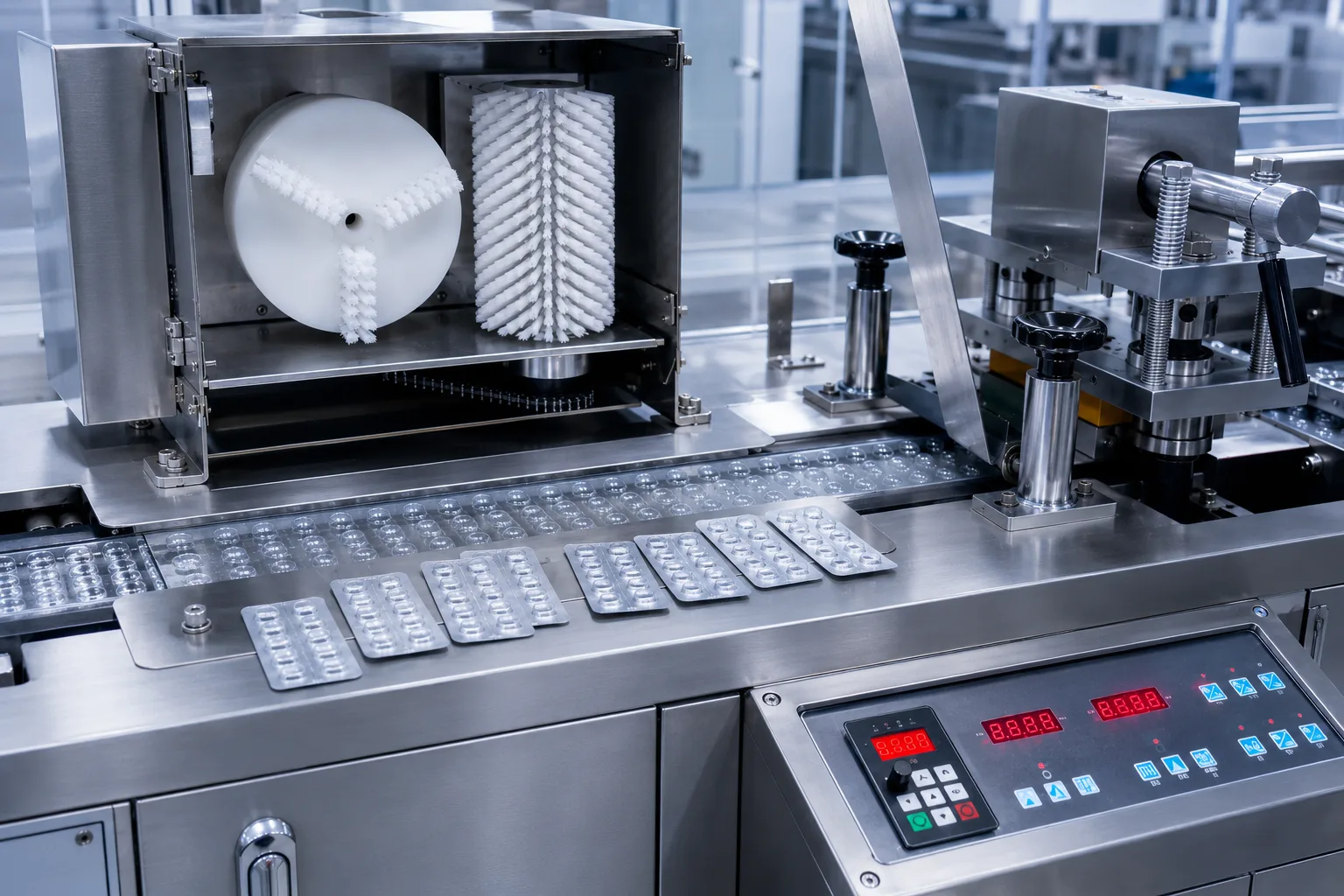
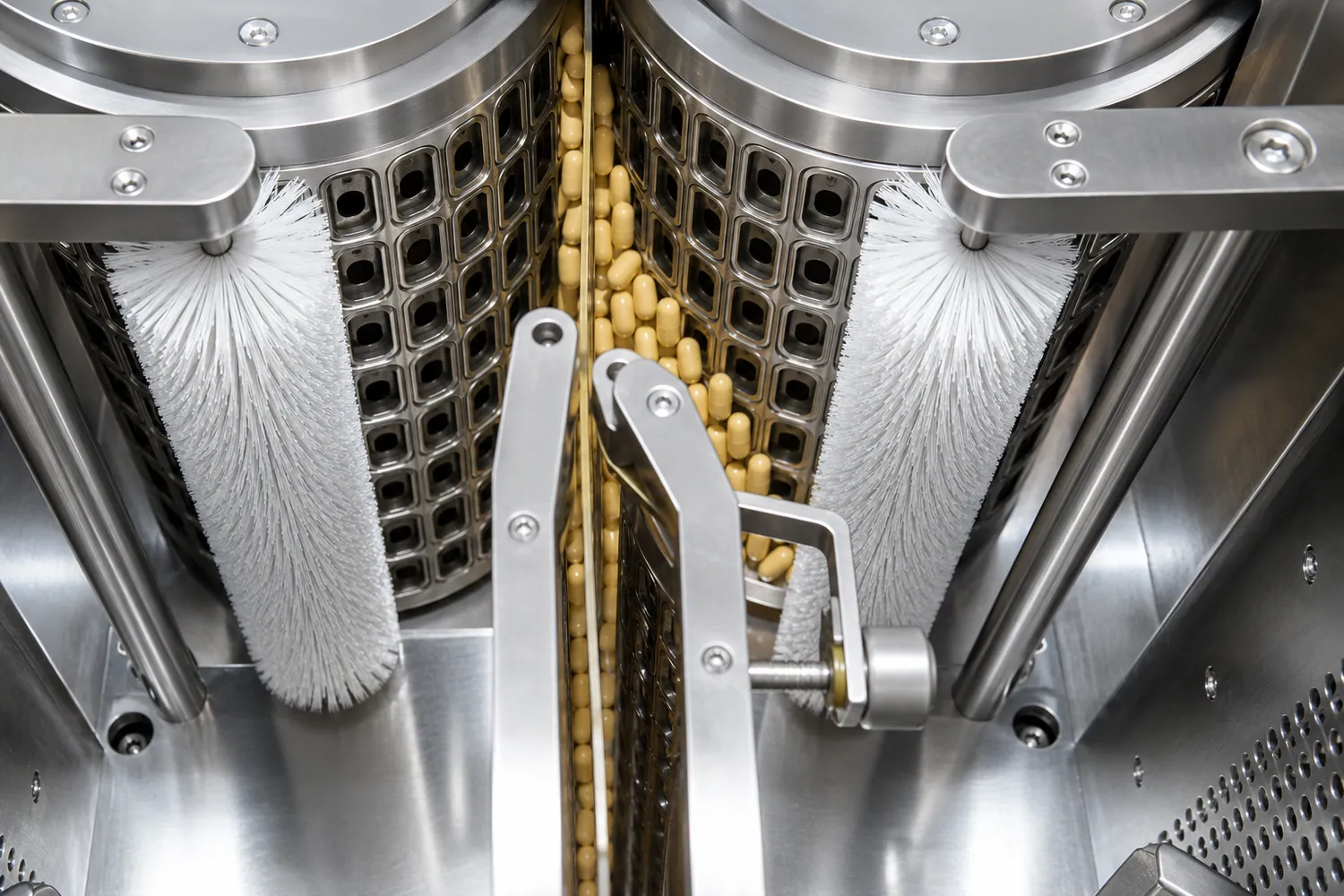
Pharmaceutical pill mover brush installed inside controlled processing equipment
Pharmaceutical Brush Applications

Where Pharmaceutical Brushes Are Used

01

Tablet, Capsule, and Solid-Dose Handling

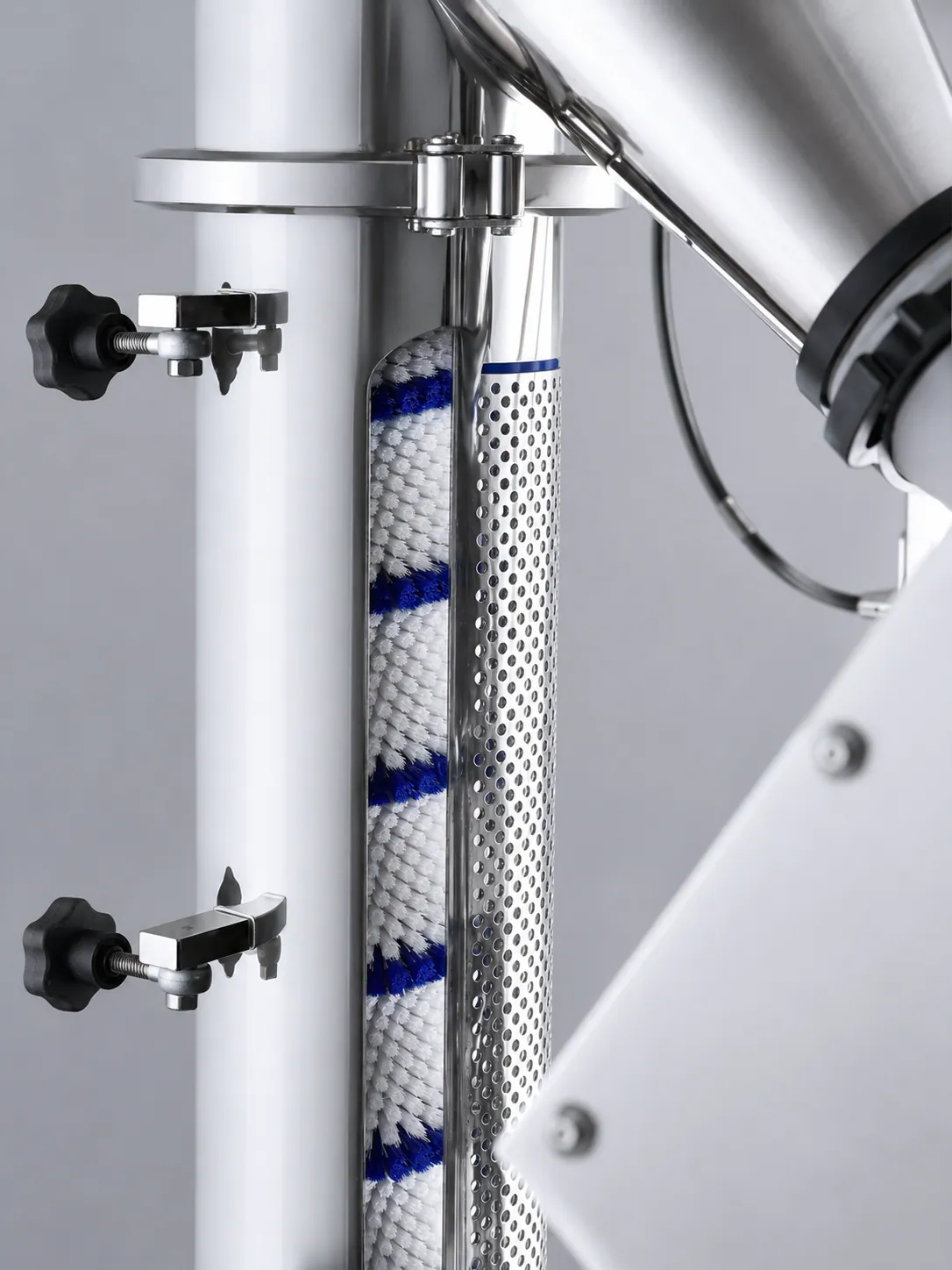
Roller and pill-mover brushes can guide, meter, level, separate, or present tablets and capsules through filling, polishing, inspection, and packaging equipment. Brush density, trim, surface contact, and running speed should match the product shape, hardness, and required handling behaviour. Any product-contact use must be reviewed against the customer's material and validation requirements.

02

Blister, Bottle, and Packaging Lines

Strip brushes and roller brushes can support controlled product movement, flexible guiding, dust control, and machine interfaces around blister packs, bottles, vials, cartons, and labeling equipment. For OEM replacement work, the mounting detail and working geometry should match the original part so that the line can restart without changing surrounding machine settings.

03

Controlled Cleaning and Equipment Maintenance

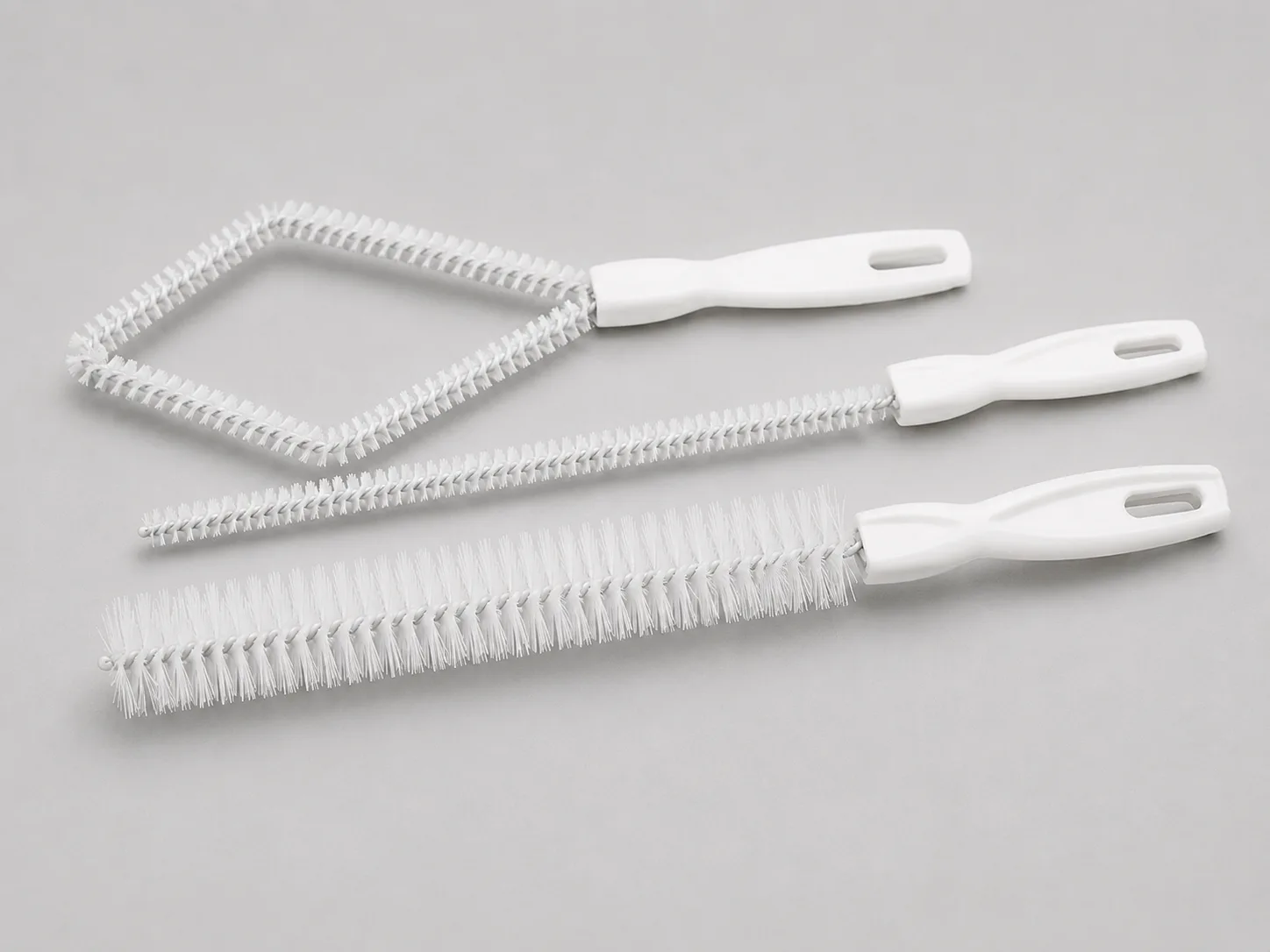
Hand brushes, pipe brushes, and small precision brushes may be used for maintenance cleaning around non-product-contact machine parts, change parts, gaps, guides, and enclosed equipment areas. The brush material and construction should be checked against the plant's cleaning procedure and chemical exposure; the customer's QA process determines whether a given brush is permitted for a product-contact or aseptic area.

Material and Validation Review

Material, Hygiene, and Validation Requirements

01

Confirm the Contact Risk First

The first question is whether the brush contacts tablets, capsules, product-contact equipment, packaging components, or only the surrounding machine. This determines the material review, cleaning route, and documents the customer may require. A brush suitable for external equipment cleaning is not automatically suitable for product contact.

02

Match Materials to the Actual Cleaning Environment

PA nylon grades, PBT, PP, acetal structures, and stainless components may be reviewed according to the application. The final direction should be based on the actual exposure list, including moisture, alkaline or acidic cleaning, disinfectants, VHP/H2O2 exposure where applicable, temperature, and washdown method. No material should be described as universally pharmaceutical-safe.

03

Control Shedding, Cleanability, and Repeatability

Low-shedding construction, cleanable geometry, appropriate trim retention, and the absence of sharp or corrosion-prone details are often more important than a generic material label. Brush wear can affect cleaning effectiveness, product handling, and foreign-body risk, so the replacement condition should be part of the plant's maintenance plan.

04

Keep the Approved Part Stable

For repeat orders, the drawing, material direction, color code, trim, density, interface, and requested documentation should be controlled under the same part number and revision. A material or geometry change should be reviewed before production, rather than assumed from a previous photo or sample.

RFQ Specification Guide

Information Needed for a Pharmaceutical Brush Quote

A reliable quote depends on confirming the process, equipment interface, material direction, operating conditions, and documentation needs before production.

Request a Quote
01

Process and Equipment

Tell us whether the brush is used for tablet or capsule handling, packaging, guiding, dust control, equipment cleaning, or an OEM replacement. Confirm whether it contacts product, packaging, or non-product-contact equipment only.

02

Dimensions and Installation

Provide the brush type, outside diameter or working width, trim, overall length, shaft, bore, channel, holder, bracket, hole pattern, and available installation space. A drawing, equipment part number, measured sample, or marked photo is the fastest starting point for replacement work.

03

Material and Operating Conditions

Share the known filament or component materials, cleaning chemicals, temperature, moisture, operating speed, duty cycle, color-code requirement, and expected service interval. For rotating brushes, include RPM and any balance requirement.

04

Documentation and Supply Need

Identify whether the project requires a material declaration, COA, MSDS, dimensional record, lot traceability, first sample, or customer-specific supplier documentation. Also include sample quantity, annual demand, and the required delivery date around the plant's maintenance window.

Pharmaceutical Brush RFQ

Need a Pharmaceutical Brush Matched to Your Equipment?

Send a drawing, sample, equipment part number, or marked photo together with the contact area and cleaning conditions. We can review brush format, dimensions, material direction, and repeat-supply requirements before quoting.

Request a Quote