Industrial Brush Manufacturers, Suppliers & Companies

Industrial Brushes for Metal Processing

Custom industrial brushes for deburring, weld cleaning, bore finishing, rust and scale removal, surface preparation, and continuous metal-processing lines.

Metal Processing Applications

Built for Metalworking Processes

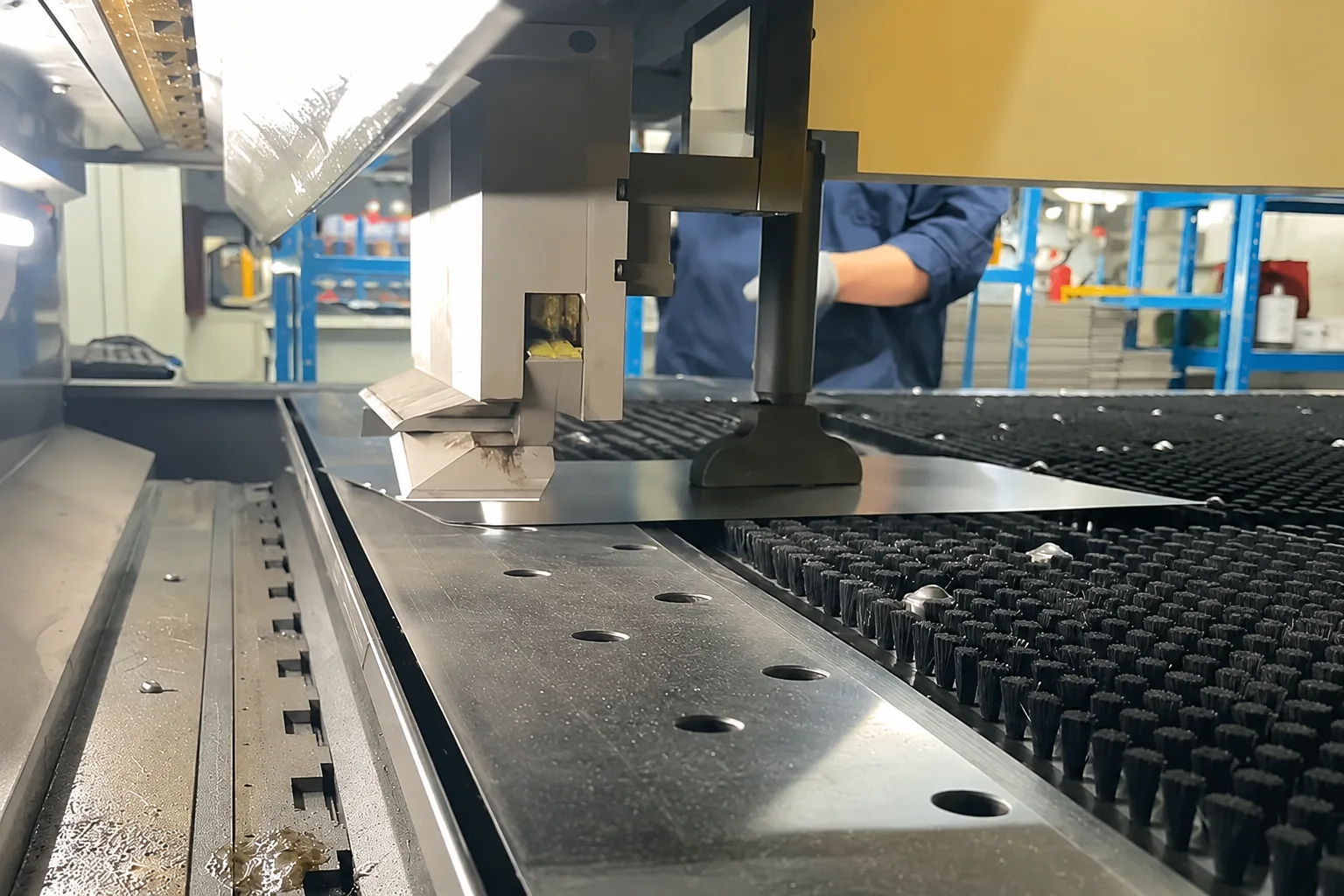
Metal processing includes fabricated components, sheet processing, machining, welding, and surface preparation. The brush must match the workpiece material, current surface condition, required result, contact area, and machine interface.

Brushcustom manufactures OEM and replacement brushes for manual tools, CNC machines, robotic cells, deburring systems, and continuous processing lines.

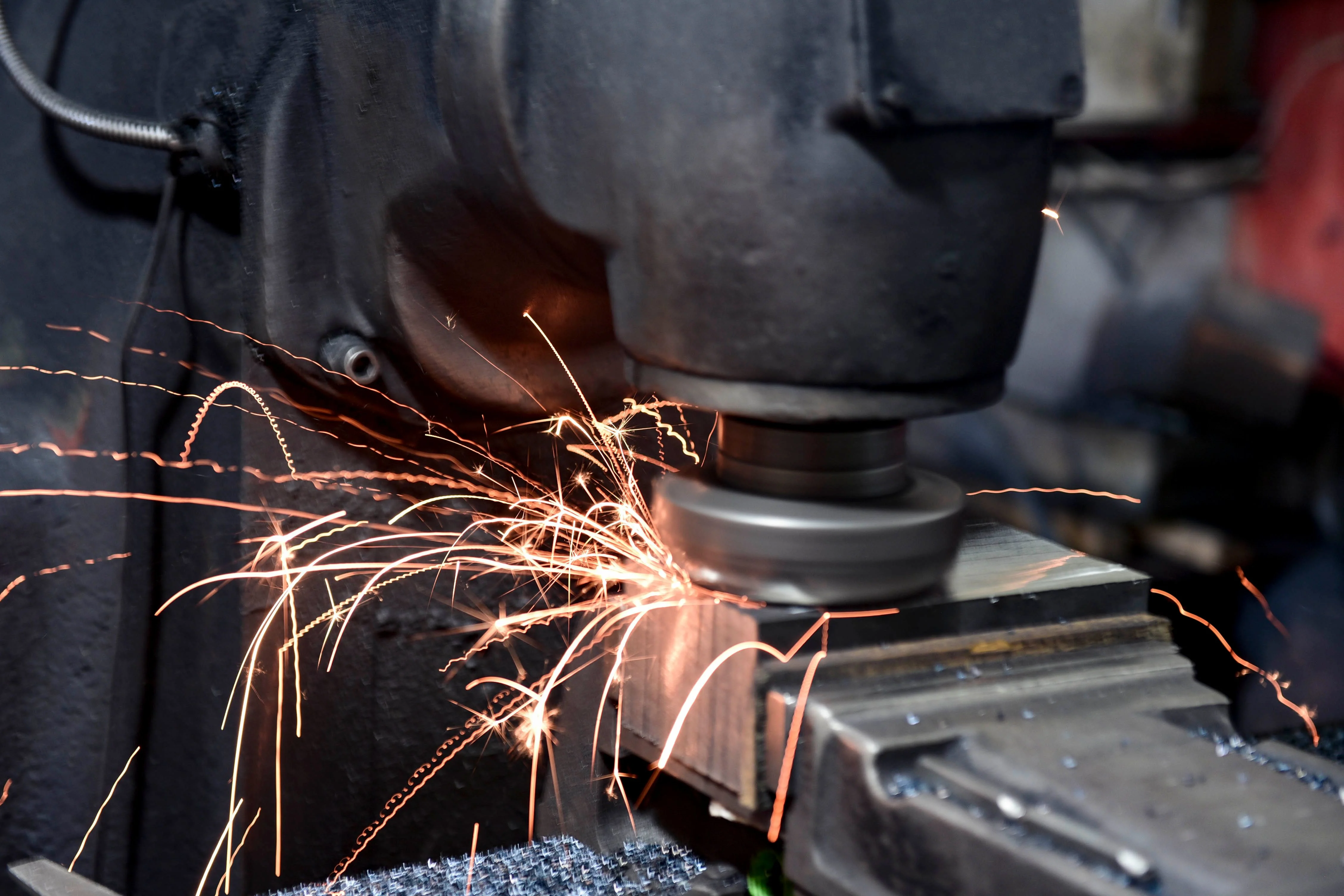
Industrial brush and metal component representing metal processing applications
Applications

Industrial Brush Applications in Metal Processing

01

Deburring and Edge Finishing

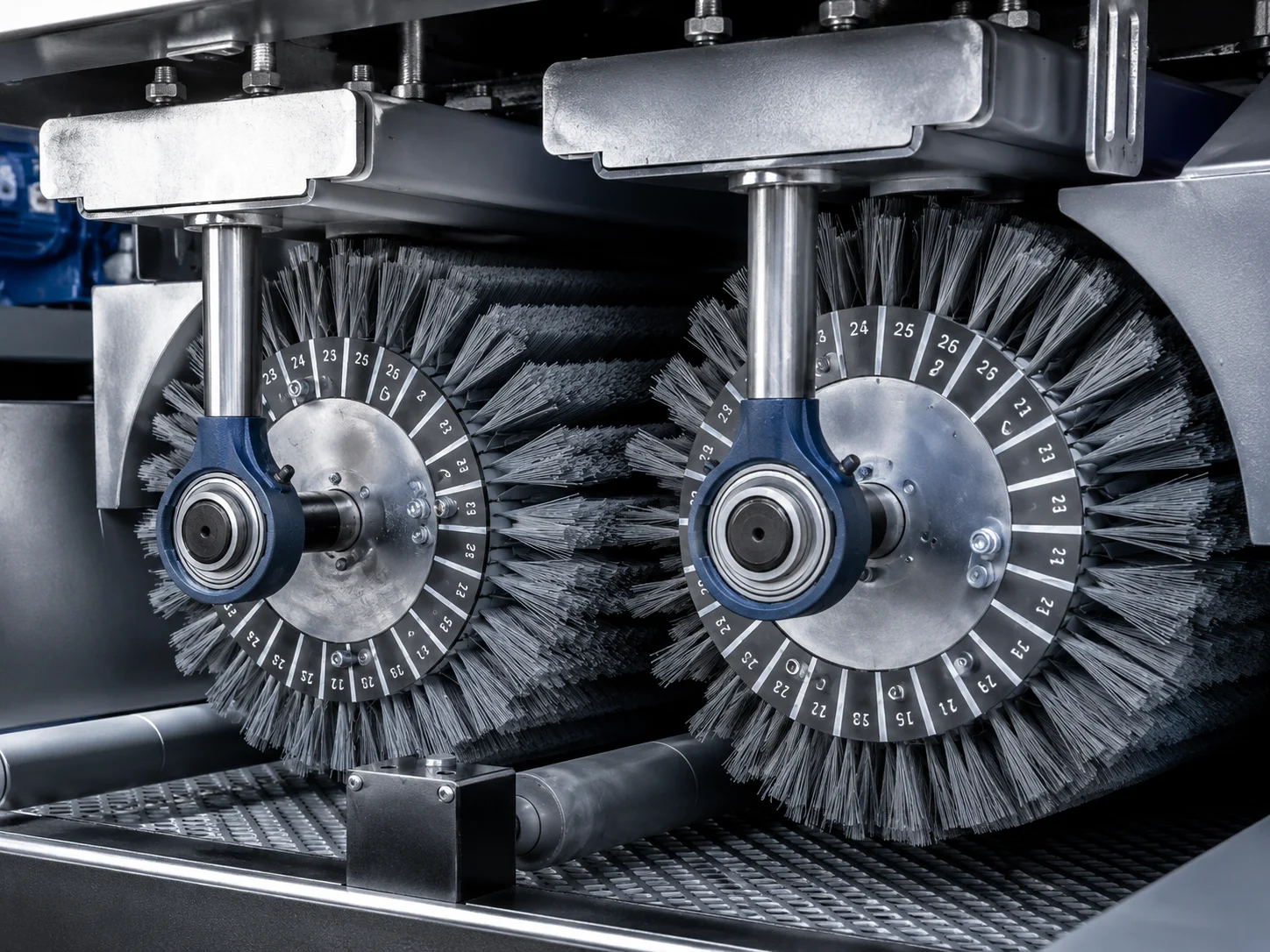
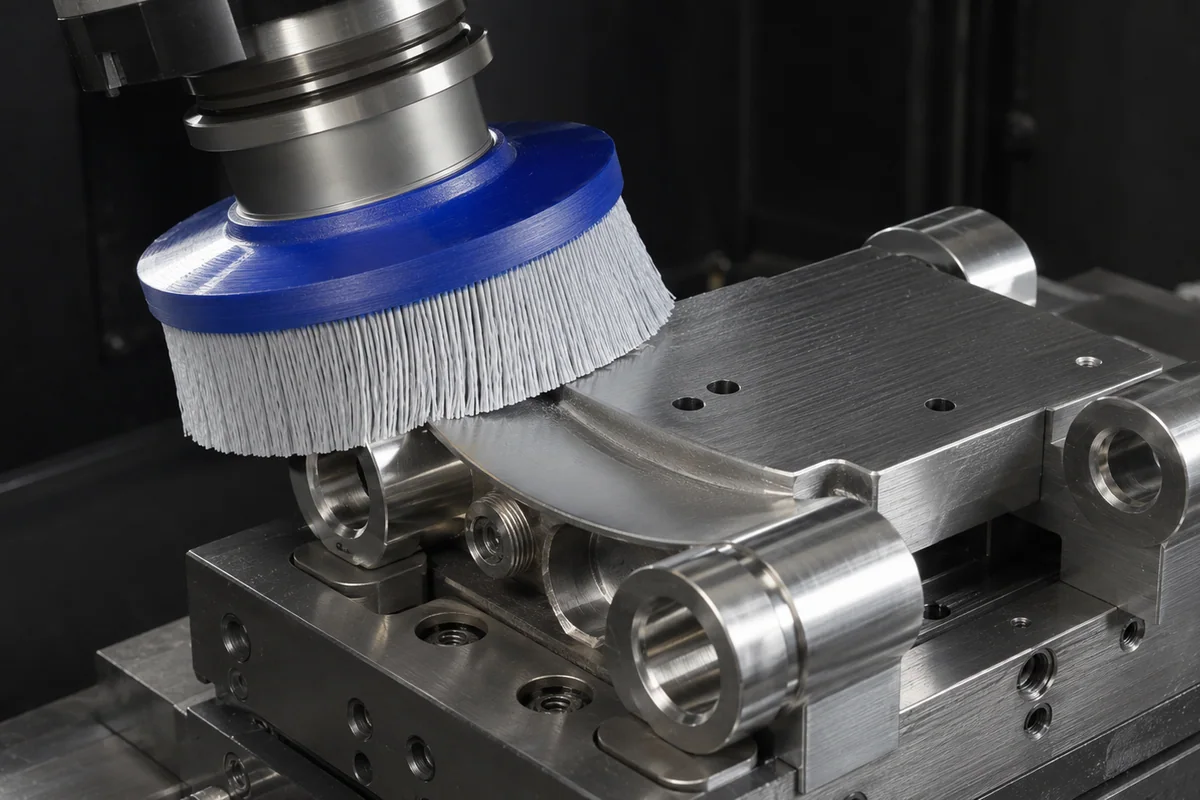
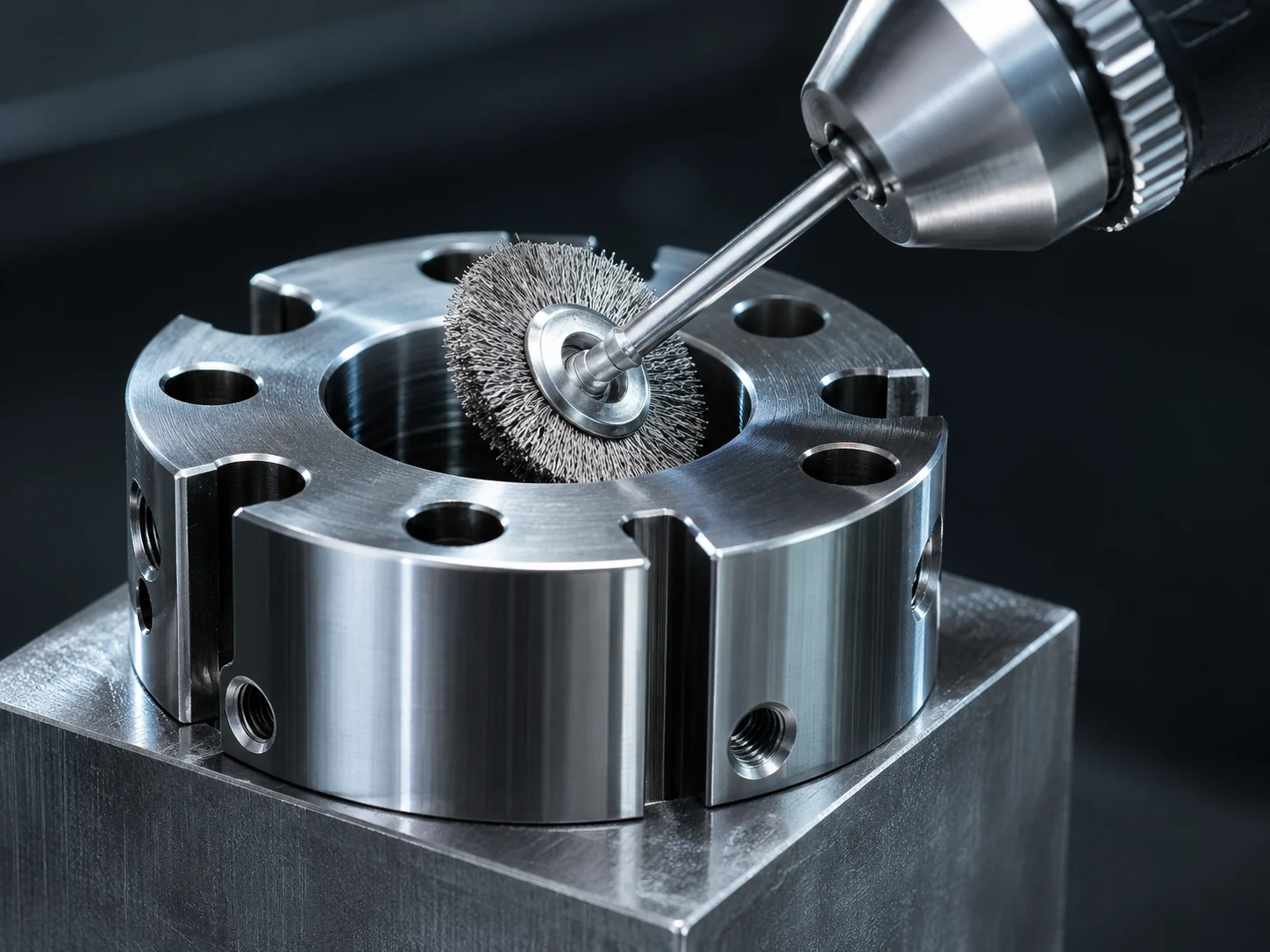
Disc brushes and abrasive filament brushes can remove light burrs and blend sharp edges on laser-cut, punched, stamped, drilled, or machined metal parts. They can also provide controlled edge blending and surface conditioning where the part and process require it.

02

Weld Cleaning and Preparation

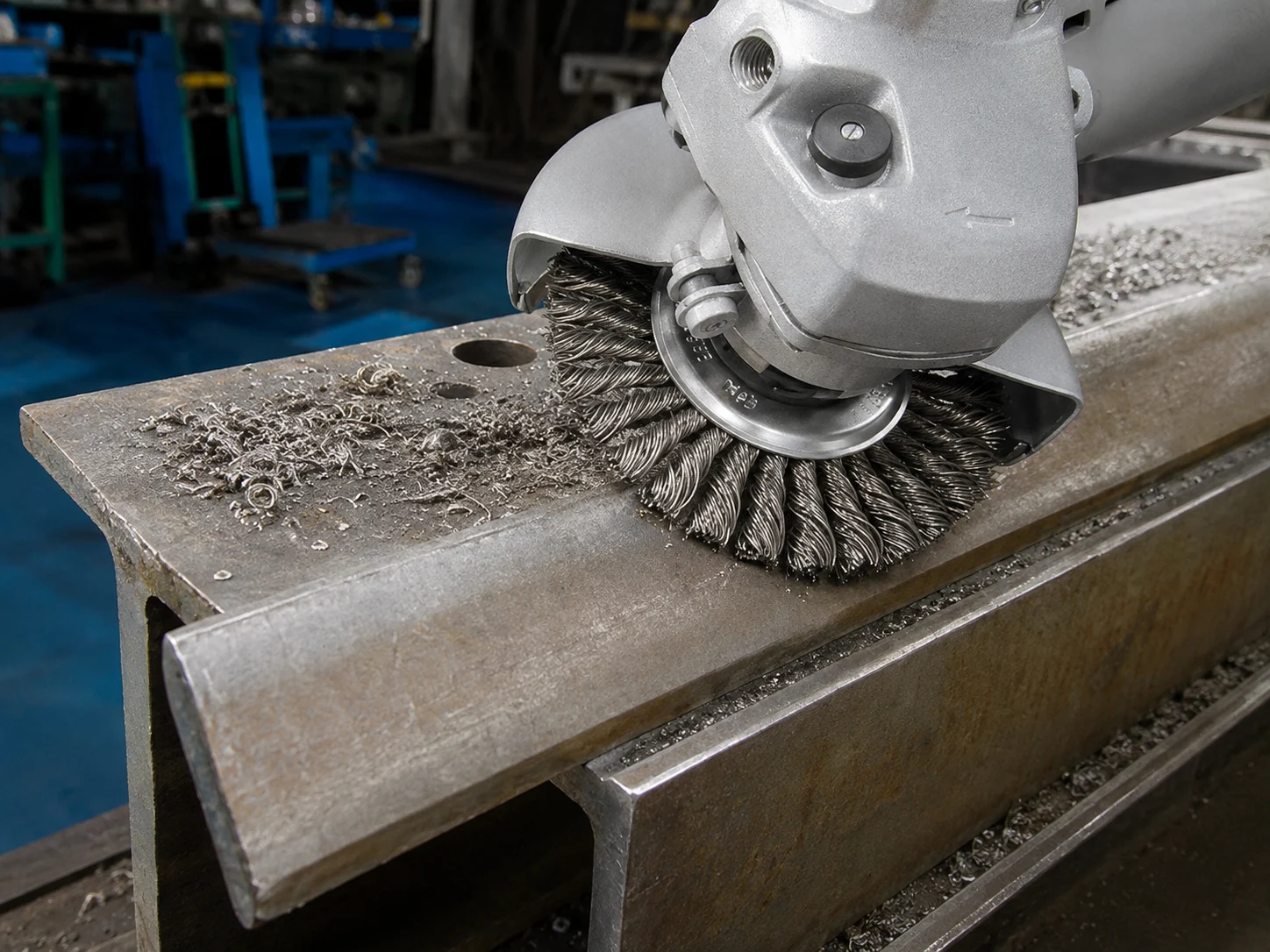
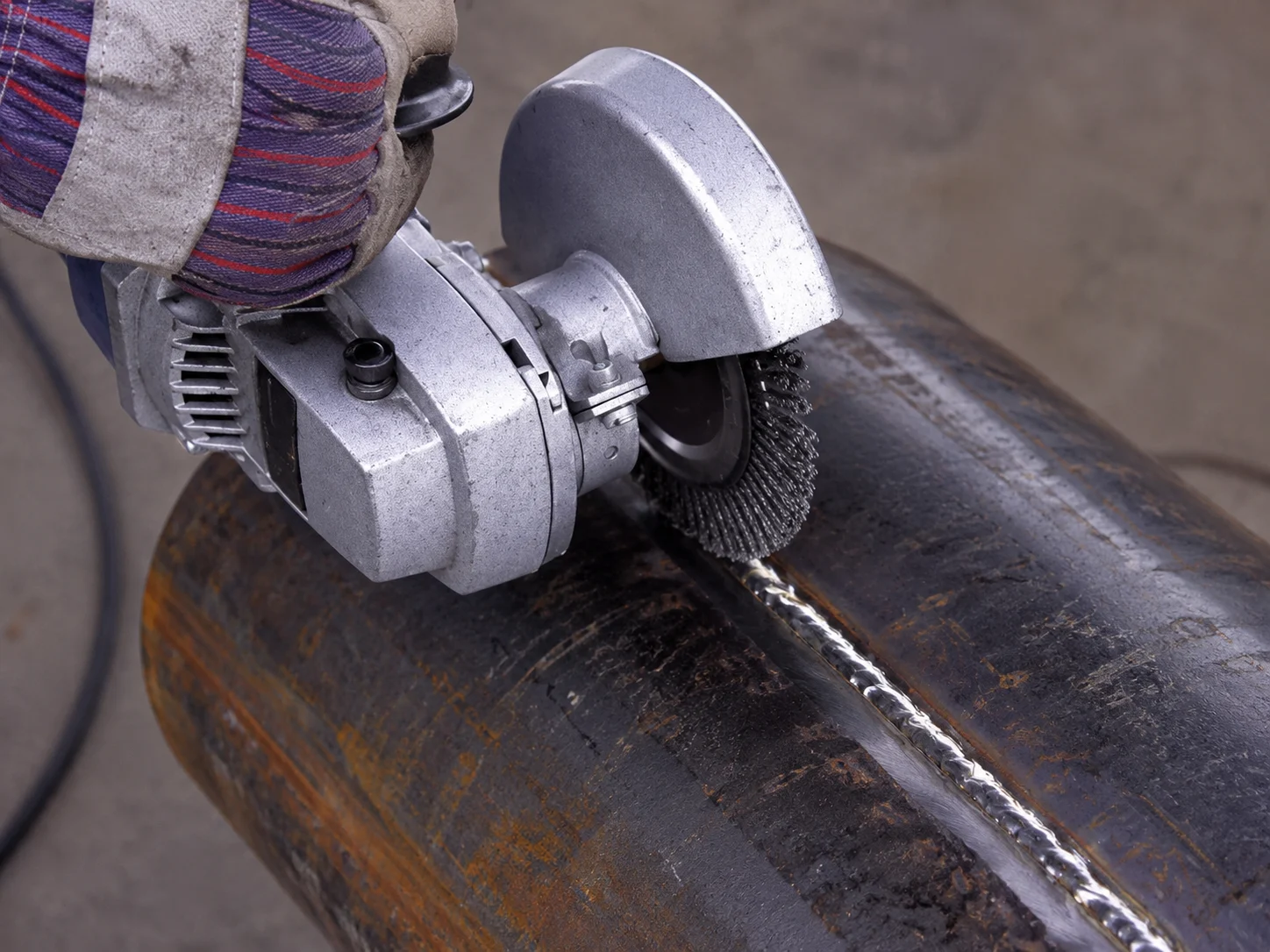
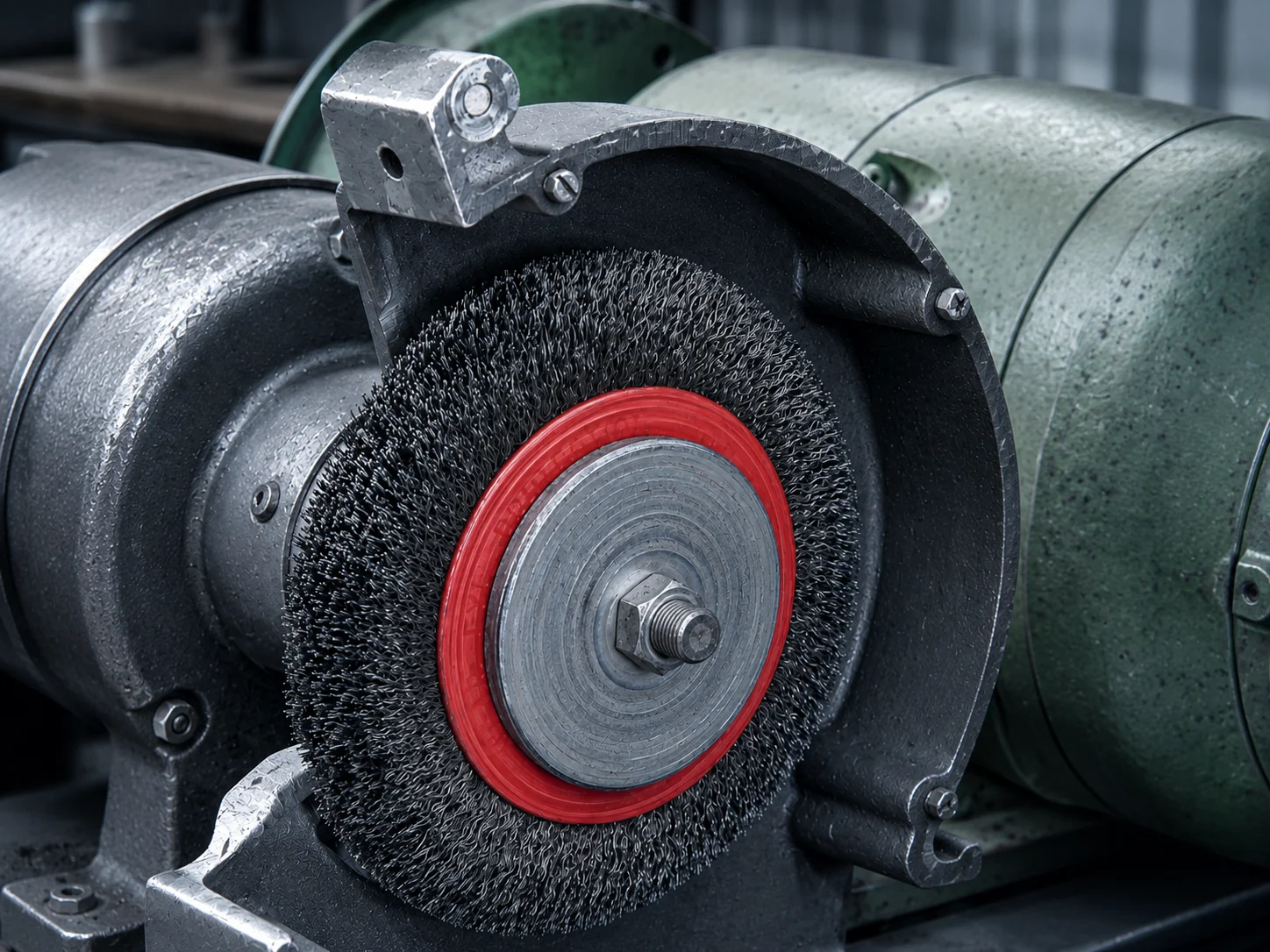
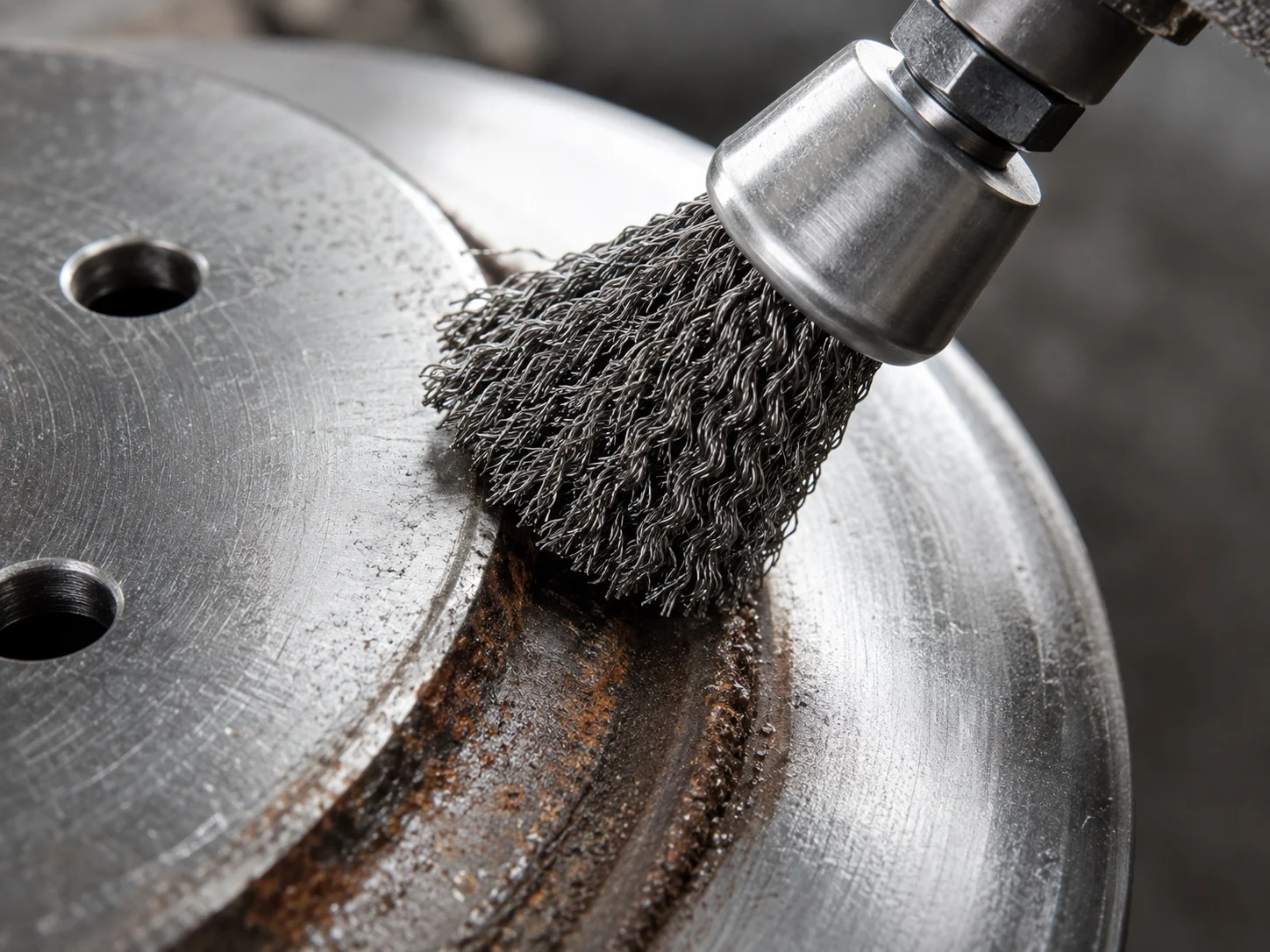
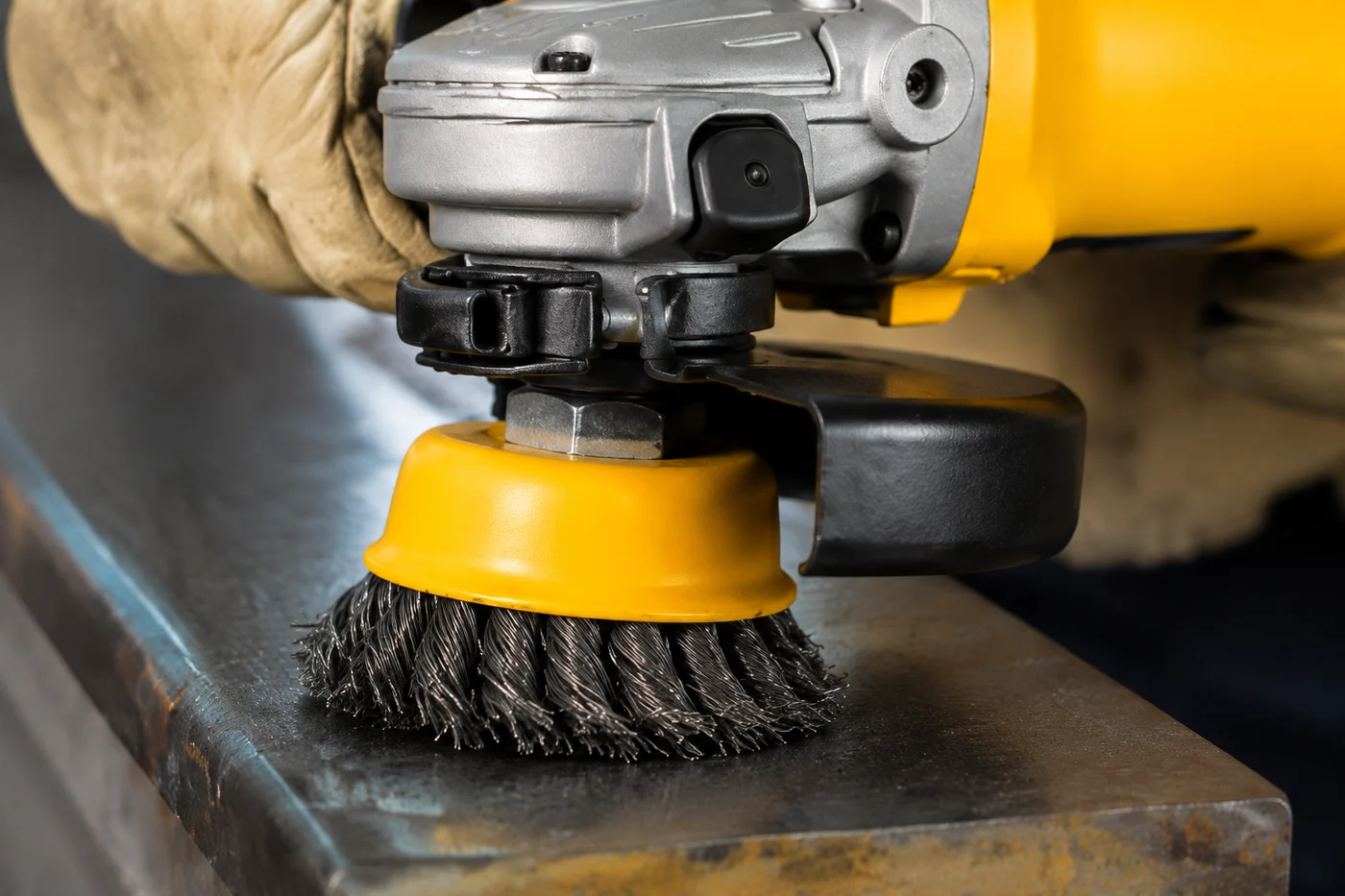
Wire wheel brushes, steel wire cup brushes, and end brushes clean oxidation, weld discoloration, loose slag, and surface residue before inspection, coating, or further assembly.

03

Internal Bore Finishing and Cross-Hole Deburring

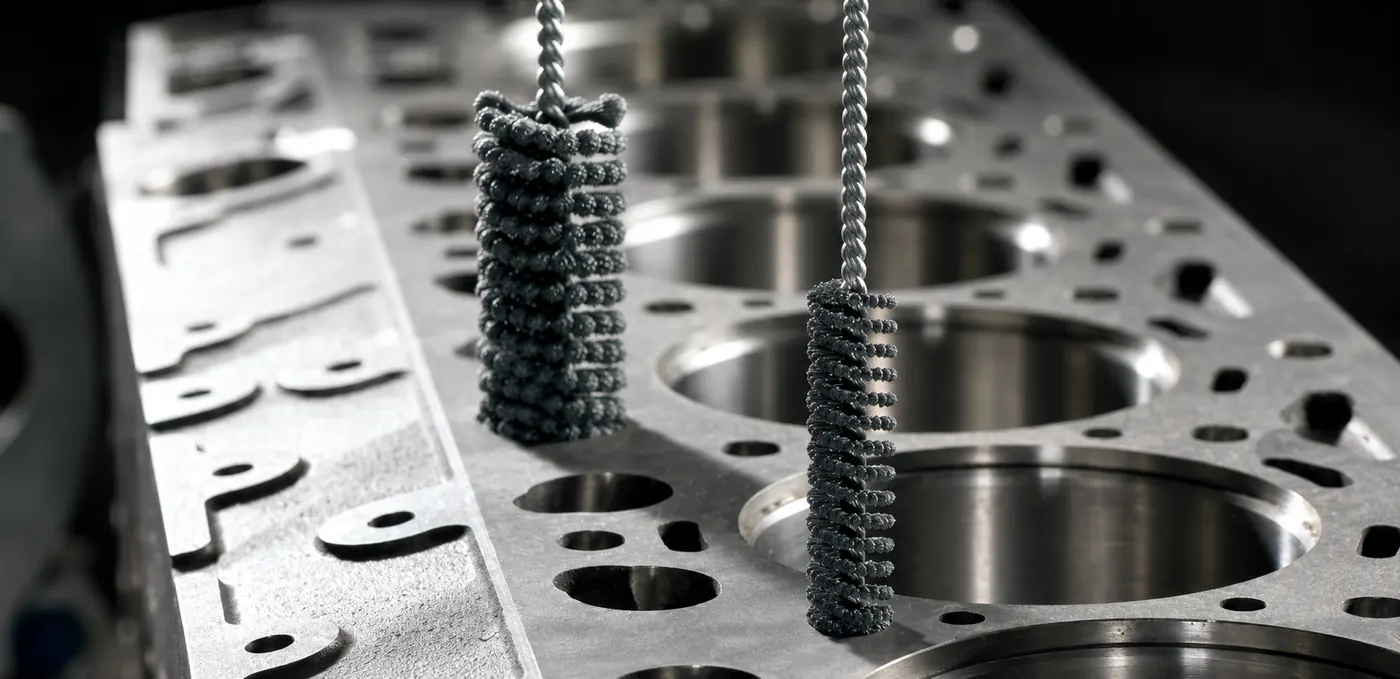
Pipe brushes and tube brushes reach bores, passages, grooves, and cross-holes for internal cleaning and light deburring. Ball-type honing brushes are used separately for controlled bore finishing and internal edge transition.

04

Rust, Scale, and Pre-Coating Surface Preparation

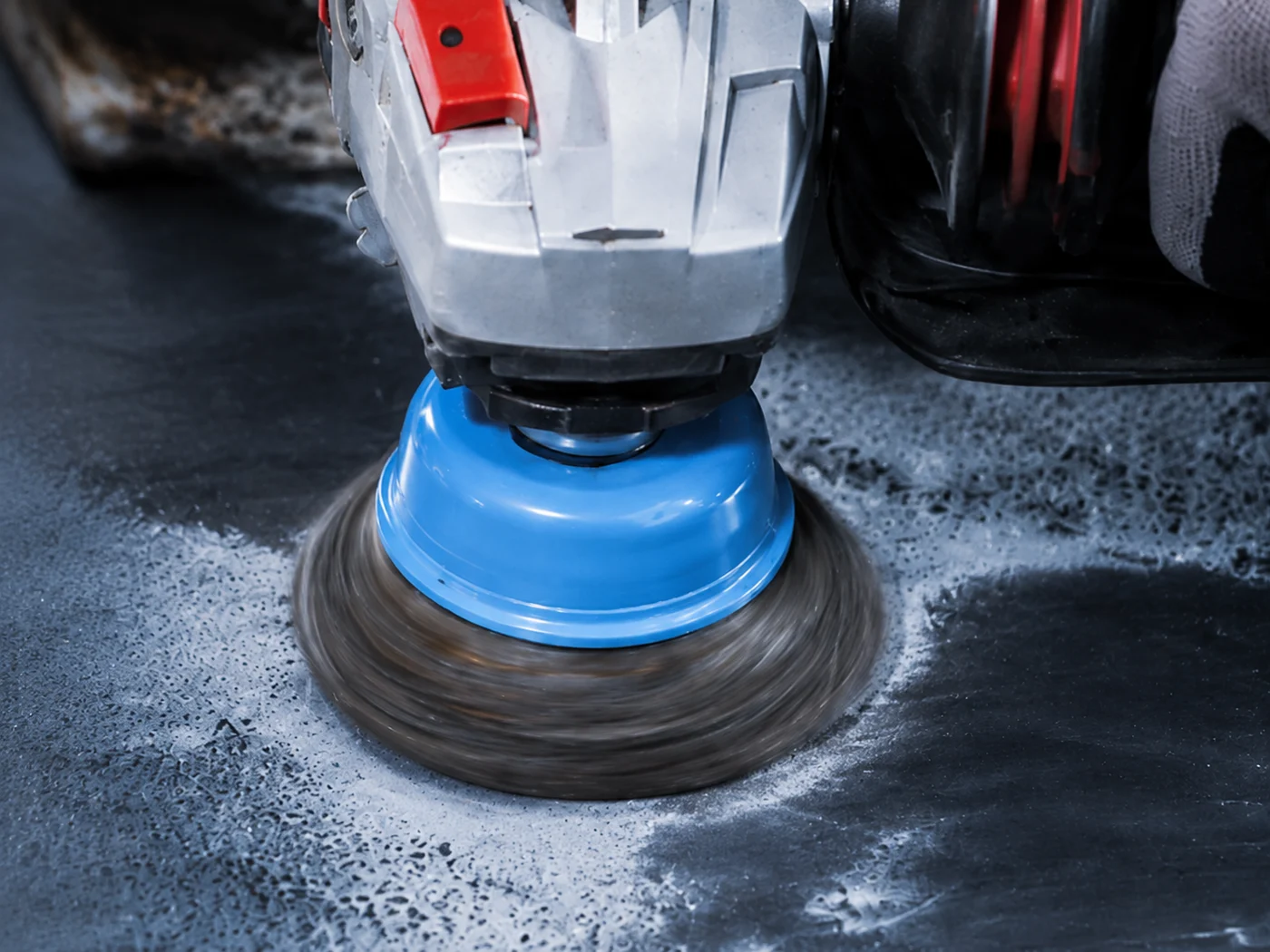
Wire wheel brushes can remove rust, oxide layers, coating residue, and mill scale from compatible metal surfaces before painting, coating, welding, or assembly.

05

Continuous Sheet and Strip Cleaning & Surface Conditioning

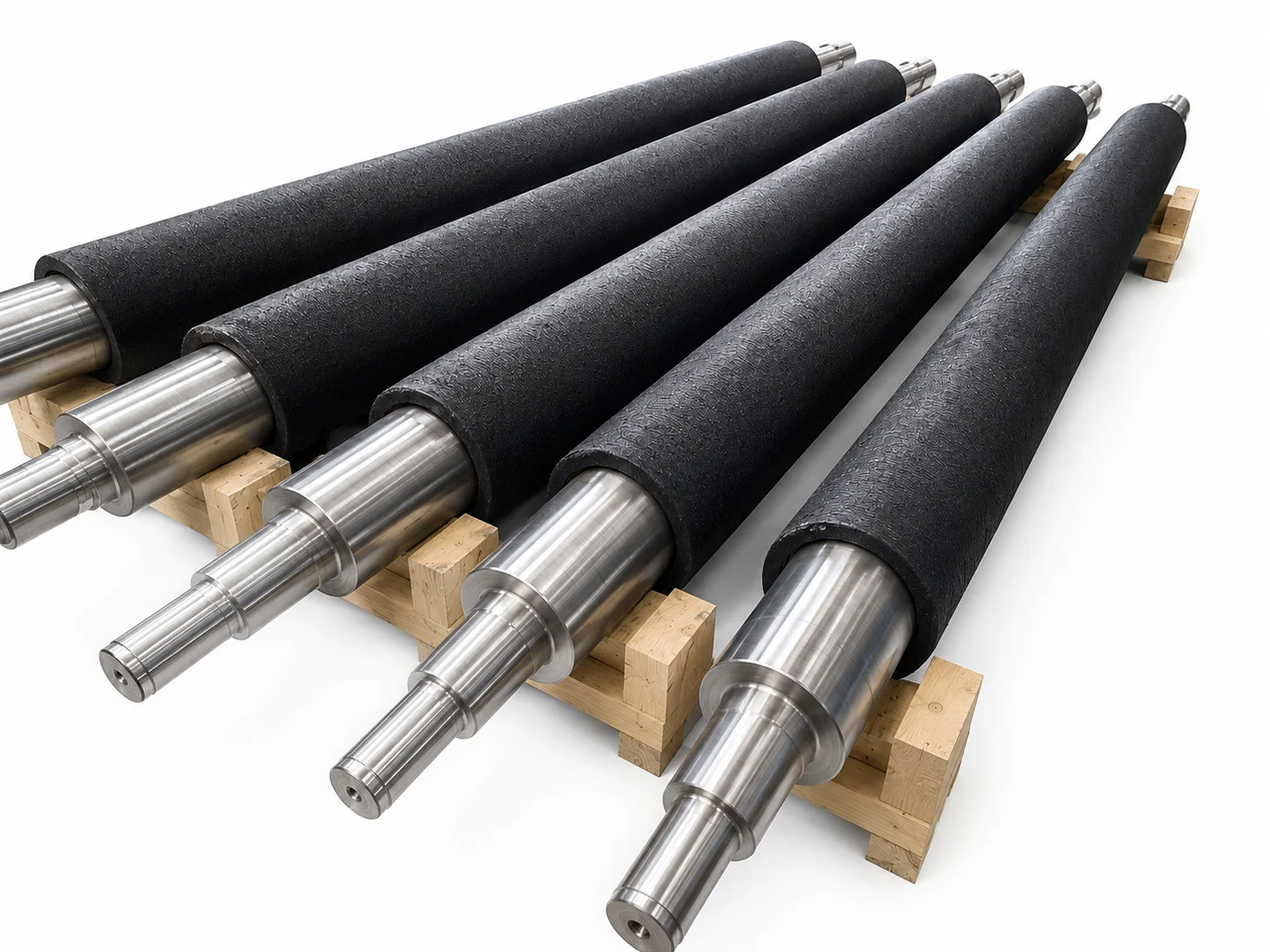
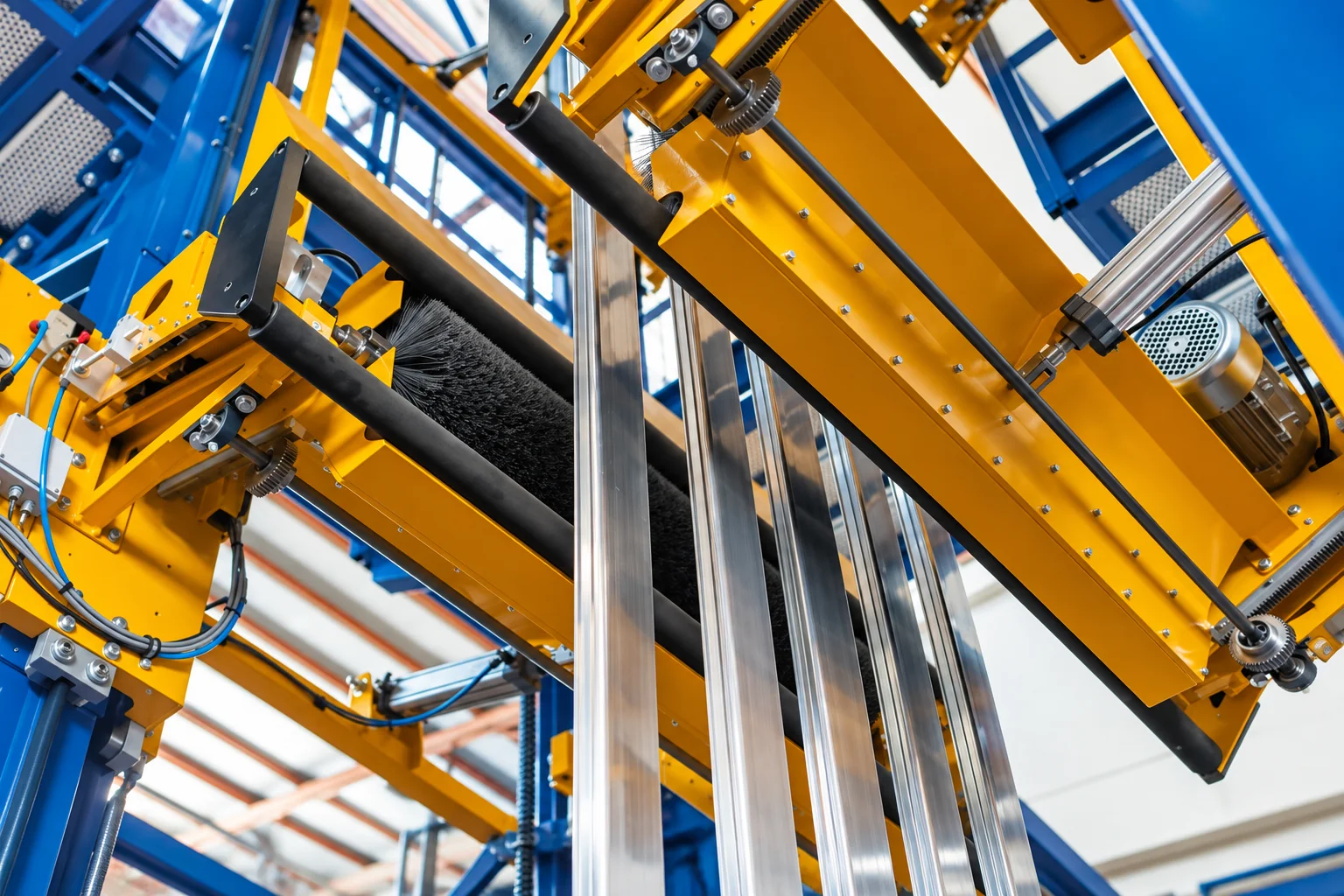
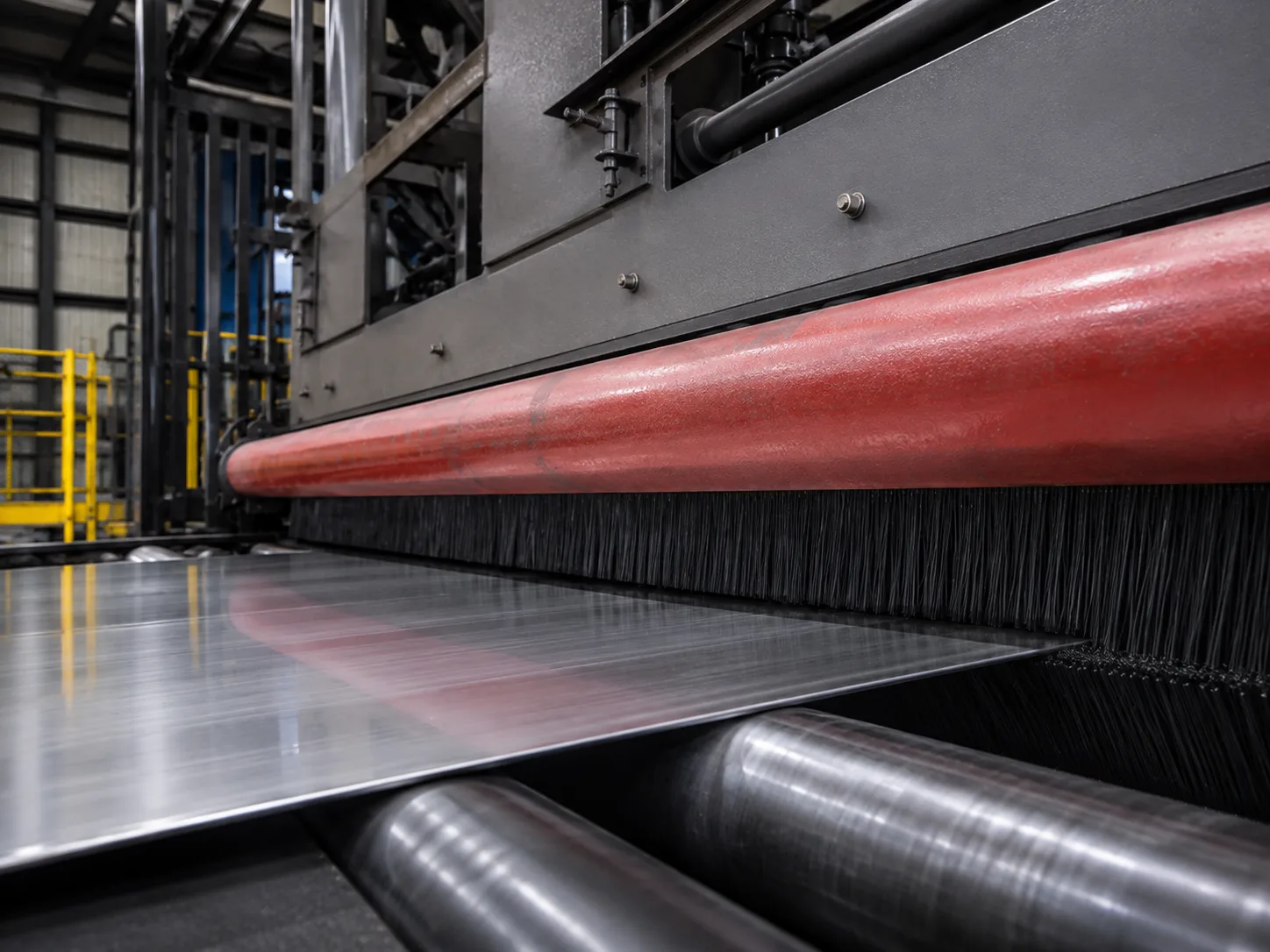
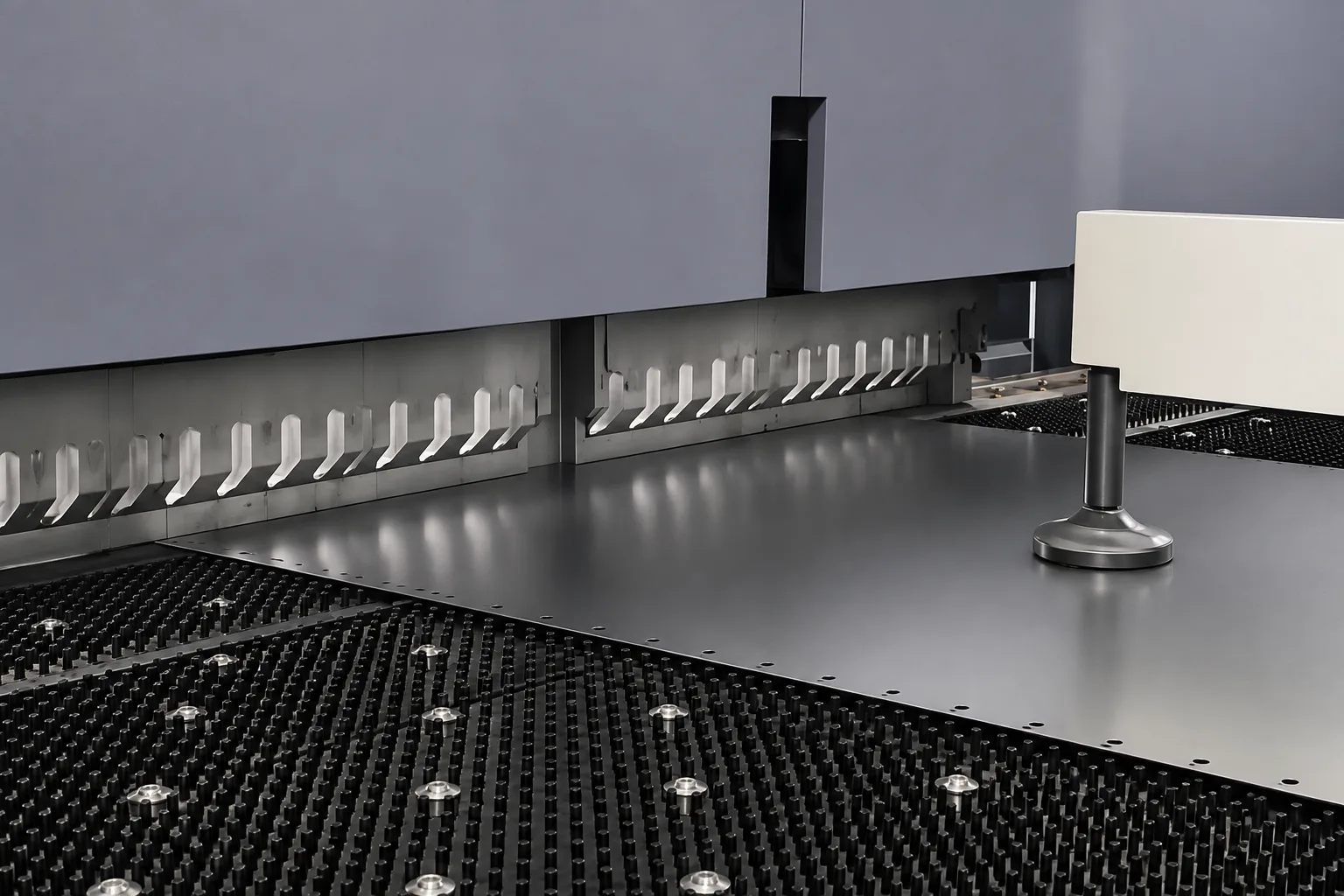
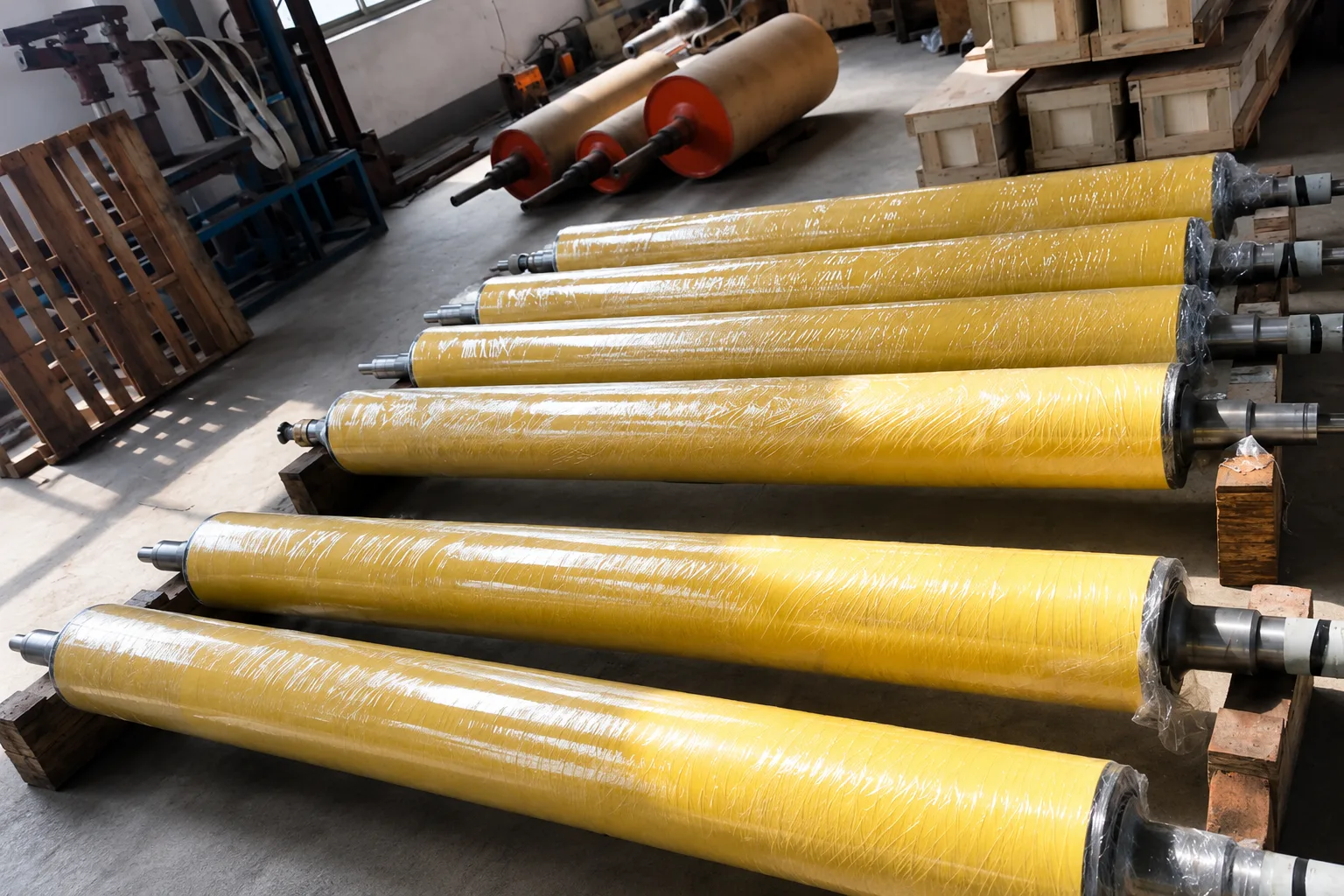
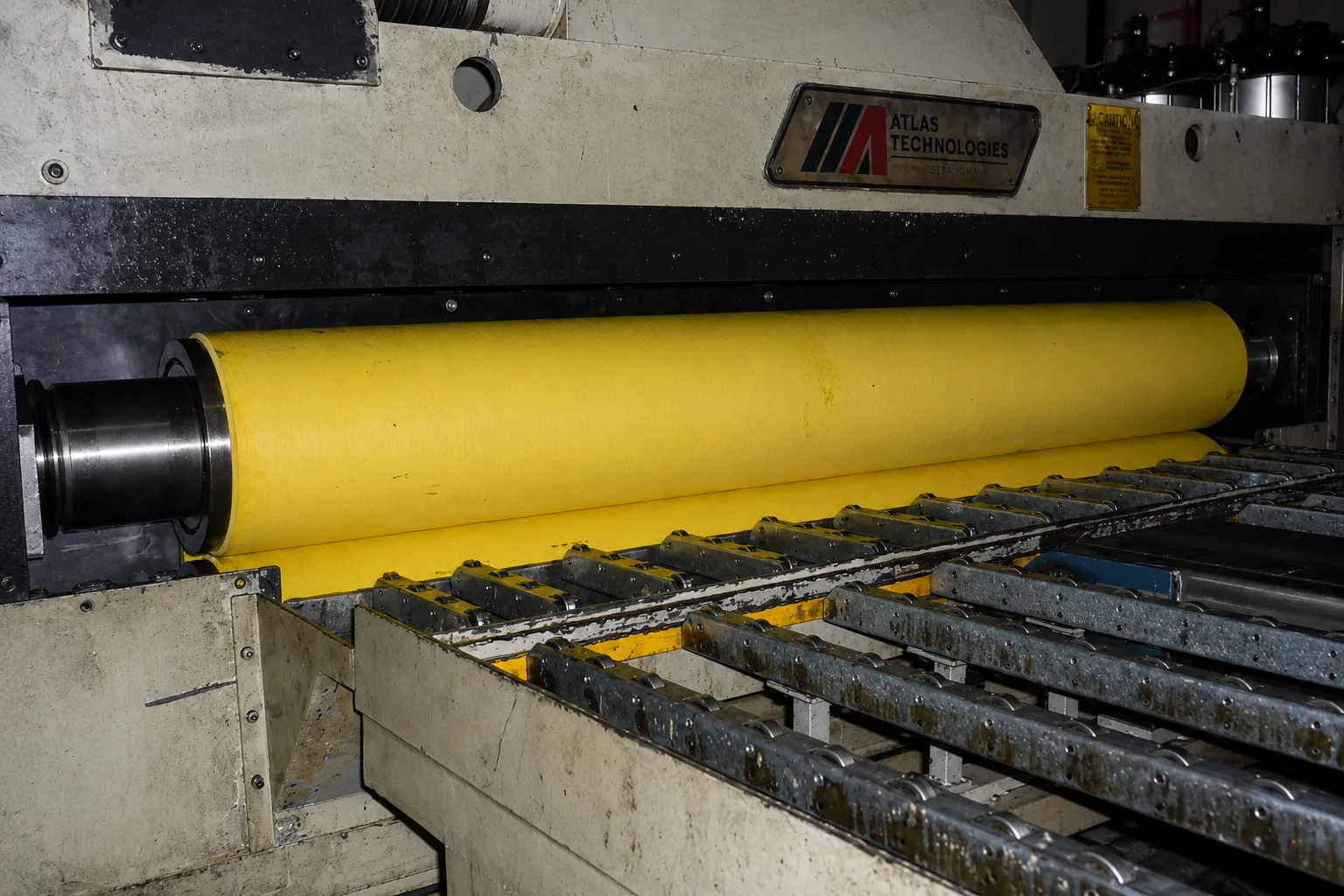
Cylinder brushes, spiral-wound rollers, and stacked brush rolls provide continuous contact for cleaning, descaling, wiping, and surface conditioning across steel, stainless steel, aluminum, copper, and other strip or sheet materials.

Brush selection depends on the workpiece, surface condition, contact geometry, line speed, and required finish. A drawing, sample, or clearly annotated photo helps confirm the working interface before production.

Filament Materials for Metal Processing

Select Filament by Workpiece and Process Result

Choose the filament by the process objective first, then confirm the metal workpiece and finish requirement.

01

Carbon steel wire

Workpiece materials: Carbon steel and general ferrous metals.

For stronger rust, scale, and surface-residue removal on compatible workpieces.

02

Stainless steel wire

Workpiece materials: Stainless steel and corrosion-sensitive metal assemblies.

Used where corrosion resistance and low ferrous cross-contamination are required.

03

Abrasive nylon

Workpiece materials: Aluminum, copper, and other non-ferrous metals when deburring, edge blending, oxide removal, or controlled surface conditioning is required.

Specify the abrasive type and grit. Use non-abrasive nylon only for cleaning or very light contact where material removal is not required.

04

Fine nylon or soft synthetic filament

Workpiece materials: Coated, polished, or surface-sensitive metal parts where the finish must be preserved.

For light cleaning and controlled contact. If edge conditioning is required, review a fine abrasive-nylon configuration against a sample before production.

05

Brass wire

Workpiece materials: Brass, copper, and aluminum components where the production specification permits brass-wire contact.

Used for lighter cleaning and deburring. For aluminum alloys with corrosion or cosmetic requirements, confirm compatibility in the part specification and by sample.

06

Phosphor bronze wire

Workpiece materials: Aluminum extrusions and aluminum sheet.

Used for satin finishing or controlled cleaning where a durable non-ferrous wire contact is required.

Use separate brush tools for stainless steel and carbon steel work. A carbon steel brush used on stainless steel can leave ferrous residue and contribute to after-rust.

Custom Brushes Built from Your Drawing

Confirm the Interface Before Production

01

Dimensions and Tolerances

Provide the brush envelope, working width, trim, bore, arbor, stem, or mounting dimensions with the required tolerances and drawing revision.

02

Mounting Interface

Show the shaft, flange, bolt pattern, holder, spindle, robot, or equipment interface. Include available clearance and rotation direction where relevant.

03

Brush or Filament Material

State the wire, abrasive nylon, synthetic, or other approved material, along with grit, diameter, density, and finish requirements when known.

04

Marked Reference

A physical sample can support replacement work. If a photo is used, mark dimensions and mounting details clearly; an unmarked photo is not sufficient for production.

RFQ Specification Guide

Engineering Information Required for Review

Send a drawing with marked dimensions, tolerances, mounting details, and brush or filament material. A physical sample can support replacement work.

Request a Custom Brush Quote
01

Workpiece and Process

Identify the metal, surface condition, burr or residue, contact area, line speed or machine cycle, and the required cleaning, deburring, or finishing result.

02

Brush Construction

Share the brush format, outside diameter, working face, trim, filament or abrasive direction, density, and any balance or replacement-life requirement.

03

Machine Interface

Include the spindle, arbor, bore, shaft, flange, holder, robot, or other mounting interface, plus available clearance and rotation direction.

04

Reference and Supply

Add a marked photo or physical sample where useful, together with drawing revision, quantity, packaging needs, and requested delivery timing.

Metal Processing Brush RFQ

Need a Brush for Your Metalworking Process?

Send your drawing for manufacturing review and quotation. Add a physical sample or clearly annotated photo where it helps identify a replacement brush.

Request a Custom Brush Quote