Industrial Brush Manufacturers, Suppliers & Companies

Custom Rubber Covered Rollers for Textile Processing

Drawing-based rubber covered rollers for textile wet processing, with needle perforating rollers and velour needle-loom brush segments for defined textile and nonwoven equipment positions.

Textile Processing

Rubber Covered Roller Applications in Textile Processing

Our rubber covered rollers are reviewed for defined pressure, liquid-control, and continuous-contact positions in textile processing equipment.

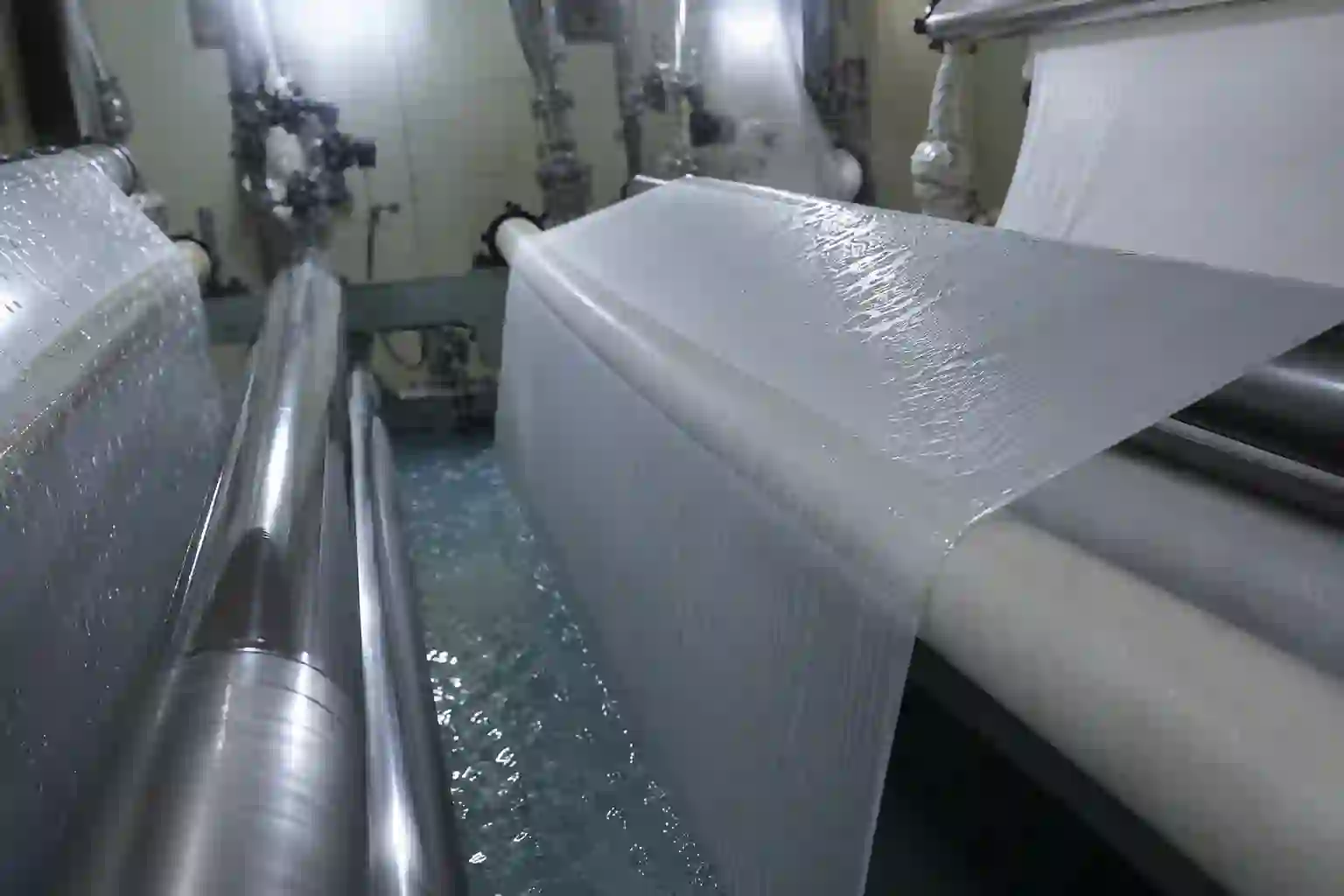
Textile squeeze roller for washing and liquid removal
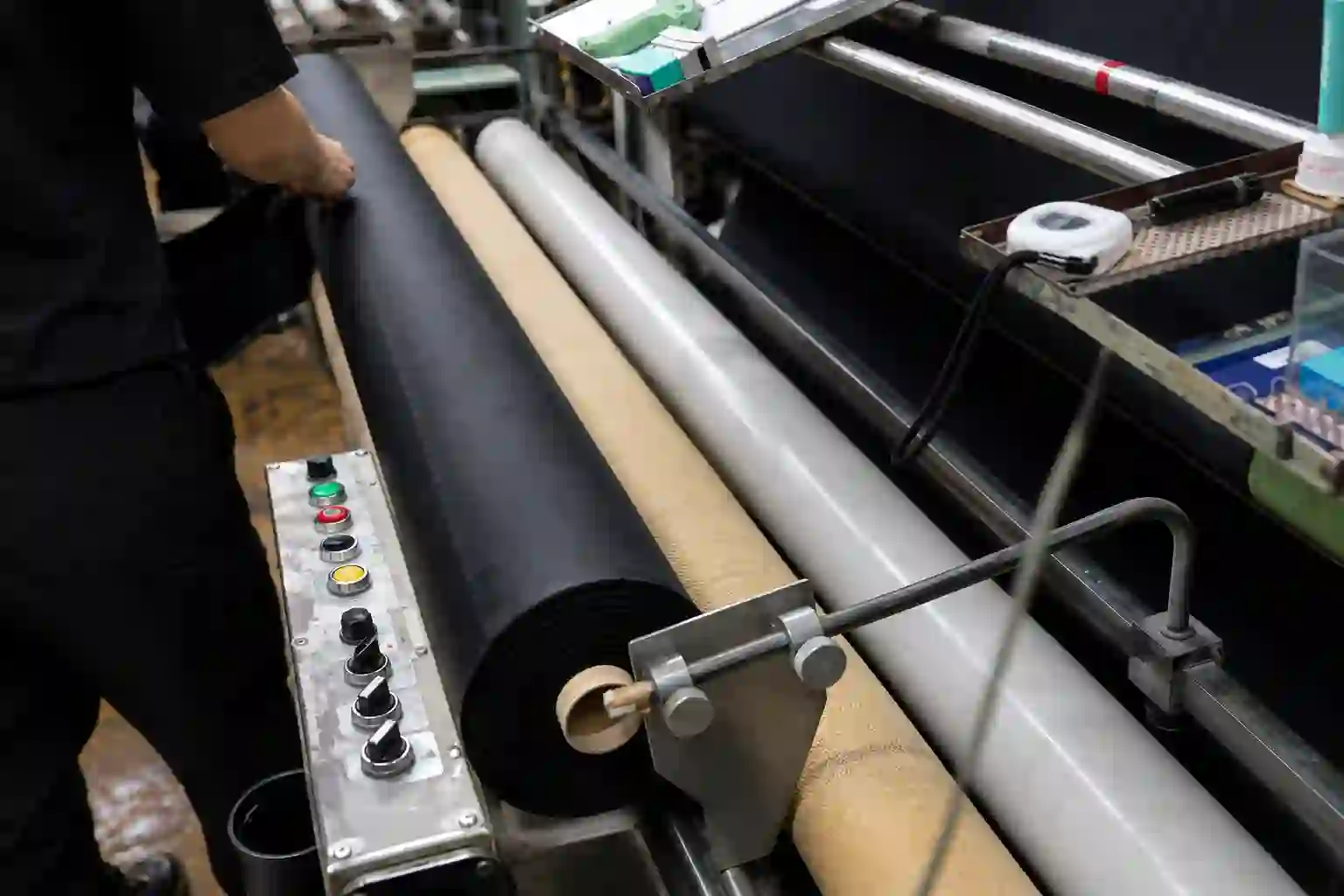
Textile rubber contact rollers for selected finishing positions
01

Dyeing & Padding

Rubber-Coated Padder & Squeeze Rollers

Rubber-covered rollers provide uniform liquor application and controlled squeezing in textile dyeing and finishing lines. Cover material, hardness, face profile, and shaft details are made to the process requirement.

02

Washing & Squeezing

Rubber-Covered Squeeze Rollers

Squeeze rollers remove excess water and processing liquid after fabric washing and rinsing. Roller construction is reviewed around the fabric, working width, pressure, line speed, and liquid conditions.

03

Bleaching & Mercerizing

Chemical Wet-Process Rollers

Rubber-covered rollers provide controlled pressure and liquid handling in continuous bleaching and mercerizing lines. The suitable cover compound is confirmed for the actual chemical, concentration, temperature, and operating conditions.

04

Calendering & Finishing

Selected Rubber-Covered Contact Rolls

Rubber-covered contact rolls can be supplied for selected calendering and textile finishing positions that require controlled pressure and surface contact. Final construction follows the approved drawing; calender roll materials vary by machine and process.

Custom Rubber Covered Rollers →
Textile Web Processing

Textile & Nonwoven Web Perforation

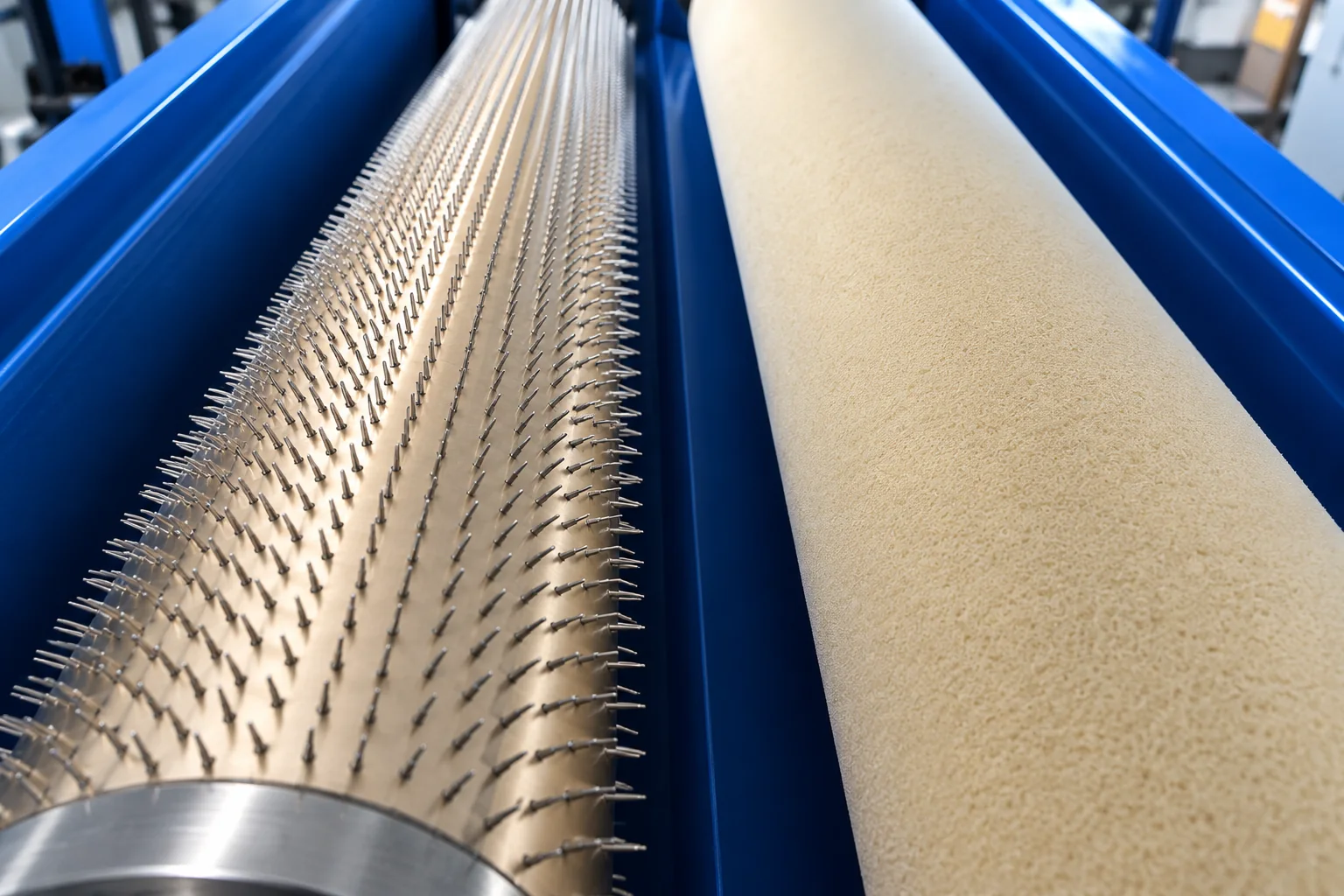
Needle perforating roller and counter roller for textile and nonwoven web processing

Hot or cold needle perforating rollers can create controlled openings in compatible textile and nonwoven webs for ventilation, permeability, drainage, filtration, lamination preparation, or another defined process result.

Pin diameter, tip form, spacing, density, working width, pattern, and unperforated zones can be customized to the approved machine drawing. The web material, thickness, line speed, tension, and required opening must be reviewed before choosing hot or cold perforation.

Custom Needle Perforating Rollers →
Textile Loom Brushes

Lath Plate Brush Segments for Velour Needle Looms

Brushcustom manufactures toothed plastic-backed nylon brush segments for installation on aluminum rails in velour needle looms. Segment size, brush fill, and rail fit can be made from an approved drawing for OEM replacement and volume production.

Velour needle loom fitted with brush segments for textile production
Toothed brush segments for velour needle loom installation
  • Rail and segment fit

    Segment dimensions, toothed base geometry, pitch, and aluminum-rail interface follow the approved drawing or sample.

  • Uniform bristle height and density

    Filament diameter, trim height, and tuft density are controlled across the working width for consistent brush-apron support.

  • Replaceable modular construction

    Individual worn segments can be replaced when the approved module and rail interface are maintained.

Custom Lath and Plate Brushes →
Textile Equipment Purchasing Questions

FAQ

Which brush or roller should I specify for my textile process?

Rubber-covered rollers suit padding, squeezing, wet-process pressure, and controlled fabric contact. Needle perforating rollers create specified openings in textile or nonwoven webs. Lath plate brush segments form the supporting brush apron in compatible velour needle looms. Final selection follows the machine position and required function.

What information is required for a textile rubber roller quotation?

Provide the roller position and function, finished outside diameter, face length, core, shaft and journal dimensions, cover material and hardness if known, surface profile, runout and tolerances, fabric type, line speed, nip pressure, process liquid, chemical concentration, temperature, and quantity.

How are the cover compound and hardness selected for padding, squeezing, bleaching, or mercerizing?

Selection depends on the fabric, required liquid pickup or extraction, nip pressure, line speed, chemical composition and concentration, temperature, abrasion, and paired-roller arrangement. A single compound or hardness should not be assumed suitable for every textile wet process.

What information is needed for a textile or nonwoven needle perforating roller?

Provide the web material and thickness, total and perforated widths, hot or cold process, required opening, pin diameter, tip form, projection, spacing, density, pattern, unperforated zones, line speed, tension, counter-roller arrangement, and machine drawing.

What measurements are needed for replacement velour needle-loom brush segments?

Provide the existing segment, approved drawing, or clearly measured sample with the base length, width and thickness, tooth and rail profile, pitch, mounting interface, tuft pattern, filament material and diameter, trim height, density, machine working width, and required segment quantity.
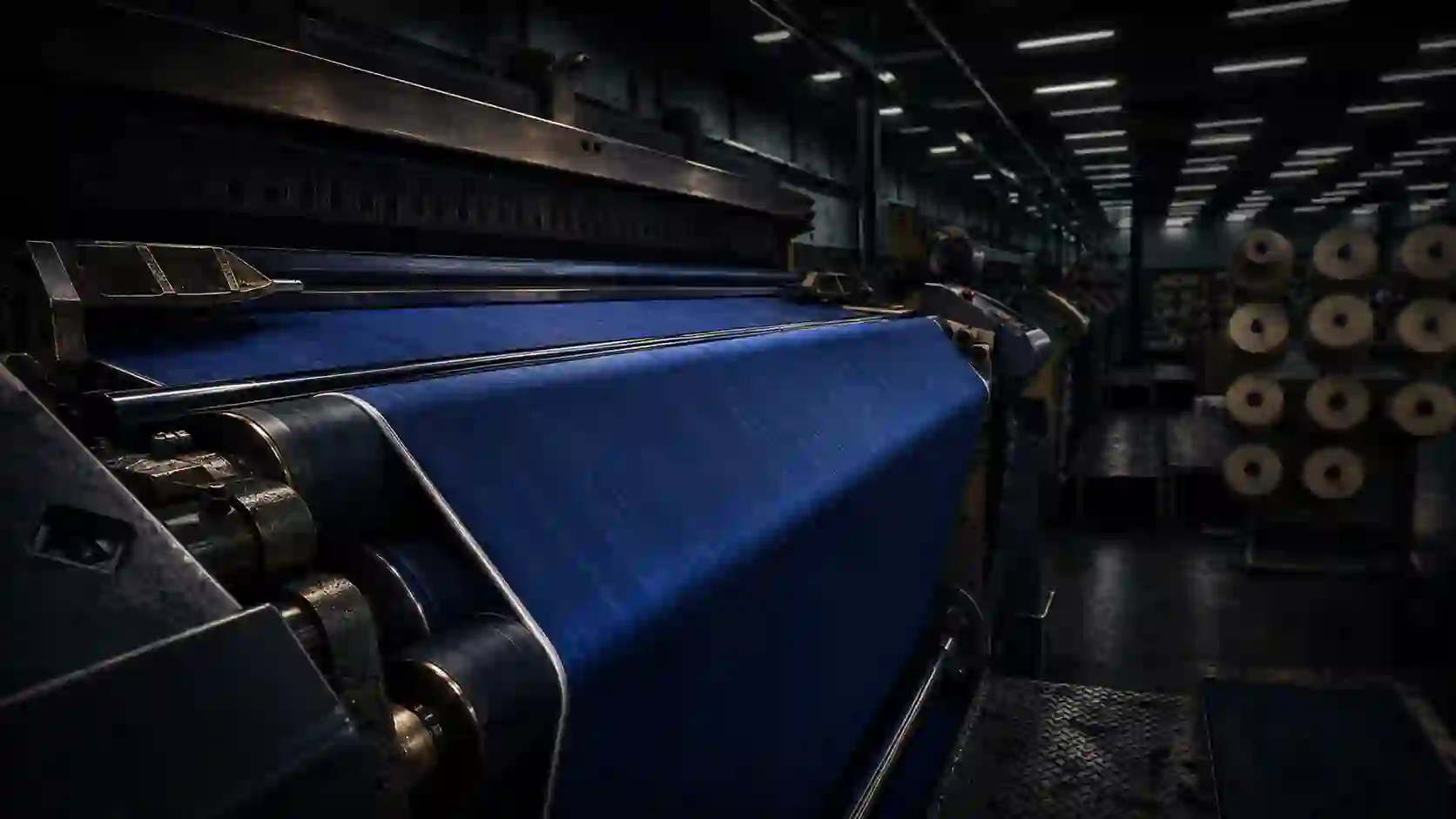
Custom Textile Brushes & Rollers

Built for OEM and Replacement Textile Equipment

We manufacture rubber covered rollers, needle perforating rollers, and lath plate brush segments from approved drawings or samples for OEM, replacement, and volume textile-equipment orders.

For a quote, identify the machine position and required function, then provide the product-specific dimensions, material or fill details, operating conditions, critical interface, and quantity.

Request a Quote