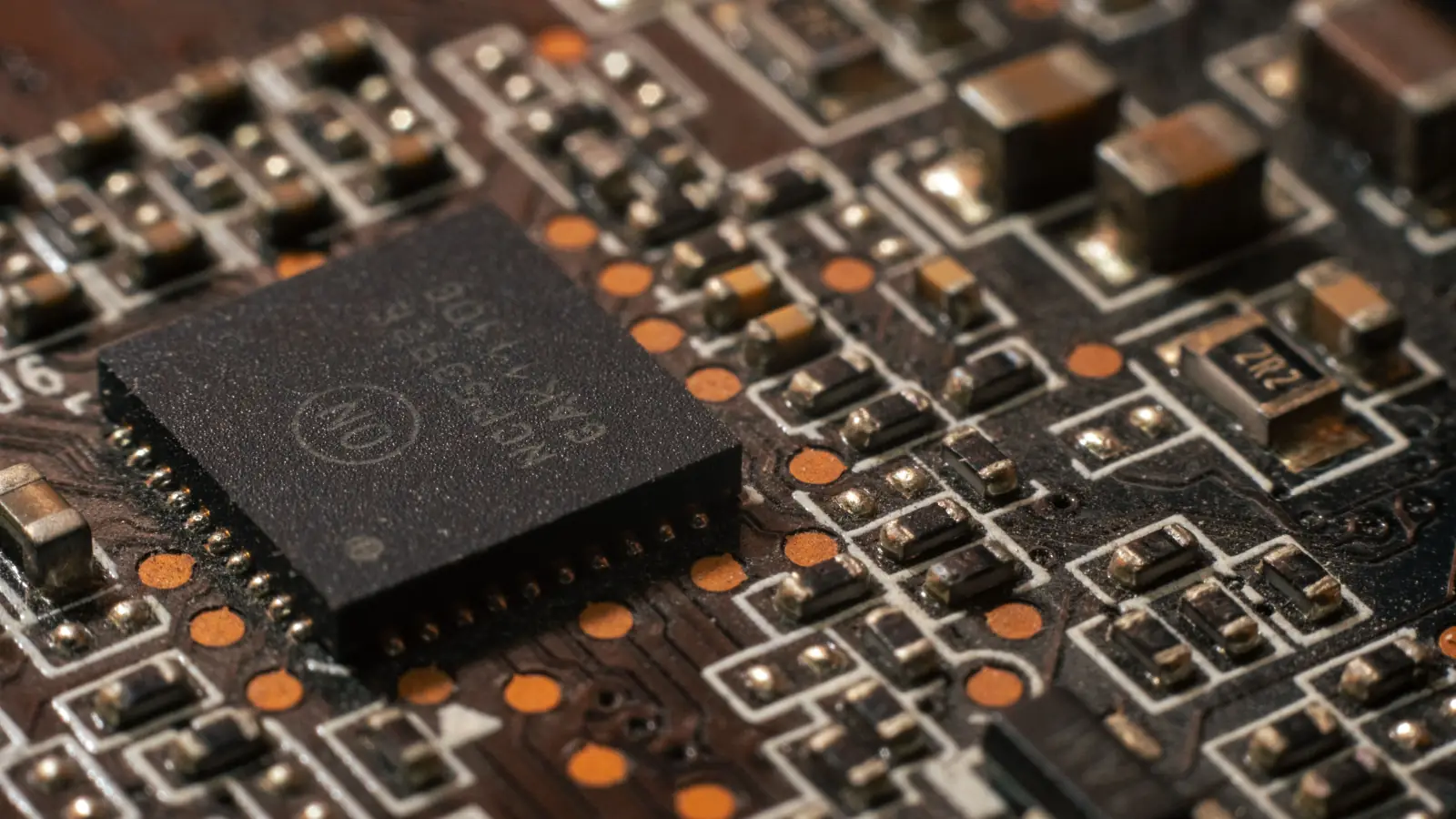
Anti-Static Nylon
A fine, flexible filament option for light-contact cleaning. The selected material grade, target resistance, solvent exposure, and finished-brush validation method should be confirmed.
Custom hand, roller, and strip brushes for particle removal and static-control contact in semiconductor and electronics equipment.
Brushcustom supplies custom hand, roller, and conductive strip brushes for electronics and semiconductor equipment in ESD-controlled areas. These electronics cleaning brushes can be configured as anti-static brushes or conductive strip brushes when the required electrical behavior is defined and validated. Material, geometry, mounting, and electrical requirements are defined to the customer’s ESD-control program.
Selection depends on the contact point, particle-removal task, and required charge-control behavior. An ESD brush supports—not replaces—grounding, ionization, work-surface controls, or process validation.
Filament selection starts with the required electrical behavior, contact surface, and finished-brush test method. The dimensions below describe our current manufacturing capability; they are not resistance ratings for the completed brush.
A fine, flexible filament option for light-contact cleaning. The selected material grade, target resistance, solvent exposure, and finished-brush validation method should be confirmed.
A fine conductive metal-wire option for compatible surfaces. Scratching risk, oxidation, particle generation, grounding, and the required electrical test should be reviewed before selection.
For our carbon-fiber brush fill, selection is based on the available material specification and the fill or bundle construction rather than a nominal brush-filament diameter. Confirm the trim length, fill density, contact surface, resistance target, and test method.
The filament alone does not make a brush ESD-safe. Finished performance also depends on the brush body, mounting, grounding path, operating environment, and assembly-level validation.
ESD brush selection should start with the equipment location, contact surface, required electrical behavior, and the customer's approved control program.
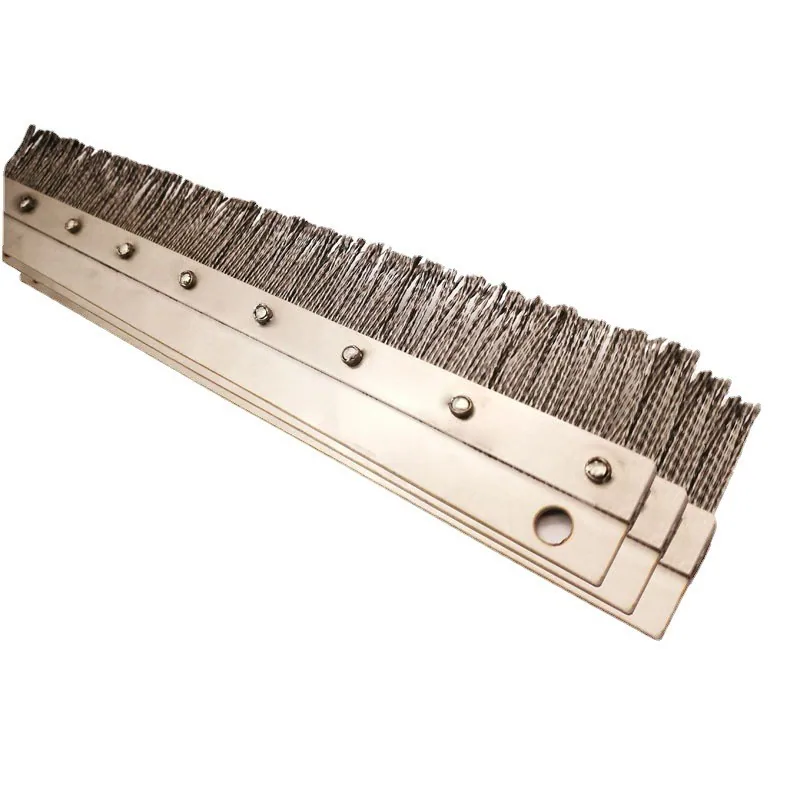
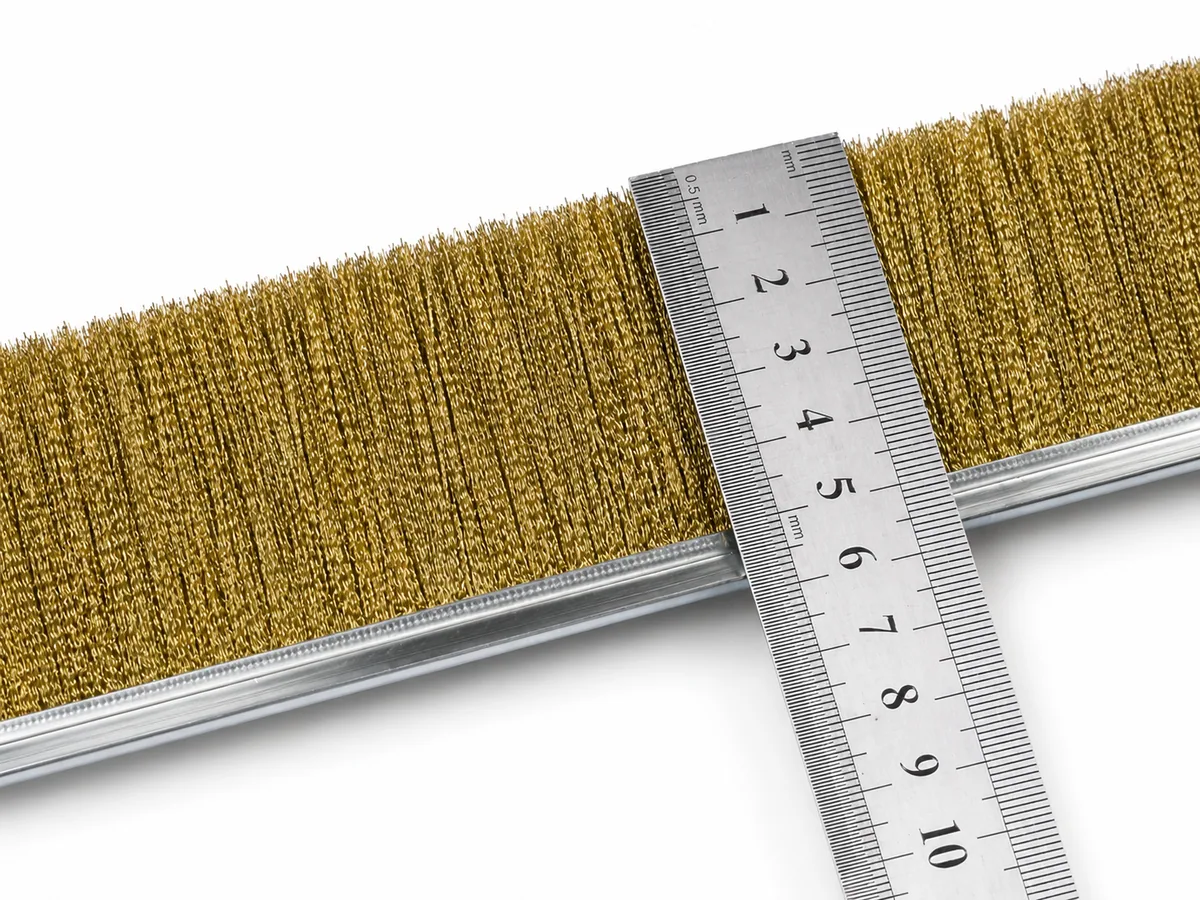
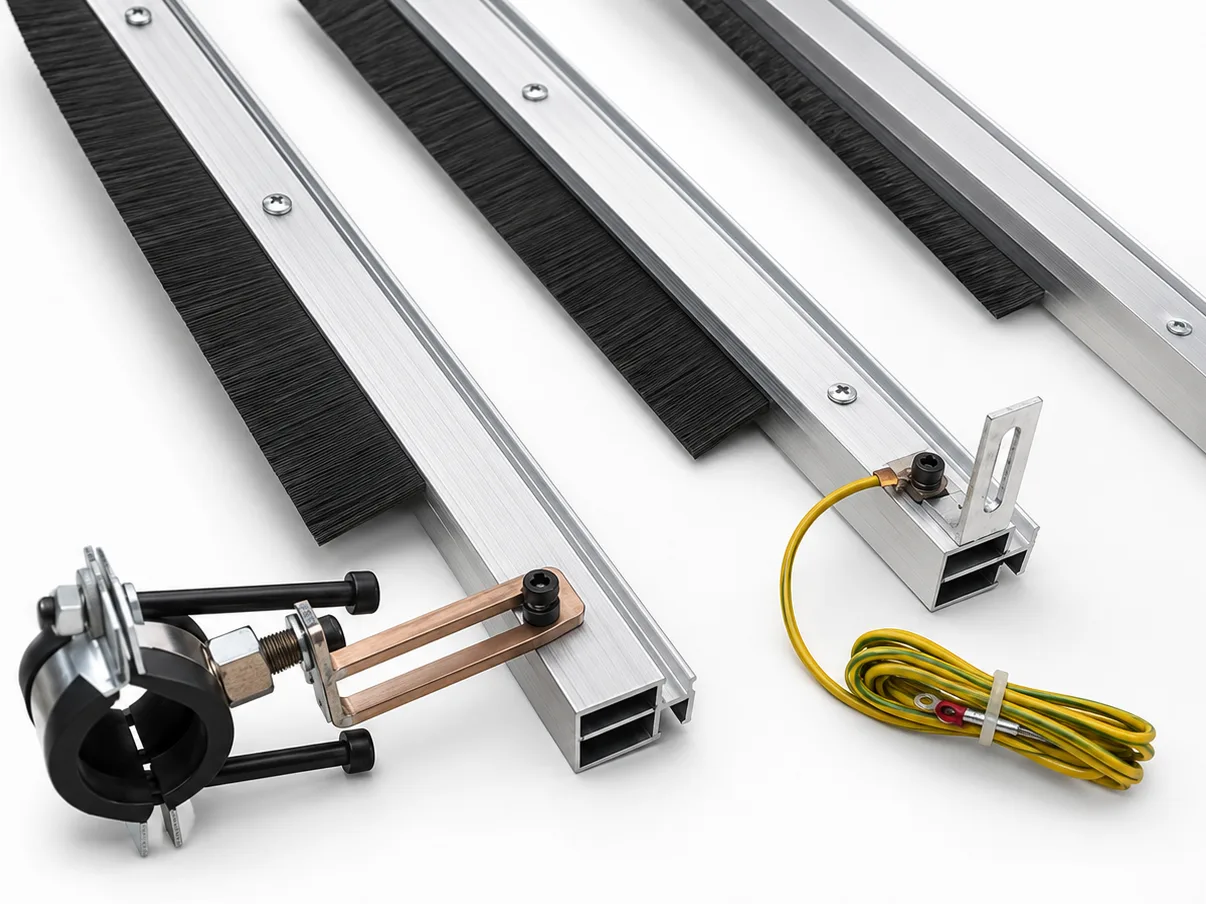
Conductive strip brushes can be fitted around equipment openings, enclosure gaps, access panels, and PCB or panel-handling interfaces. They provide a flexible barrier where dust control and controlled contact are required at equipment access points and automated handling paths.
The filament, channel, holder, mounting detail, and grounding relationship must be reviewed with the equipment design. A conductive strip brush supports the system design; it is not a substitute for the site's grounding hardware or wider ESD-control measures.

Custom PVA sponge rollers can be reviewed for water removal after rinsing in selected PCB and electronic-substrate processes. Sponge grade, pore structure, chemical compatibility, wet dimensions, contact pressure, and shaft construction are matched to the equipment and required surface result.
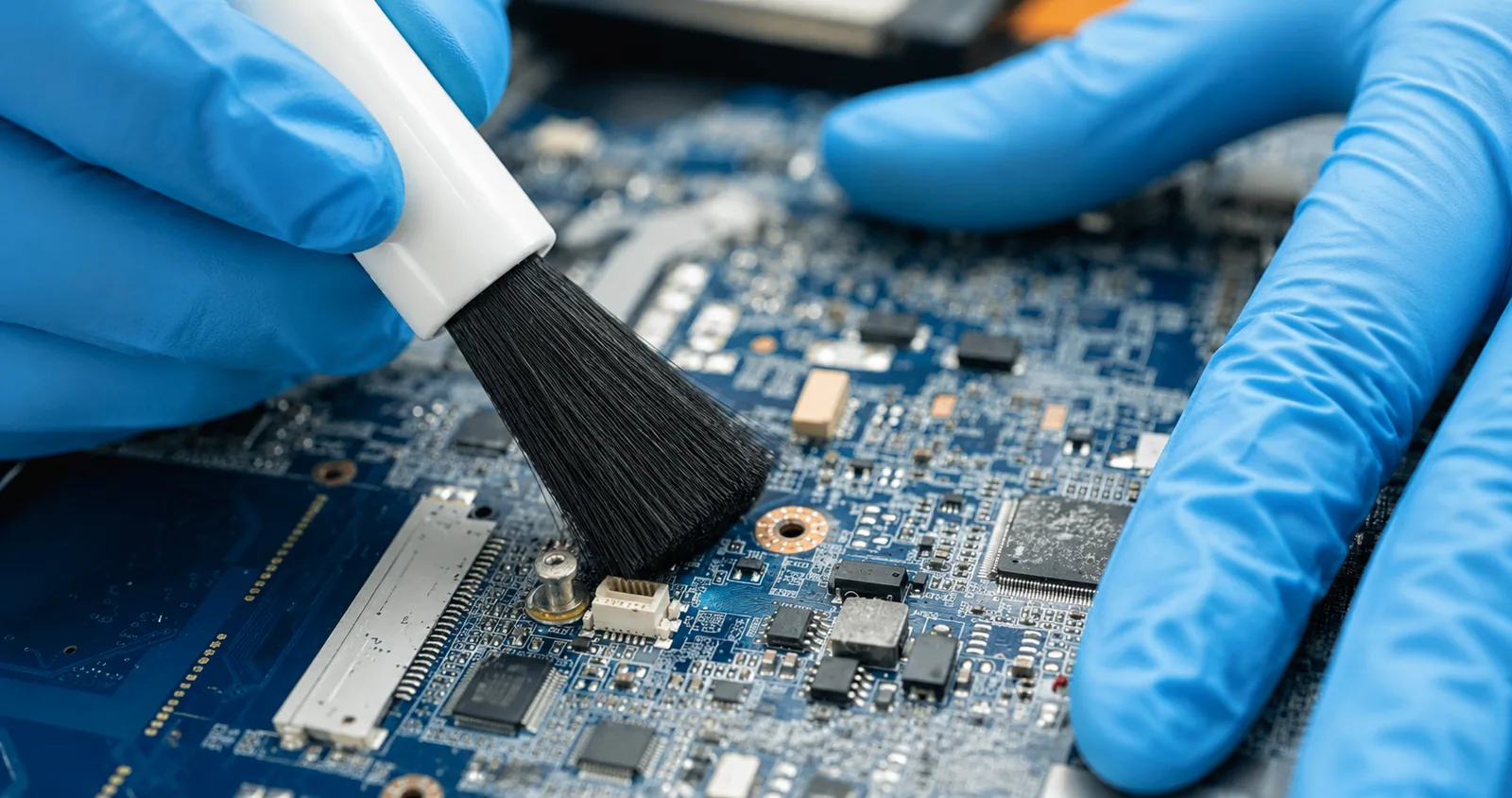
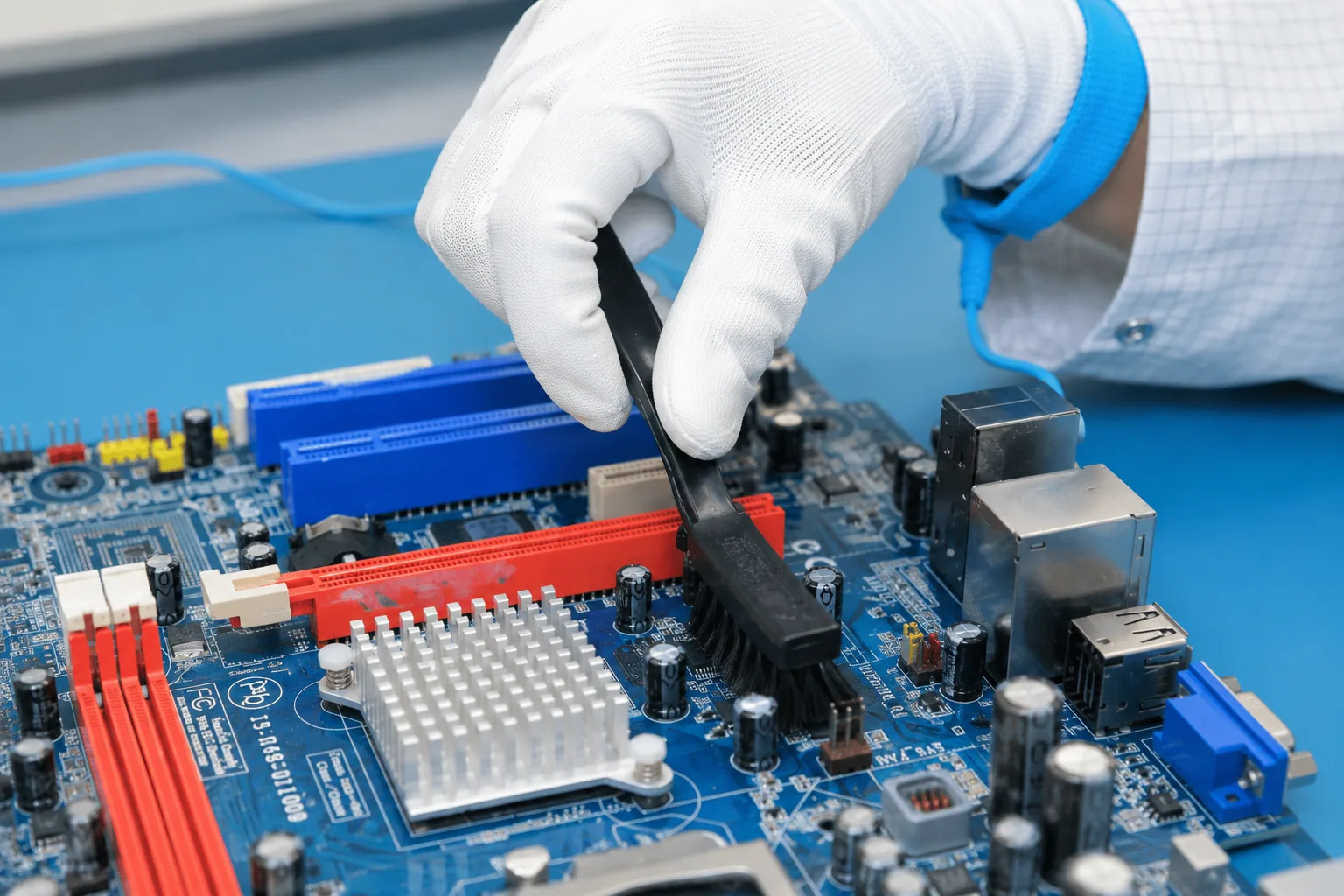
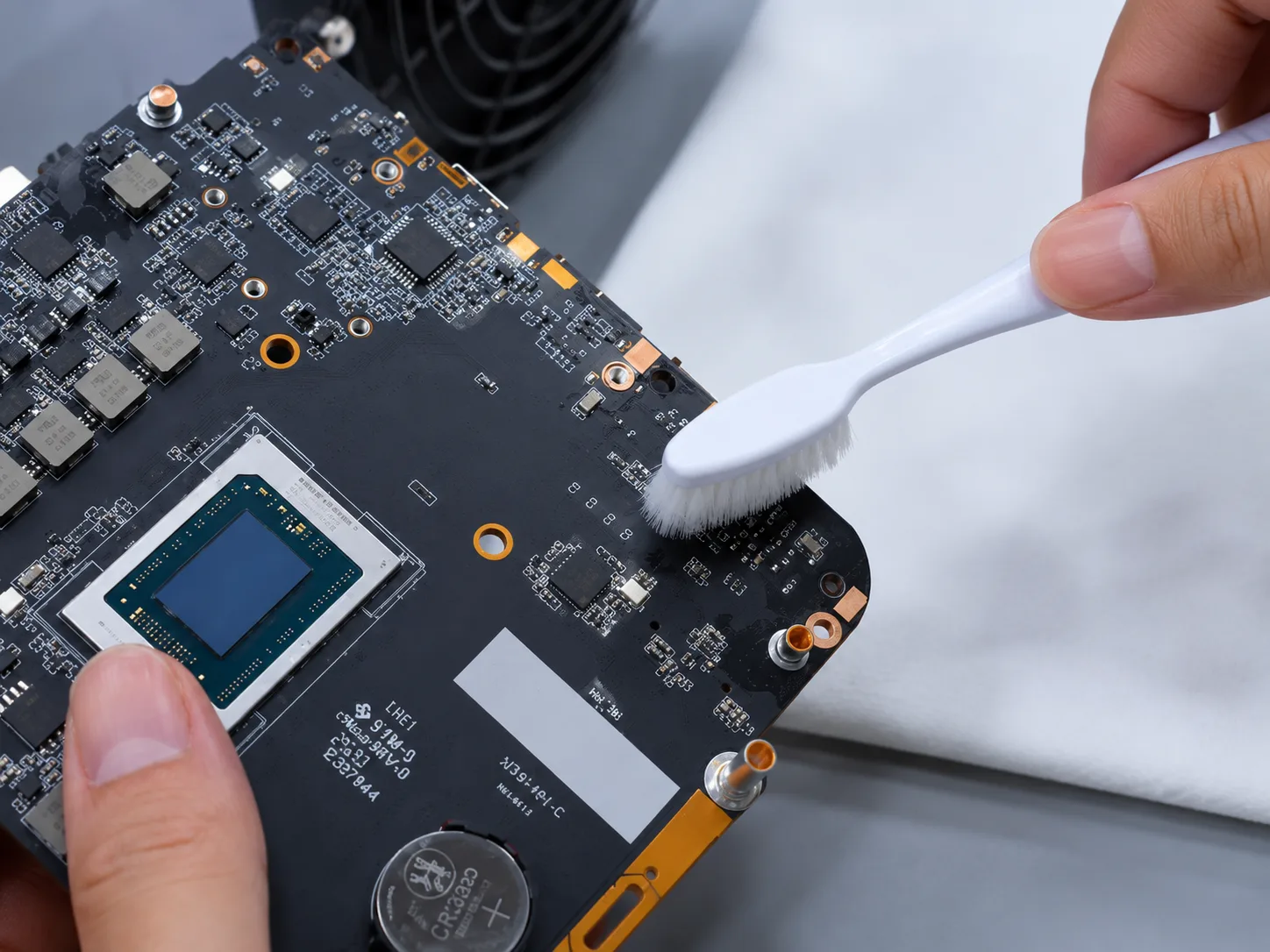
Custom ESD cleaning brushes are used in electronics assembly, PCB workstations, inspection areas, test fixtures, and equipment maintenance tasks where particles must be removed while controlling static charge generation. Hand brushes and small round brushes suit localized work; custom roller brushes can be reviewed for automated modules and handling equipment.
The contact surface, cleaning method, filament material, solvent exposure, and required electrical performance must be confirmed before production. A brush should be matched to the approved process rather than selected by color or an antistatic label alone.
A reliable ESD brush review depends on the electrical requirement, equipment fit, and operating environment being confirmed before production.
Provide the target resistance range, relevant customer specification, preferred test method, and any report or traceability requirement. If the finished brush must meet an ESD requirement, specify the resistance range, test method, grounding path, and validation route. Electrical performance is selected against the customer's requirement, not assumed from the material name alone.
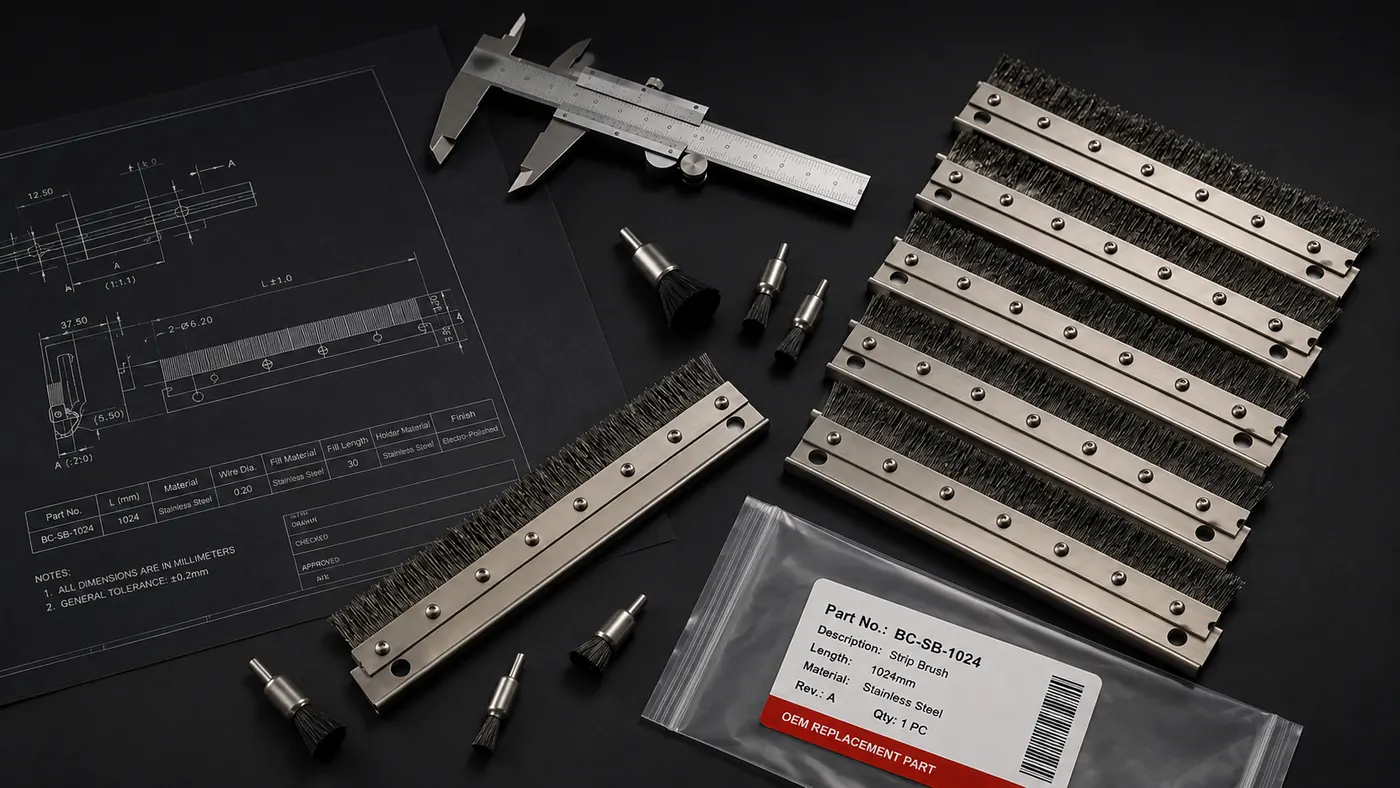
Share the brush format, dimensions, filament option and nominal diameter where applicable, trim length, density, channel or holder detail, shaft or bore where relevant, and the mounting position. A drawing, part number, marked photo, or measured sample is the fastest route for an OEM replacement or second-source project.
Confirm the contact surface, cleaning method, solvent or IPA exposure, temperature, service cycle, and particle-control expectations. These conditions affect material selection, brush life, and the review required before supply.
For equipment builders and maintenance teams, these brushes are normally specified as an approved component or replacement part. A project begins with the equipment interface and ESD requirement, then moves through a sample or dimensional review as required by the customer.
Once the design is agreed, the same dimensions, materials, and mounting details can be held under a controlled part number for repeat supply.
These answers separate brush geometry from the electrical requirements that must be confirmed for the finished assembly.
No. Filament diameter mainly changes flexibility, contact pressure, and access to fine features. ESD performance depends on the selected material specification, brush construction, grounding path, operating environment, and the resistance or charge-decay test applied to the finished brush.
For the carbon-fiber fill we supply, the RFQ should define the available material specification, fill or bundle construction, trim length, density, contact surface, target resistance, and test method. We do not assign it a nominal monofilament diameter unless the selected supplier specification provides one.
The geometry and mounting interface can be reviewed from a drawing, marked sample, part number, or measured brush. To reproduce the electrical function, also provide the target resistance range, grounding arrangement, test method, operating environment, and any report or traceability requirement.
Send your drawing, sample, application, and electrical requirement. We will review the brush format, material direction, mounting detail, and repeat-supply specification before quoting.