

Custom Industrial Sponge Rollers
Drawing-based sponge rollers for water absorption, dewatering, and cleaning on industrial processing lines.
Send Your DrawingWhat Is an Industrial Sponge Roller?
An industrial sponge roller uses a porous working surface to absorb water, remove process liquid, or clean moving surfaces in wet-process equipment. Brushcustom supplies custom PVA sponge rollers for glass, PCB, metal sheet, film, and panel production.
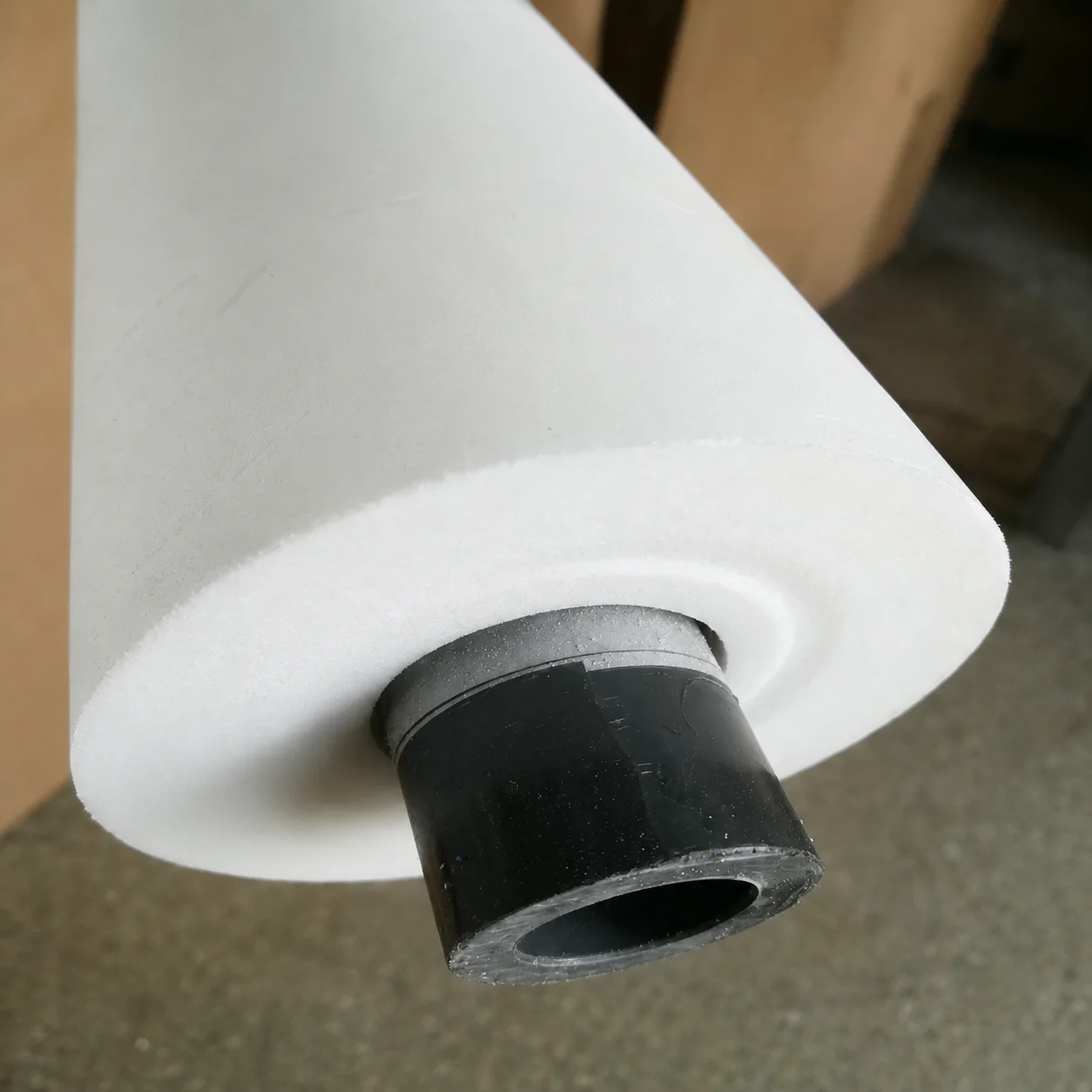
Industrial Sponge Roller Applications
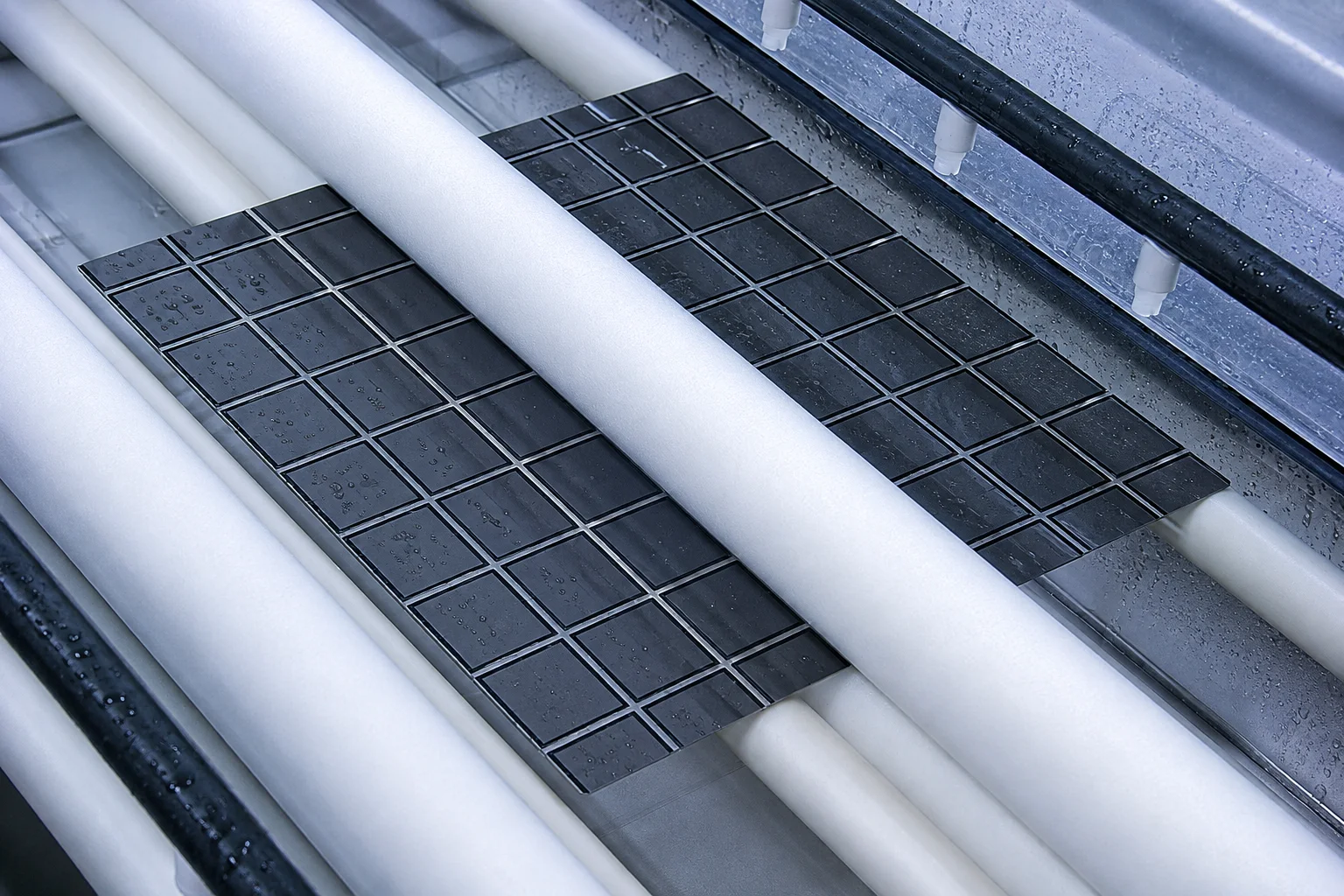
- Glass & Flat-Panel Dewatering
Sponge rollers absorb rinse water after washing and maintain compliant contact across glass or flat-panel surfaces before downstream drying.
View Glass Processing → - PCB & Electronic Substrate Dewatering
Installed after rinsing to remove residual water from PCB and electronic-substrate surfaces; sponge grade and contact pressure are selected for the required surface condition.
View Semiconductor & ESD → - Stainless Steel & Aluminum Sheet Dewatering
Continuous sponge contact removes wash water from stainless-steel or aluminum sheet before drying, inspection, or the next process stage.
View Metal Processing → - Film & Resin Web Moisture Removal
Compressible sponge rollers remove residual liquid or provide controlled wiping contact on continuous film and resin webs.
View Packaging →
Custom Colors, Styles & Dimensions
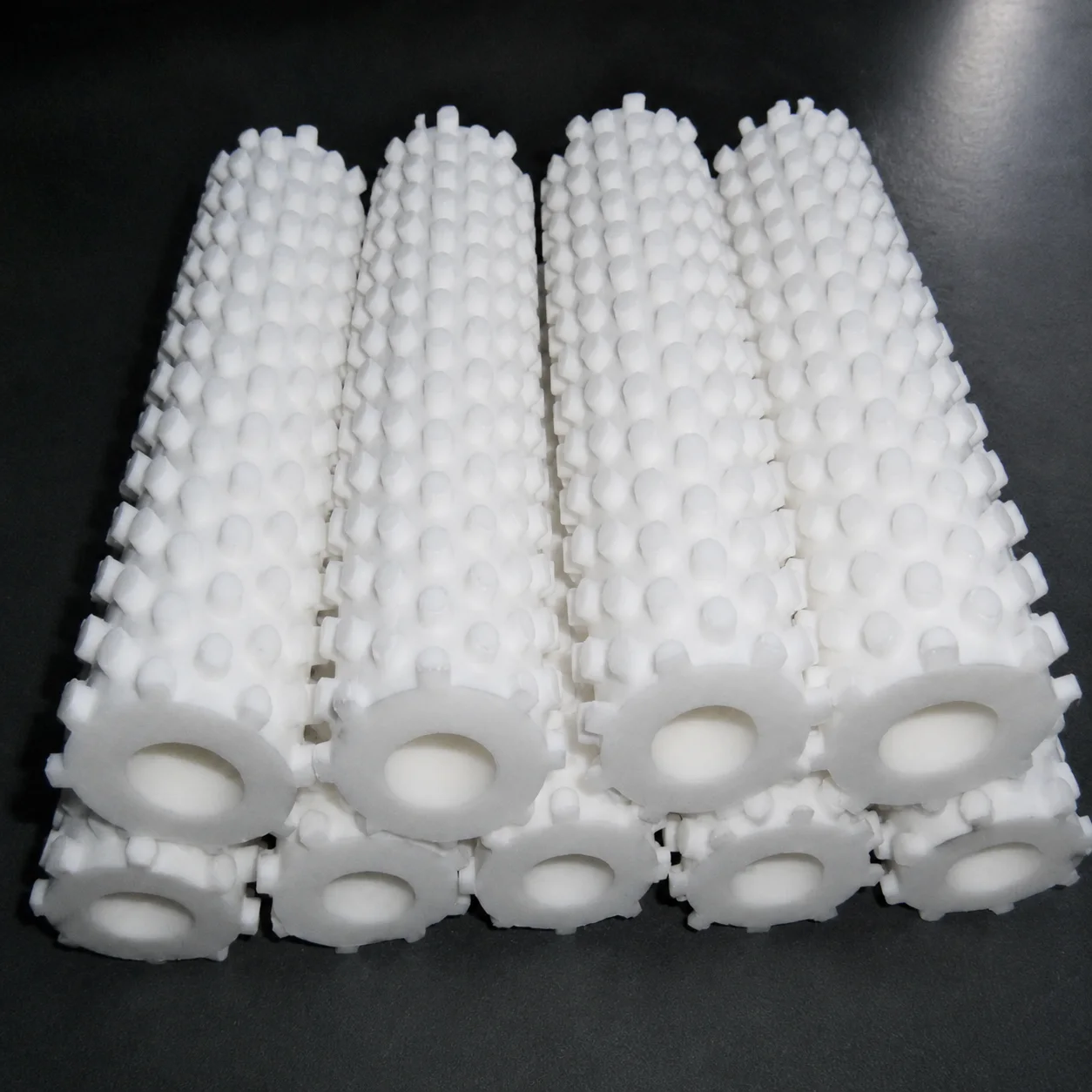
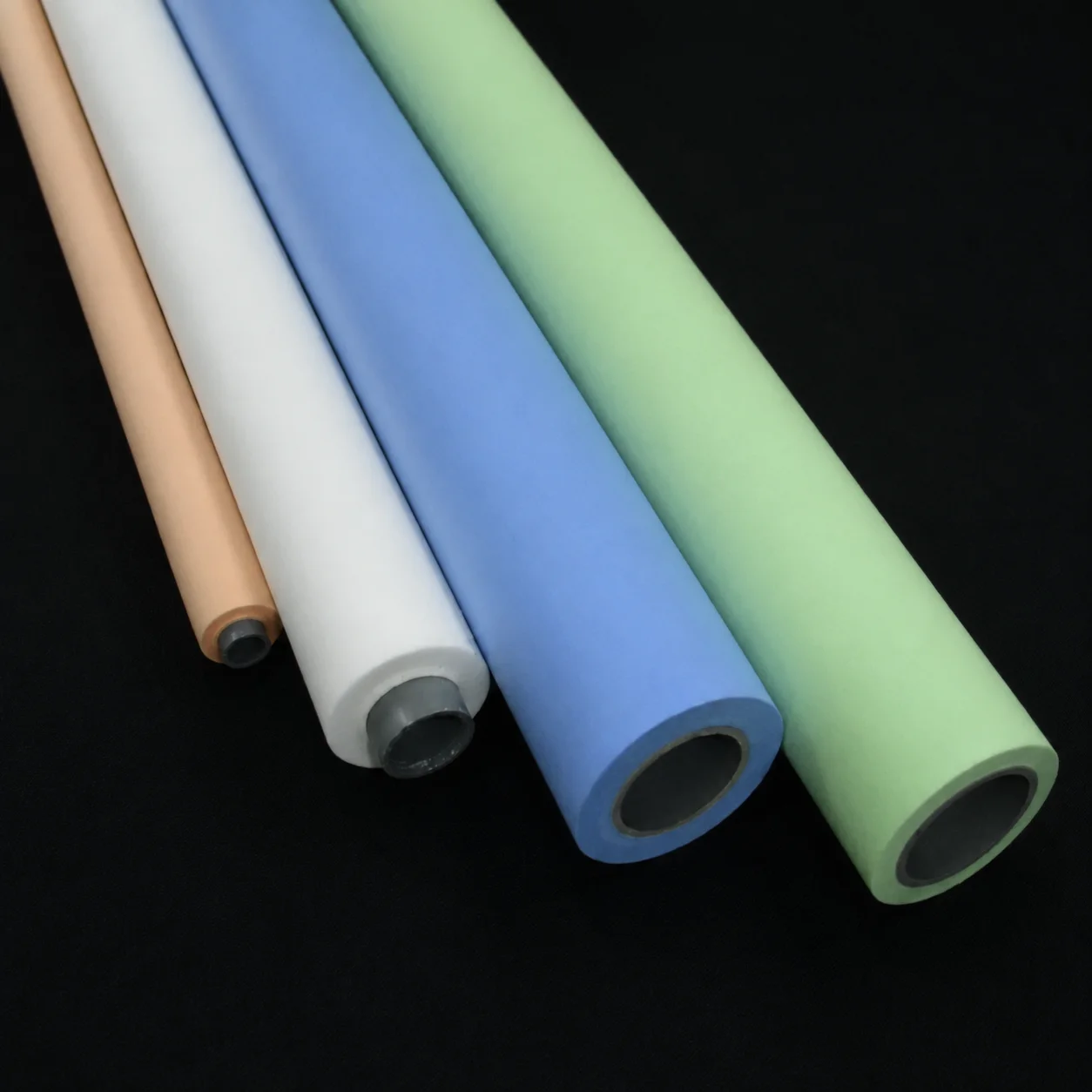
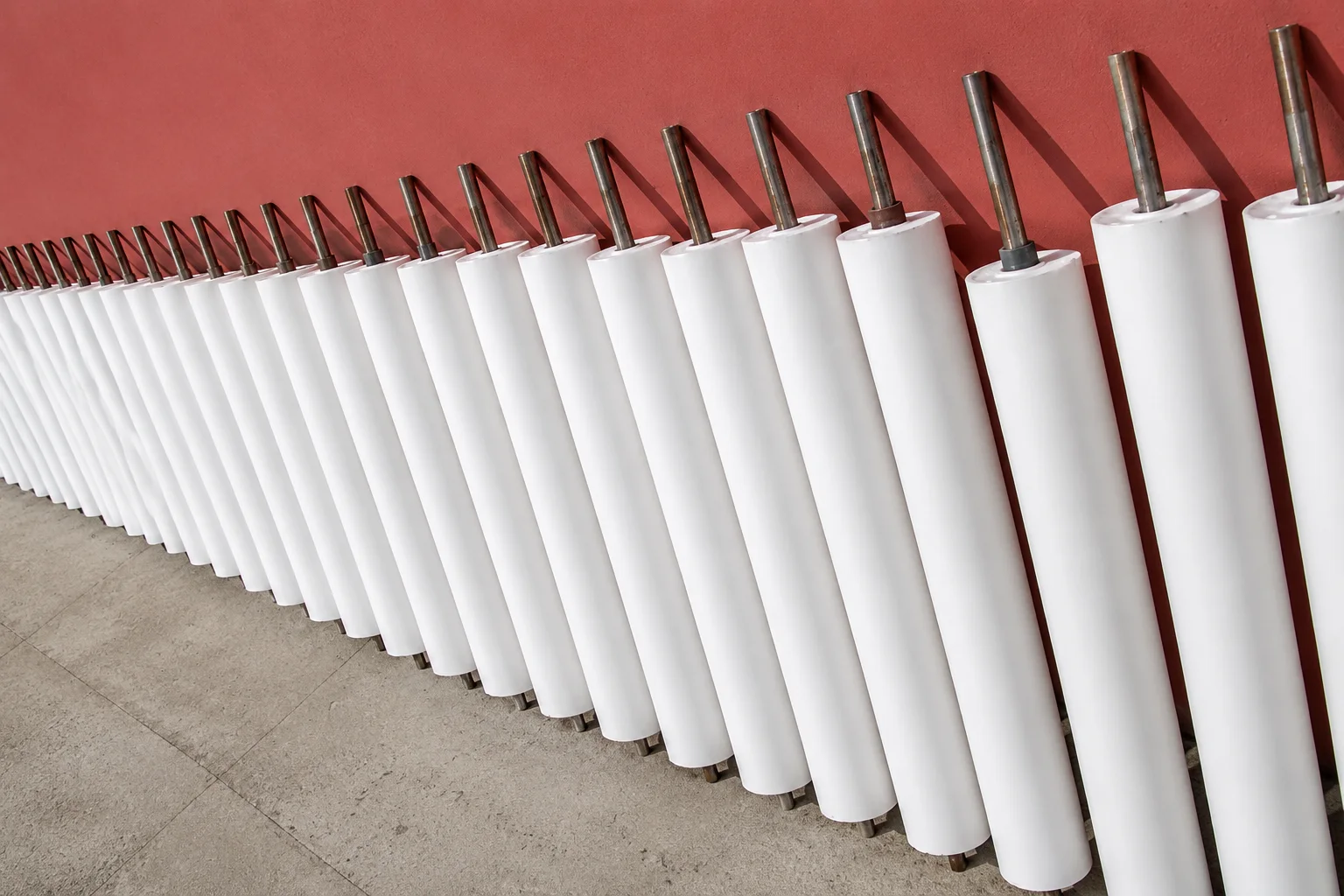
We manufacture PVA sponge rollers from your approved drawing for OEM, replacement, and large-volume orders. Custom roller assemblies can be made up to 2.4 m long with a PVC, nylon, carbon-steel, or stainless-steel core or shaft construction. Outside diameter, inside diameter, working length, surface profile, shaft ends, and mounting details are confirmed for the equipment.
Packing for Volume Orders
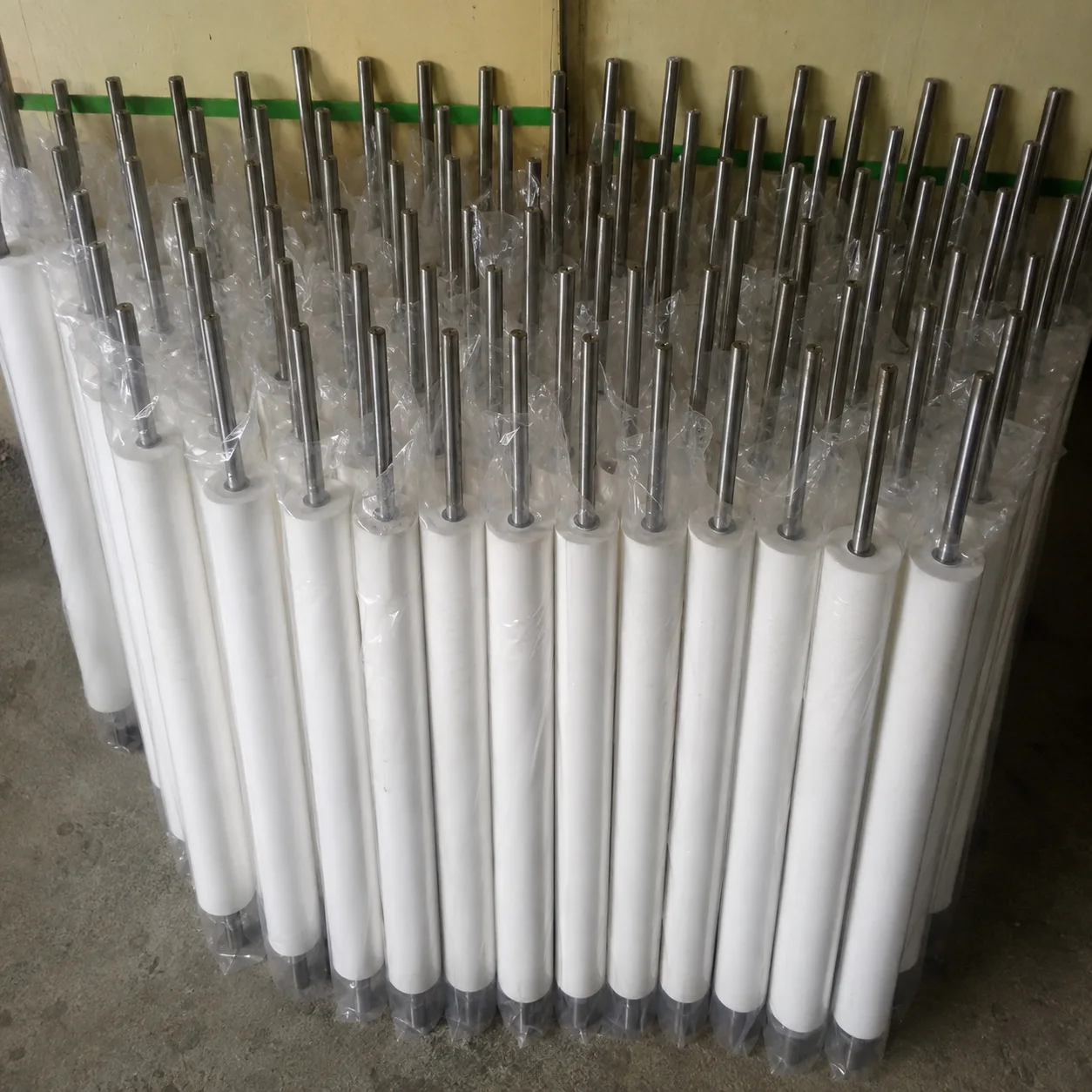
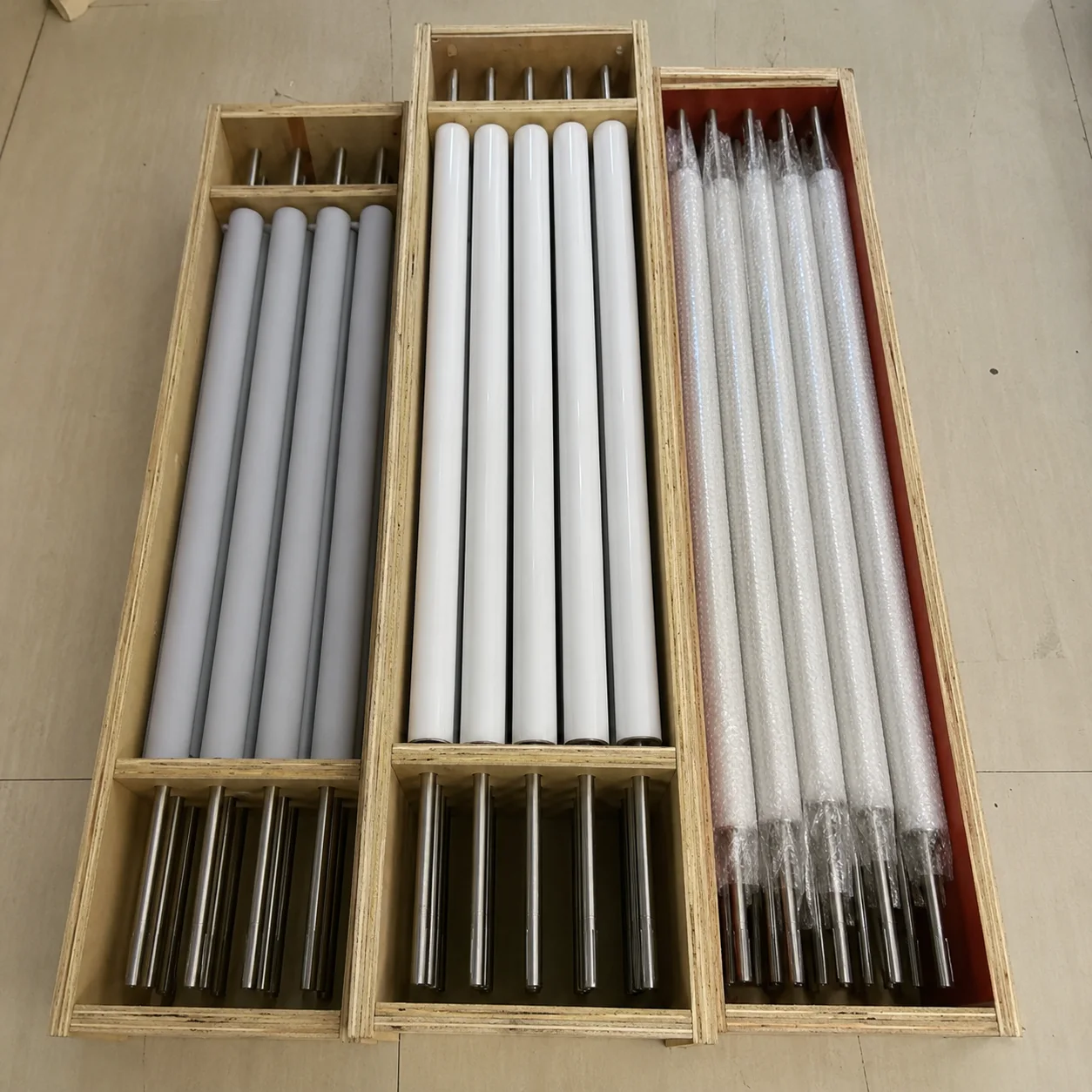
We support repeat and volume production of custom industrial sponge rollers. Finished rollers are organized by order and individually wrapped where required to protect the sponge surface and shaft ends during handling.
For shipment, rollers can be arranged in partitioned plywood cases to reduce surface contact and movement in transit. The packing method is selected according to the roller dimensions, surface condition, order quantity, and destination.
FAQ
How should pore size, porosity, and wet hardness be specified?
These properties must be reviewed together. Pore structure affects liquid flow and particle contact, porosity and density affect retention and mechanical strength, and wet hardness affects contact and compression on the workpiece. Use the actual PVA grade data and, for a critical process, verify the result with a representative sample instead of transferring values from another supplier.
Can a different PVA grade replace an existing sponge roller?
Not from dimensions or color alone. Compare the pore structure, wet hardness, water retention and release behavior, chemical exposure, operating temperature, finished wet dimensions, surface profile, core attachment, and runout requirement before approving a substitute.
Why does the sponge roller become hard when dry?
Many PVA-based sponge grades become firm when dry and soften again after absorbing clean water. Do not run or force a dry or partly softened roller; follow the approved pre-wetting instructions before startup.
Can the roller be used with acids, alkalis, or process chemicals?
Compatibility depends on the exact sponge grade, chemical, concentration, temperature, and exposure time. Send the process-liquid information for review instead of assuming that a water-service grade is suitable.
What should be checked when water removal becomes uneven?
Check that the sponge is fully and uniformly wetted, the contact pressure is even across the roller, drainage is not restricted, and the roller runs within the required alignment and runout. Also inspect for clogged pores, embedded particles, surface damage, chemical swelling, and changes in line speed or process liquid.
Need Custom Industrial Sponge Rollers?
Send your drawing with the required material, dimensions, color, roller style, operating temperature, process liquid, and order quantity. We will review the sponge surface and machine interface before quotation.