Industrial Brush Manufacturers, Suppliers & Companies
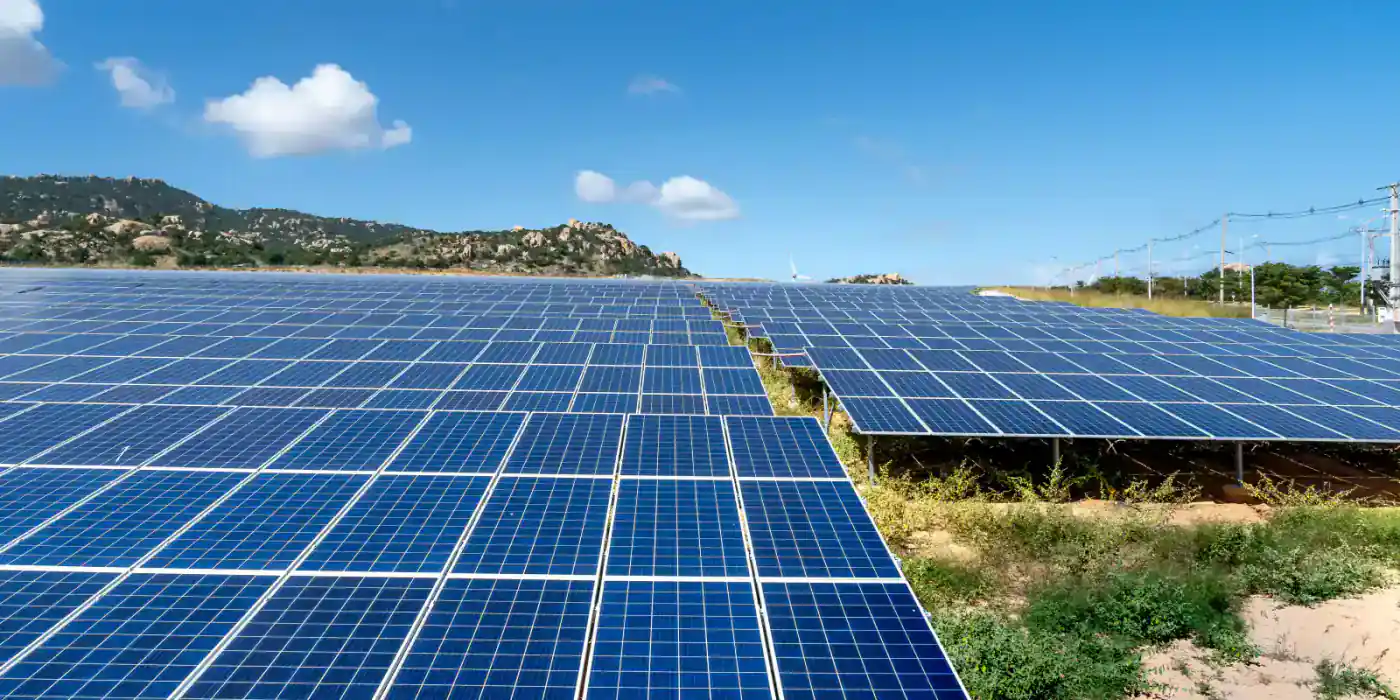
Solar panel cleaning brush application for industrial solar cleaning and maintenance systems

Custom Solar Panel Cleaning Brushes

Custom solar panel cleaning brushes for OEM cleaning systems, replacement assemblies, and O&M projects where reliable cleaning, panel-safe contact, and repeat fit matter.

Solar Cleaning Systems

Built for Solar Cleaning Systems

Custom brush assemblies matched to system layout, contact pressure, and replacement cycle.

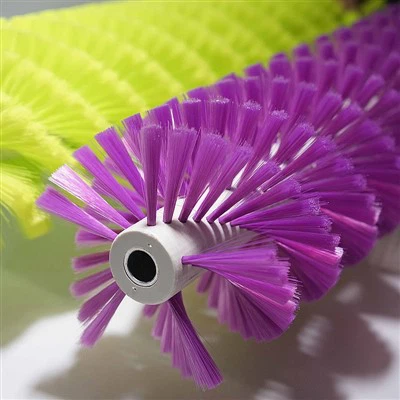
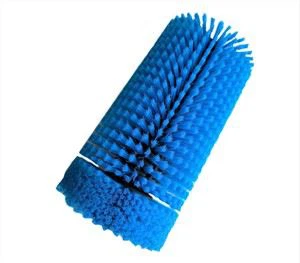
Solar panel cleaning projects usually need more than a general-purpose brush. The brush has to work with the cleaning system, run consistently across long panel rows, and remove dust or residue without creating unnecessary surface risk. In many projects, the brush is built as part of a rotating solar panel cleaning roller brush assembly, so fit, recovery, and stable running matter as much as cleaning effect.

A solar panel cleaning brush that looks similar in a photo can still fail in the field if the shaft detail, working diameter, filament behavior, or cleaning pressure do not match the installed system. For that reason, buyers normally review the brush together with the machine layout, operating mode, and replacement cycle before moving forward.

Custom diameterFilament selectionOEM fitment
Custom Supply

Why Buyers Move to Custom Solar Cleaning Brushes

Solar cleaning projects often move to custom brush supply when standard replacement options no longer solve the real operating problem. The issue may be brush length, mounting detail, outdoor durability, dry or wet cleaning method, or the need to keep cleaning performance stable across repeated service cycles.

For OEM systems, the brush must match the machine architecture from the start. For replacement projects, the buyer usually needs a replacement solar cleaning brush that matches an existing assembly closely enough to avoid rework in the field. In both cases, the buying decision is less about finding a generic brush and more about whether the brush can run correctly, protect the panel surface, and stay available for repeat supply.

01

Match the Installed System

Length, outside diameter, shaft detail, bore, hub, mounting geometry, RPM, and balance requirement all affect whether the brush fits, rotates smoothly, and runs correctly.

02

Protect the Panel Surface

Solar panel cleaning brushes usually use soft synthetic filaments selected for surface protection, cleaning method, outdoor exposure, and replacement life. The material should be confirmed together with filament diameter, trim length, brush density, rotation speed, and whether the system is used for dry or wet cleaning.

03

Match Dry or Wet Cleaning

Dry cleaning is often used where water is limited or water quality may leave deposits. Wet cleaning is used when water-assisted removal is needed for sticky dust, bird droppings, biofilm, or industrial residue. Some sites use a hybrid method, so the brush should be selected around the real cleaning method, not only the machine photo.

04

Keep Replacement Supply Stable

Many buyers need not only one correct brush, but a repeatable supply program for maintenance cycles, installed fleets, or OEM rollout. For remote solar plants, spare brush availability can be as important as the first sample.

White synthetic solar panel cleaning brush filaments in a wet cleaning system
Material Selection

Common Filament Directions

Solar panel cleaning brushes usually use soft synthetic filaments selected by cleaning method, dust type, panel coating, and replacement cycle. For coated glass or anti-reflective surfaces, filament material should be reviewed together with filament diameter, trim length, brush density, contact pressure, and operating speed.

01

Soft PA / Nylon Filaments

A common direction for solar cleaning roller brushes and robot brushes where resilience, wear resistance, weather resistance, and stable contact are needed. Fine soft nylon filaments can help reduce surface risk on coated glass, while filament diameter, trim length, and density should be confirmed by the cleaning method, operating speed, panel condition, and site temperature exposure.

02

PBT / Polyester Filaments

Often selected where moisture resistance, shape recovery, and outdoor durability are important, especially for wet cleaning, repeated service, or humid operating conditions.

03

PP / PE Filaments

Used in some systems where lighter contact, water resistance, or cost control is required. Stiffness, wear life, and cleaning effect should be confirmed before production.

04

Split Bristles or Microfiber / Foam Options

Split bristles can increase dust contact area. In dry dusty conditions, EVA foam or PE microfiber felt may be considered where reducing hard-particle carryover is more important than aggressive brushing.

RFQ Specification Guide

What We Need to Quote Correctly

The fastest way to quote a custom solar cleaning brush project correctly is to review the same details the machine depends on. For replacement work, a drawing, marked photo, or measured sample is often enough to start. For new OEM projects, the brush should be reviewed together with the cleaning method, system layout, and expected service cycle.

Send Your Drawing

Equipment Type

Tell us whether the brush is used in a manual pole tool, truck-mounted cleaning arm, semi-automatic robot, or fully automatic installed solar cleaning system. These systems use different brush formats, lengths, mounting interfaces, and replacement cycles.

01

Cleaning Mode

Confirm whether the system is used for dry cleaning, wet cleaning, or both. Dry cleaning usually focuses on dust release and filament recovery. Wet cleaning places more attention on water resistance, residue removal, and compatibility with the system's approved cleaning method.

02

Working Dimensions

Brush length, outside diameter, working face width, and trim length affect contact coverage, running behavior, and how the brush follows the panel surface during service.

03

Mounting and System Fit

Solar cleaning brushes are often supplied as part of a robot, manual pole tool, truck-mounted arm, or fixed cleaning system. The brush should match the bracket, shaft, hub, adapter, and end connection used by the equipment. For replacement projects, even small differences in length, bore, or mounting detail can increase installation work, raise replacement cost, or affect how evenly the brush contacts the panel surface.

04

Filament and Contact Requirement

Provide the filament material if known, or tell us the dust condition, panel sensitivity, cleaning method, and expected contact level so the material, filament diameter, trim, and density can be reviewed correctly.

05

Operating Environment

Desert dust, rooftop exposure, humidity, dew, pollen, bird droppings, industrial dust, and long outdoor service cycles may all change the material and durability requirement.

06

Speed and Balance Requirement

For rotating solar cleaning roller brushes, provide the operating RPM, direction of rotation, and any dynamic balance requirement. This is especially important for long brushes, robot systems, and OEM equipment.

07

Replacement Reference

If this is a replacement job, send the current brush drawing, a measured sample, or clear photos with dimensions. That is usually the quickest path to confirming fit.

Project Paths

Common Solar Cleaning Project Types

Most solar cleaning brush projects fall into one of three practical paths. Keeping that distinction clear helps the buyer understand the next step quickly.

Close view of a solar panel cleaning brush assembly for replacement supply
01

Replacement Brush Supply

The buyer already has an installed system and needs the brush matched to the current assembly for repeat service.

Solar panel cleaning system with long brush assembly for OEM equipment build
02

OEM System Build

The buyer is developing or integrating a solar cleaning system and needs the brush reviewed as part of the machine design.

Installed solar cleaning brush system on a large panel row for fleet program supply
03

Fleet or Program Supply

The buyer needs a stable supply path for multiple sites, repeated maintenance cycles, or equipment rollout over time.

Start an RFQ

Need a Solar Cleaning Brush Matched to Your System?

Send your drawing, sample, or machine details. We can review fit, cleaning conditions, and replacement requirements before quoting.

Request a Quote