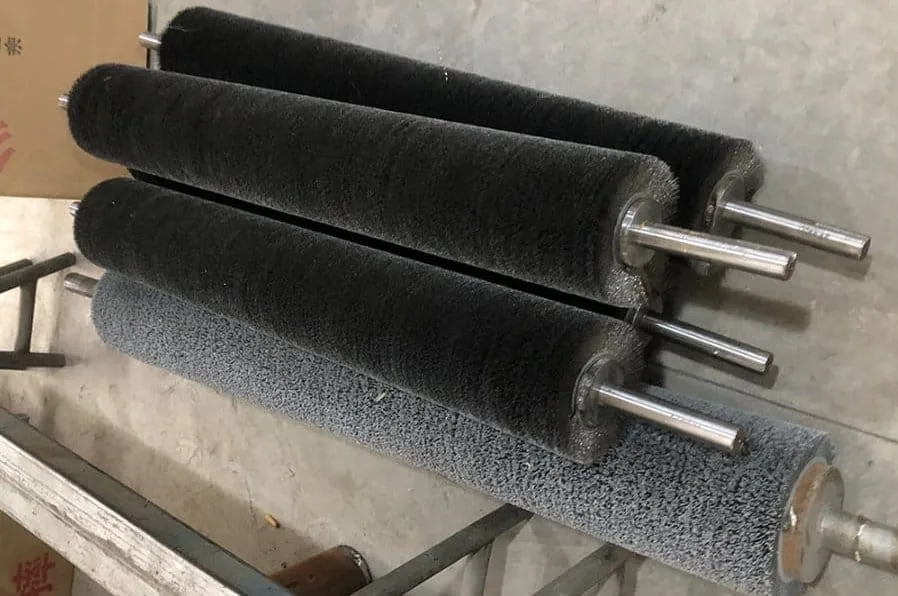
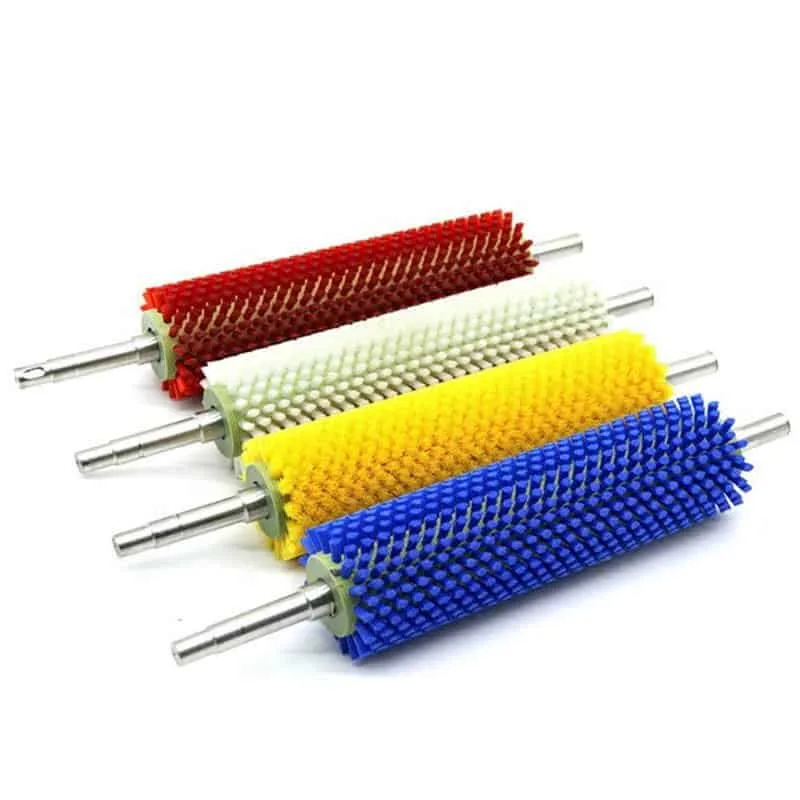
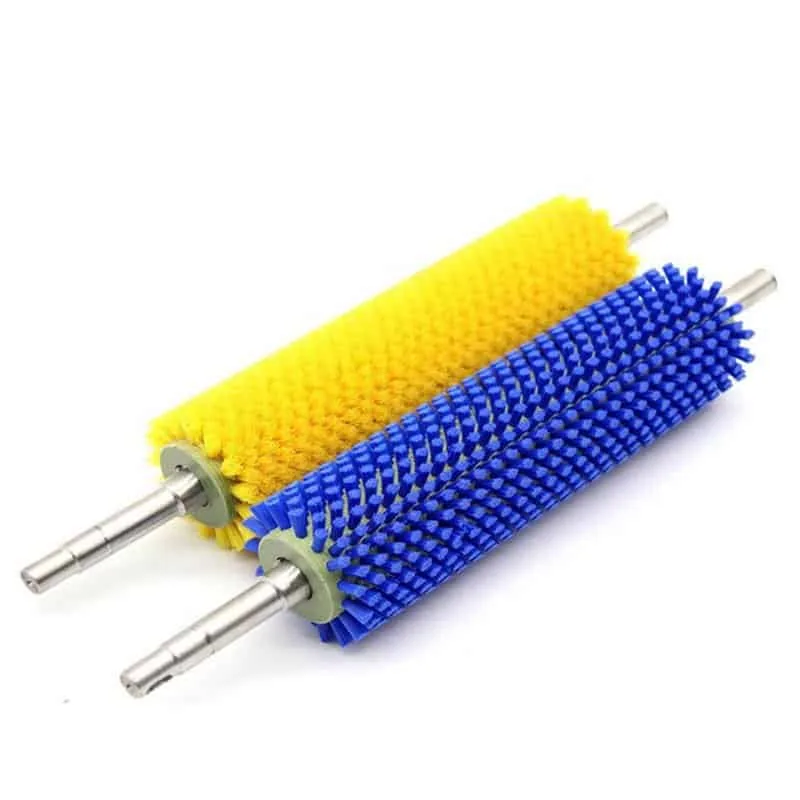
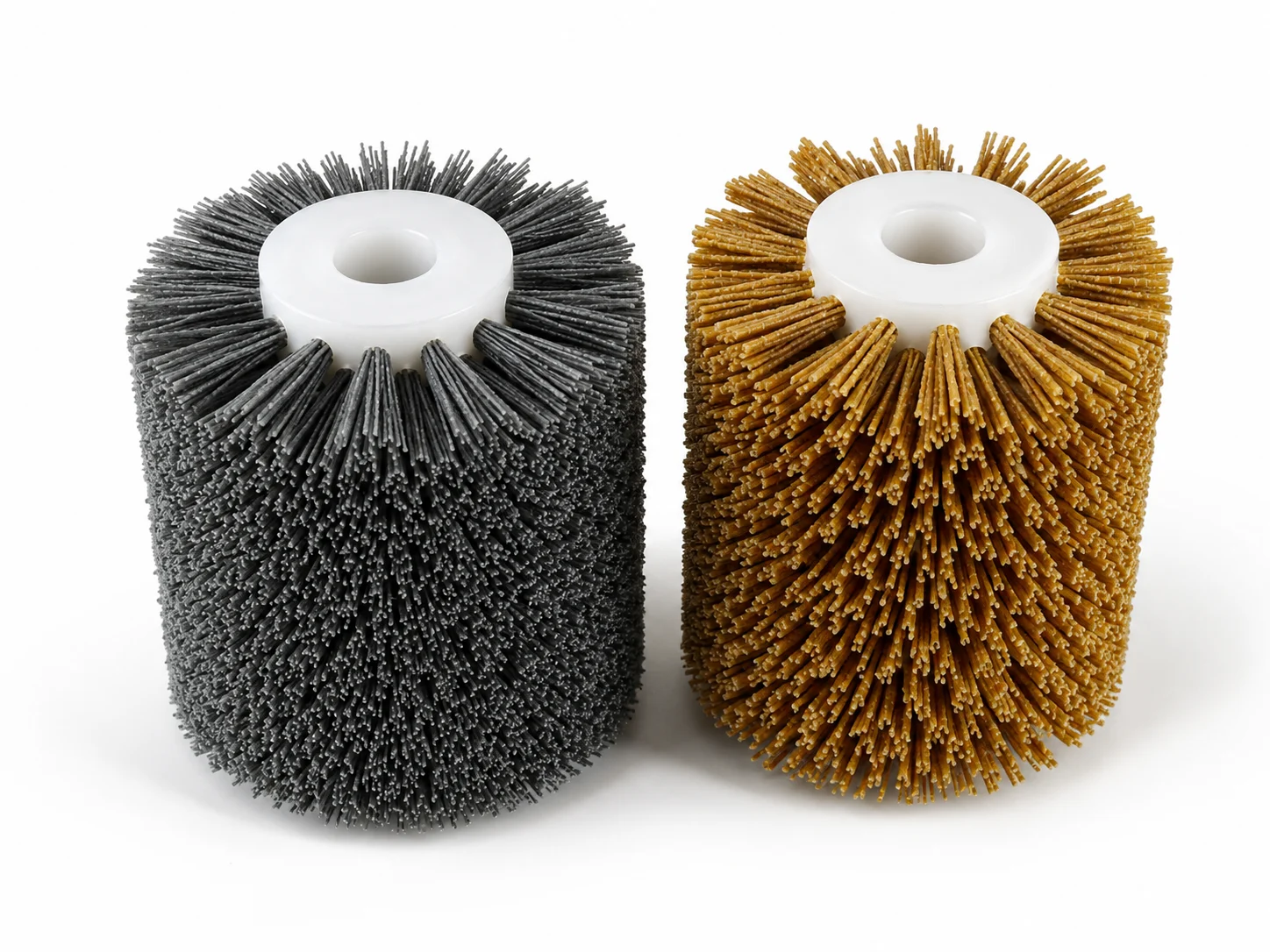
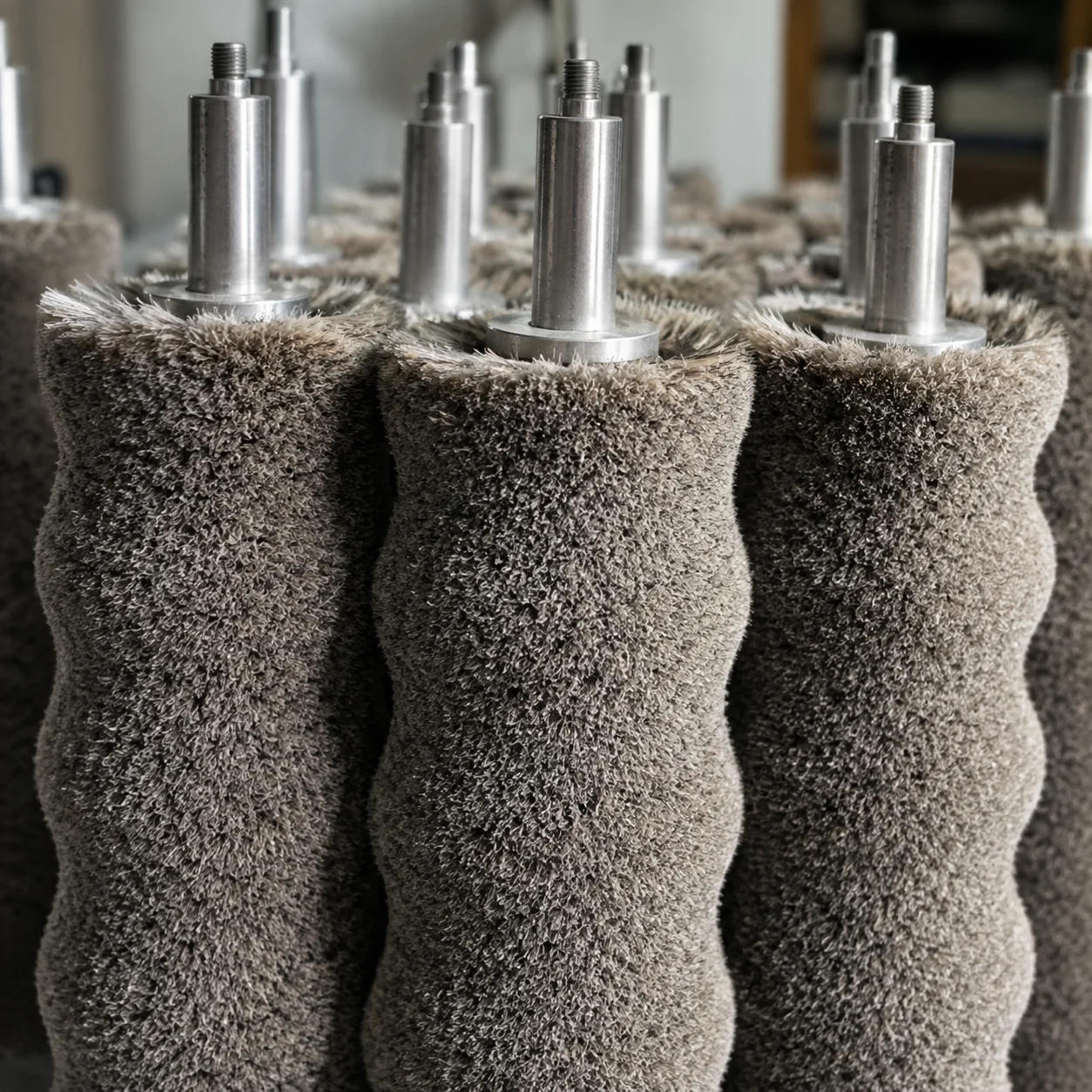
Tufted cylindrical roller
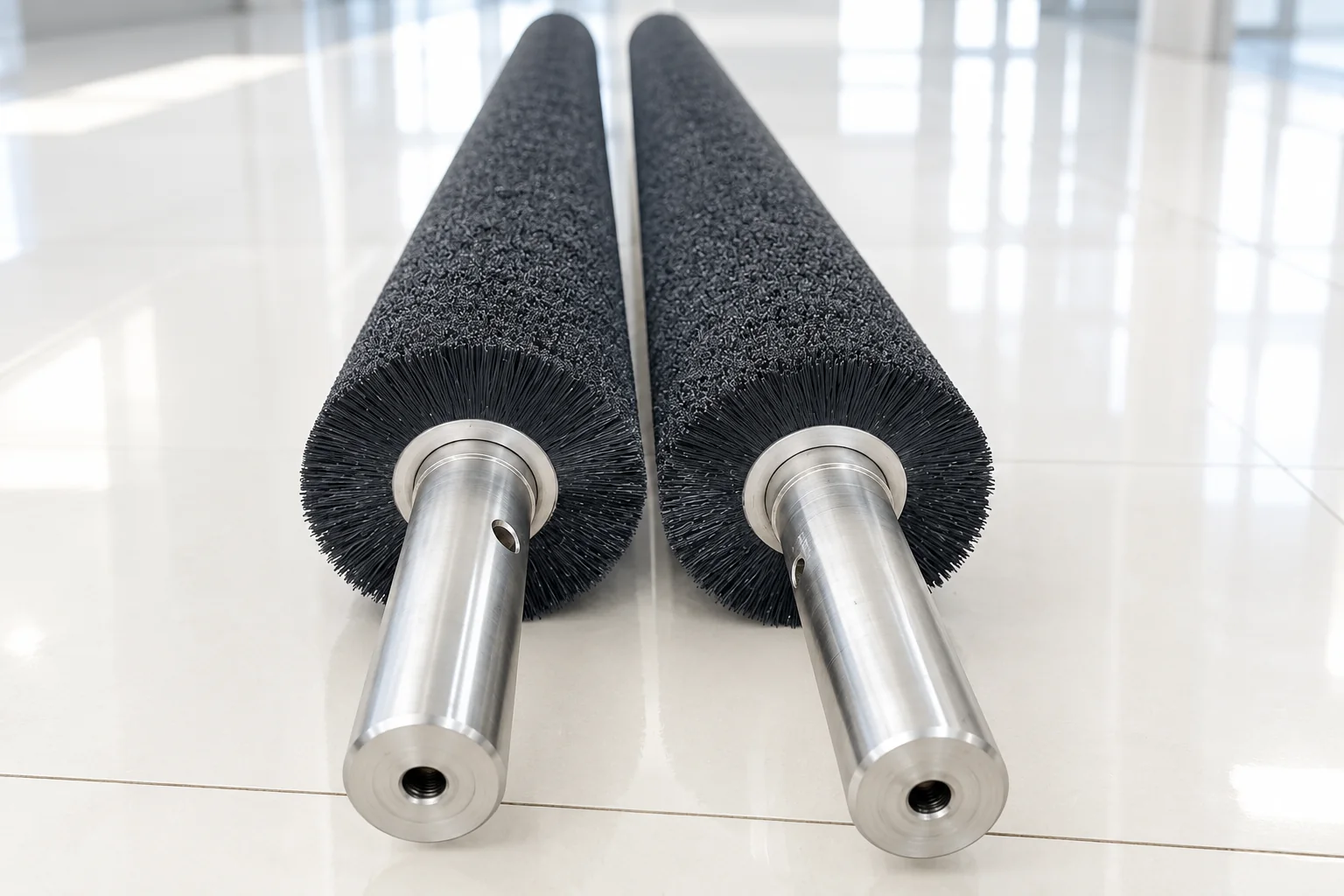
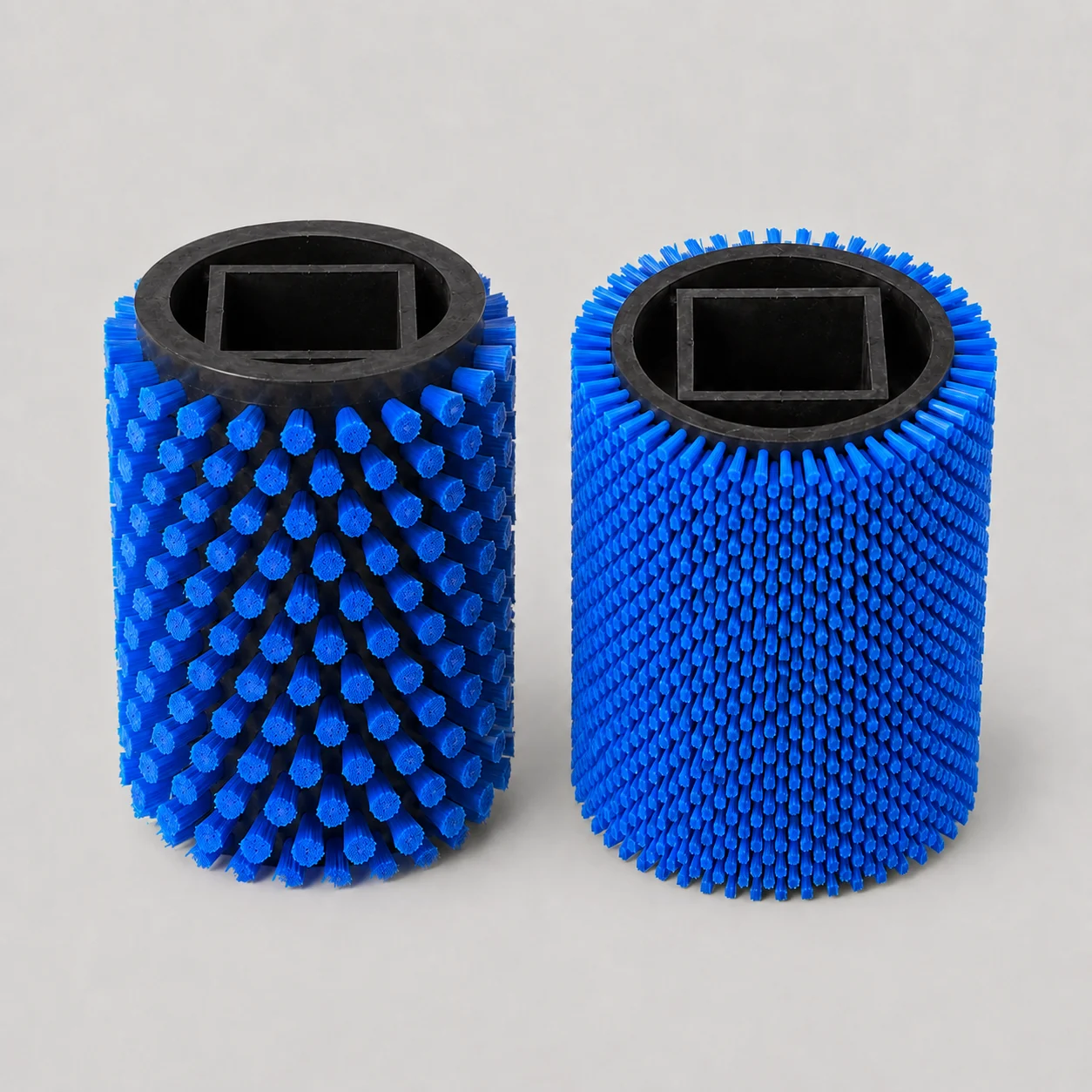
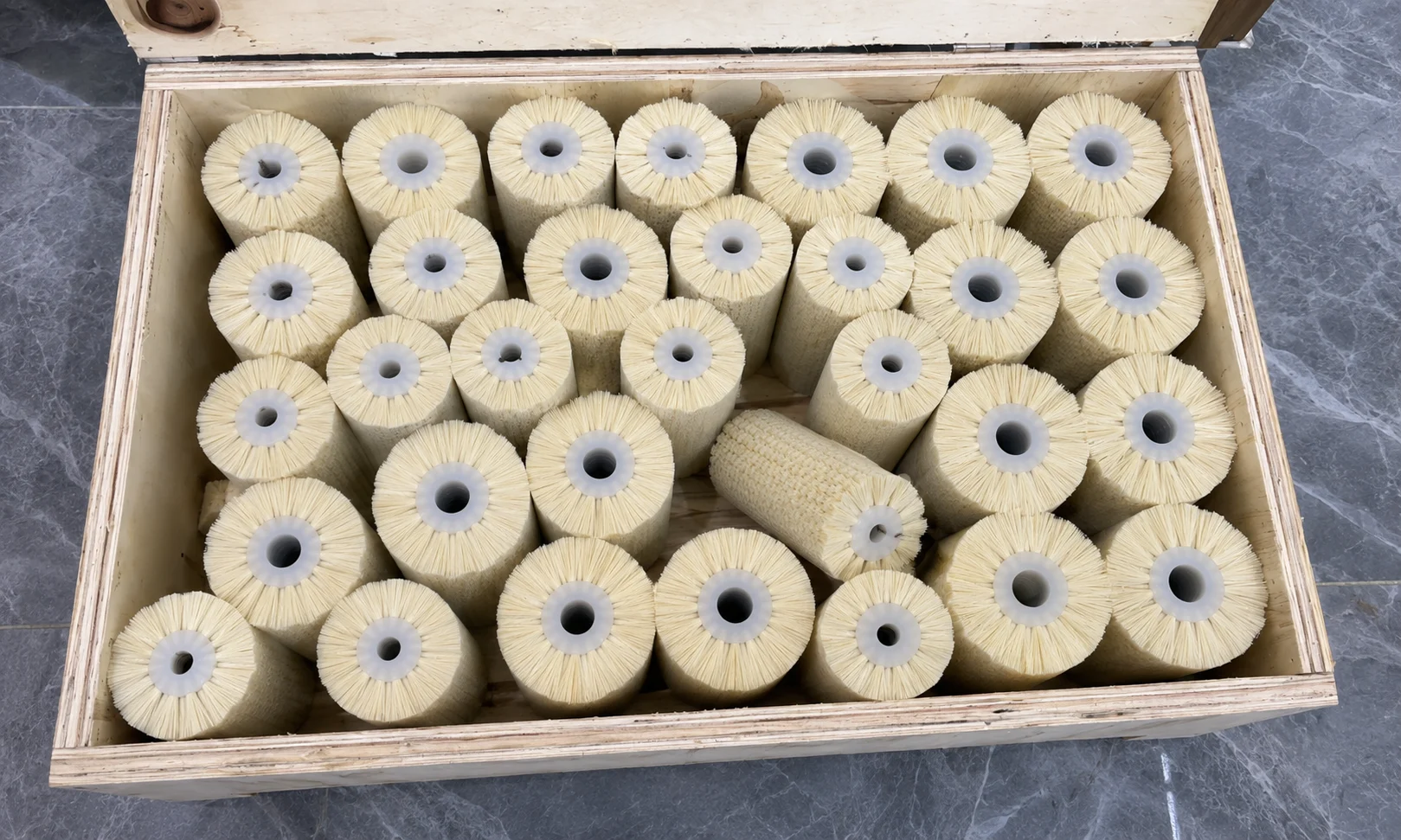
A staple-set roller brush with filaments planted into the body. Common for conveying, washing, wiping, product support, and general OEM equipment where stable full-width contact is needed.

Custom cylinder brushes and roller brushes built to your required OD, face length, shaft detail, trim, and filament specification for conveying, washing, wiping, solar cleaning, and OEM process equipment.
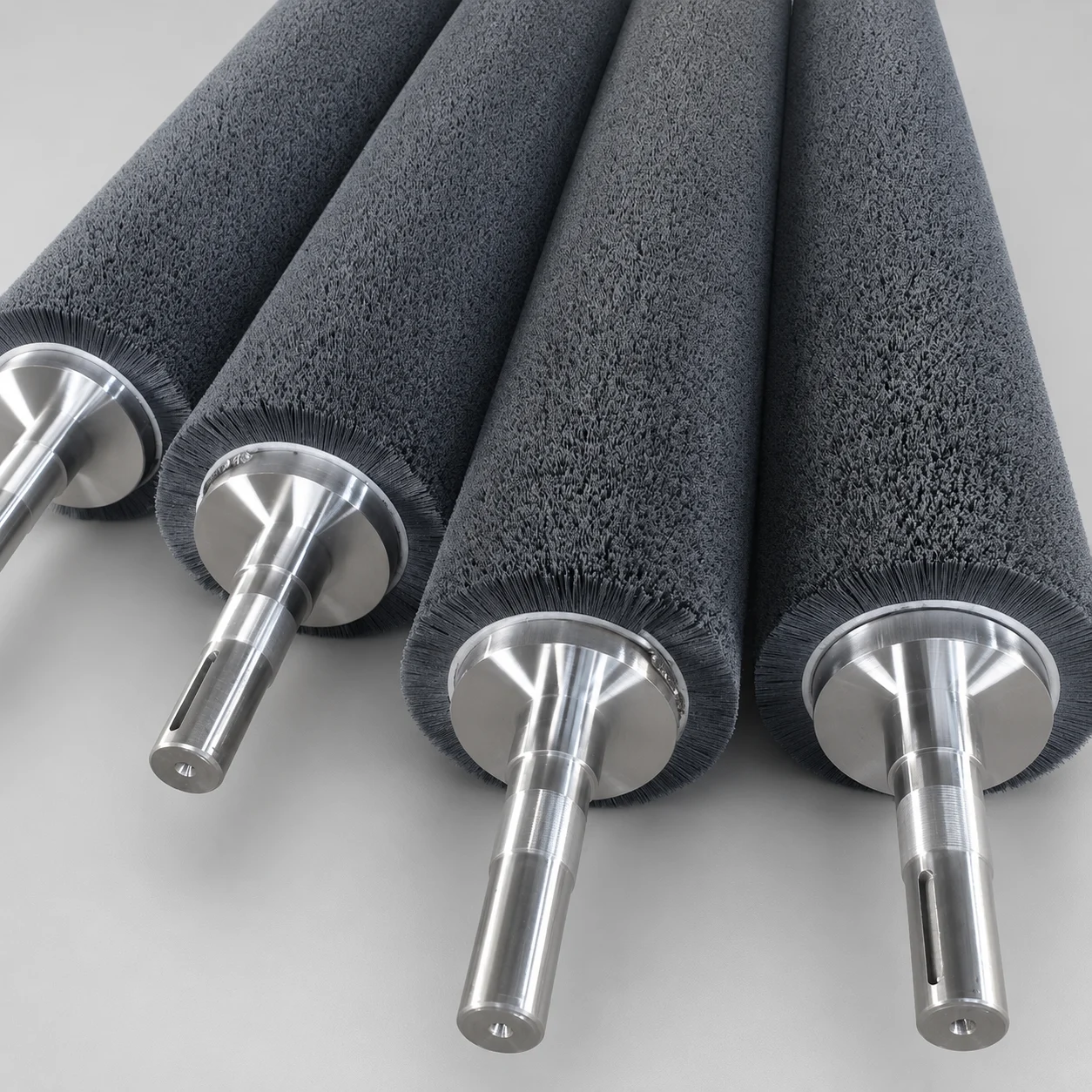
Request a QuoteA custom cylinder brush, also called a roller brush or cylindrical brush, is a rotating brush used where the working surface needs full-width contact across a product, belt, panel, or part.
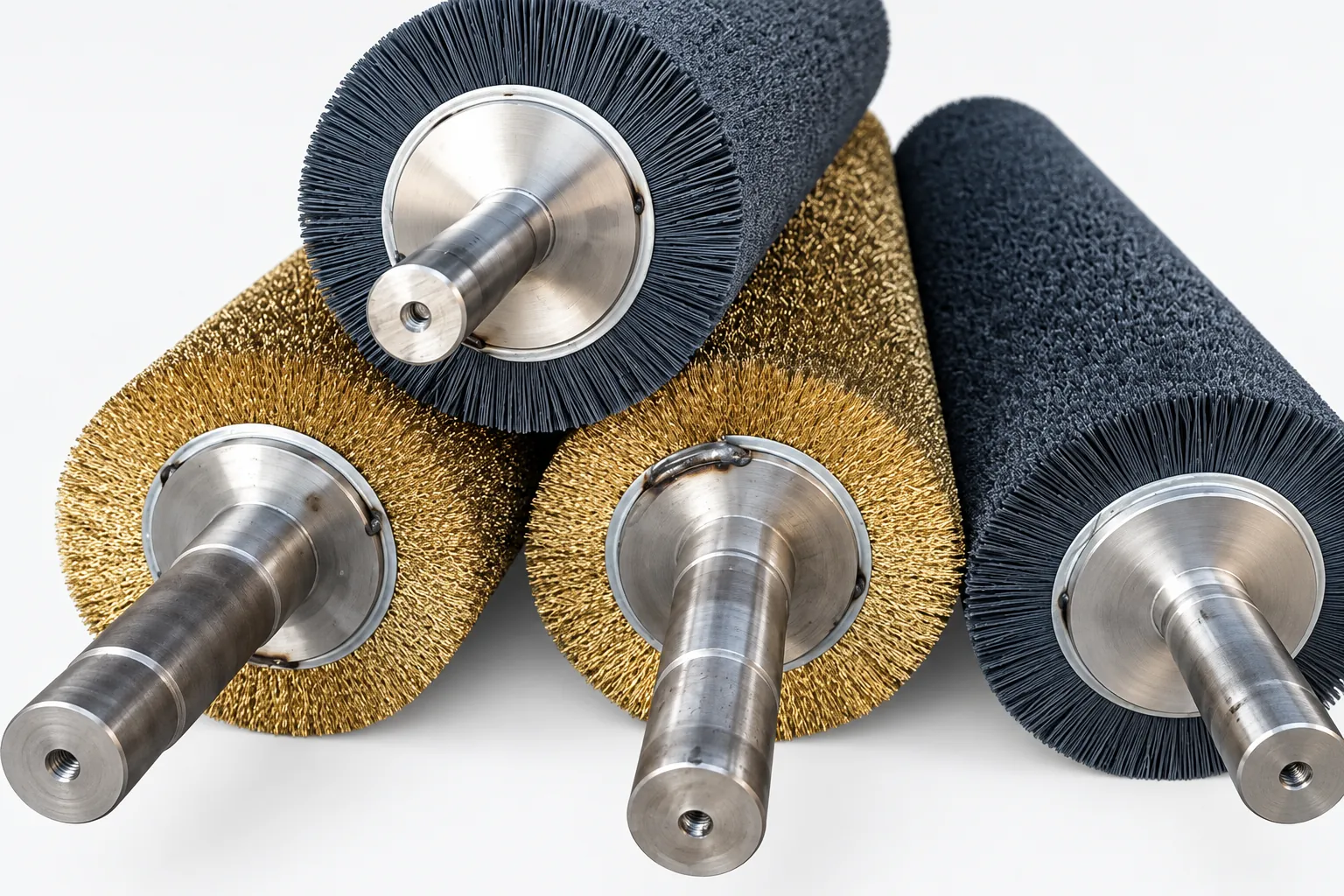
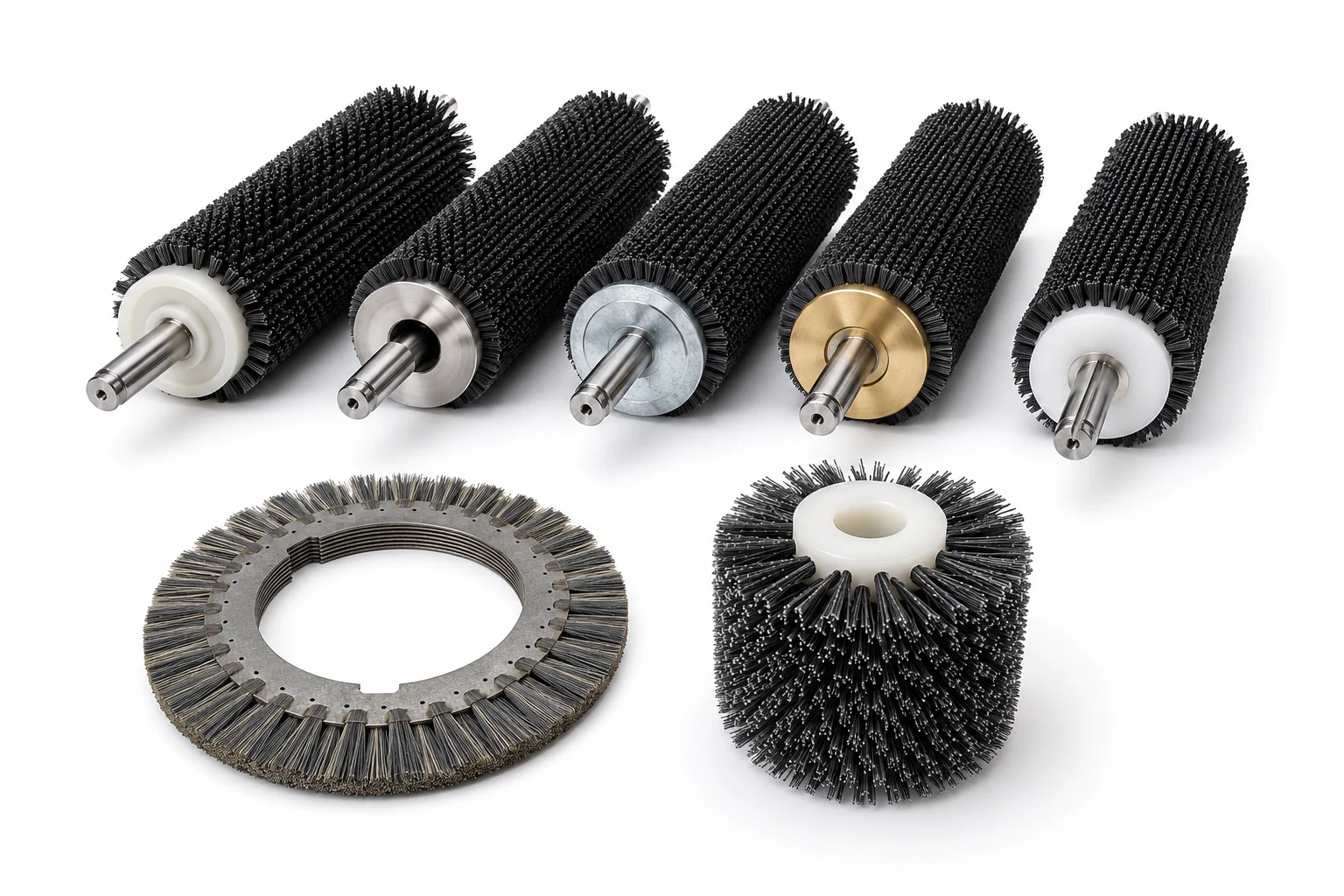
Common builds include tufted rollers and spiral-wound cylinder brushes. The right construction depends on finished OD, face length, shaft or bore detail, fill material, trim, RPM, surface sensitivity, and service environment.
In OEM and replacement work, the safest starting point is a drawing, measured sample, or clearly marked existing roller. Photos alone are usually not enough to confirm fit, contact pattern, or line performance.

Most custom cylinder brushes use either a tufted body or a spiral-wound brush strip. The construction is selected according to face coverage, density, mounting, and replacement requirements.

A staple-set roller brush with filaments planted into the body. Common for conveying, washing, wiping, product support, and general OEM equipment where stable full-width contact is needed.

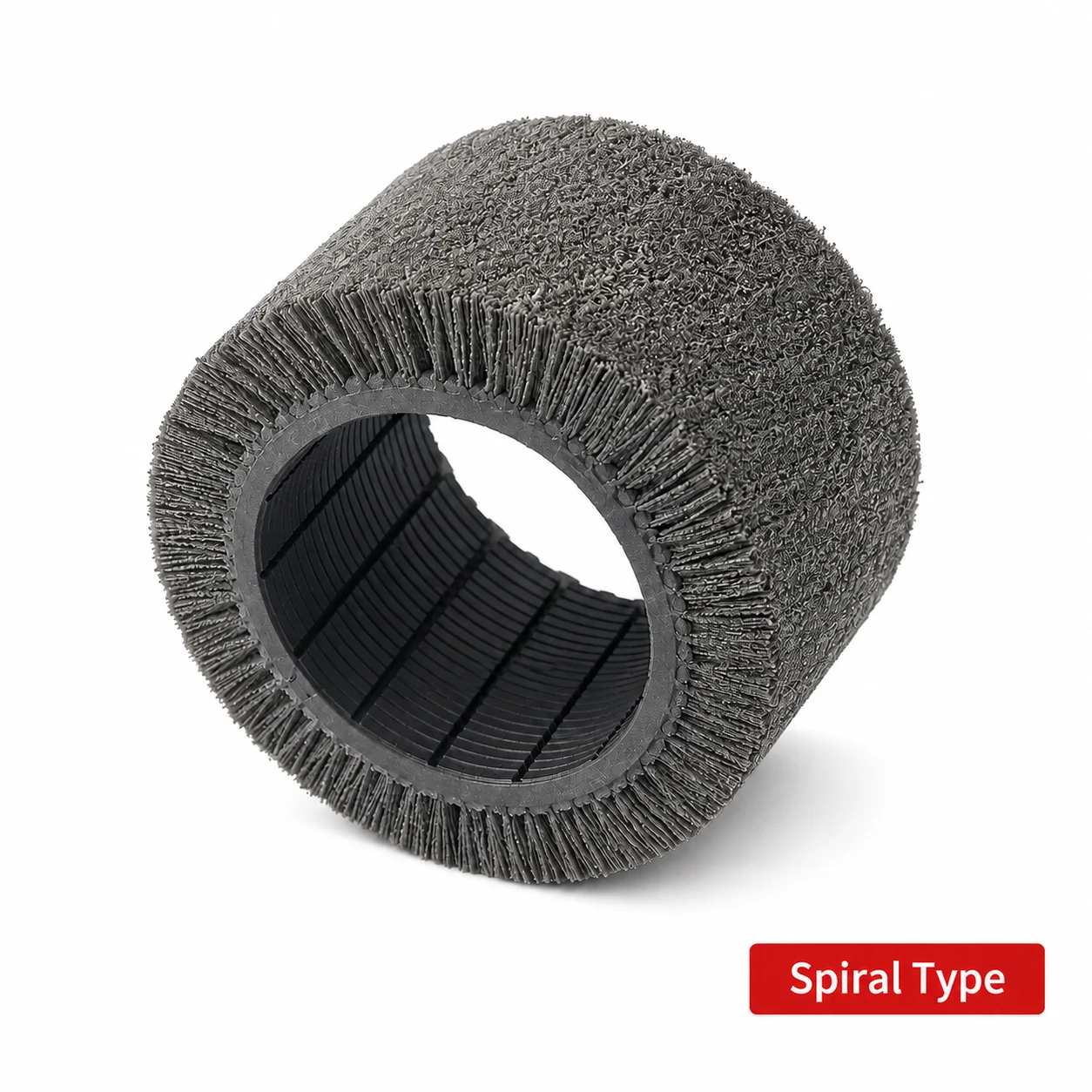
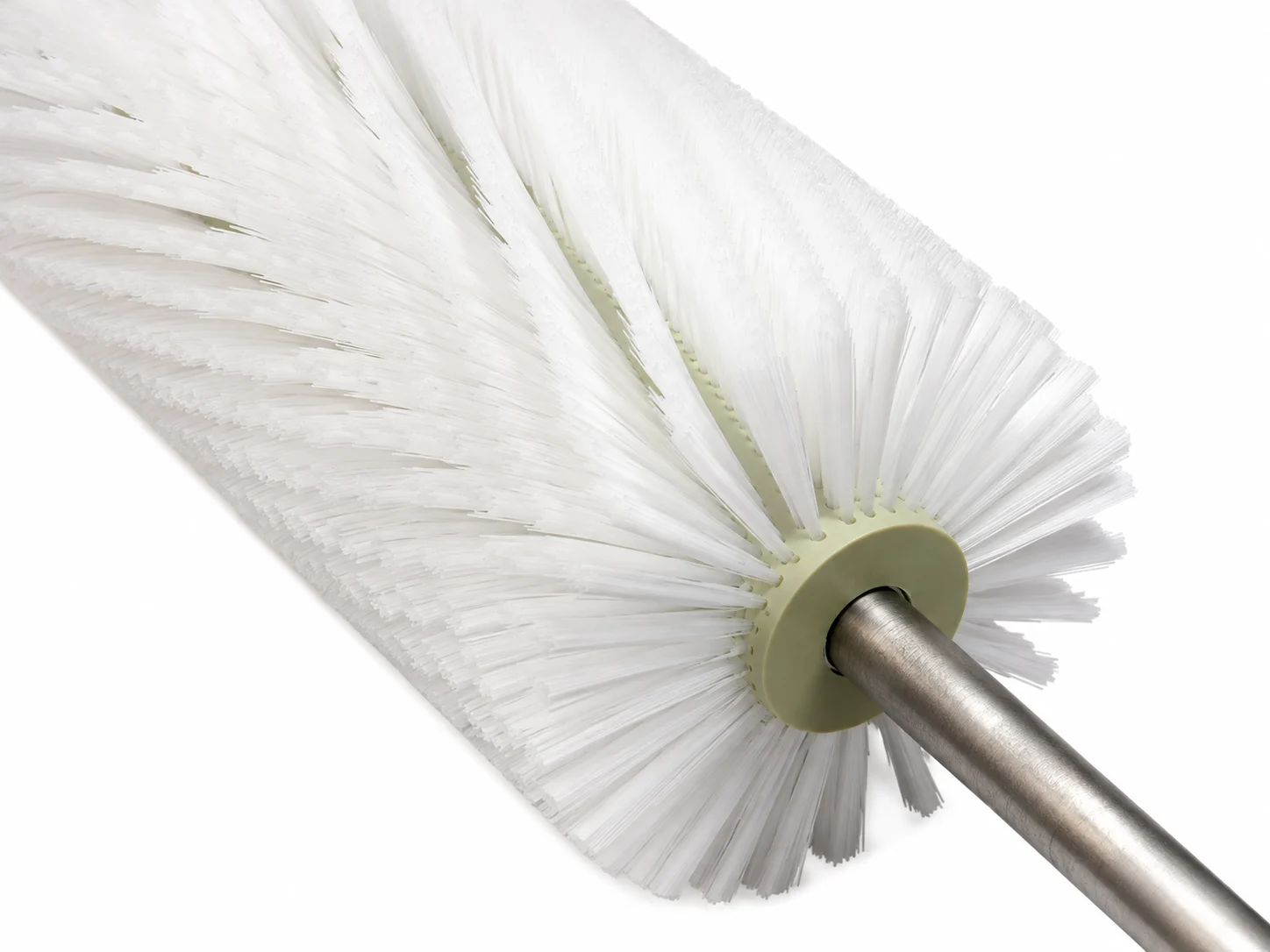
Brush strip or wound material is wrapped onto a tube or core to create an open-wound or dense continuous brushing surface for conveyor cleaning, broad contact, or longer process rollers.
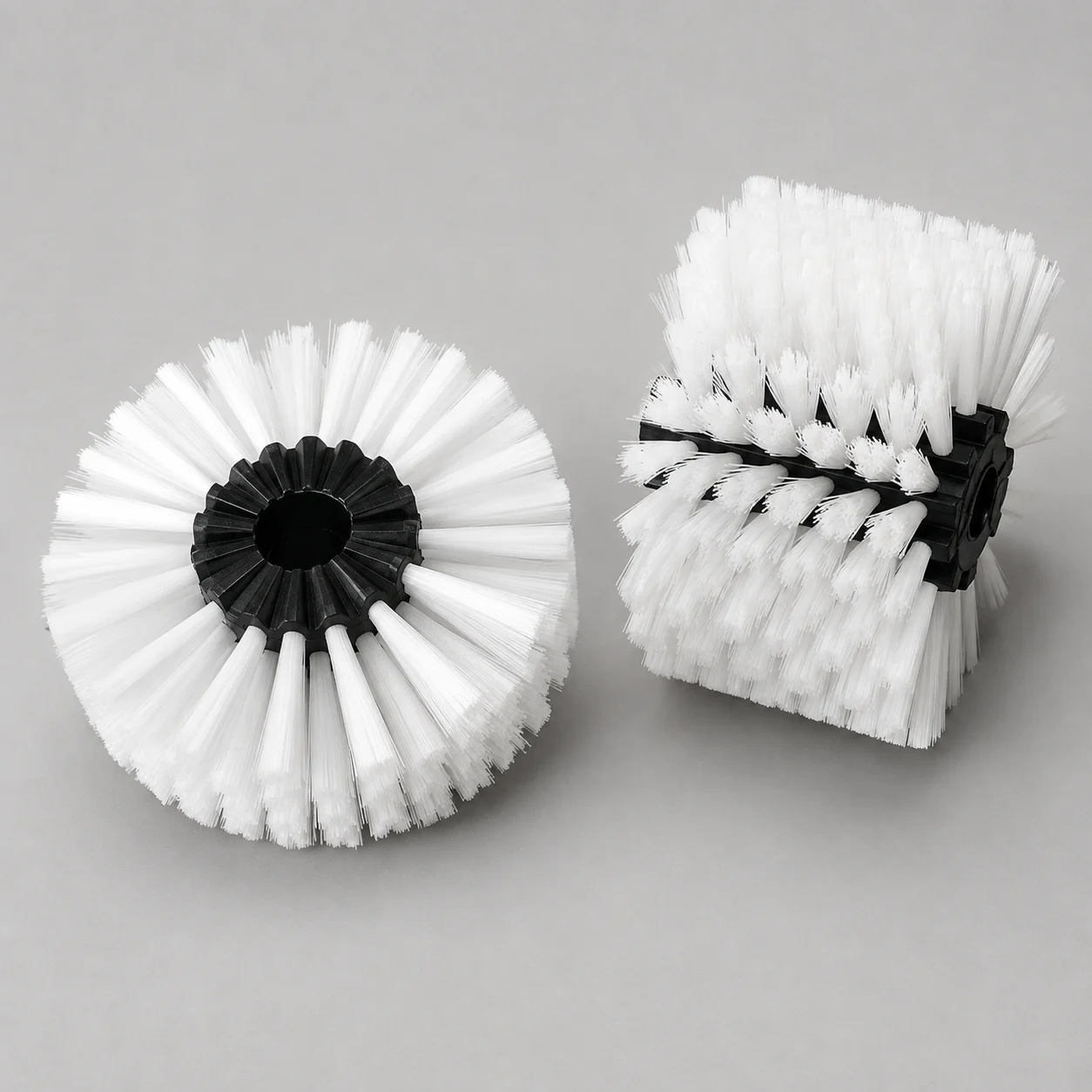
Segmented and split designs reduce replacement time, simplify installation, or build a longer working face from repeatable brush modules.
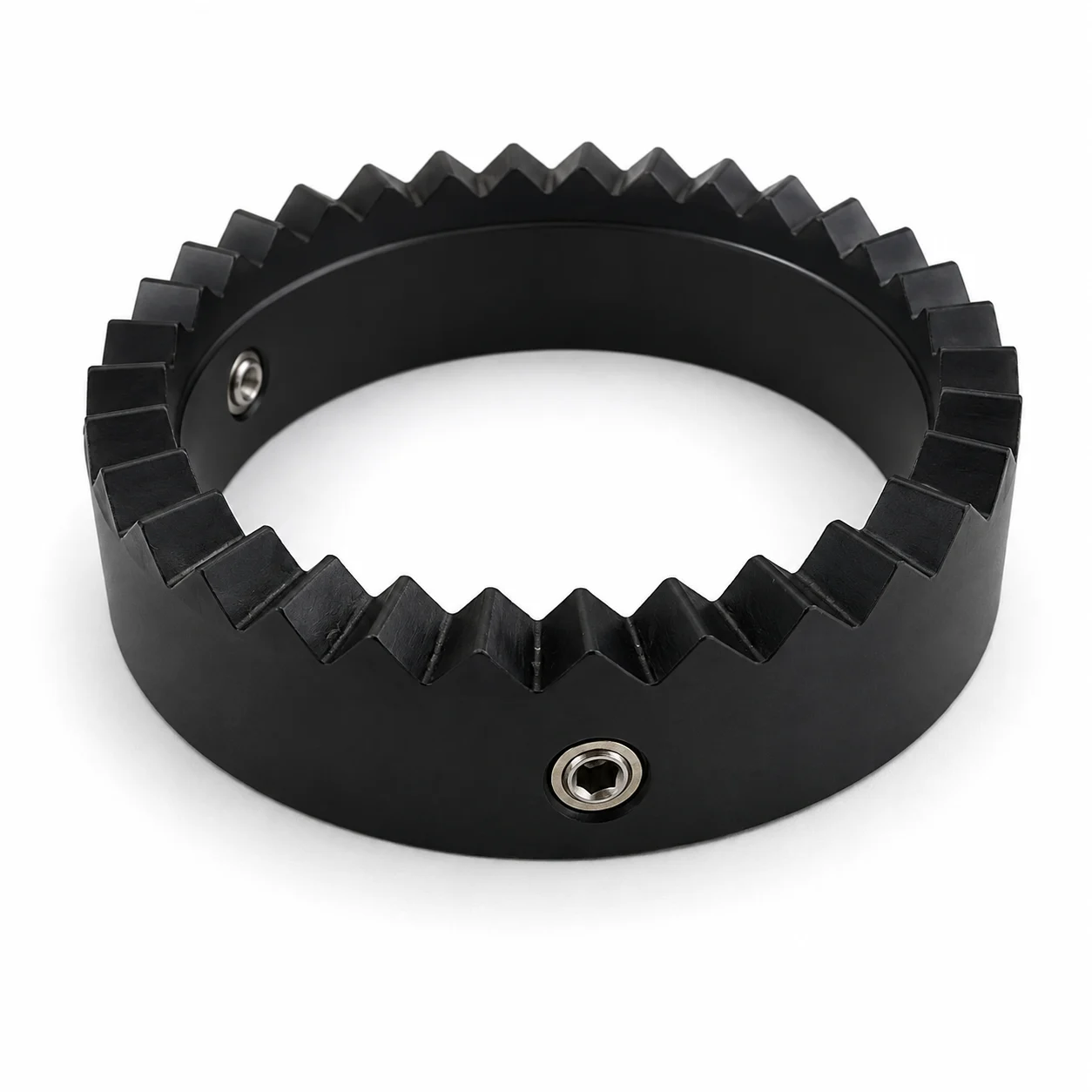
Toothed replaceable sections connect into a continuous brush face and are secured with end collars.

Interlocking quick-snap modules support faster assembly, replacement, and adjustment of the working face.

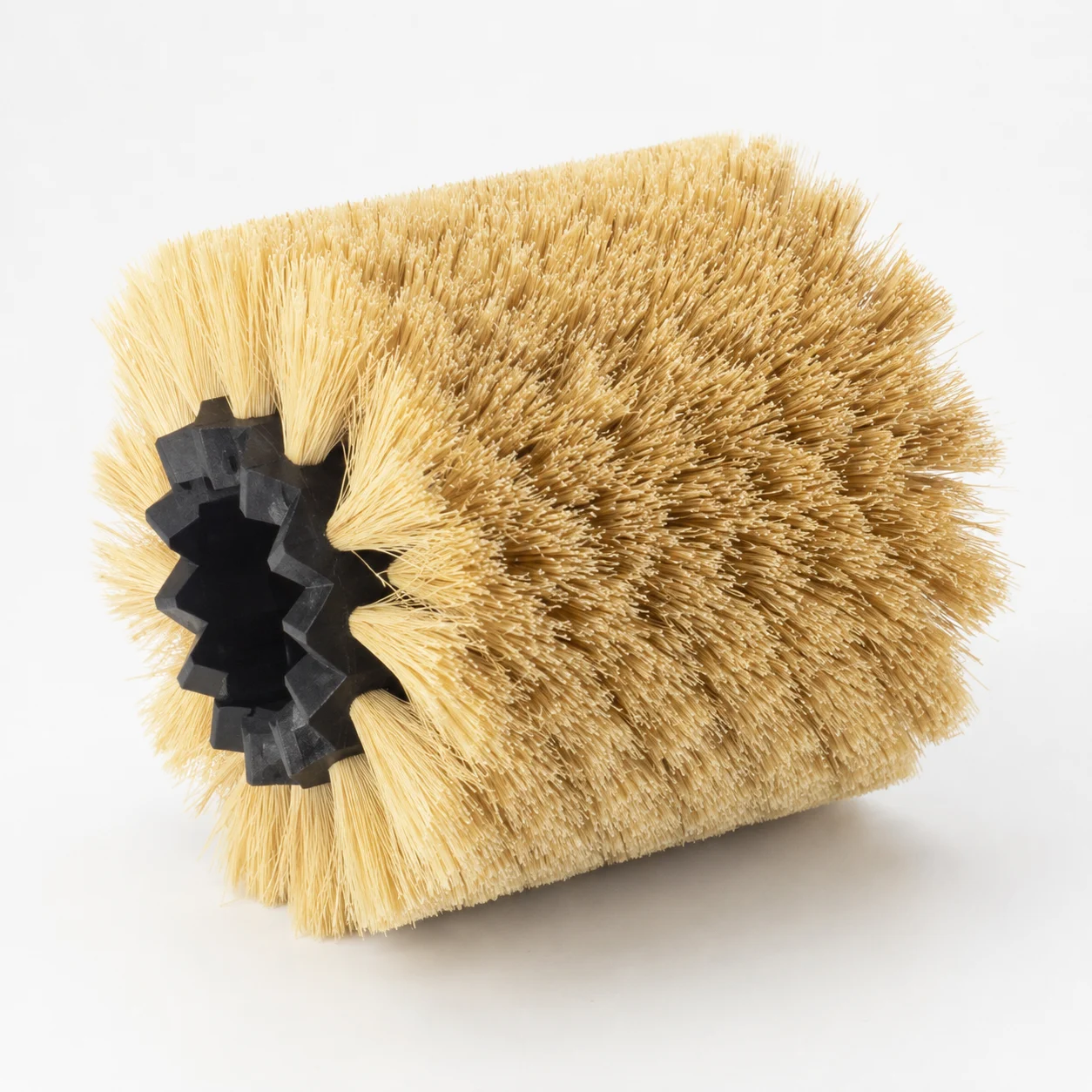
Square-bore sections provide positive location and stable drive when assembled on a matching square shaft.

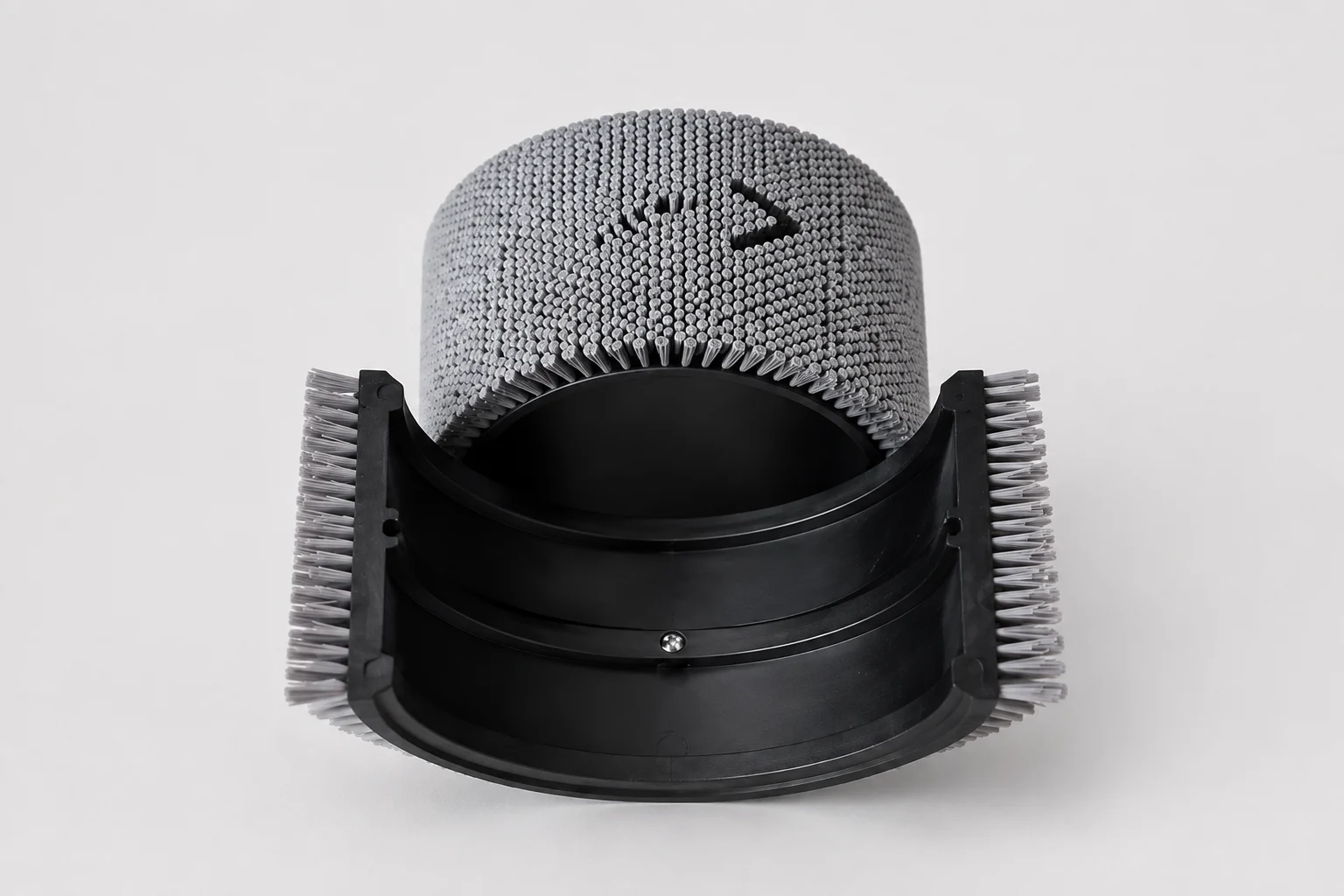
Split-core and semicircular brush bodies install around an existing shaft, reducing disassembly where bearings, drives, or surrounding machine parts make full roller removal difficult.

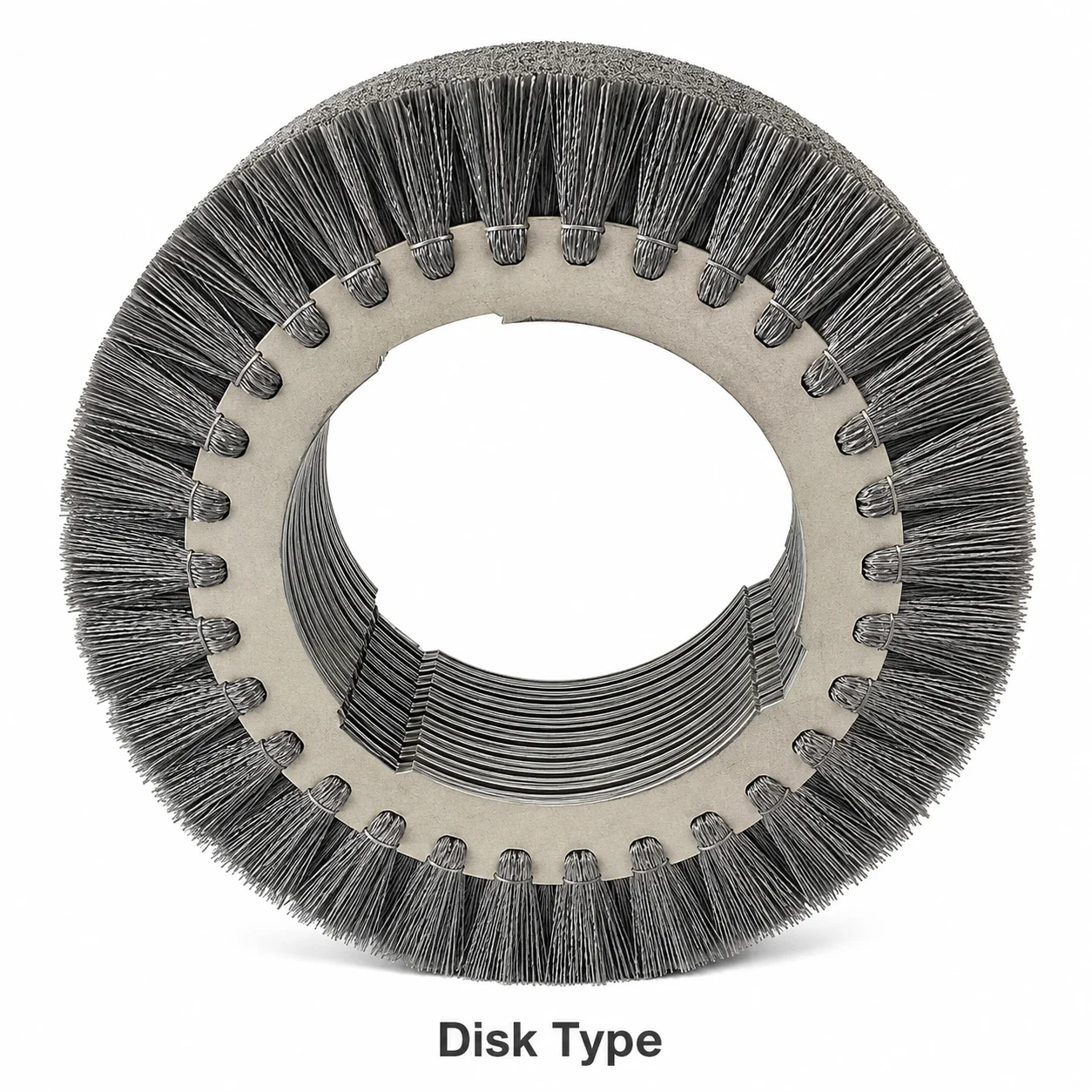
Individual brush discs are stacked side by side to create the required face length and density for steel strip, sheet cleaning, polishing, and deburring lines.
Core structure, shaft detail, fill layout, and face pattern all affect machine fit, contact pressure, replacement accuracy, and service life.

The base may be a plastic body, tube, mandrel, or machined core depending on the required diameter, stiffness, mounting method, and whether the roller must carry wider or higher-load contact.

The shaft, arbor, or bore detail must match the machine bearing, drive, and mounting arrangement before a replacement or OEM build can be confirmed. Journals, steps, threads, flats, keyways, and bore details should be reviewed before release.

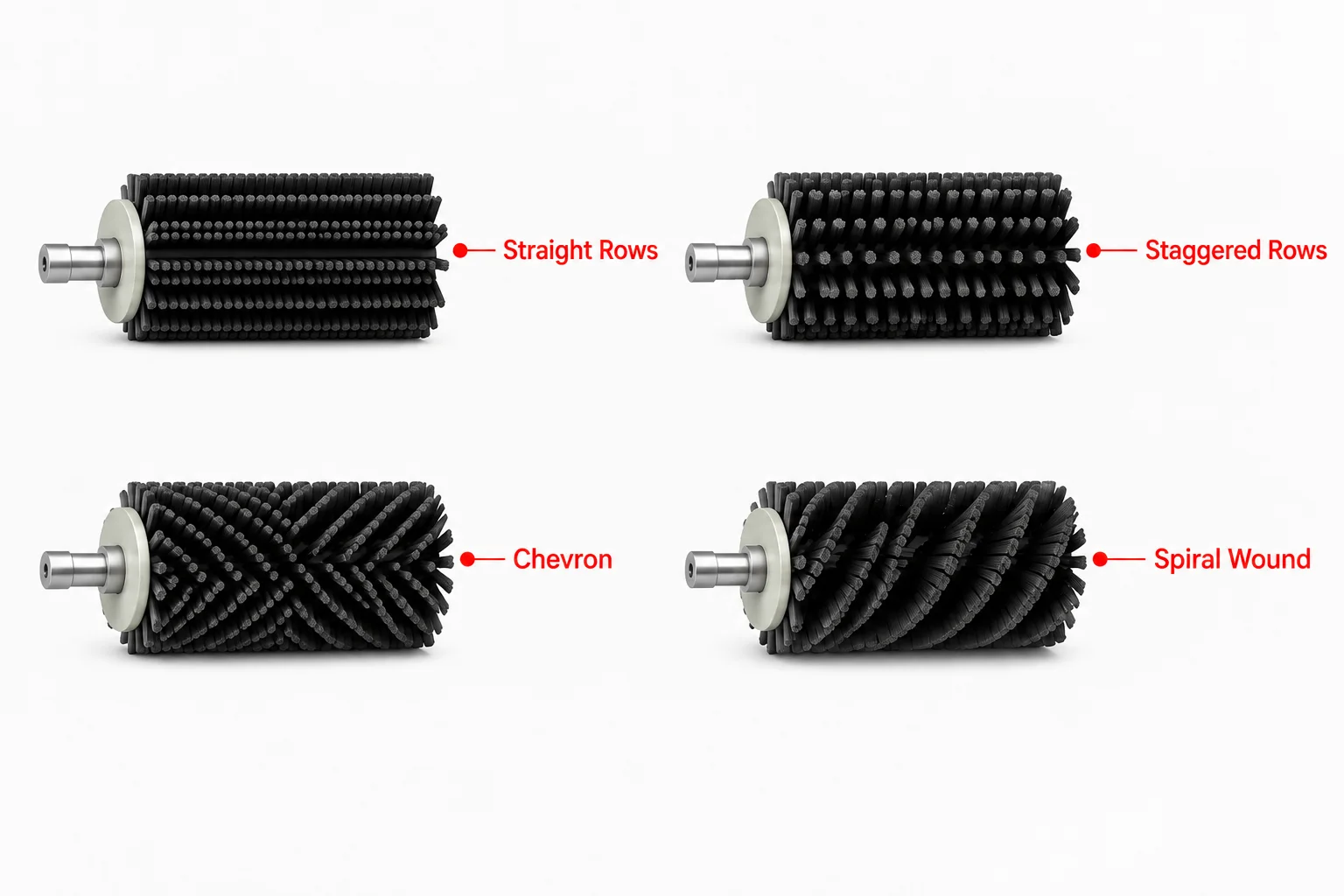
Tuft spacing, row density, trim profile, and face coverage are matched to the required contact, cleaning action, product handling, and surface sensitivity. The four common row patterns are compared below.
Filament and body materials are selected according to contact force, surface sensitivity, moisture, chemicals, temperature, wear, and cleaning duty.

Polyamide is the nylon material family. Nylon is used for washing, wiping, conveying, and product contact. Food-grade options and fine filaments down to 0.05 mm are available; 0.05 mm nylon provides soft contact for glass cleaning and other sensitive surfaces.
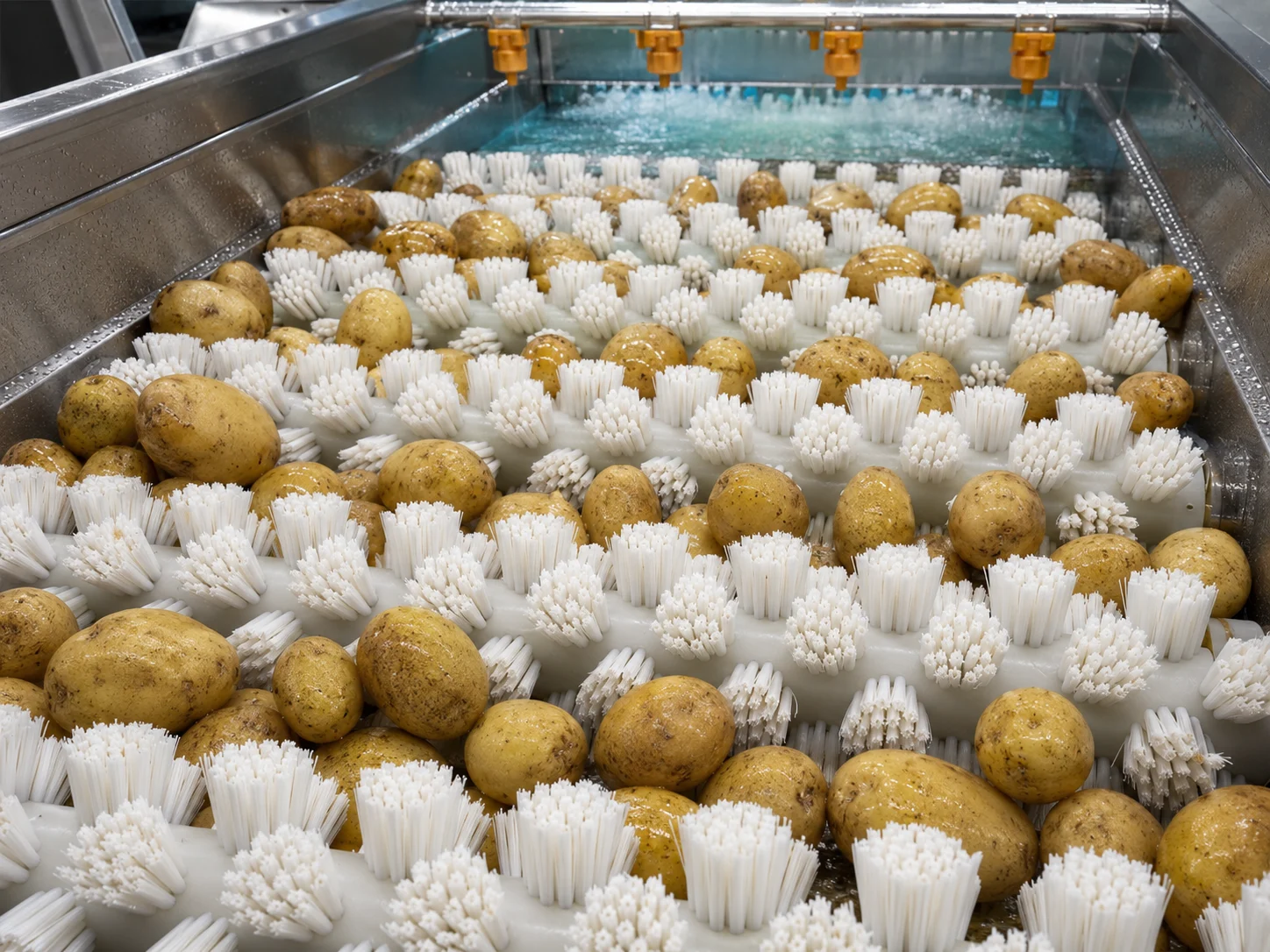
PP filament is commonly used for wet cleaning, produce washing, conveyor contact, and chemical-exposure applications where low moisture absorption and practical wear life are required.
Silicon carbide or aluminum oxide abrasive nylon is used for deburring, conditioning, polishing, and surface preparation. Available grit selections include 80, 120, 180, 240, 320, 360, and 600, depending on the abrasive system.
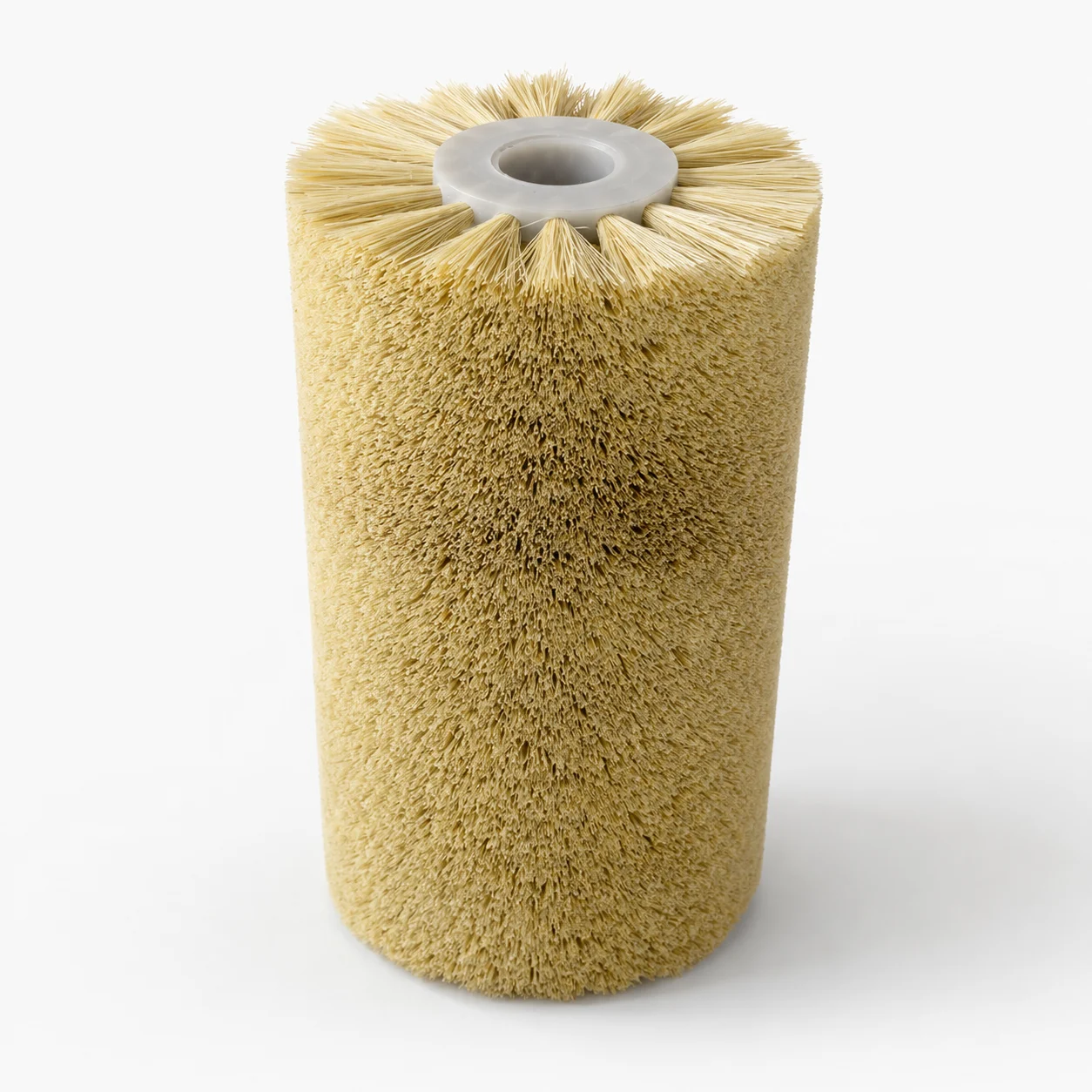
Tampico, horsehair, pig or boar bristle, and ostrich feather are available for softer polishing, waxing, dust removal, liquid retention, or antistatic surface cleaning.

Metal wire provides stronger cleaning, scale removal, and surface conditioning. Heat-resistant metallic fills are available for selected furnace rollers, with application-specific configurations rated up to 1,250°C.

Roller bodies and mounting components can use engineered plastic, stainless steel, galvanized steel, or brass according to the construction, shaft interface, load, washdown, and corrosion requirements.
For most RFQs, a complete drawing is best. If a drawing is not available, the dimension list below is usually enough to start a technical review and reduce wrong-fit replacements.

Confirm whether you need a tufted, spiral-wound, modular segment, split-core, or another machine-specific roller construction.
Provide finished OD, face length, overall length, and any trim condition that affects contact or fit. Face length and overall length should be listed separately.
Share shaft diameter, journals, steps, keyway, threads, flats, bore size, or other mounting details that control bearing, drive, and machine fit.
Specify filament material, filament diameter, trim height, density, and whether the face is straight-row, staggered, chevron, or spiral wound.
Include operating direction, speed, moisture, chemicals, washdown duty, temperature, and the workpiece or product surface. Higher-speed or larger rollers may need additional balance review.
Read the Dynamic Balancing GuideA drawing, marked photo, or physical sample helps reduce mistakes. Please also include target quantity and delivery expectation.
The same cylinder brush construction can be adapted to different line duties by changing the filament, trim, density, face pattern, shaft, and working diameter.

Soft nylon, polypropylene, or natural fills are used for washing, peeling, polishing, waxing, and handling fruit, vegetables, and other food products.

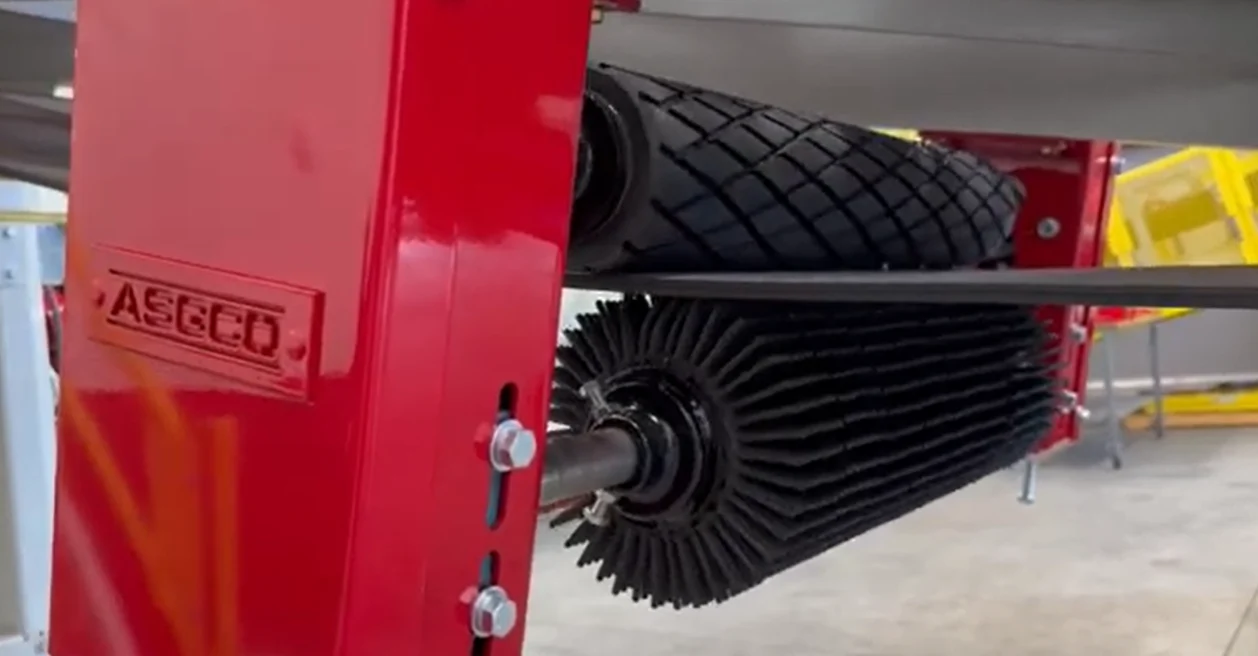
Roller brushes clean belts, guide or support moving products, remove carryback, and provide controlled contact on packaging and automated handling lines.

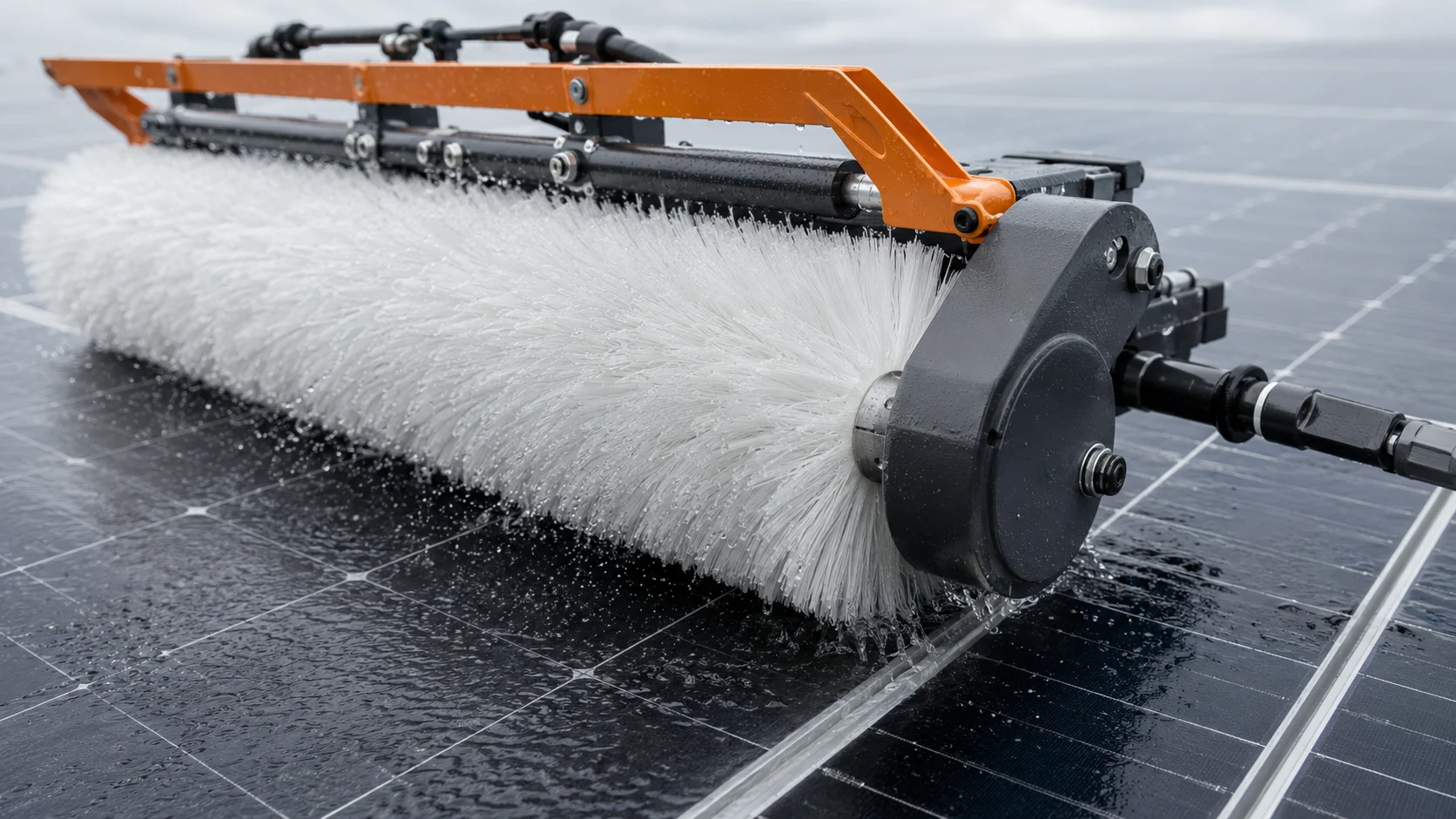
Fine or soft filaments provide broad, repeatable contact for removing dust and washing sensitive solar-module surfaces.
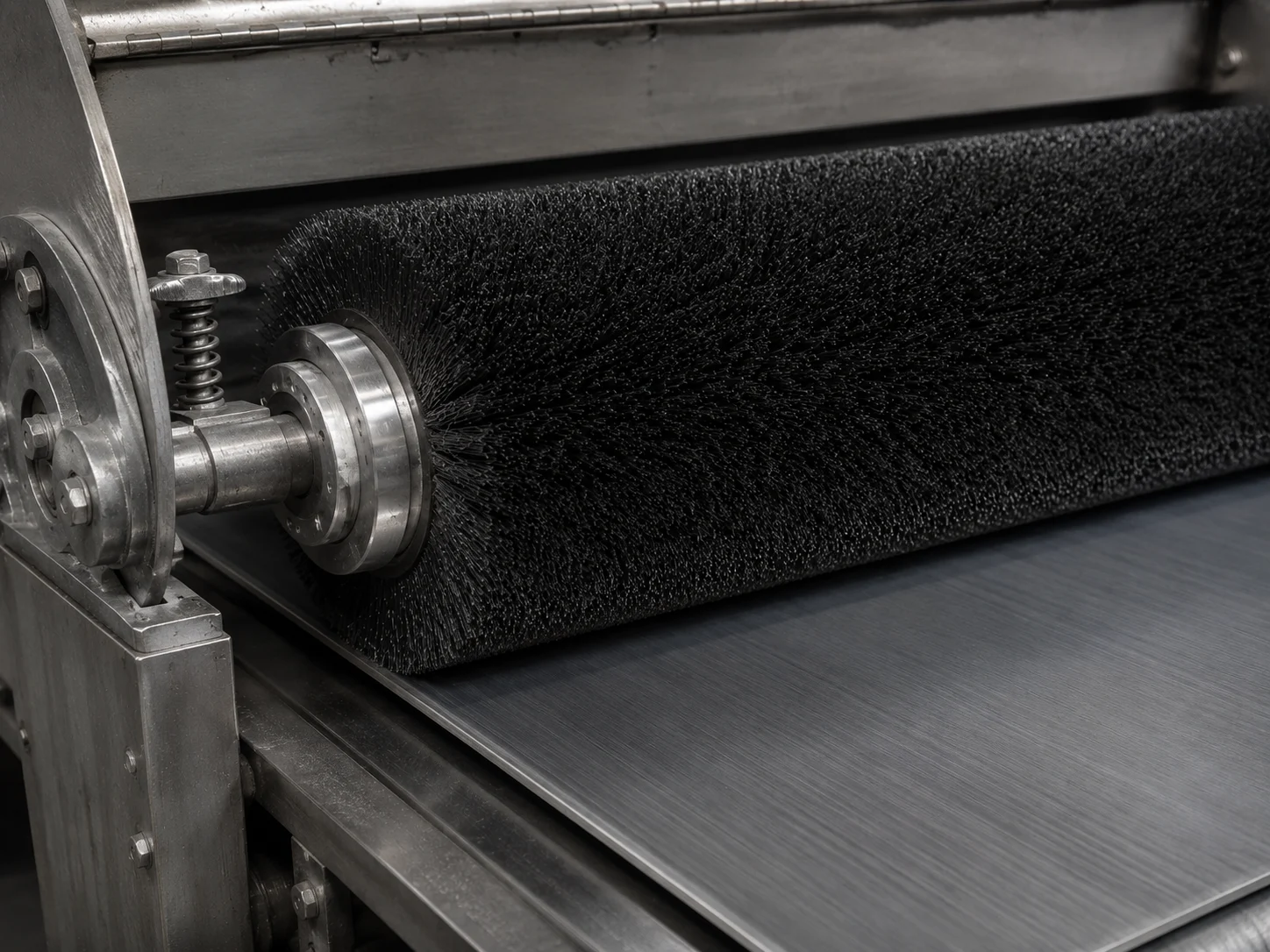
Dense tufted, spiral-wound, or disc-type brush rolls clean and condition steel, aluminum, copper, printing plates, and other continuous sheet materials.

Abrasive nylon or wire-filled rollers remove light burrs, scale, oxide, and surface residue while producing a controlled brushing or finishing action.
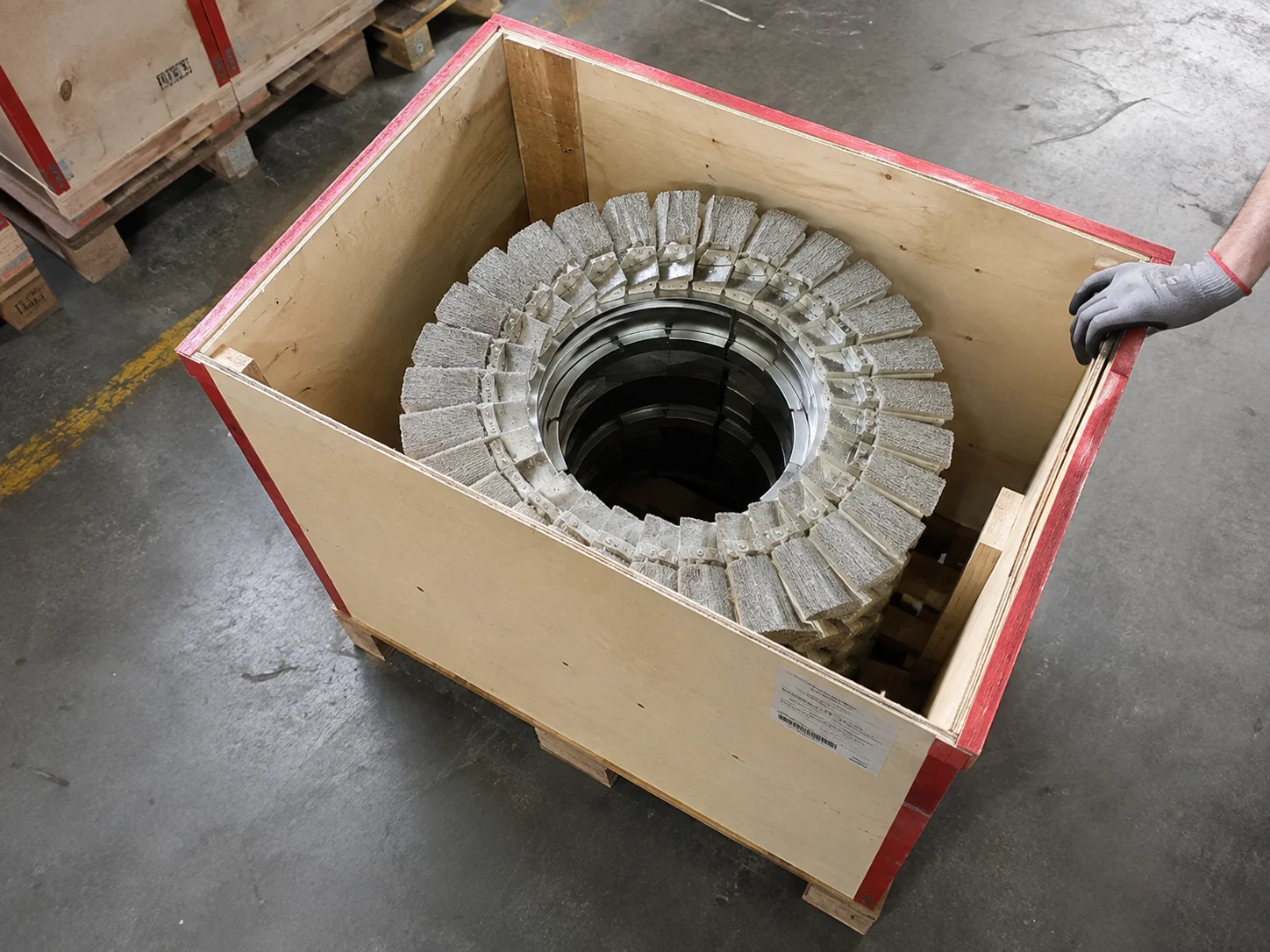
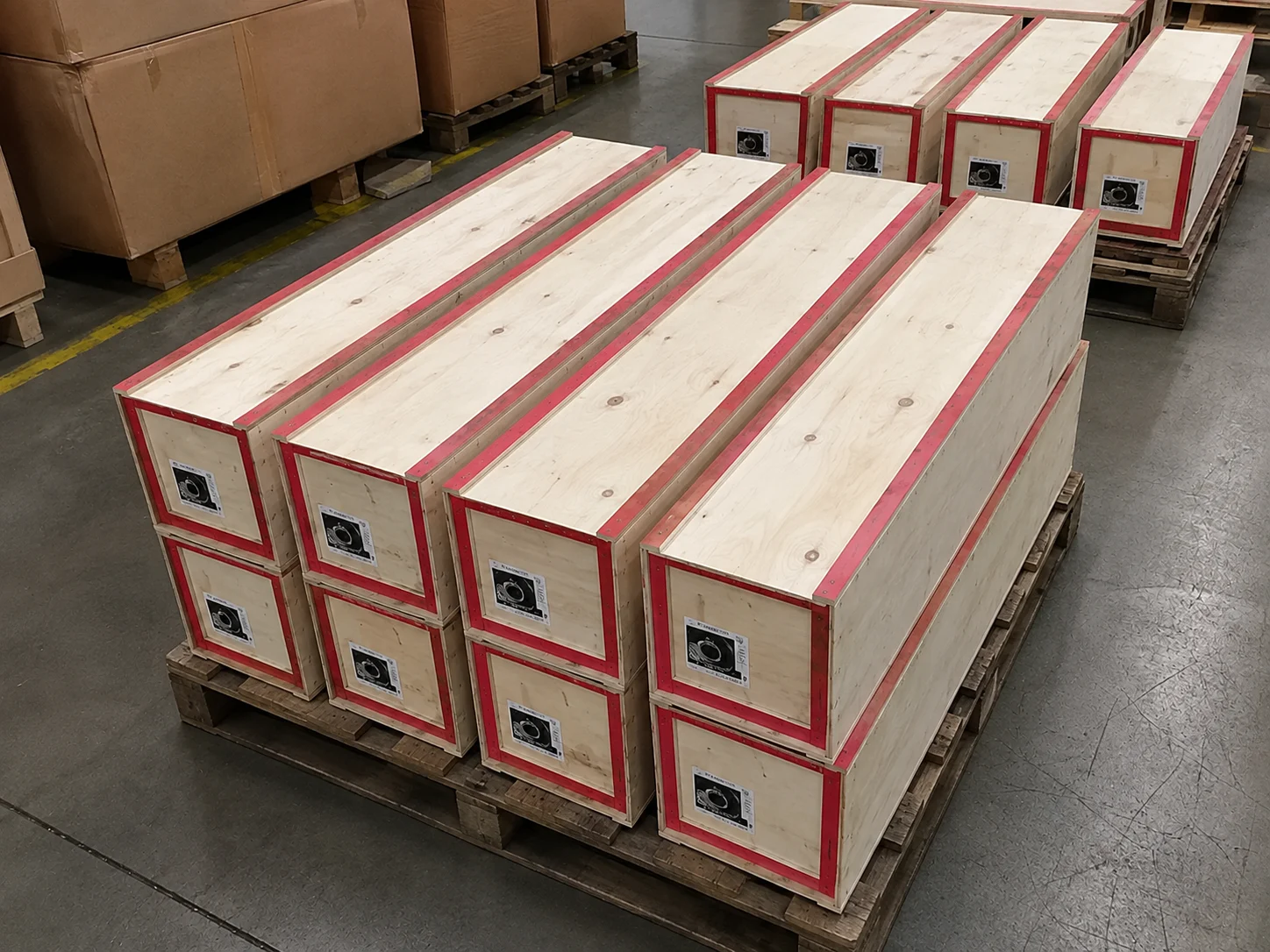
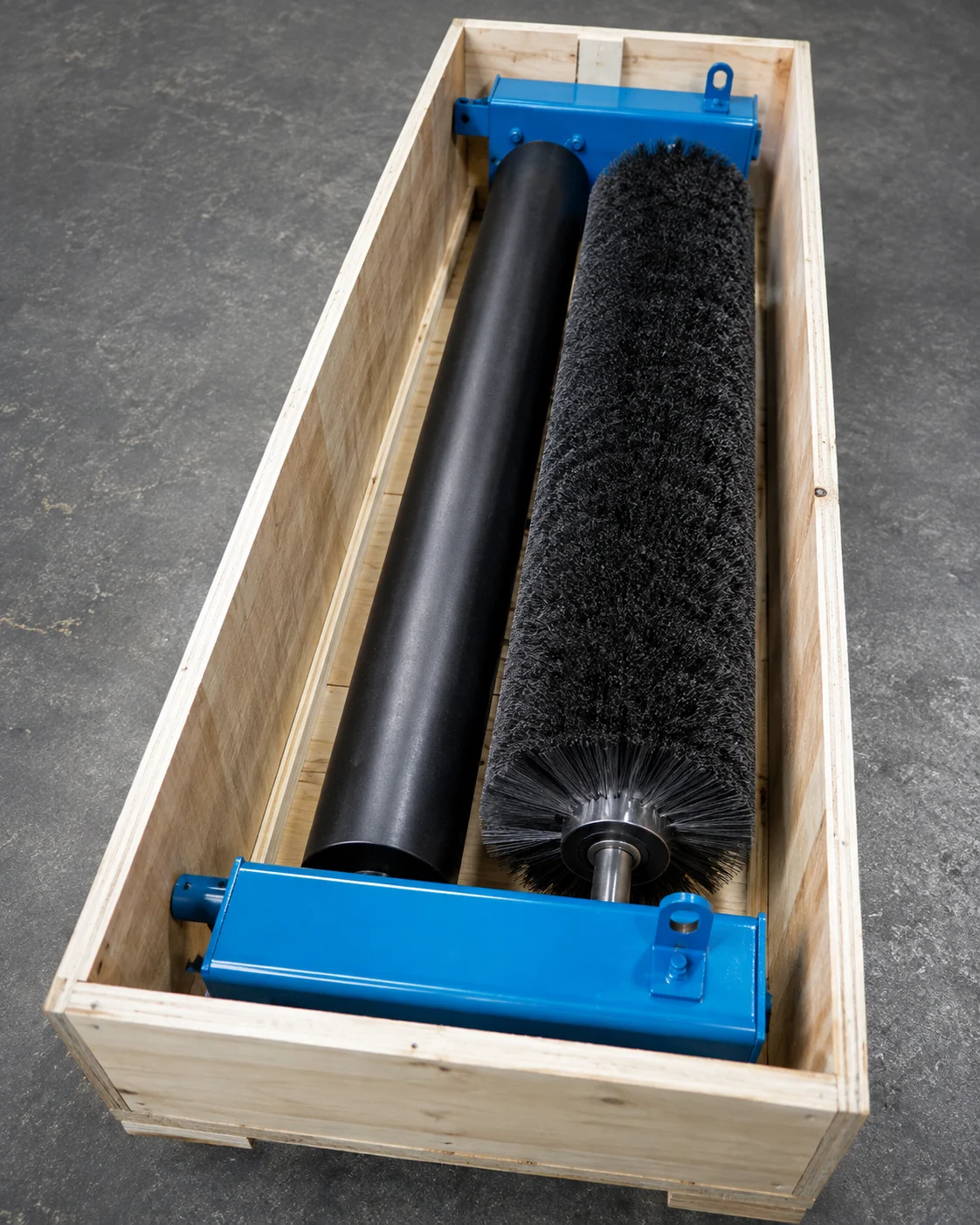
Each order is packed according to brush size, weight, and quantity. Long rollers, brush sections, and batch shipments are secured in wooden cases for transport.


A tufted roller has filaments staple-set into the body, while a spiral-wound cylinder uses wound brush material on a tube or core. The better choice depends on contact pattern, cleaning duty, replacement method, machine construction, and how the brush needs to be mounted or serviced.
Yes. Modular segment constructions such as zig-zag, quick-snap, and square-core brushes simplify installation and allow worn sections to be replaced without changing the complete roller assembly. Split-core designs can also be installed around an existing shaft.
Yes. A drawing or physical sample is the safest way to match the OD, face length, overall length, shaft detail, trim, and fill material for a replacement project.
Yes. Shaft diameter, journals, steps, keyways, threads, flats, bore size, and other mounting details can be produced to the approved drawing or replacement sample.
Nylon and polypropylene are common choices, but the right material depends on the product surface, moisture, chemicals, washdown method, and required wear life.
Yes, but the fill, core, and service environment must be specified clearly so the brush can be built for the actual process, cleaning method, and material expectations of the line.
The most important details are roller format, finished OD, face length, overall length, shaft or bore detail, fill material, face pattern, operating direction, RPM, and the application itself.
Share your drawing, sample, or dimension list with the application details. We will review the roller form, fit, shaft detail, face pattern, and material options with you before quoting.