Industrial Brush Manufacturers, Suppliers & Companies
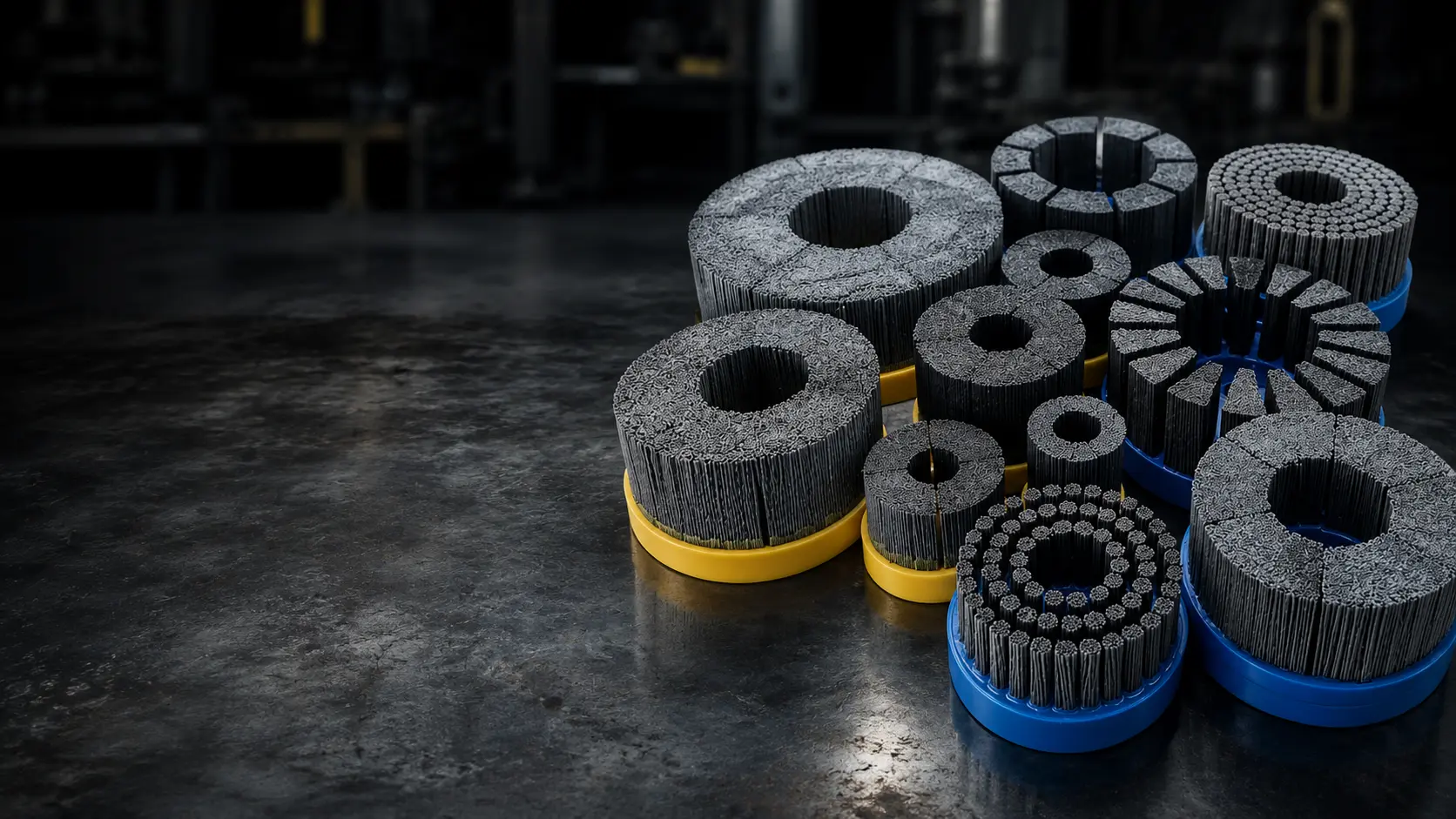
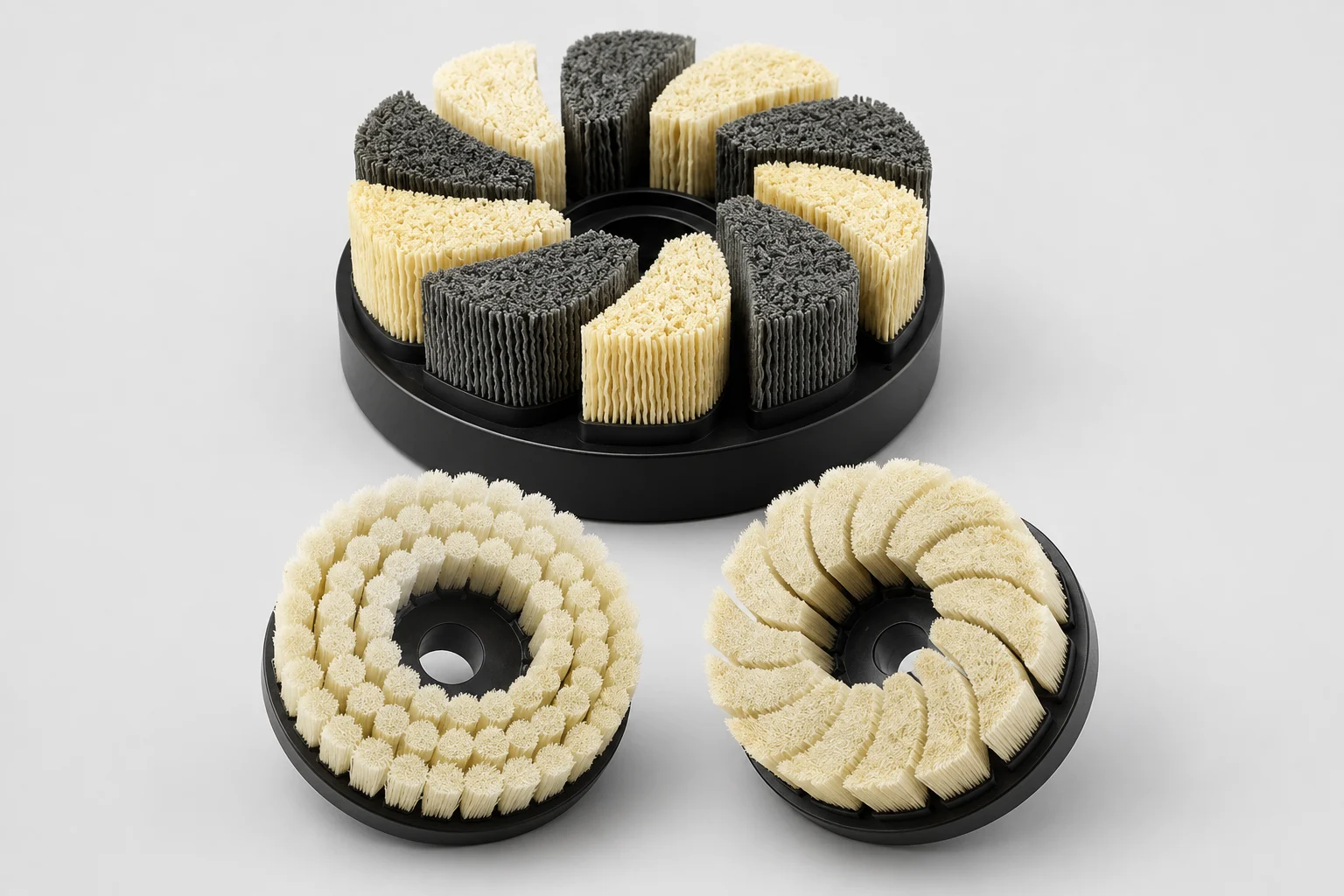
Industrial disc brush assortment arranged for custom disc brush manufacturing

Custom Disc Brush Manufacturer

Custom disc brushes for deburring, edge rounding, surface conditioning, and controlled finishing. Built to your required diameter, working face width, mounting detail, material, and operating speed.

Request a Quote

What Is a Disc Brush?

A disc brush is a rotary brush designed to work through its face rather than through a narrow outer edge. It is commonly used where the process needs broader contact, more stable pressure, and more consistent brushing action across edges or surfaces.

In industrial applications, disc brushes are often used for deburring, edge rounding, surface conditioning, cleaning, and controlled finishing.

Disc brushes are usually specified by process duty, face size, mounting detail, fill material, and operating speed rather than by one universal stock format.

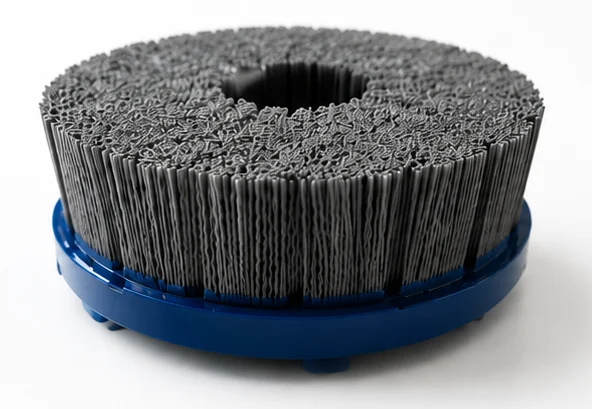
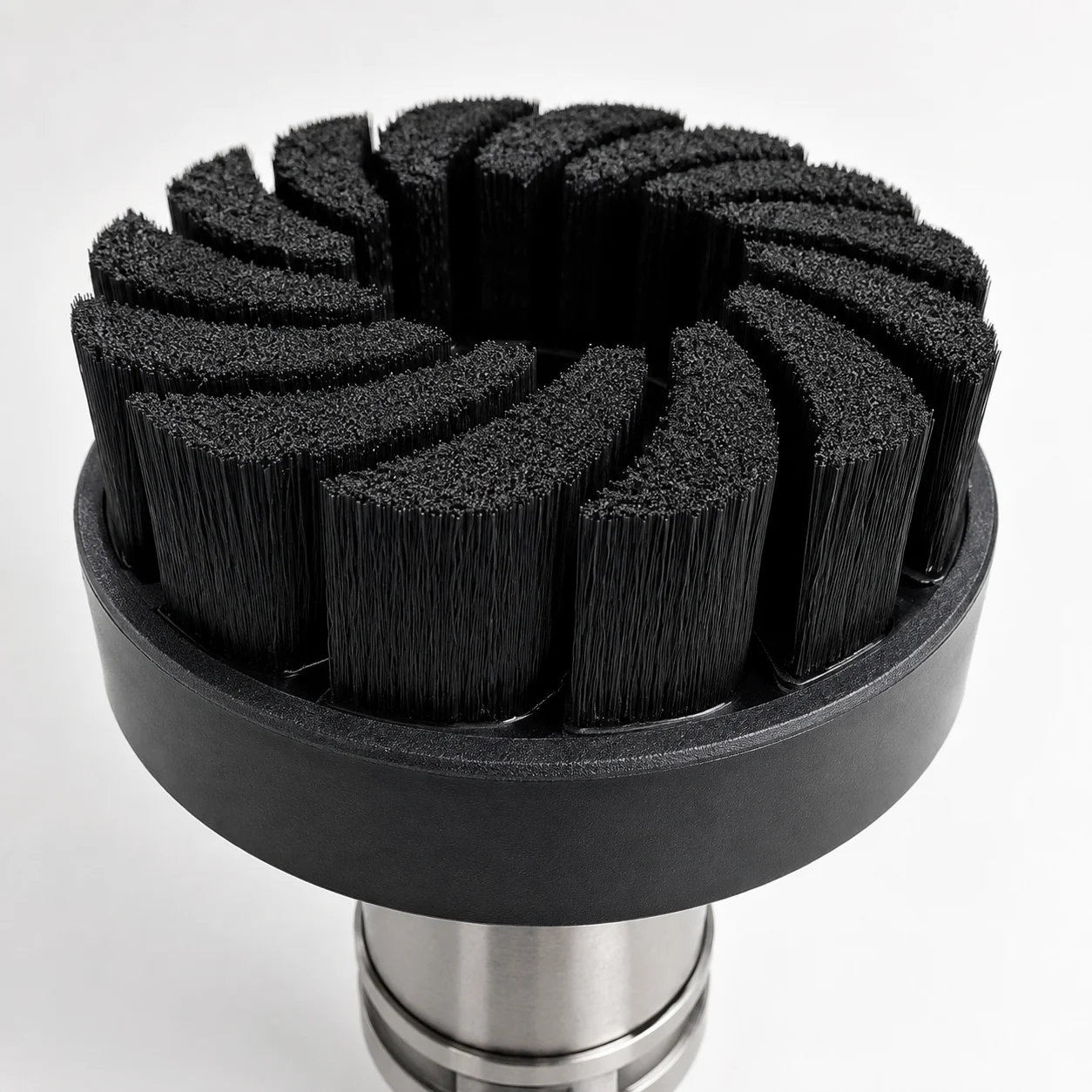
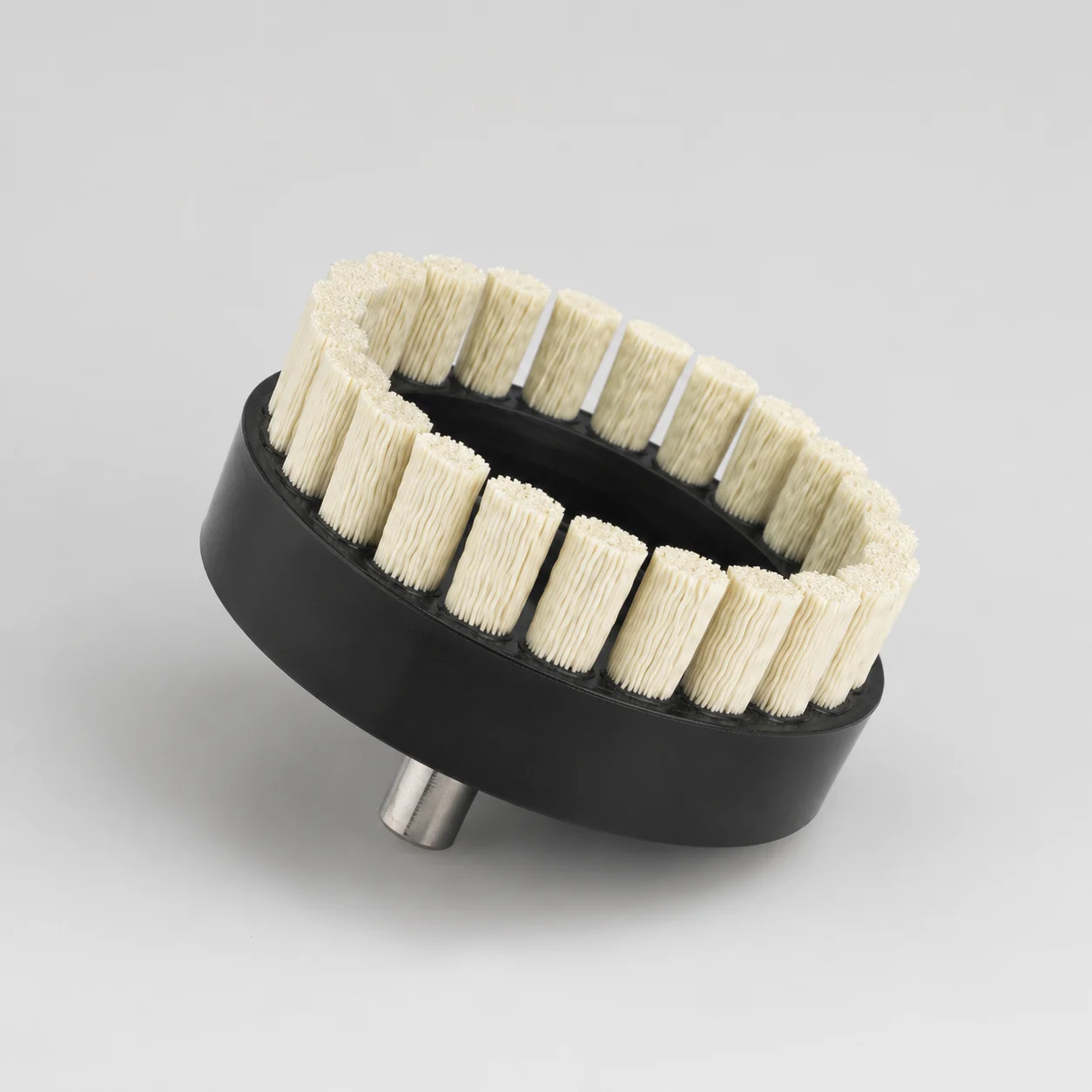
Abrasive nylon disc brush with molded hub on a clean white background

Disc Brush Configurations

Custom disc brushes are usually grouped by process duty, mounting style, and required surface effect rather than by one universal stock format. These are the common build directions buyers most often review first.

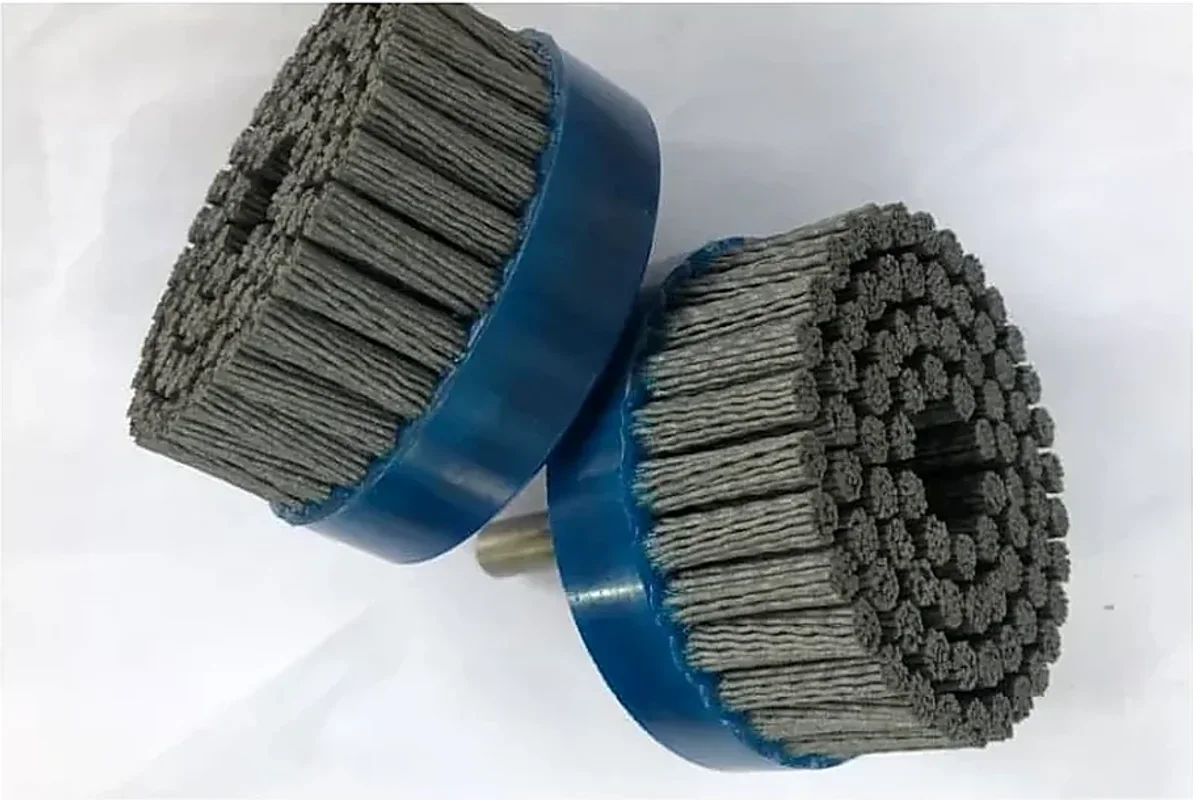
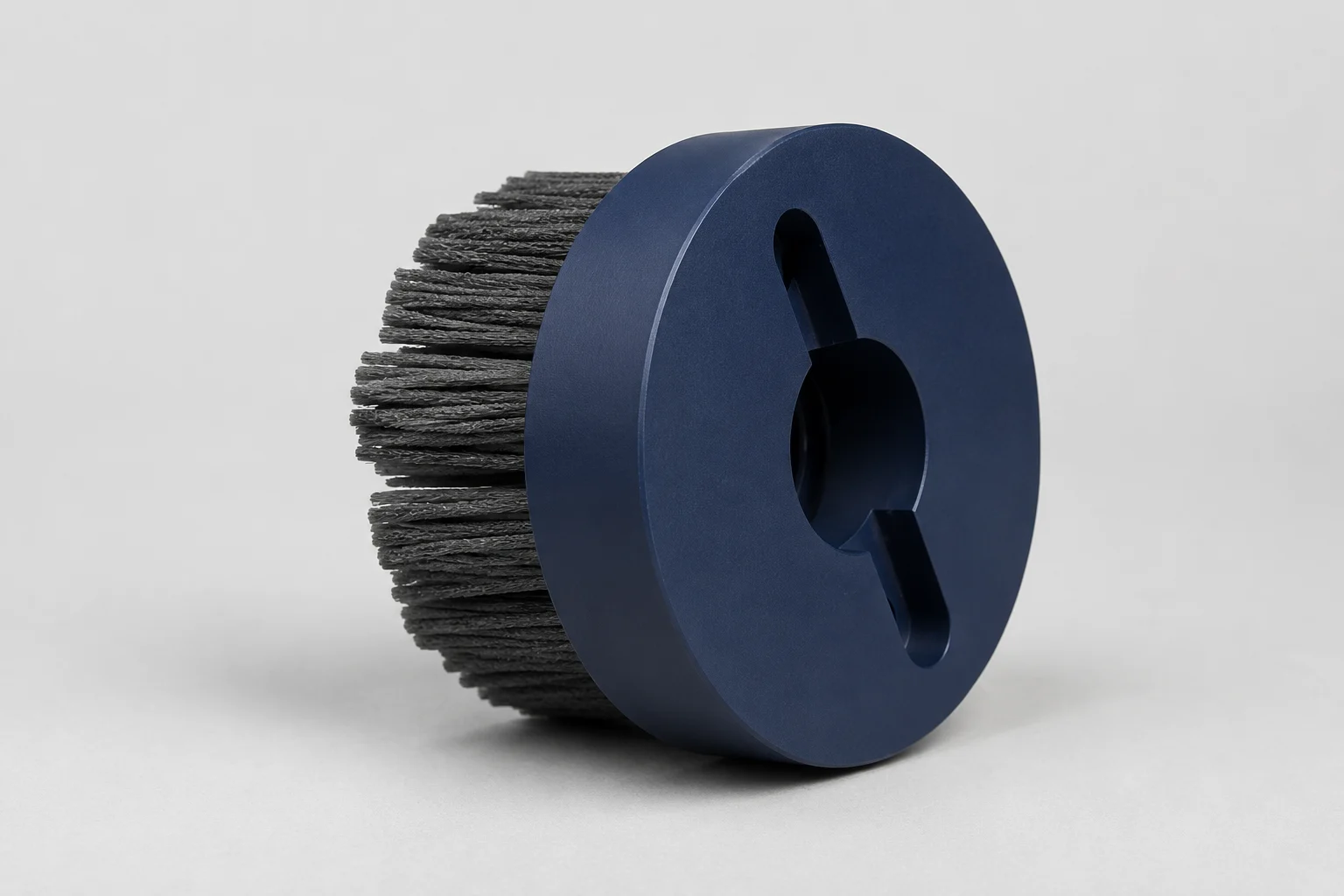
Abrasive nylon disc brush with dense abrasive filaments on a molded blue base

Abrasive nylon disc brushes

Used for controlled deburring, edge rounding, and surface conditioning where finish consistency matters more than aggressive cutting.

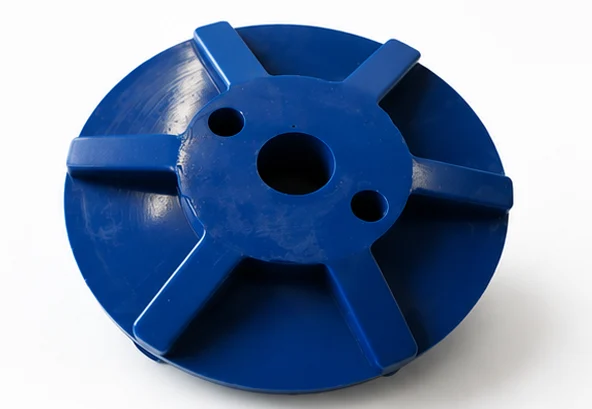
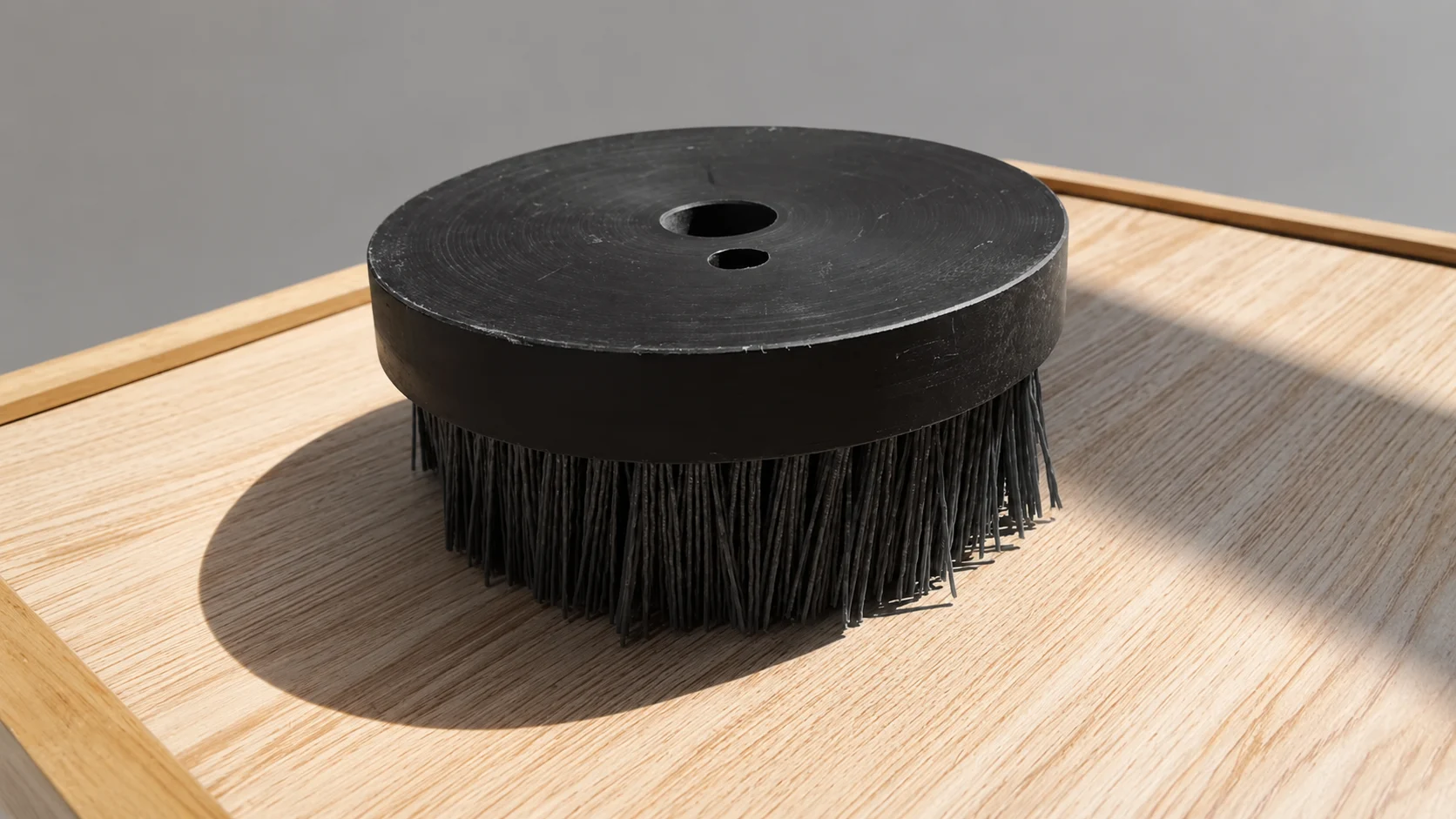
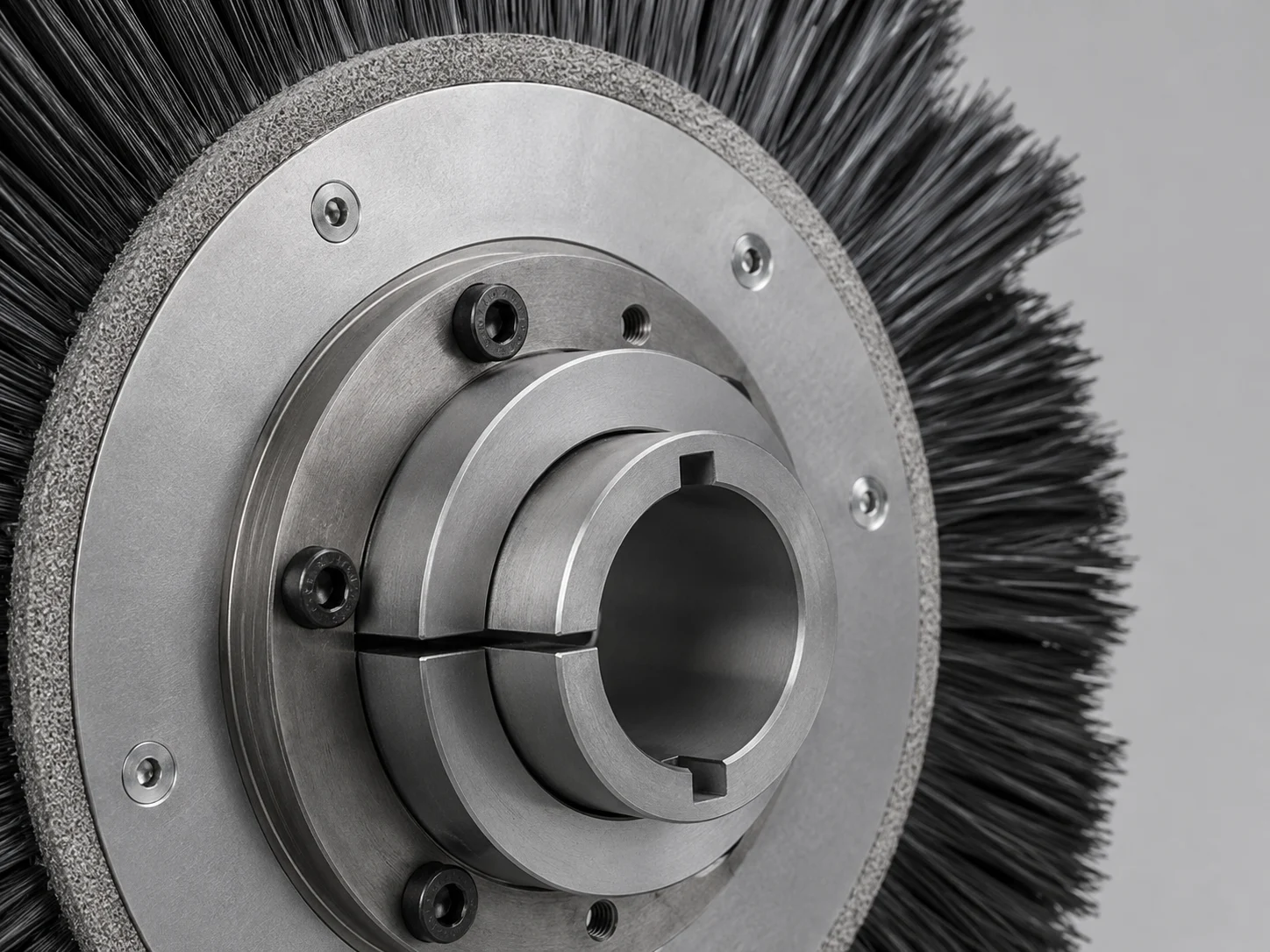
Hub-mounted disc brush base showing center bore and auxiliary mounting holes

Hub-mounted disc brushes

Built around the required bore, arbor, adapter, or hub detail for OEM equipment and replacement installations.

Disc brushes installed on industrial equipment for consistent edge rounding

Edge rounding disc brushes

Selected for stamped, laser-cut, or machined parts that need smoother edges and more consistent finishing quality.

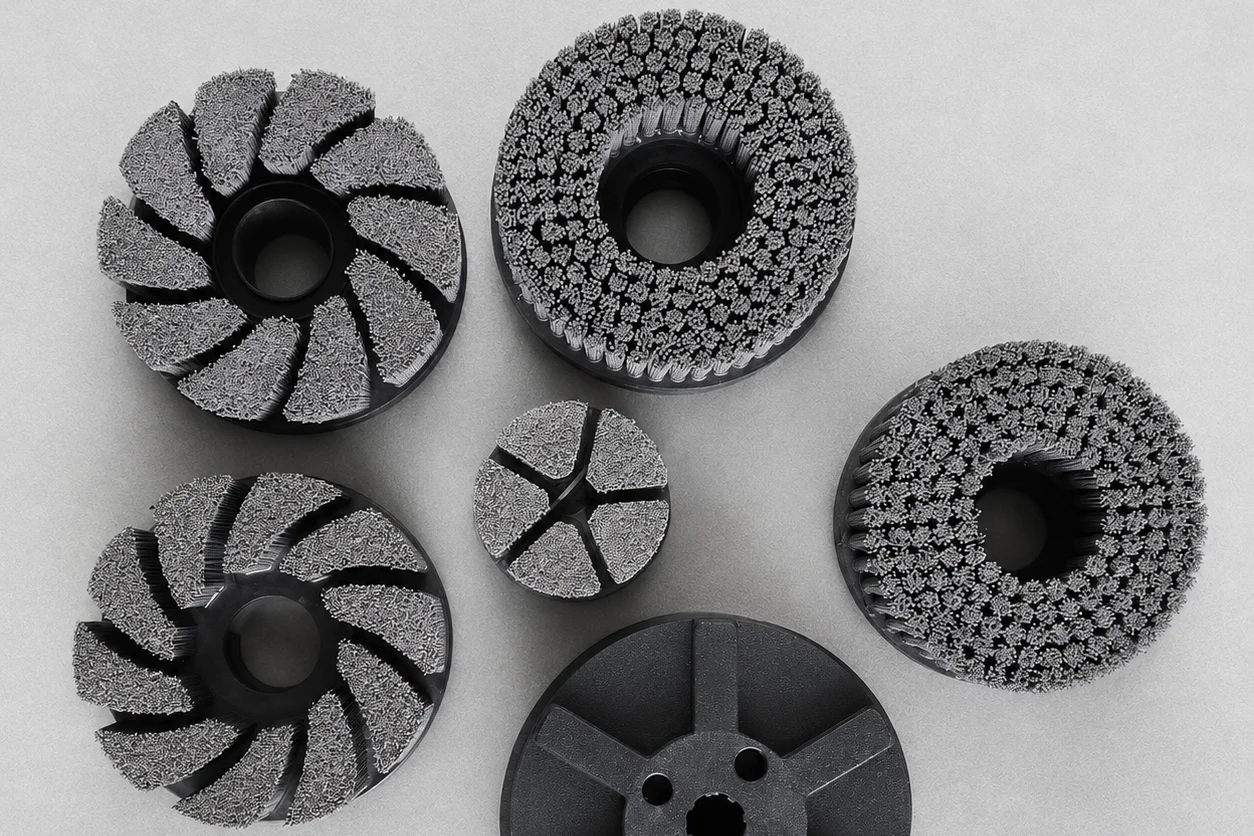
Custom deburring disc brush assortment in multiple diameters and segment layouts

Custom deburring disc brushes

Specified by part material, burr condition, trim, density, and abrasive level to match the actual production task.

Common Industrial Uses

Disc brushes are used where stable face contact matters more than aggressive edge attack. They are commonly specified for deburring stamped or machined parts, edge rounding after cutting, surface conditioning before coating or bonding, and other finishing tasks that require repeatable contact across the work area.
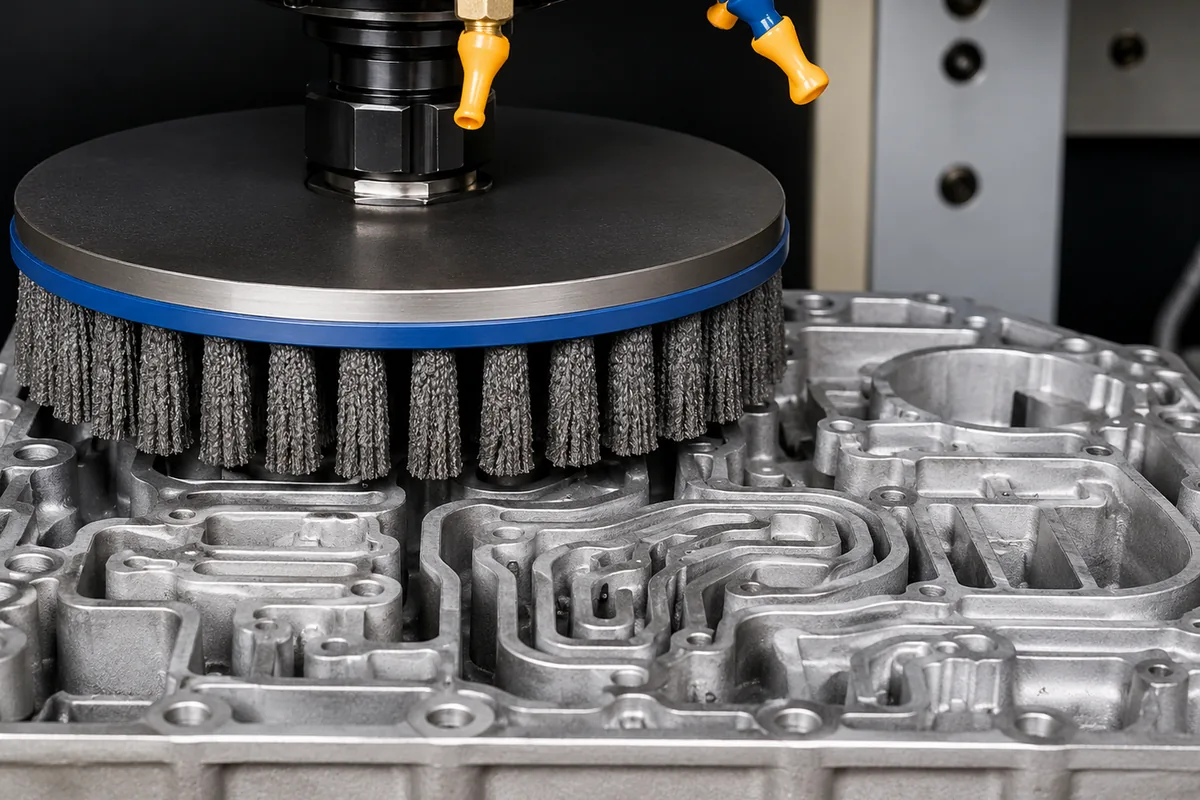
Disc brush used for deburring a machined metal part

Deburring

Remove light burrs after machining, stamping, drilling, or cutting while keeping the brushing action more controlled.
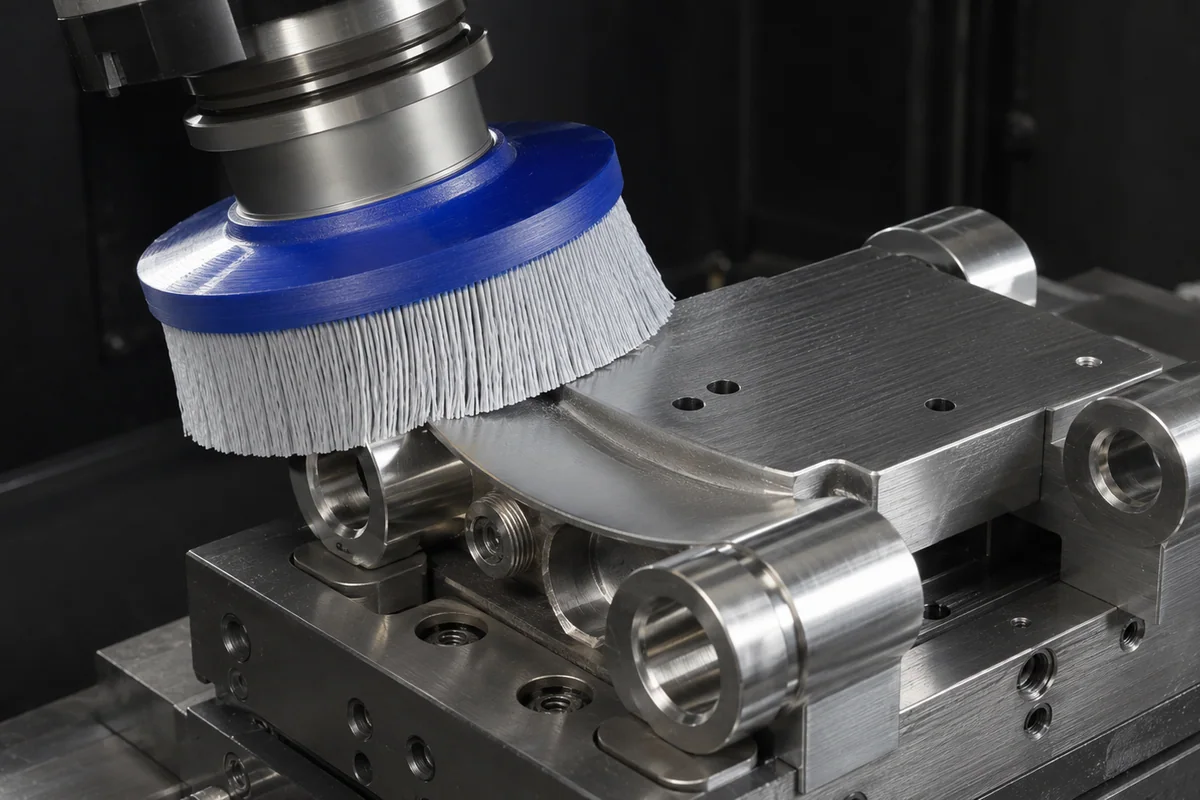
Disc brush performing edge rounding on a metal sheet edge

Edge rounding

Smooth sharp cut edges and improve consistency before coating, assembly, or handling.
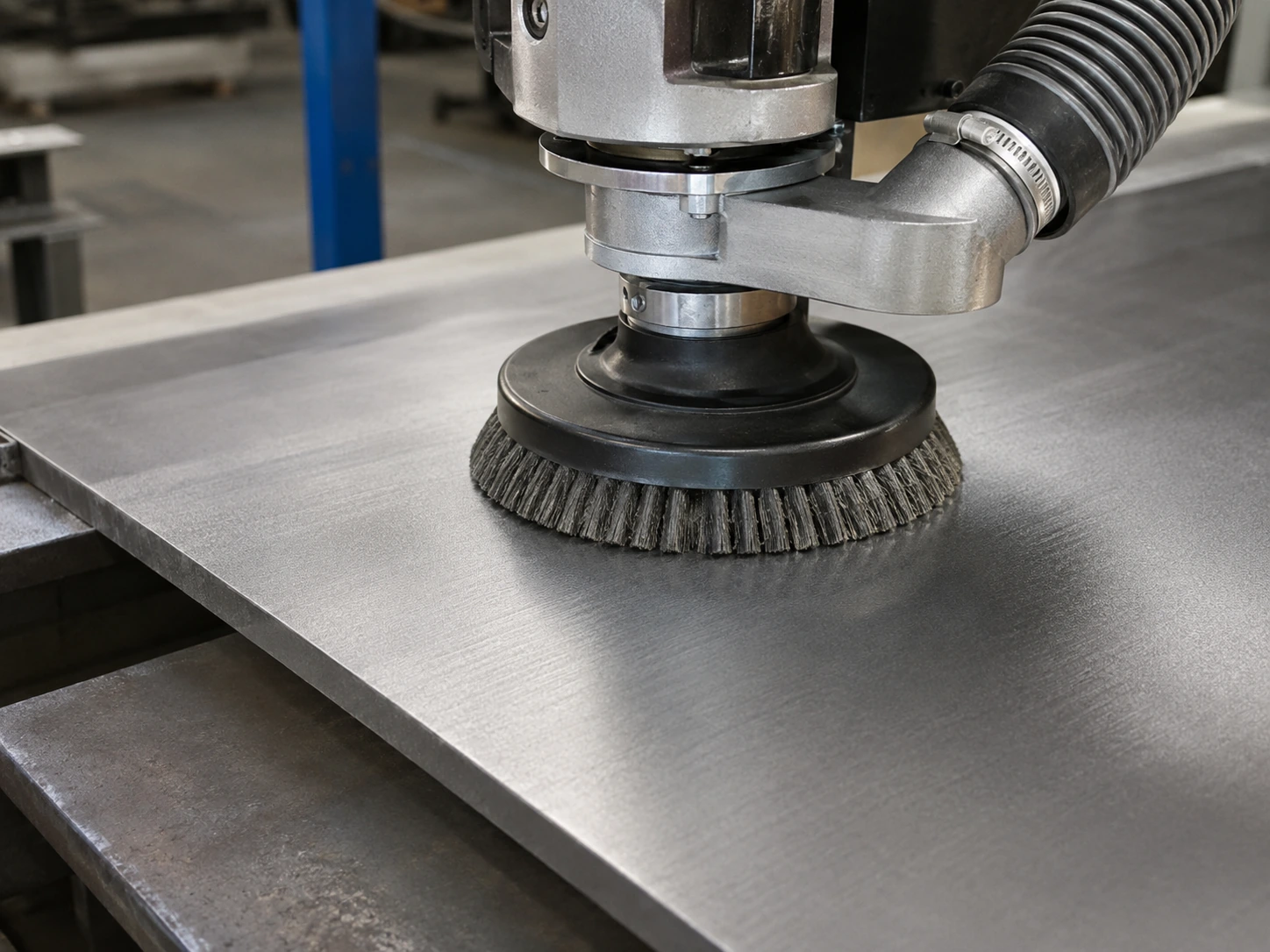
Disc brush used for surface conditioning on a flat metal panel

Surface conditioning

Prepare the surface for bonding, coating, cleaning, or secondary finishing where even contact matters.
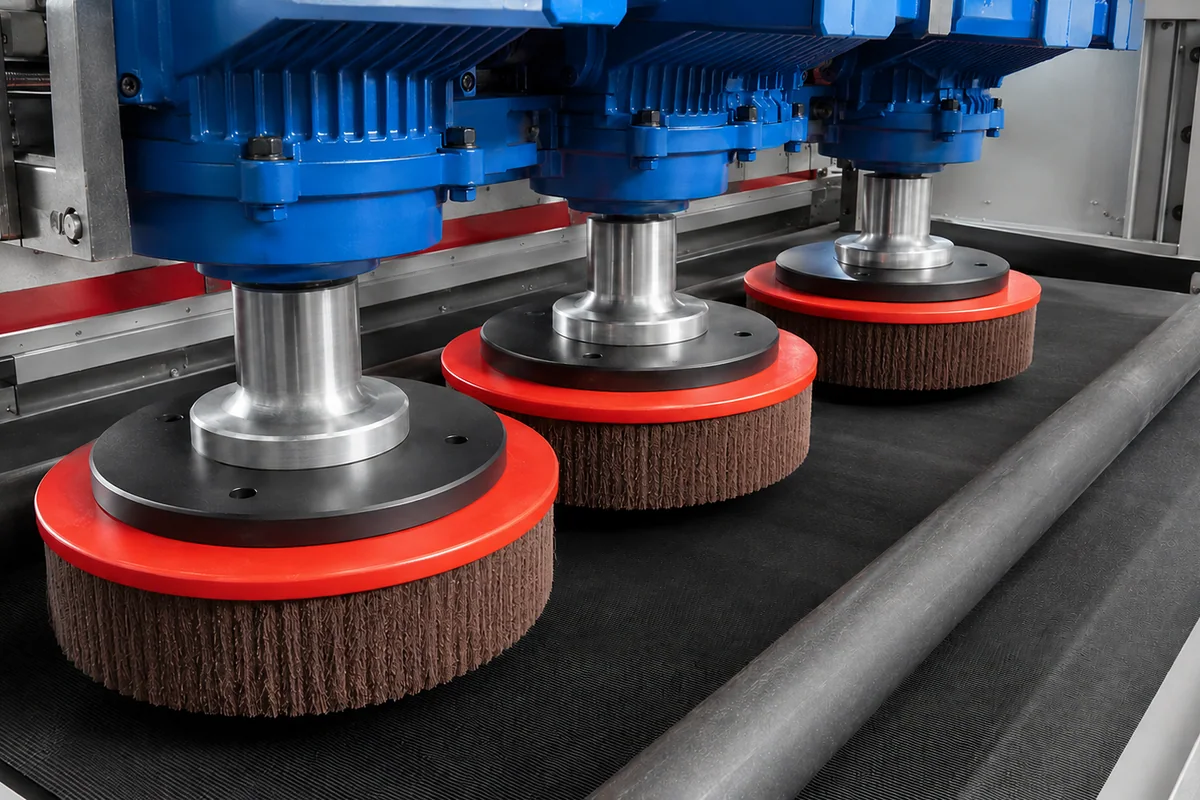
Disc brushes used in an automated finishing production cell

Automated finishing

Used on OEM and line-mounted equipment where repeatability, stable running, and predictable surface effect are important.

How Custom Disc Brushes Are Built to Order

Custom disc brushes are usually built around working dimensions, mounting detail, base structure, pattern, core material, and bristle material. For replacement projects, a drawing, measured sample, or marked reference photo is the fastest way to confirm the correct build. For new OEM projects, selection normally starts from process duty, workpiece material, operating speed, and the finish result required on the line.

Define the process

Clarify whether the brush is used for deburring, edge rounding, cleaning, conditioning, or another finishing task.

Confirm fit and mounting

Diameter, working face width, trim height, bore, arbor, hub, adapter, and machine interface should be reviewed before the build is confirmed.

Match material and running conditions

Core material, fill material, abrasive level, density, and operating speed should match the workpiece and production environment.

Dimensions to Confirm

Disc brushes are usually built to machine and process requirements rather than to one universal stock size standard. If a full drawing is not available, the dimensions below are normally enough to begin technical review and reduce wrong-fit replacements.

Disc brush dimension guide showing diameter, working face width, hub arbor bore, trim length, and operating speed
01

Diameter

Provide the finished outside diameter used in production. This affects contact area, surface speed, and machine clearance.

02

Working face width

Share the usable brush width so the working face can match coverage, edge reach, and the actual contact requirement.

03

Trim height

Confirm the working filament length because it changes flexibility, contact pressure, and finish behavior.

04

Hub, arbor, or bore detail

Mounting interface dimensions should match the spindle or machine fixture correctly before production is released.

05

Fill material and operating speed

Material type and RPM or line condition should match the workpiece, finish target, wear expectation, and stability requirement.

Dimensions to confirm

This is usually the minimum input needed to start disc brush review when a full engineering drawing is not available.

DimensionWhat to provideWhy it matters
DiameterFinished outside diameterAffects contact area, surface speed, and machine clearance
Working face widthUsable brush widthAffects coverage, edge reach, and working contact
Trim heightWorking filament lengthChanges flexibility, contact pressure, and finish behavior
Hub / arbor / bore detailMounting interface dimensionsMust match the spindle or machine fixture correctly
Fill materialFilament or abrasive typeShould match workpiece material and finish target
Operating speedRPM or line conditionAffects wear, stability, and brushing effect

A drawing, sample, or clearly marked existing brush is still the fastest way to confirm fit and reduce replacement errors.

Construction, Mounting, and Brush Face Options

Disc brush performance is not determined by diameter alone. Base structure, hub detail, mounting method, and brush face layout all influence installation fit, contact stability, durability, and the final brushing result.

Base and hub options

The base or hub holds the filaments in place and supports the brush during operation. Plastic bases are often used for lighter-duty or more economical builds, while metal bases provide greater rigidity and durability for heavier-duty service. Depending on the machine, the brush may also require a custom bore, arbor hole, adapter, or hub detail for correct installation.

Mounting detail

OEM and replacement projects often depend on correct bore size, arbor detail, adapter geometry, or machine-specific mounting structure. These details should be reviewed before quoting, because the brush can only perform correctly if it fits and runs correctly on the machine.

Brush face and pattern

Face layout affects how the brush contacts the workpiece and how brushing force is distributed across the surface. Radial, concentric, staggered, or other custom distributions may be selected according to the process result, part geometry, and brushing behavior required in production.

Materials and Fill Options

Core material affects rigidity, weight, corrosion resistance, and service life, while fill material affects brushing behavior, finish, and wear pattern. Material selection should be based on the workpiece, process duty, and finish target rather than on wear resistance alone.

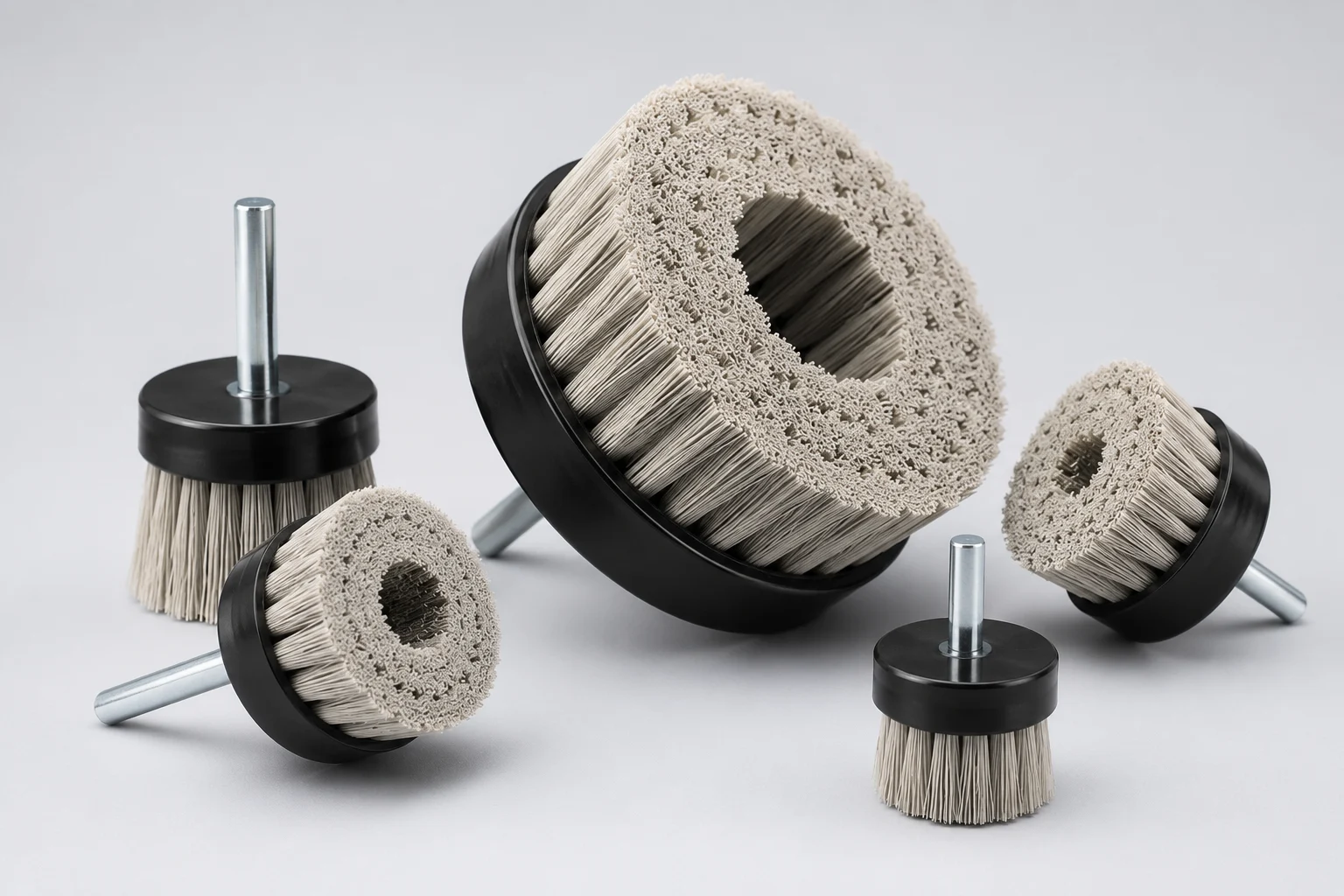
Abrasive nylon filament for controlled deburring and edge finishing

Abrasive nylon

Common for controlled deburring, edge finishing, and surface conditioning. Silicon carbide, aluminum oxide, or ceramic abrasive can be reviewed according to the material and finish target.

Synthetic filament for lighter disc brush cleaning and softer contact

Synthetic filaments

Nylon, polypropylene, PBT, or PE may be used for lighter cleaning, gentler surface contact, or applications where abrasive cutting is not required.

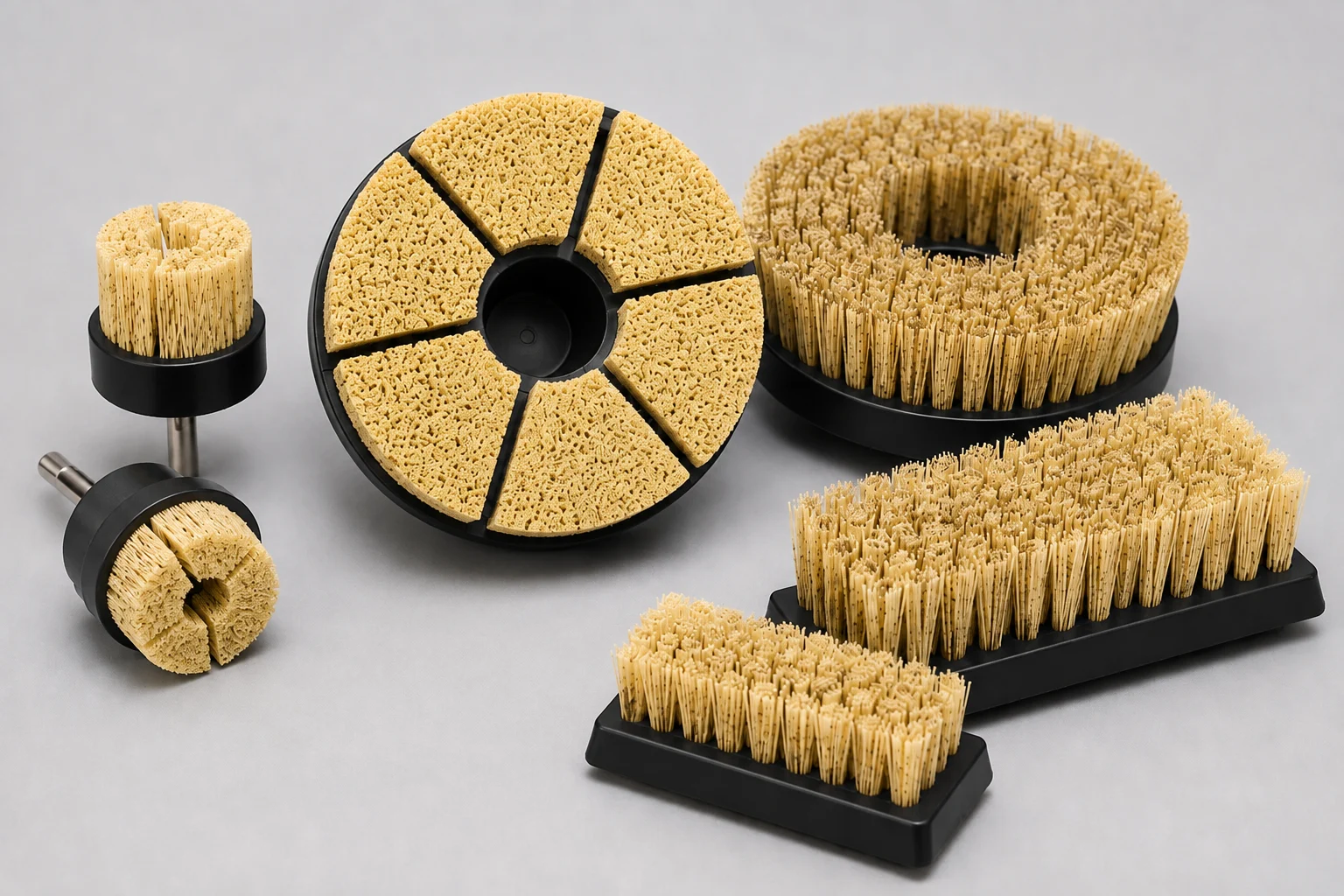
Natural bristle fill for light disc brush contact and polishing

Natural bristle fills

Horsehair, pig bristle, boar bristle, or tampico may be reviewed for lighter polishing, dusting, or gentle contact where the process does not require abrasive action.

Wire and specialty filament options for more aggressive disc brush applications

Wire and specialty fills

Wire is used for stronger brushing action. Carbon fiber or ceramic fiber may be reviewed for static-control or high-temperature applications when the process requires it.

Information Needed for Quoting

Send the core dimensions, mounting details, and process information together so the review can focus on fit, material direction, and production suitability right away.

Basic dimensions

Finished diameter

Working face width

Trim height

Mounting details

Bore or arbor size

Hub or adapter detail

Base or core requirement

Process information

Workpiece material

Intended application

Fill or abrasive material preference

Operating speed or service condition

Quantity and delivery expectation

For replacement work, a drawing, measured sample, or marked photo is usually enough to begin review. For new OEM builds, process description and machine interface detail are just as important as nominal size.

FAQ

What is a disc brush used for?

Disc brushes are commonly used for deburring, edge rounding, cleaning, surface conditioning, and controlled finishing where stable face contact matters.

Can disc brushes be customized?

Yes. Disc brushes can be customized by diameter, working face width, trim height, hub detail, bore or arbor detail, base material, fill material, and operating requirement.

What matters most when replacing an existing disc brush?

The most important details are diameter, working face width, trim height, mounting detail, fill material, and operating speed. A sample or marked photo is often helpful for replacement matching.

Are disc brushes only used for metal parts?

No. They are also used on glass, ceramics, food equipment, and other industrial components depending on the required brushing effect and material compatibility.

Do you build from drawings or samples?

Yes. A drawing or physical sample is usually the fastest and most reliable way to confirm fit, construction, and replacement accuracy.

Need a Custom Disc Brush for Your Application?

Send your drawing, sample, or working dimensions. We can review the mounting detail, material, and application requirements before quoting.

Request a Quote