Single-Stem, Single-Spiral Tube Brushes
For routine cleaning in through holes, straight tubes, and internal passages where a standard working section is required.
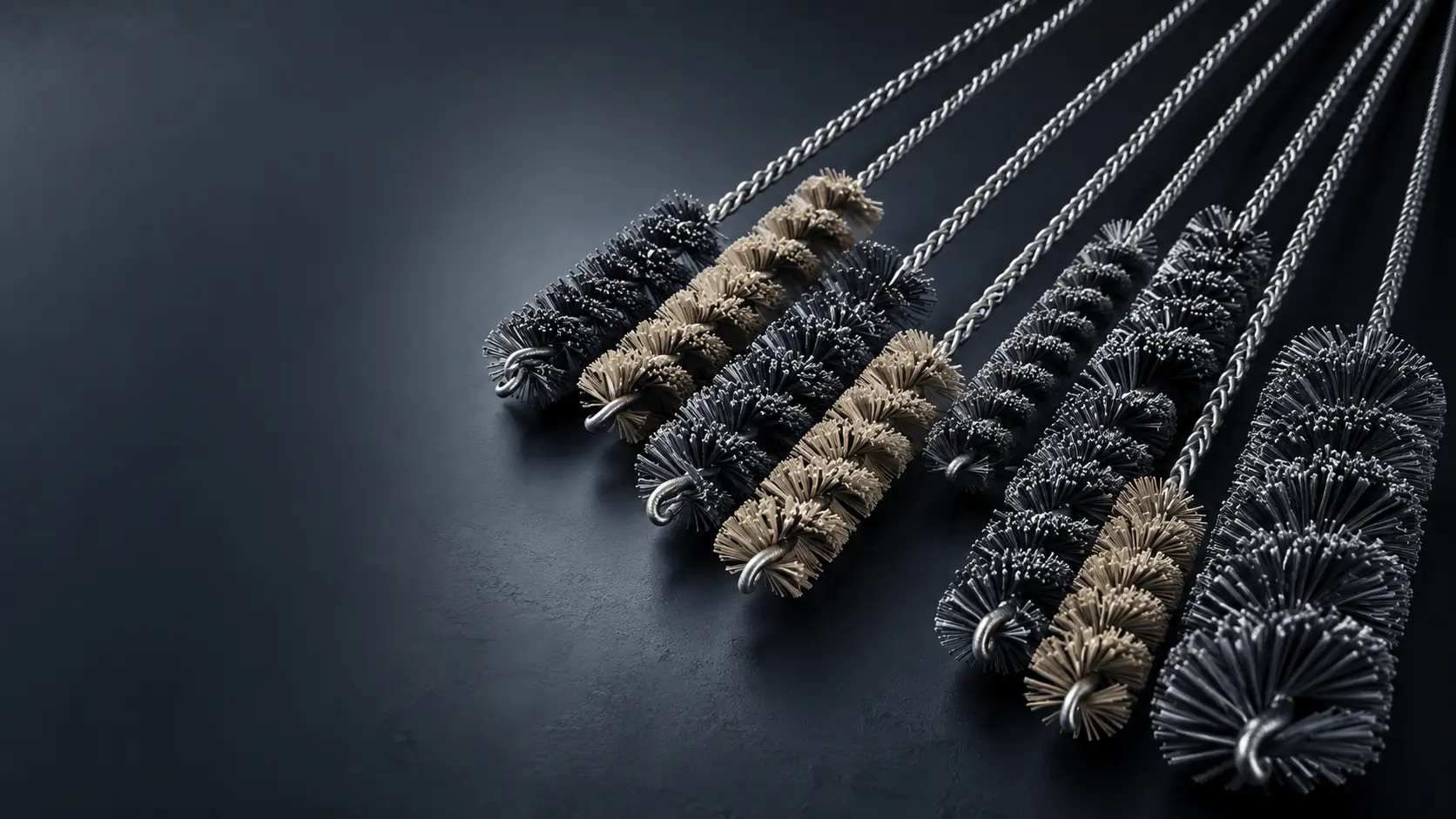
Custom pipe and tube brushes for internal cleaning, bore access, nozzle cleaning, and light internal deburring. Built to your required brush diameter, working length, stem wire, filament, and end style for OEM and replacement work.
Request a QuoteA pipe brush or tube brush is used to clean, wipe, deburr, or finish the inside of tubes, bores, ports, fittings, and narrow passages that cannot be reached by larger brush forms.
For custom industrial work, the brush is built around the actual passage geometry, required internal contact, filament, stem, and connection detail shown on the drawing.
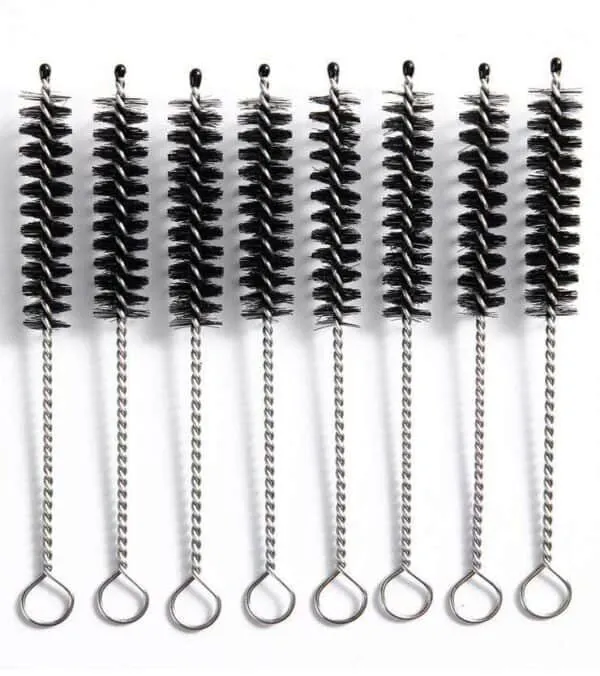
We manufacture single- and double-stem twisted-wire pipe brushes, then build the brush profile, tip, filament, dimensions, and connection details to the approved drawing.
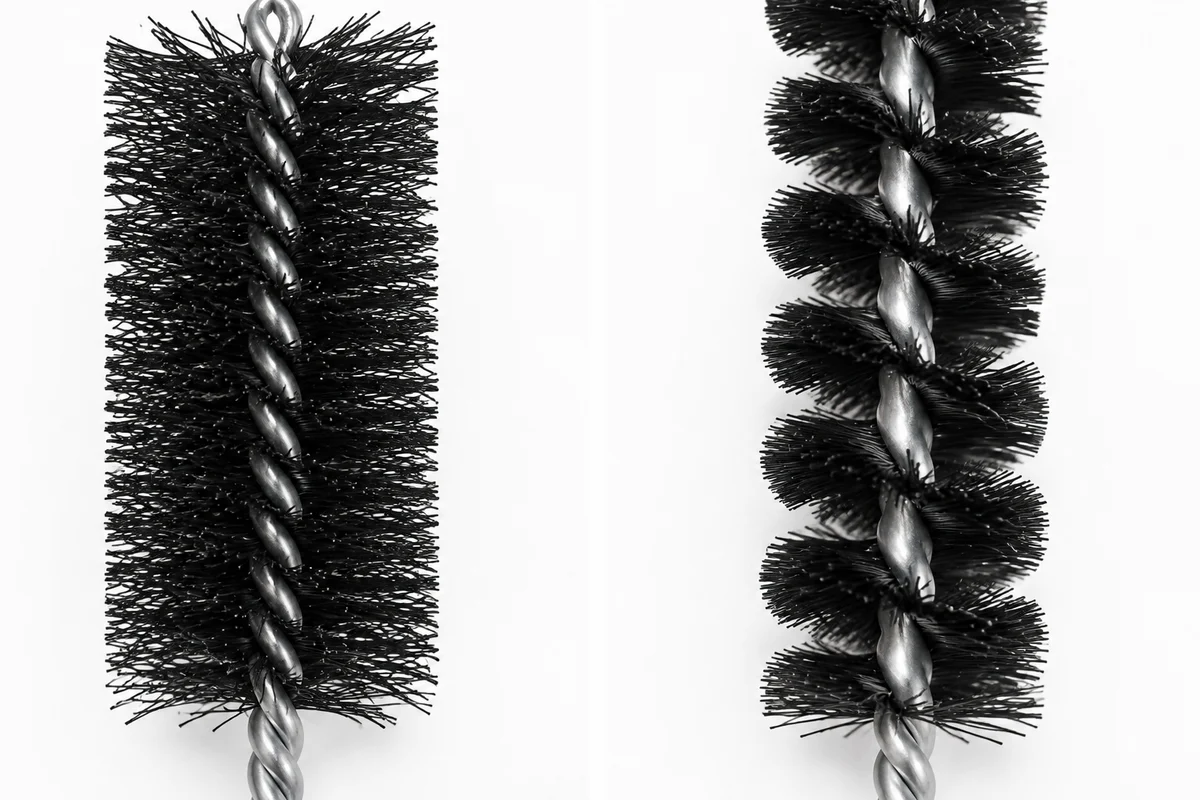
For routine cleaning in through holes, straight tubes, and internal passages where a standard working section is required.
Provides added core support. A double-spiral construction can also increase filament density for stronger cleaning, light deburring, or powered use.
We can manufacture standard cylindrical, blind-hole, tapered, or stepped working profiles to match the actual passage geometry and required contact.
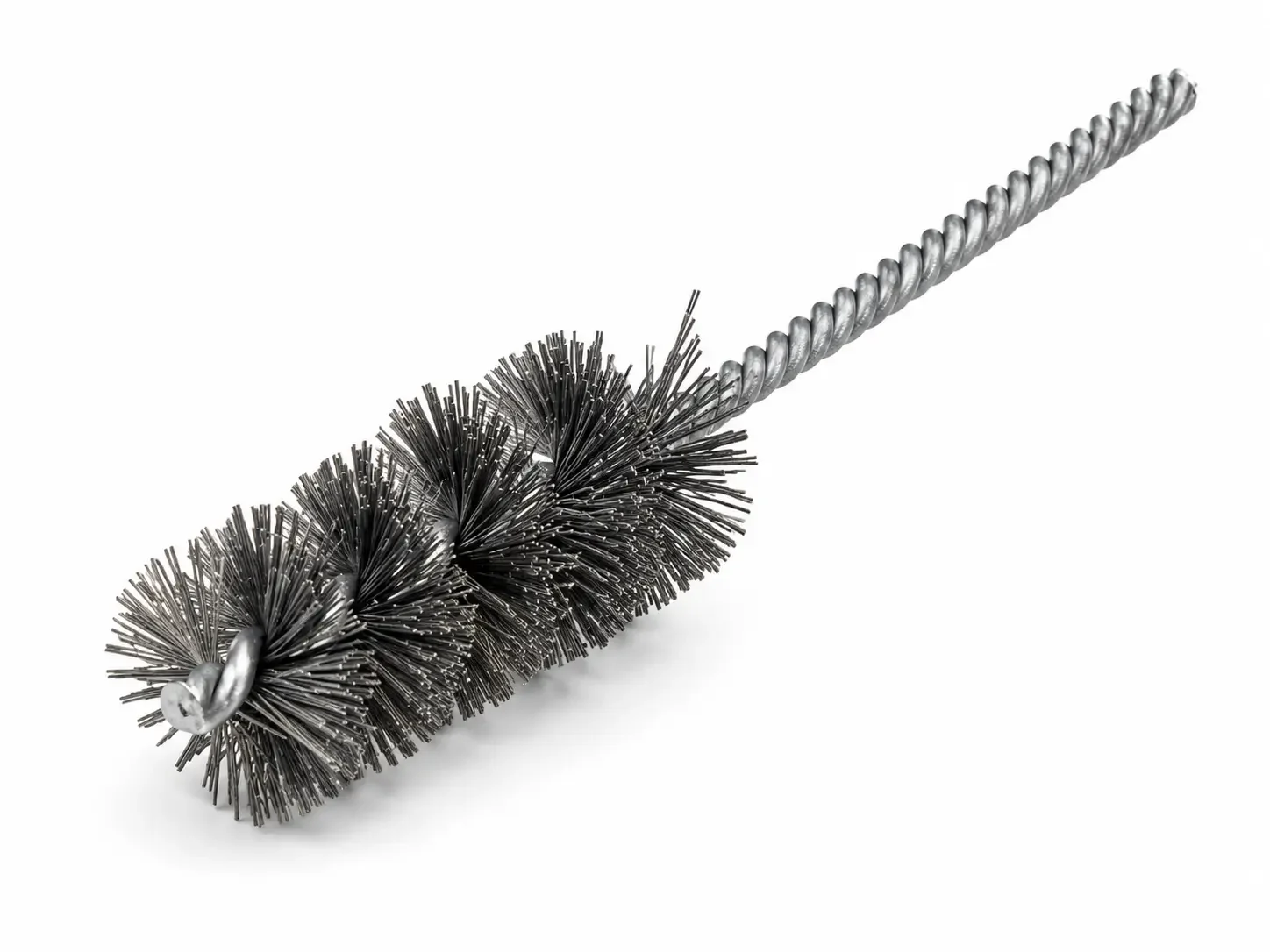
For through holes and straight tubes.
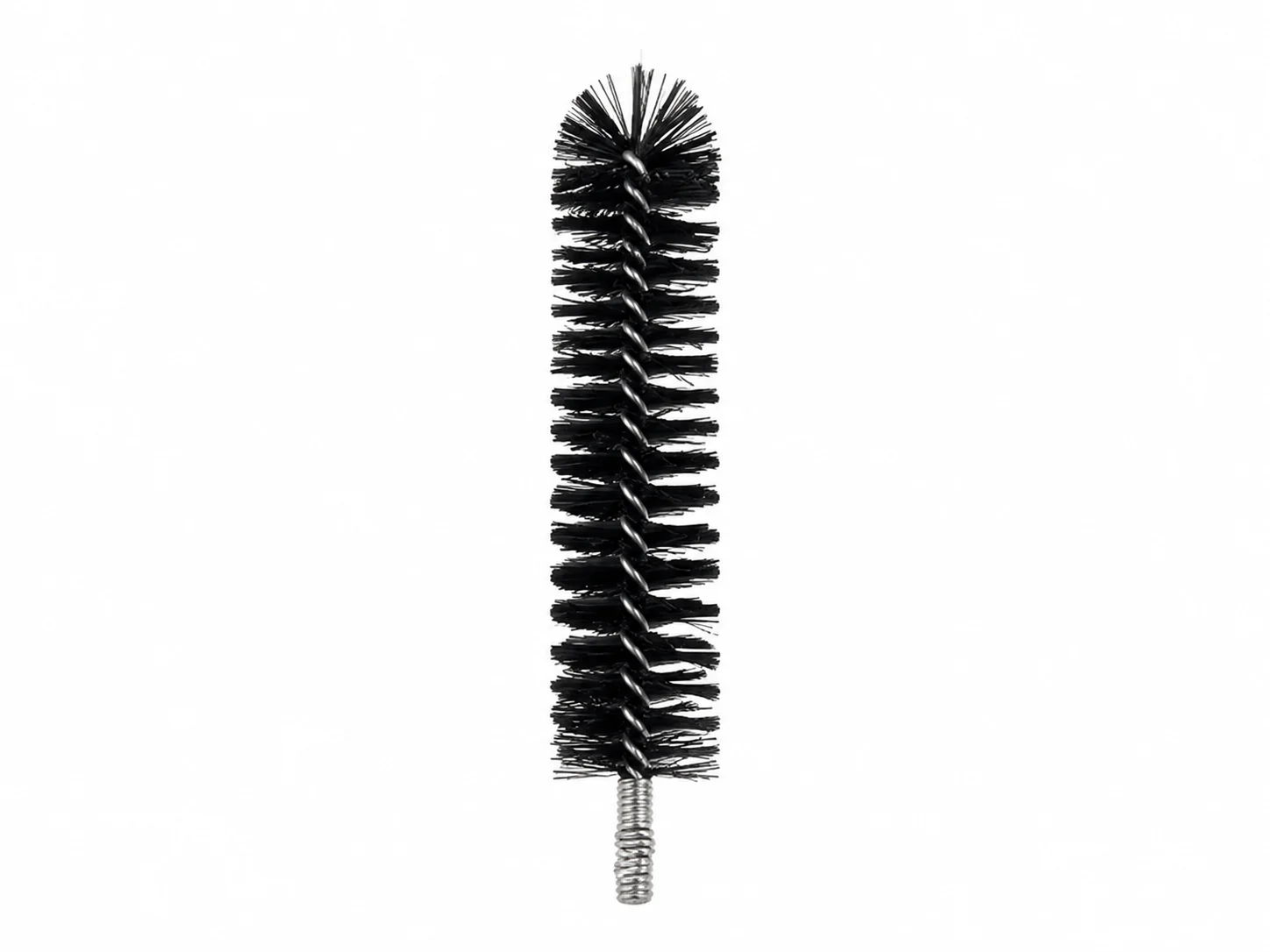
For bottom contact in blind holes and closed passages.
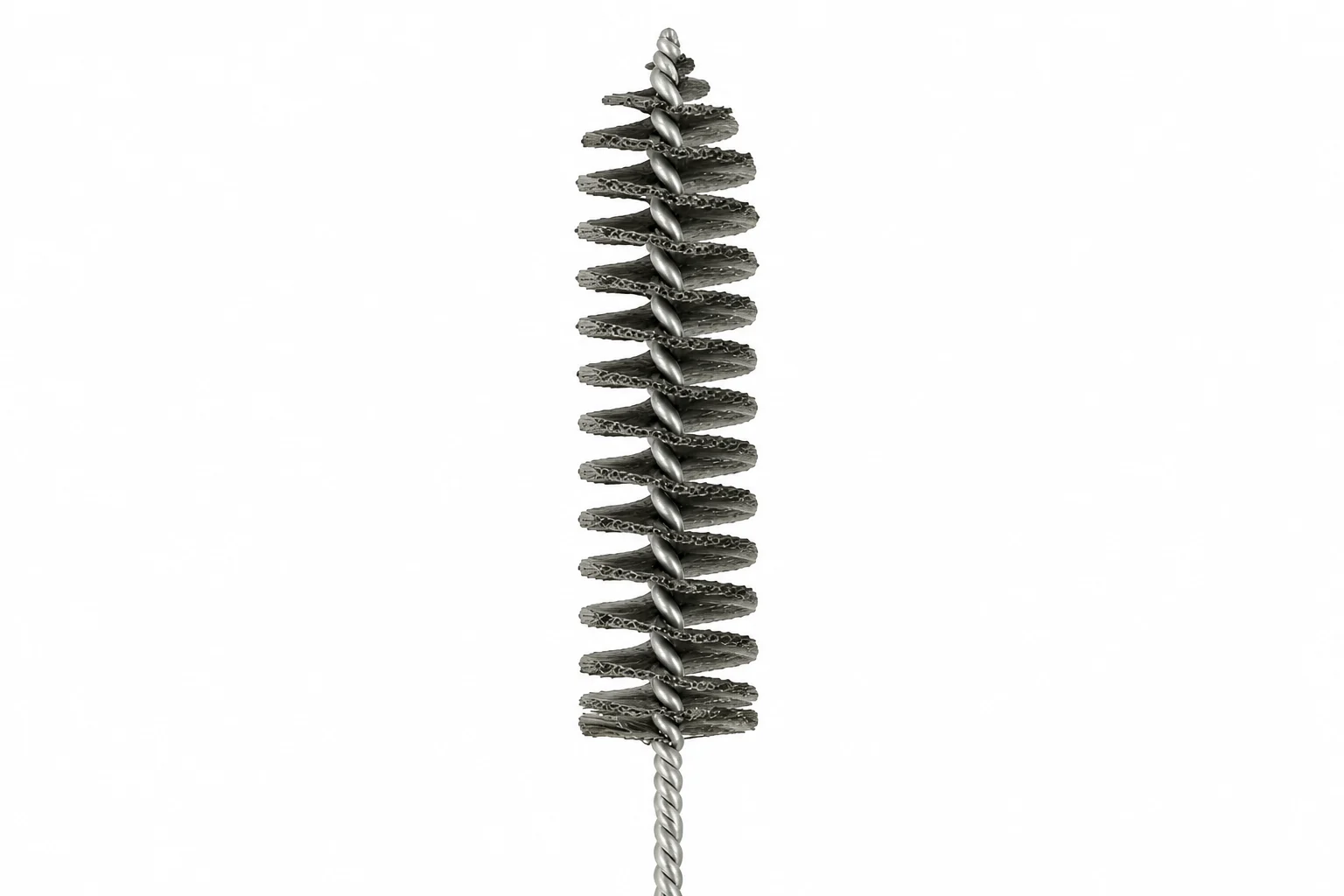
For changing diameters or a specified access profile.
We can provide plain shanks, threaded ends, loop handles, hex ends, or flexible-shaft interfaces when the required connection is defined on the approved drawing.
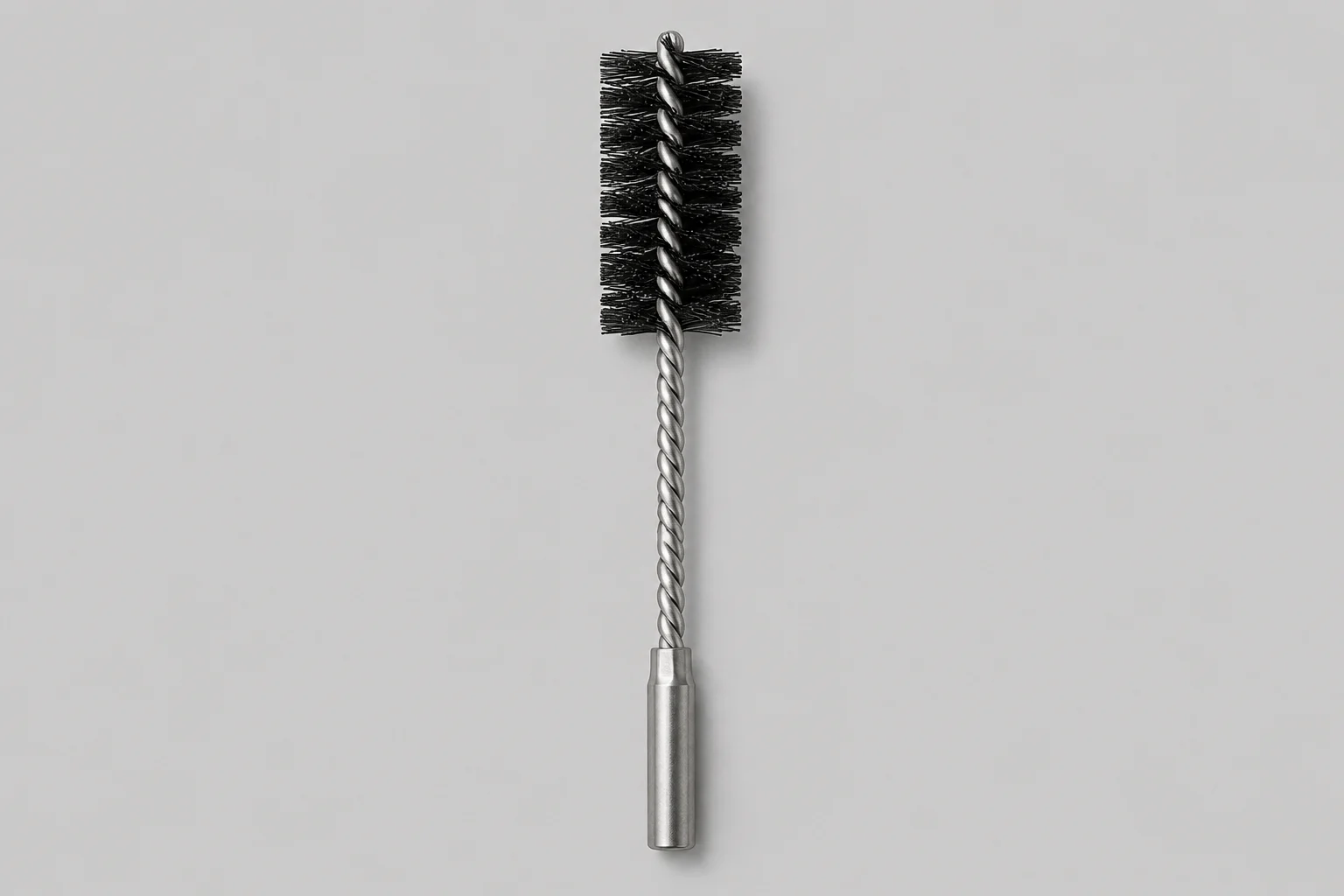
For a drill chuck, pneumatic tool, CNC, or equipment fixture where defined on the drawing.
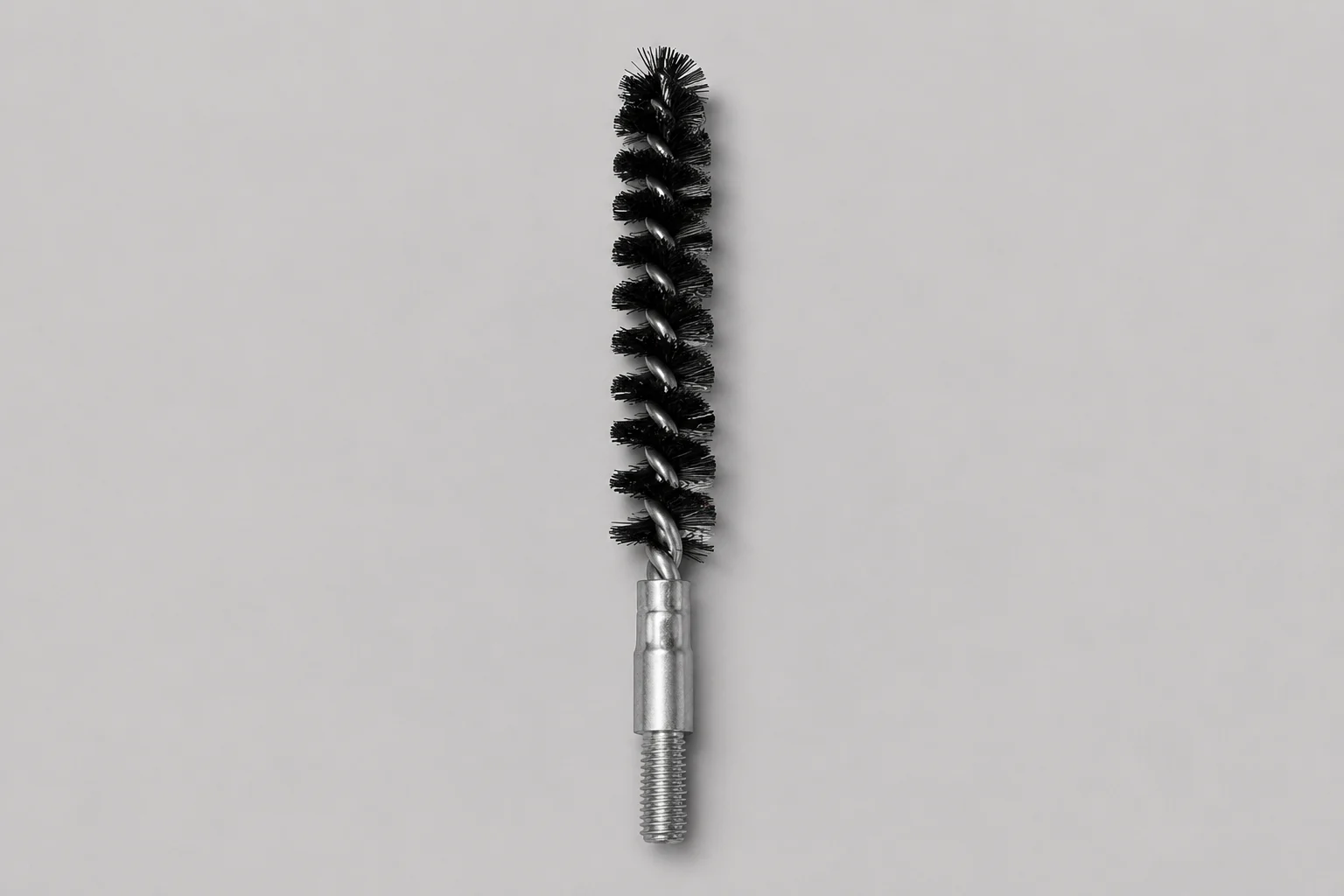
For a handle, extension rod, or specified tube-cleaning connection.
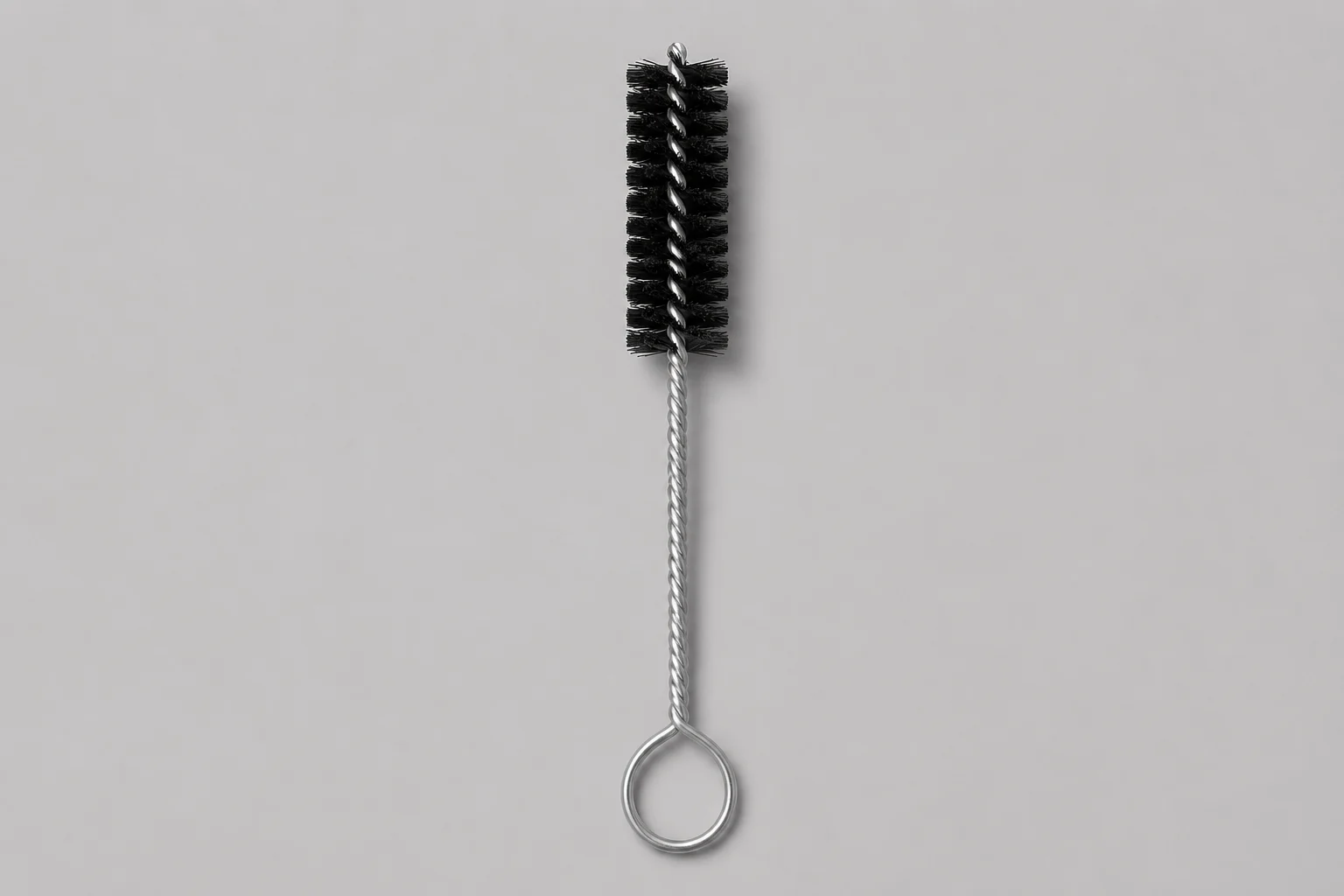
For manual handling or a specified draw-through cleaning method.
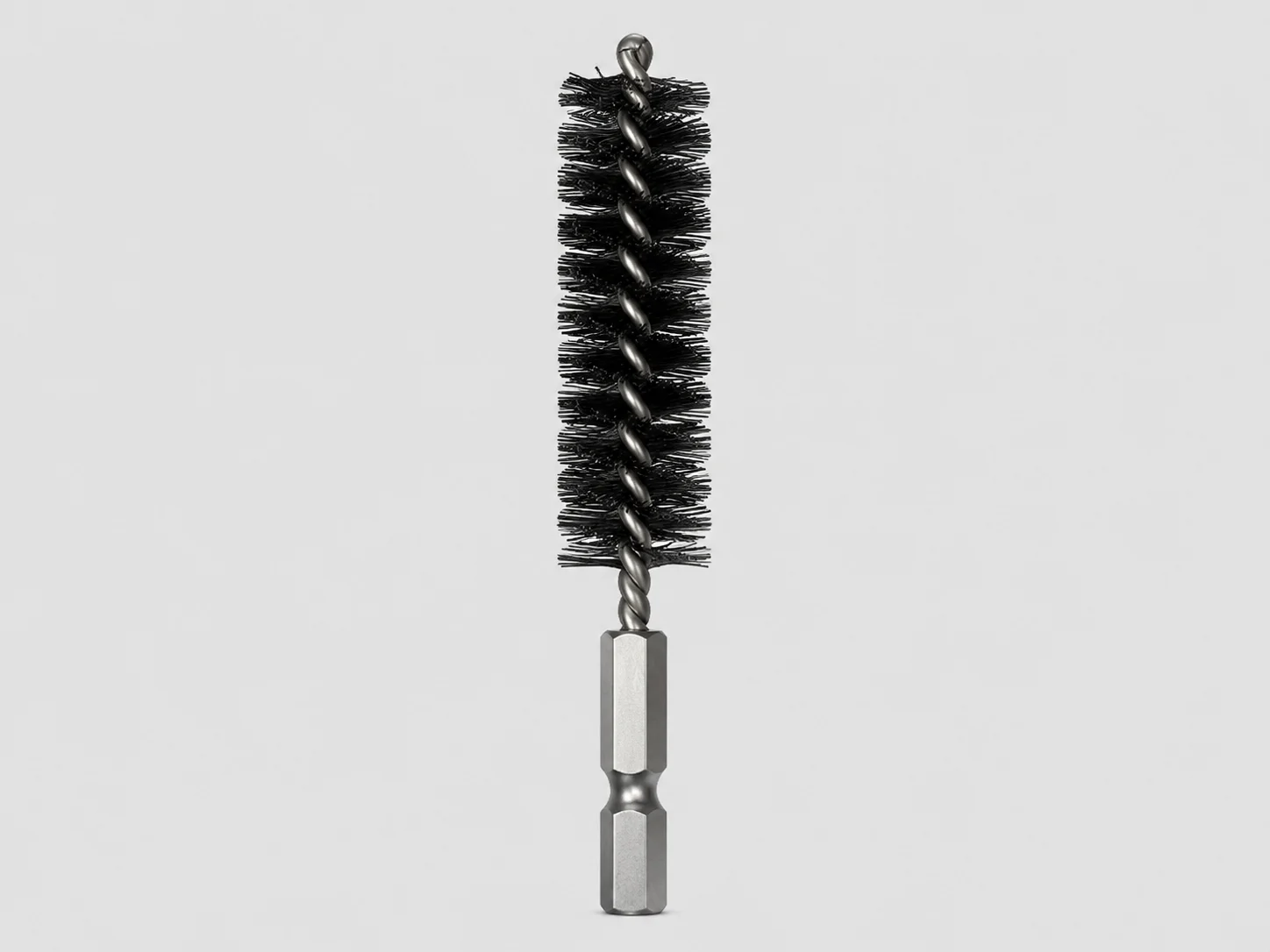
For a specified hex tool or quick-change connection shown on the drawing.
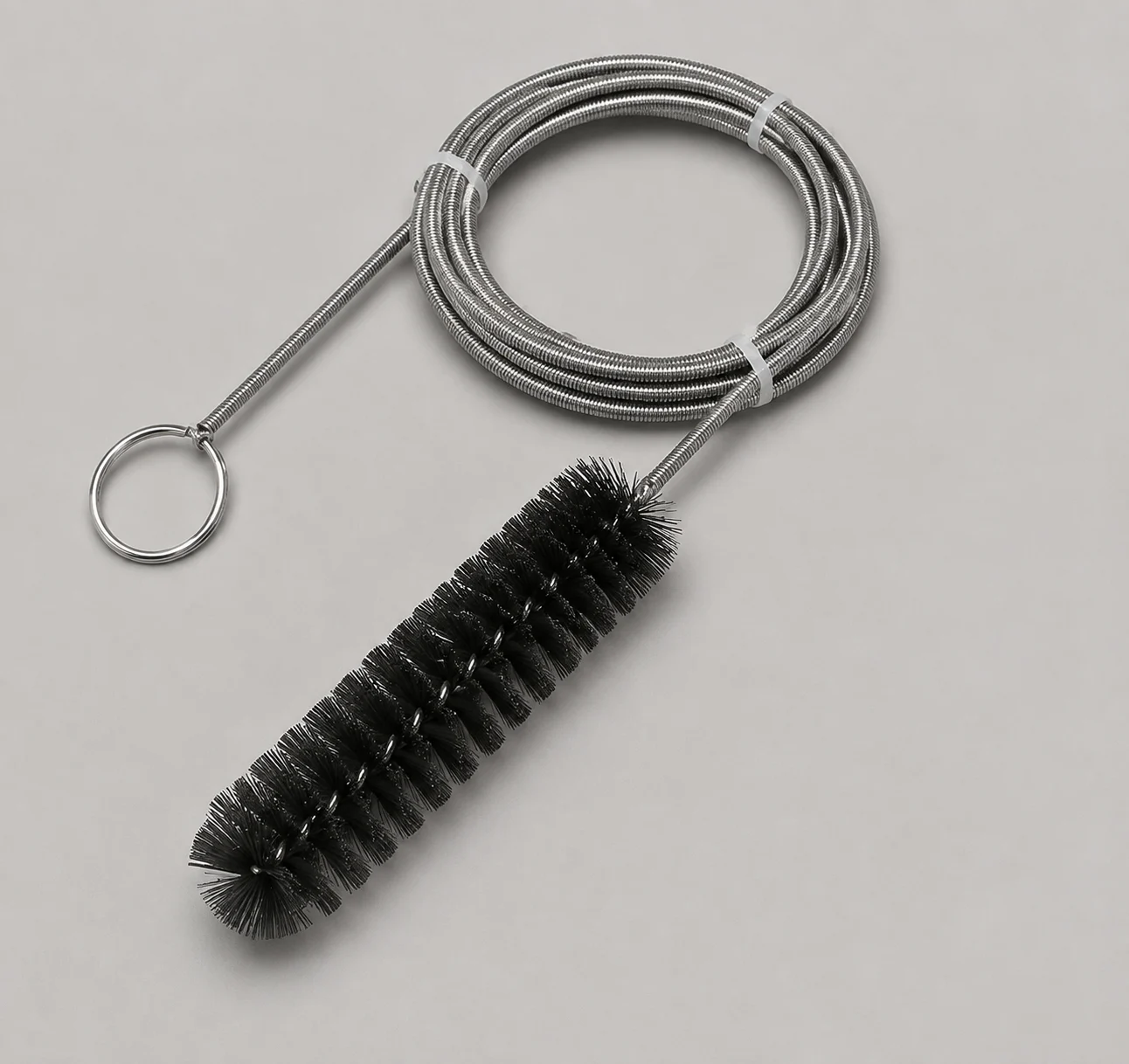
For long-reach or flexible-shaft systems where the supplied interface is defined.
Select the build around the internal task and the actual passage geometry.
For a custom pipe or tube brush, send a drawing that identifies the actual tube ID, target brush diameter, working length, overall length, filament, stem, and end or connection detail.
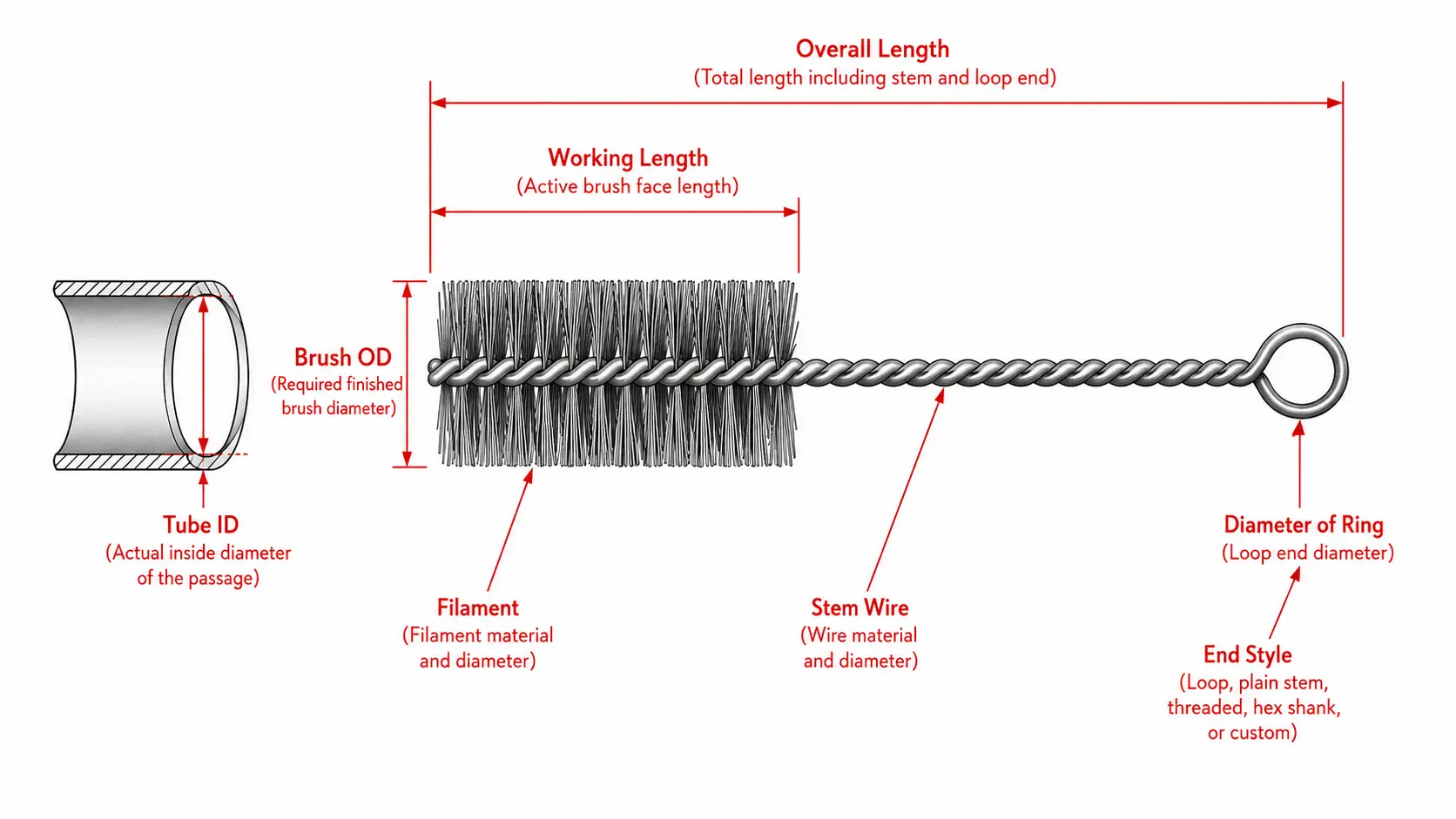
Include dimensions, tolerances where fit is critical, material requirements, and the required end or mounting detail on the drawing.
Material selection should be based on tube material, contamination type, finish sensitivity, and whether the job is cleaning, wiping, or light deburring.
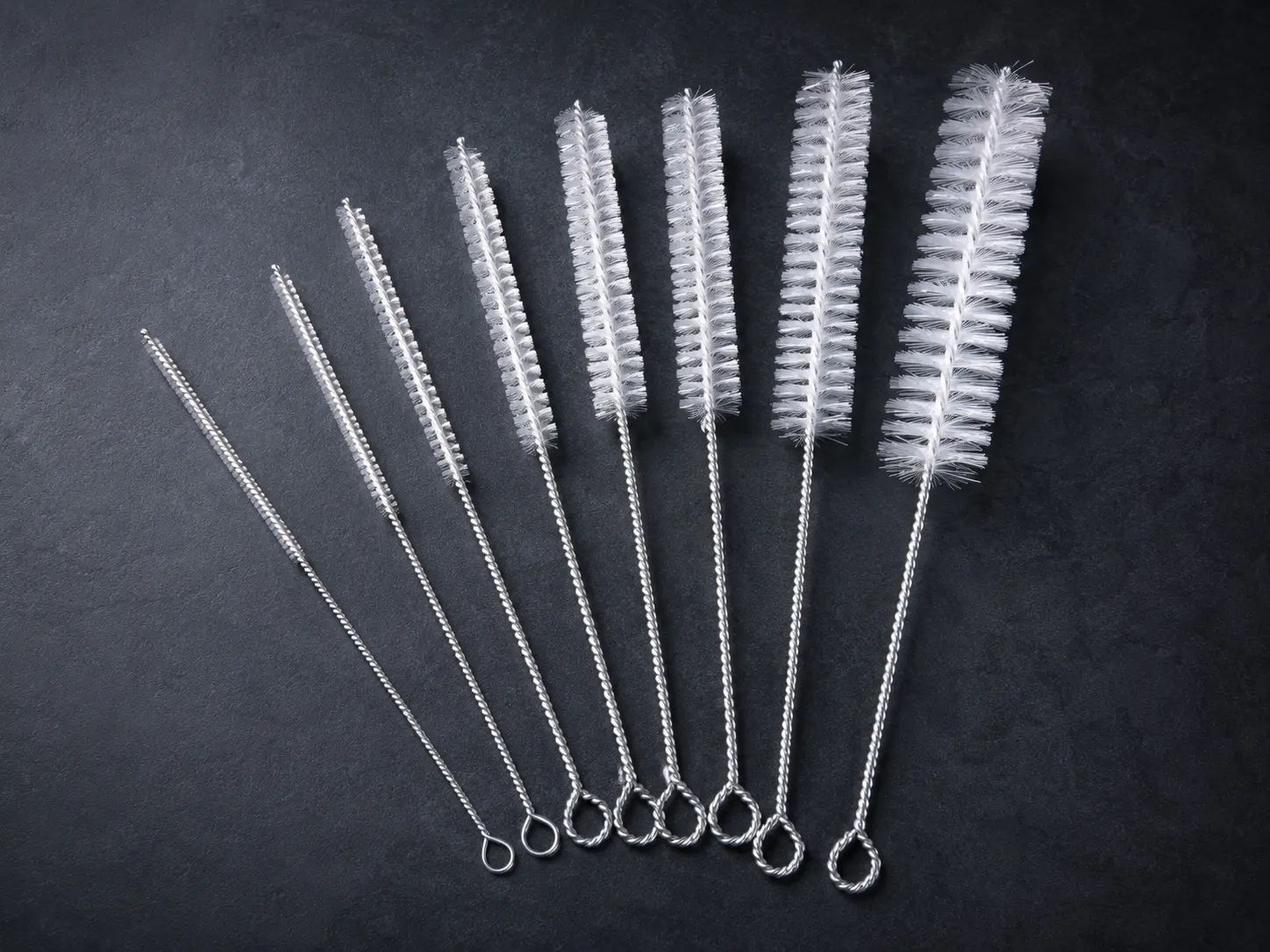
Suitable for general internal cleaning, lighter contact, and applications where a non-metal filament is preferred. PA grades can be reviewed for wear, recovery, and process temperature.
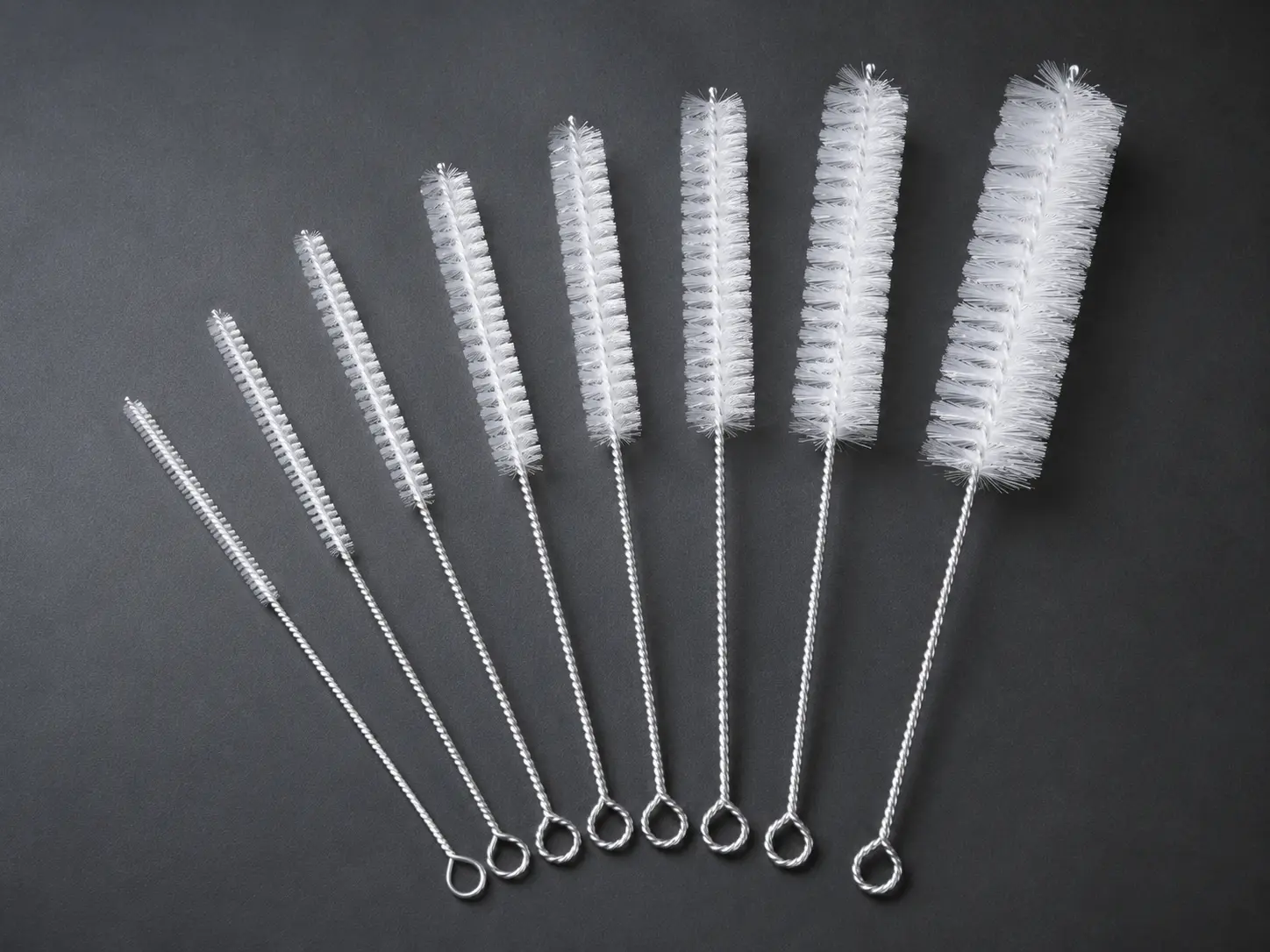
Suitable for wet cleaning, chemical exposure, and applications that need a moisture-tolerant synthetic material inside tubes or passages.
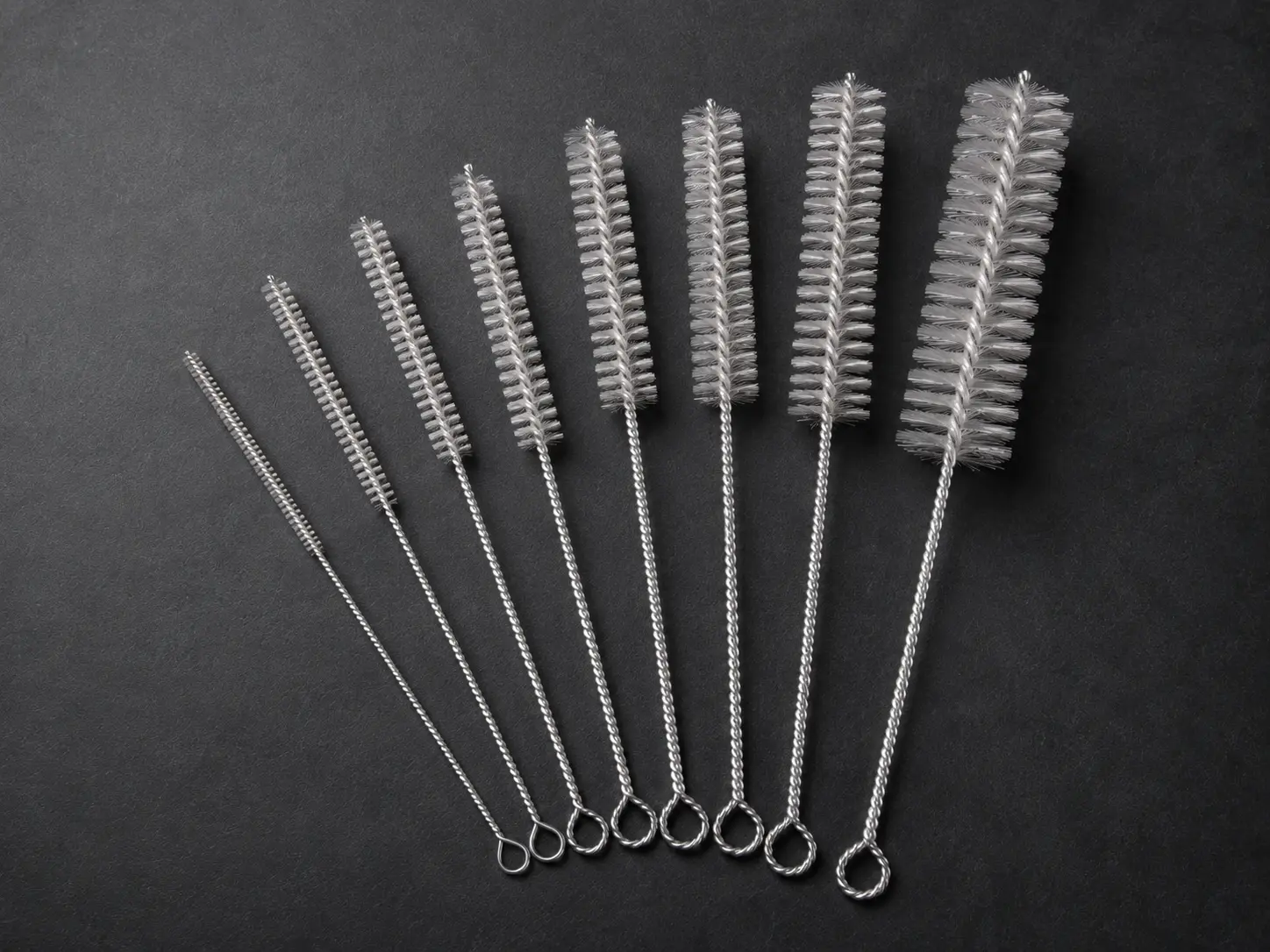
Suitable for light internal deburring, edge conditioning, and controlled internal finishing. Silicon carbide, aluminum oxide, or ceramic abrasive may be selected for the required result.
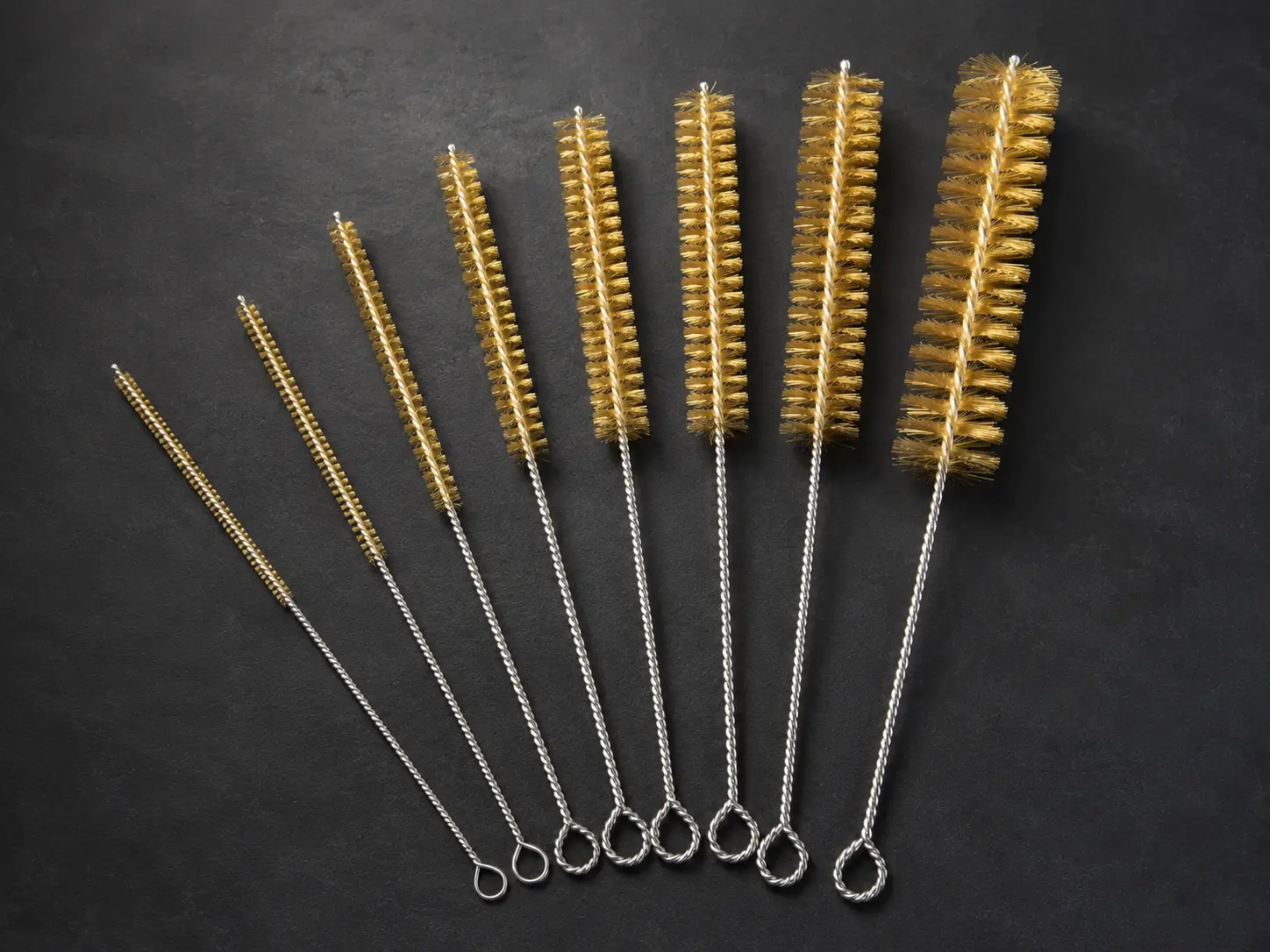
Suitable where a softer metal wire is preferred for lighter residue removal or compatibility with certain workpieces.
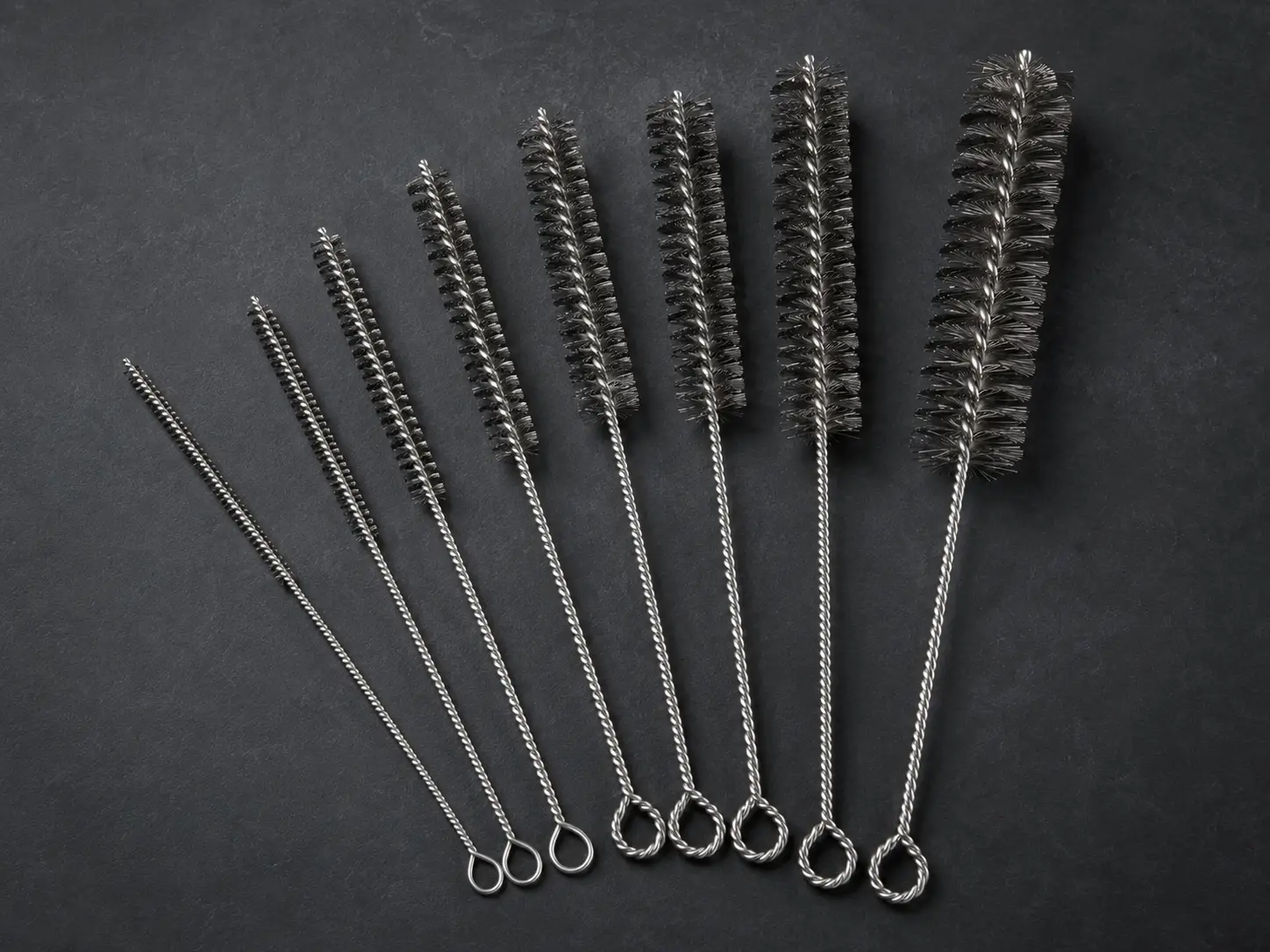
Suitable for stronger brushing action, tougher deposits, and more aggressive internal cleaning.
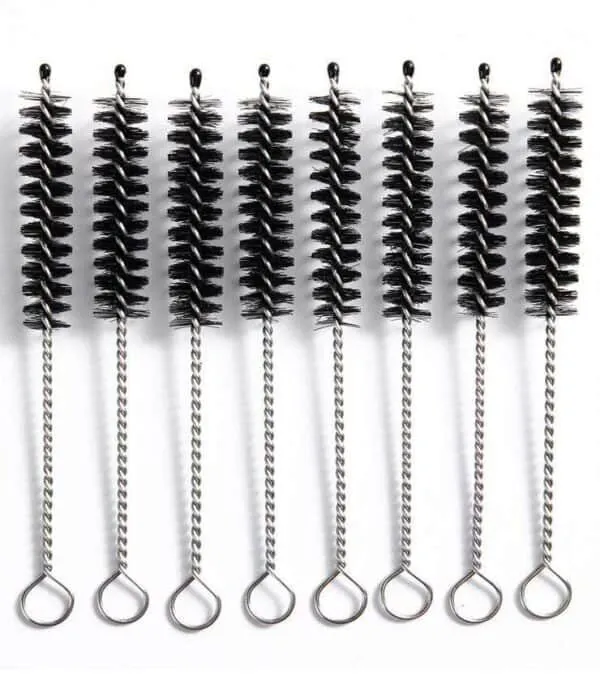
Suitable for wet or corrosive environments and where stainless workpieces call for better corrosion resistance.
Send a drawing, marked sketch, or sample showing the tube or bore ID, target brush diameter if known, working length, overall length, filament, stem, tip or end connection, cleaning task, manual or powered use, and required quantity.
Start with the actual tube or bore inside diameter. The finished brush outside diameter is normally specified slightly larger than the bore ID so the filaments flex and maintain contact with the internal wall during cleaning. There is no universal oversize percentage: the correct interference depends on the filament material and diameter, fill density, required cleaning force, workpiece surface, and whether the brush is pushed, pulled, or powered. Provide the actual bore ID and operating method so the target brush OD can be confirmed on the drawing.
Yes. State whether the brush will be pushed, pulled, rotated by a powered tool, or installed in equipment. For powered or machine-mounted use, provide the tool or mounting interface and operating speed so the stem, connection, and brush construction can be reviewed for the process.
Yes. Plain shanks, specified collet interfaces, threaded ends, loop handles, hex ends, and flexible-shaft interfaces can be reviewed. Show the dimensions and connection detail on the drawing so the brush matches the actual handle, extension, tool, or fixture.
Specify the tube or bore material, residue or burr, required cleaning force, finish sensitivity, temperature, and chemical exposure. Nylon and other synthetic fills suit many cleaning tasks; metal wire provides stronger mechanical action on compatible surfaces; abrasive nylon is reviewed for controlled light deburring or internal finishing.
Yes. Send a drawing with the required dimensions, tolerances, materials, and connection detail for replacement confirmation.
Custom production from your drawing. Large-volume production is supported for OEM and replacement projects.