Main brush replacement by machine model
For requests such as Tennant 6100, Tennant 800D, Tennant T20, Viper PS480, Dulevo, Karcher, Johnston, or Elgin style main brushes, the machine model is useful but the brush dimensions still need to be checked.


Custom road sweeper brushes, sweeper brooms, and replacement brush assemblies for municipal, contractor, airport, parking-lot, and industrial sweeping equipment.

Sweeper brushes are wear parts. The buyer usually needs a brush that fits the machine first, then performs correctly on the pavement, debris, and sweeping speed in daily service.
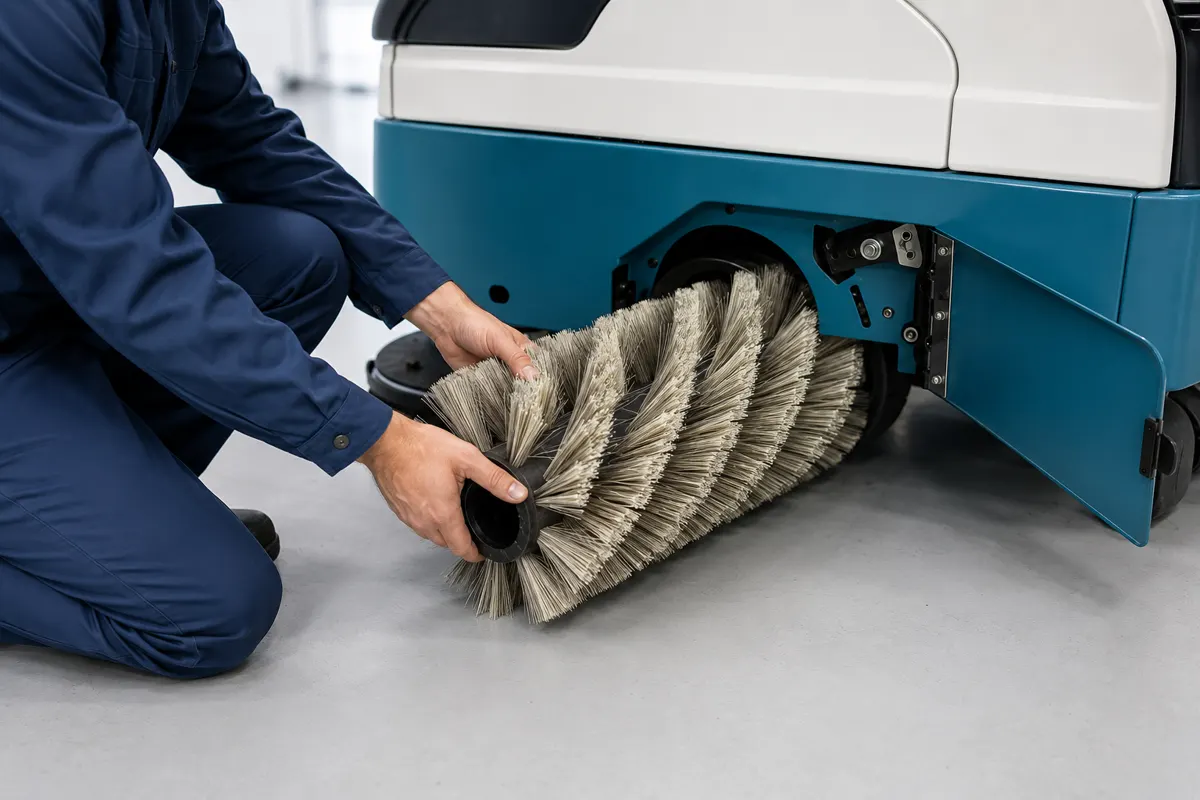
For replacement projects, a machine model, brush photo, worn sample, or measured drawing helps confirm the core, mounting, brush diameter, fill type, and working length before production.
Many sweeper brush buyers search by machine model or original brush position first. Brand and model names can help identify the starting direction, but the final quote still depends on the measured brush body, mounting detail, bristle material, and working surface.
For requests such as Tennant 6100, Tennant 800D, Tennant T20, Viper PS480, Dulevo, Karcher, Johnston, or Elgin style main brushes, the machine model is useful but the brush dimensions still need to be checked.
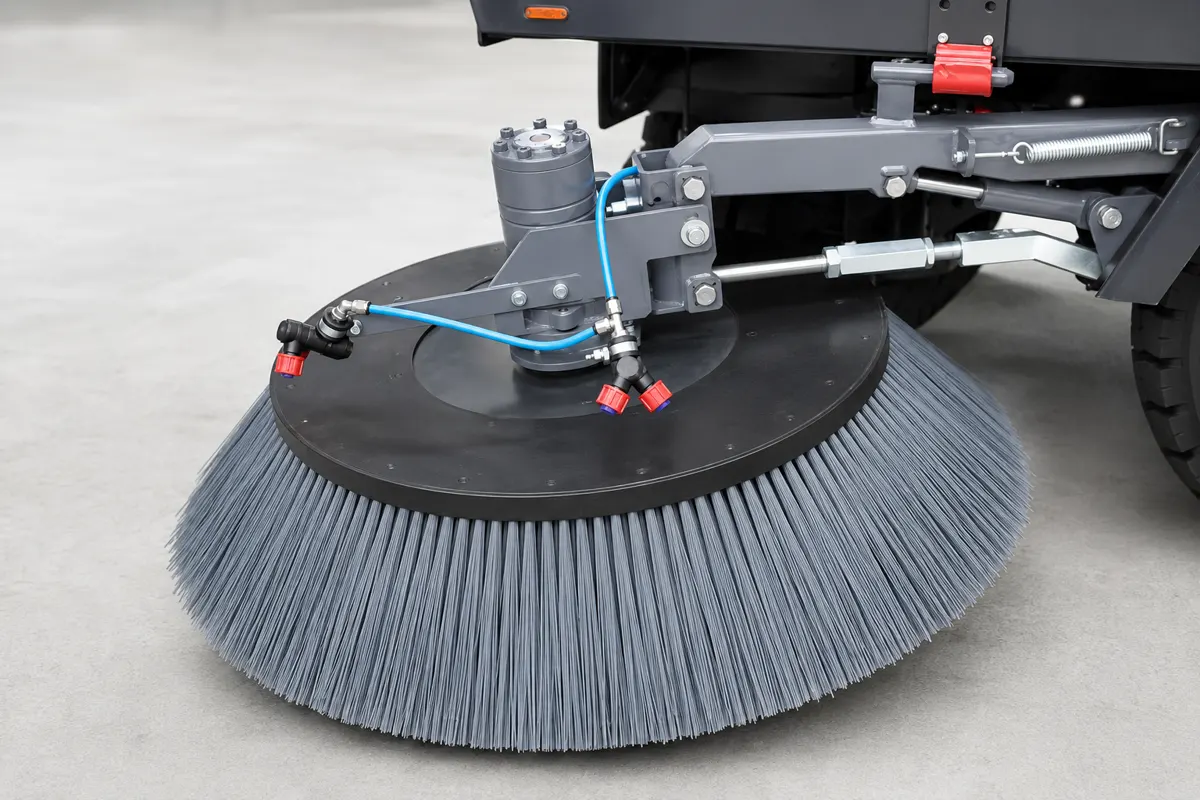
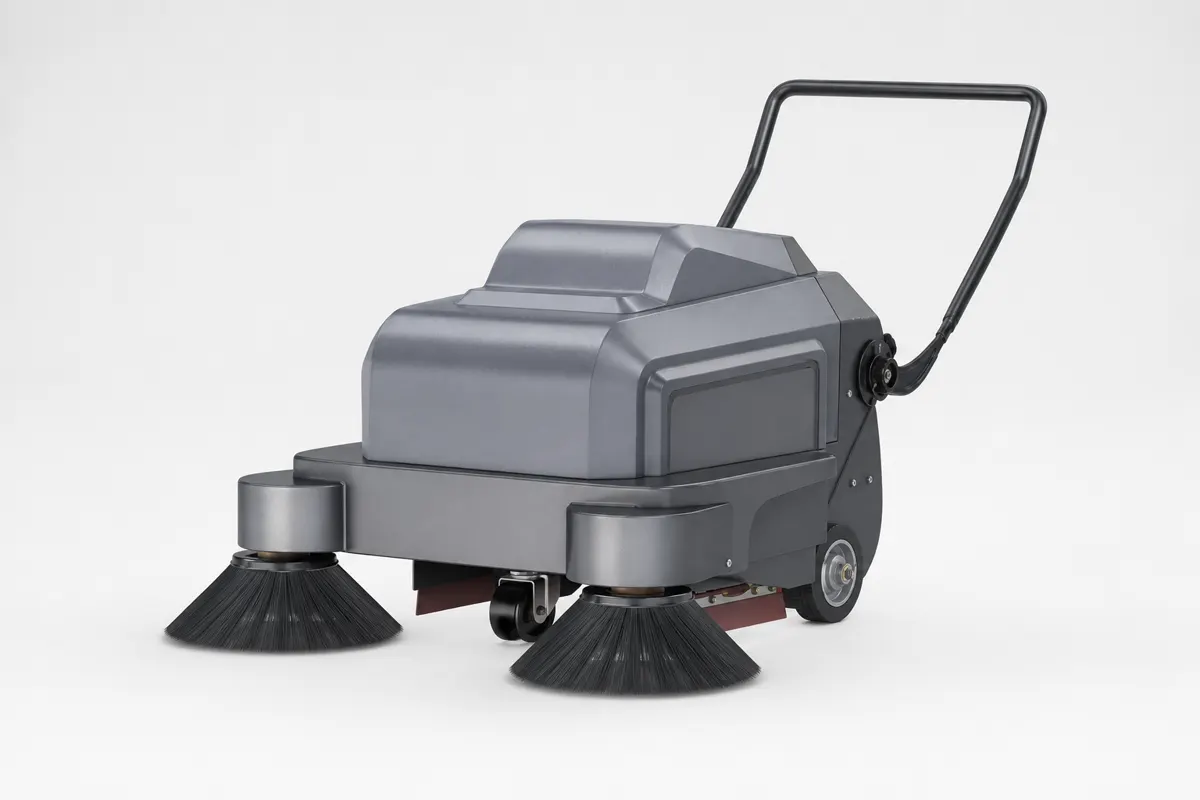
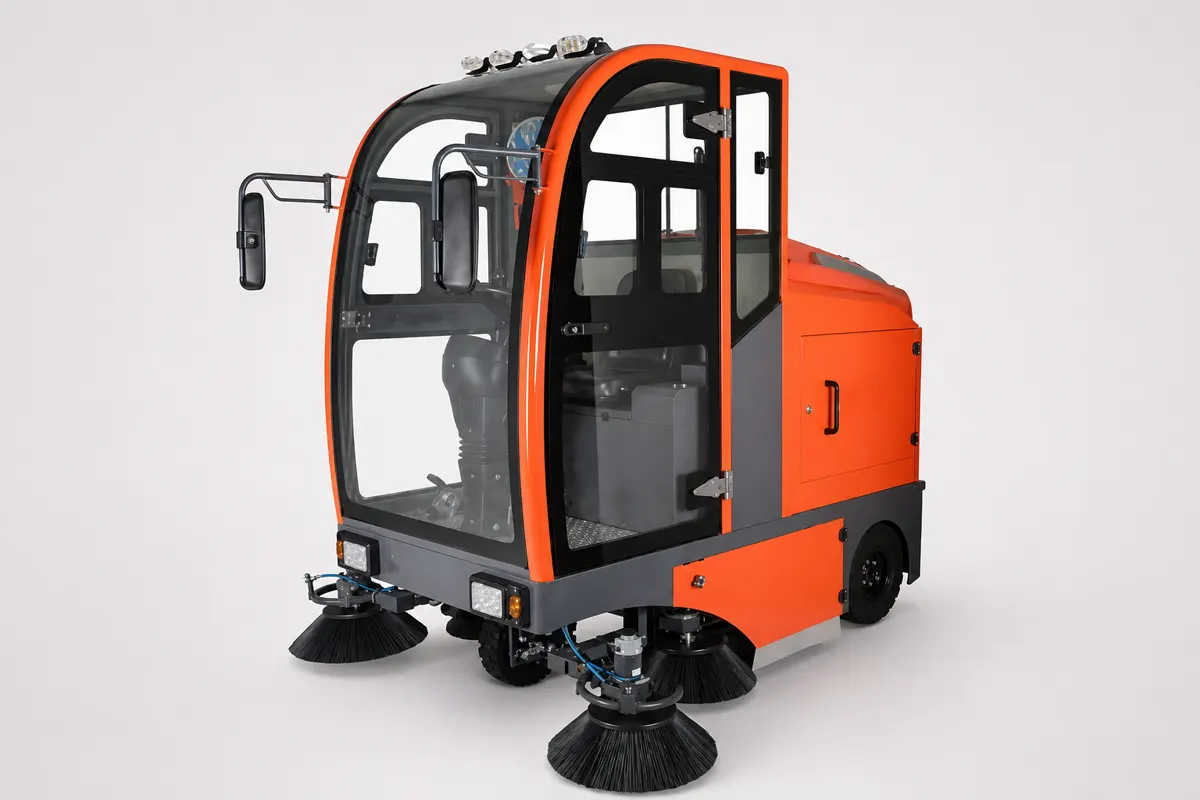
Side brooms and gutter brooms are selected by top plate, bolt pattern, brush diameter, wire or poly fill, and whether the brush is used for curb lines, corners, or heavier edge debris.
View side brushes & gutter brooms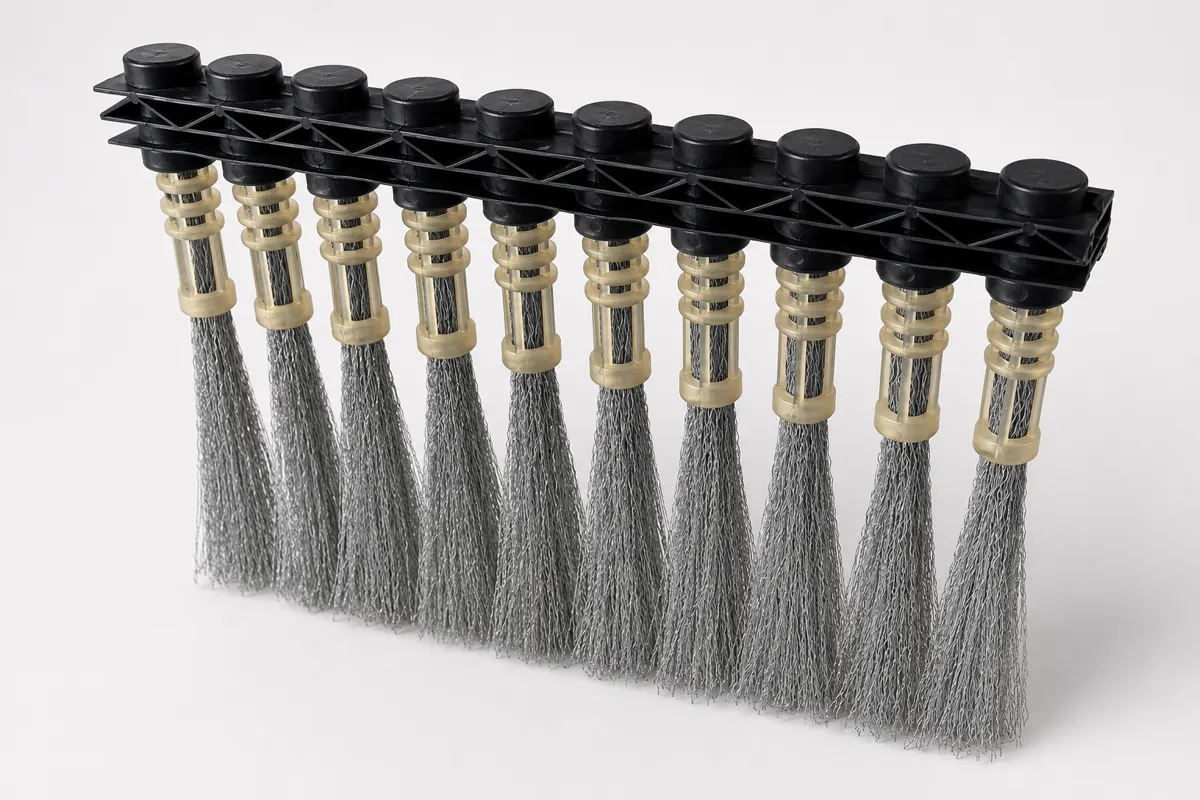
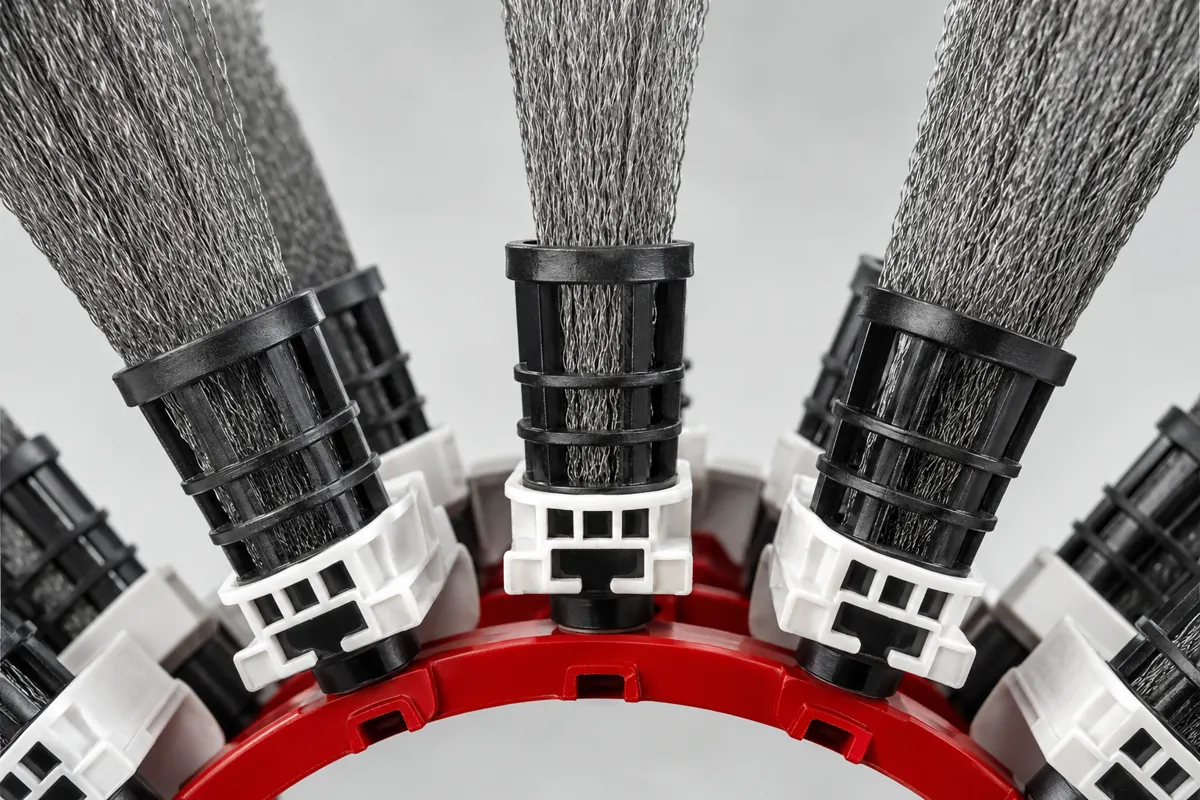
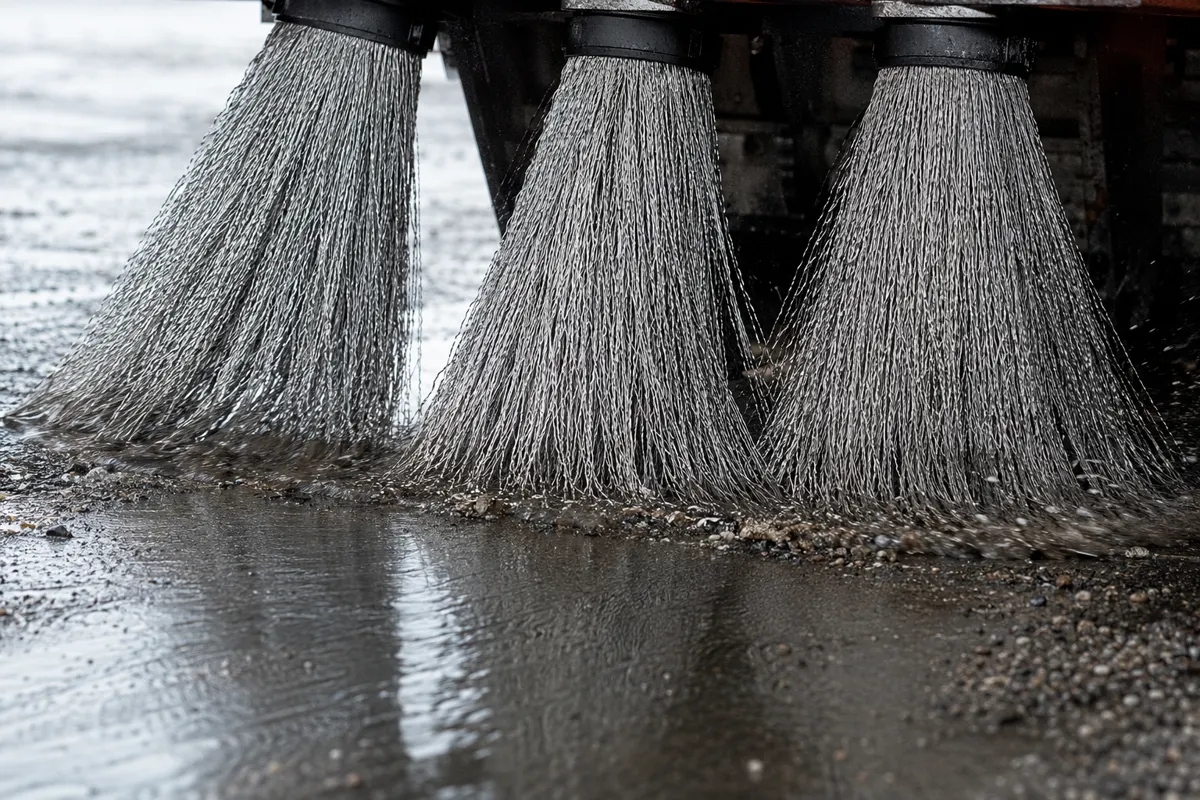
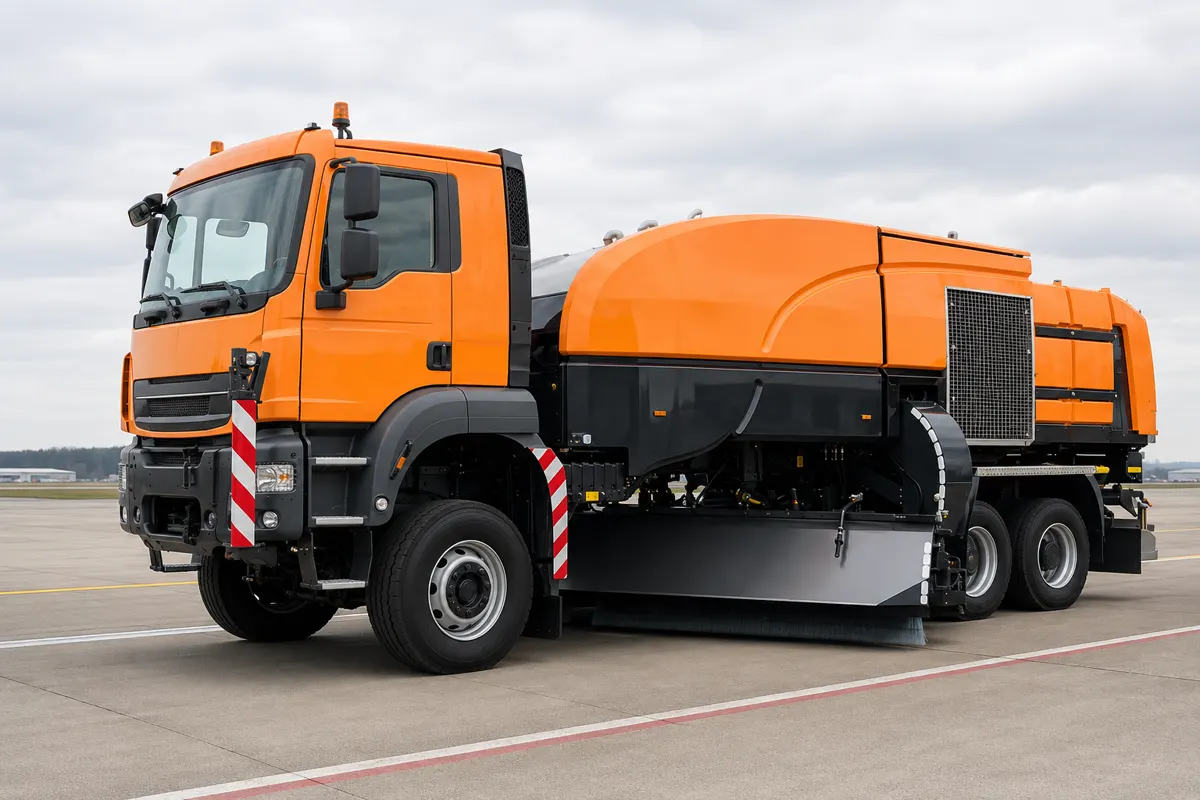
Wafer and segment brushes are often matched by inner diameter, outside diameter, channel type, wafer stack, section count, and road, snow, or airport runway sweeping conditions. Airport cassette systems require separate confirmation of the cassette profile, core layout, fill, and complete-set quantity.
View airport runway brush cassettesMachine and brand names are used only as replacement-fit references. Brushcustom is not affiliated with those equipment brands.
Most sweeper brush requests start from the brush position and machine fit. Confirm the dimensions, mounting, fill material, and operating surface before replacement production.
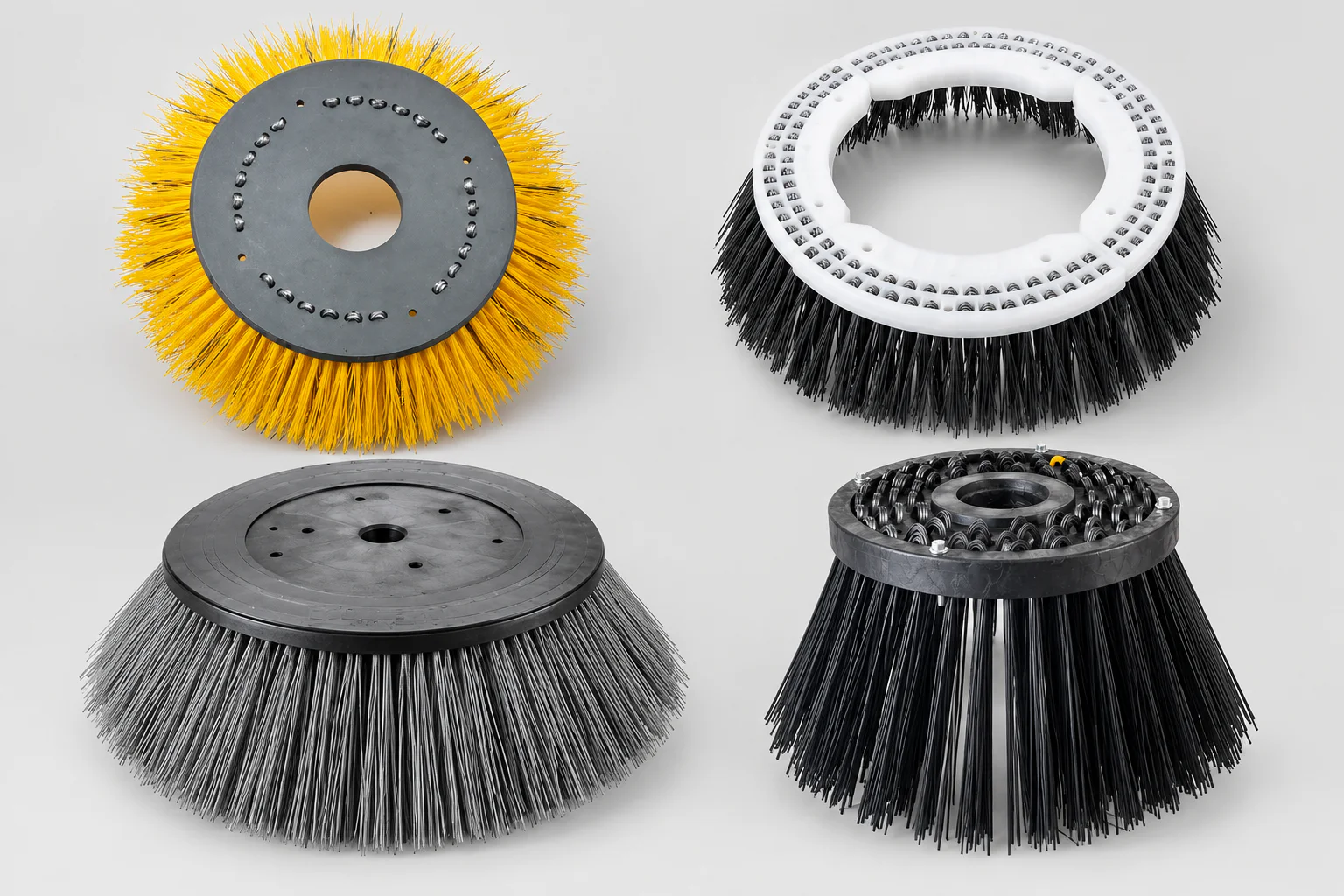
Used to move debris from curb lines, corners, machine edges, and side paths into the main sweeping area.
View side brushes & gutter brooms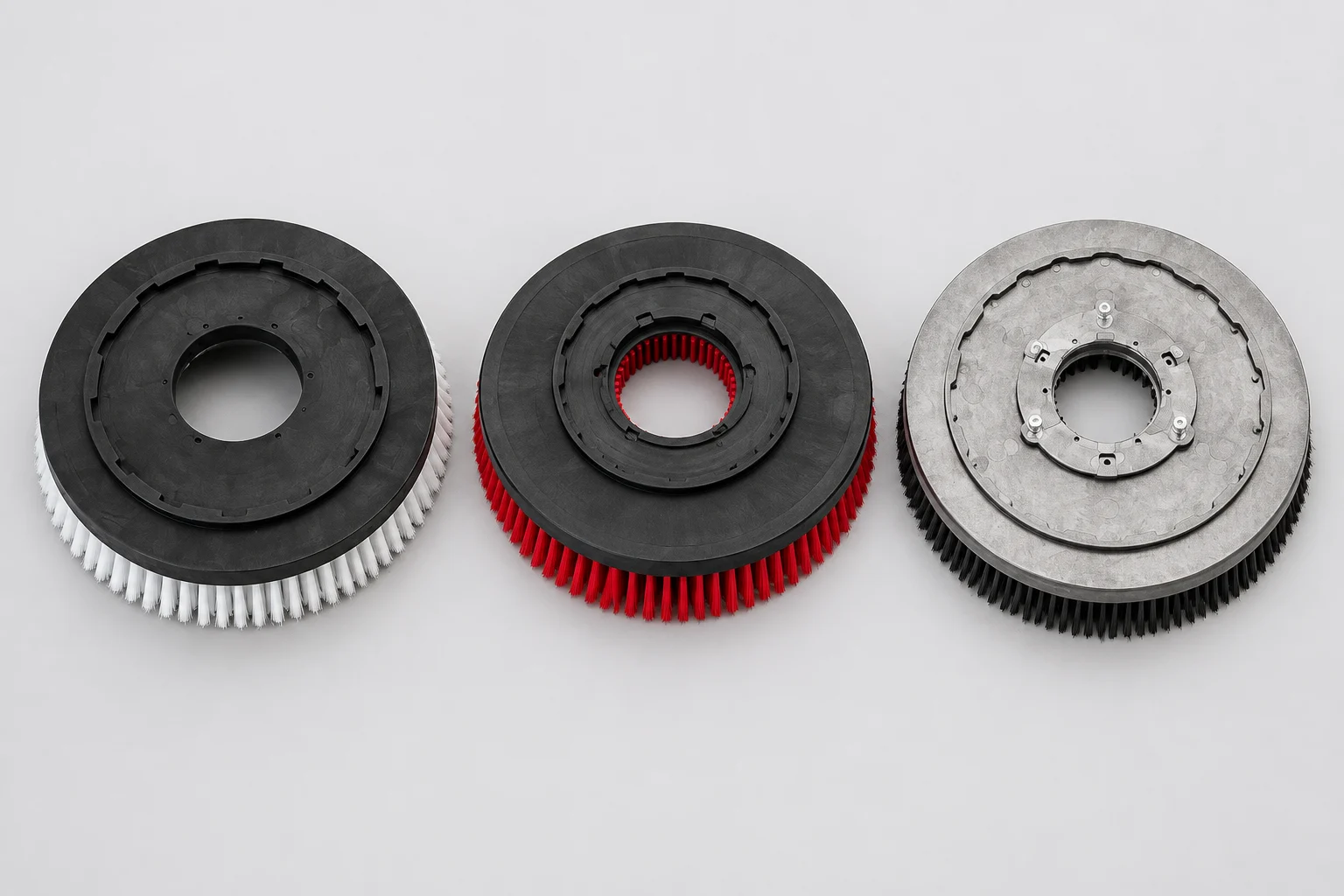
Round machine-mounted disc brushes manufactured to the confirmed diameter, brush base, center opening, fill material, and cleaning duty.
View floor scrubber disc brushes
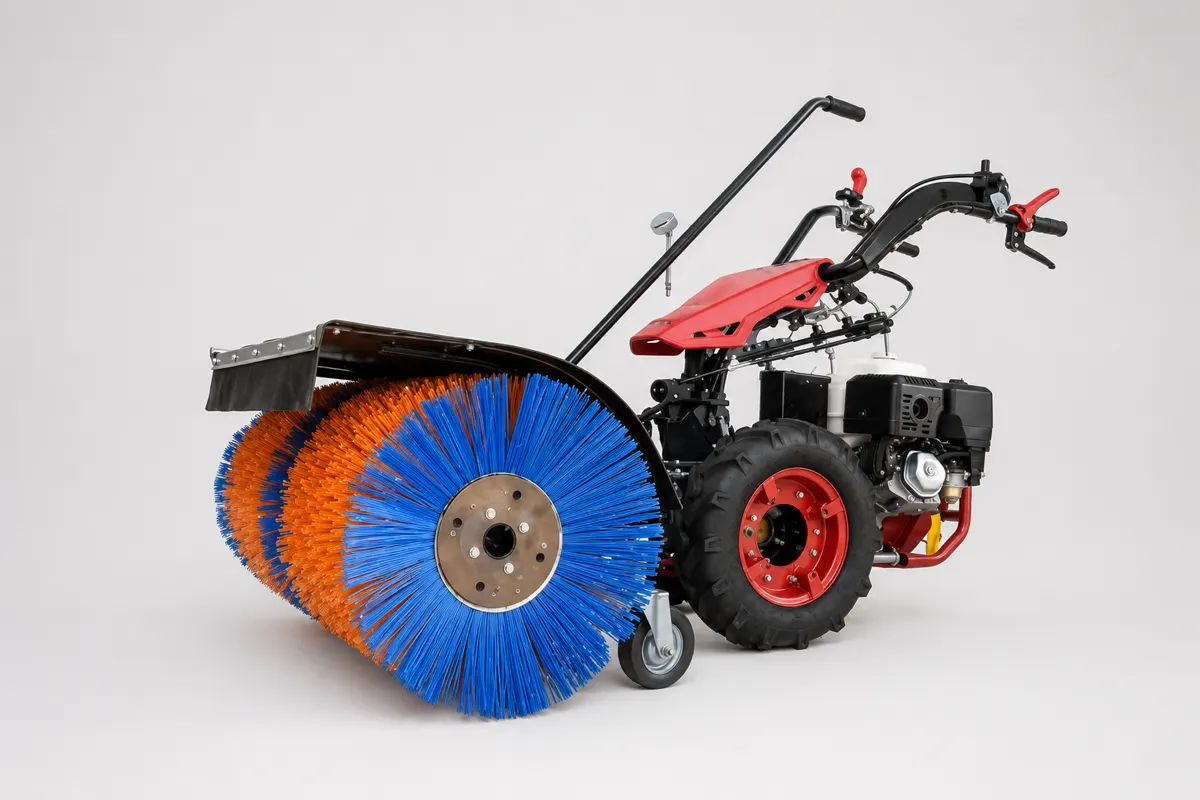
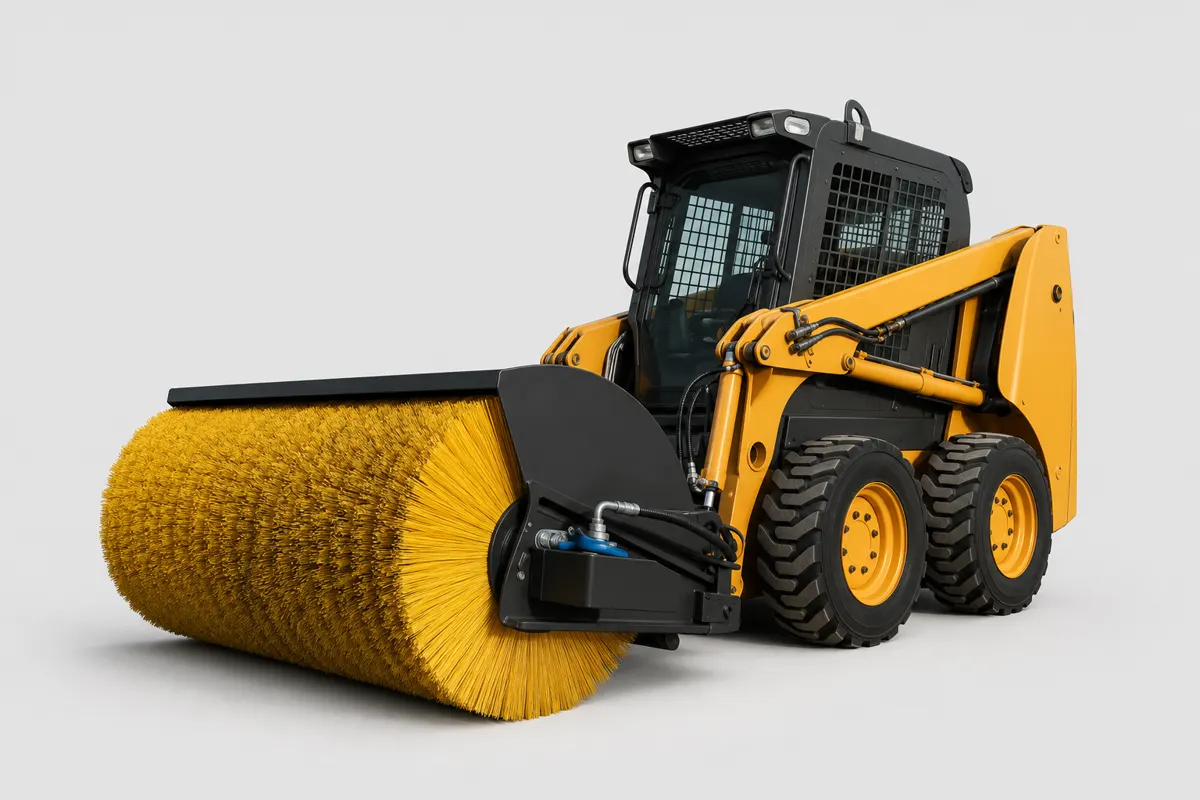
Used on forklift-mounted and compact sweeper attachments for warehouses, factory yards, and paved work areas.
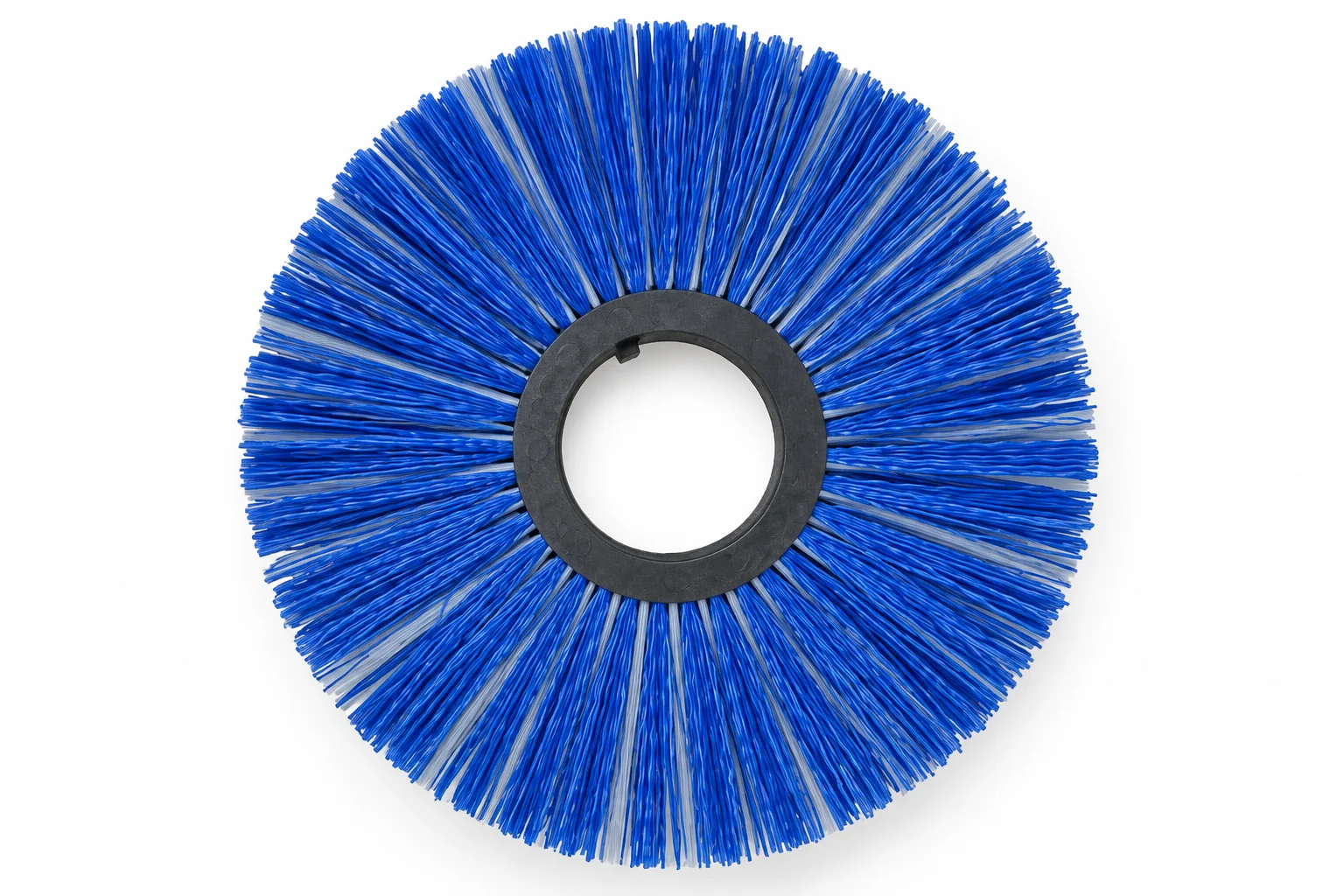
Stacked on a core for road sweeping, runway sweeping, snow sweeping, and heavy-duty replacement assemblies.
View sweeper wafer brushes
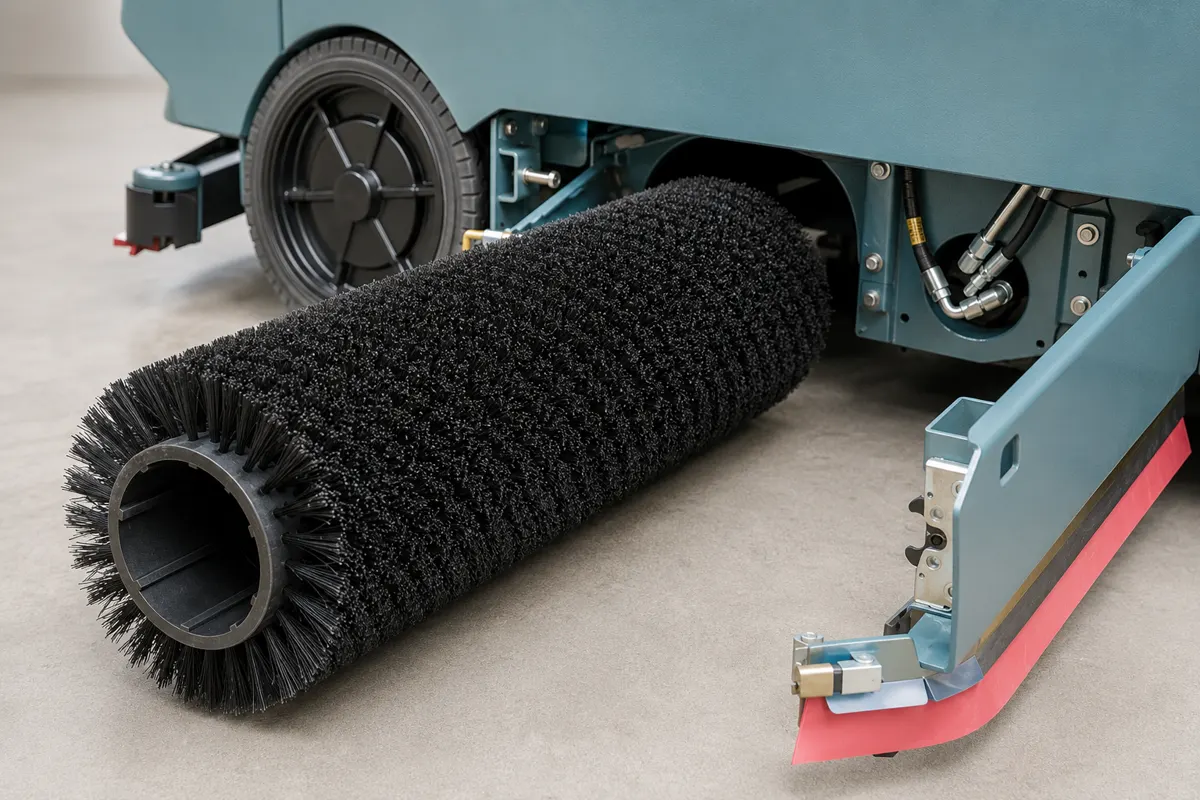
Used as the main sweeping contact under road sweepers, ride-on sweepers, and industrial floor machines.

Used as replaceable strip sections for linear sweeping contact or brush assemblies mounted across a frame.

Used where the machine accepts a tube-style main broom with a plastic core, shaft, or replacement brush assembly.
The same sweeper broom shape can perform differently depending on pavement roughness, debris load, brush pressure, wet or dry use, and replacement interval.
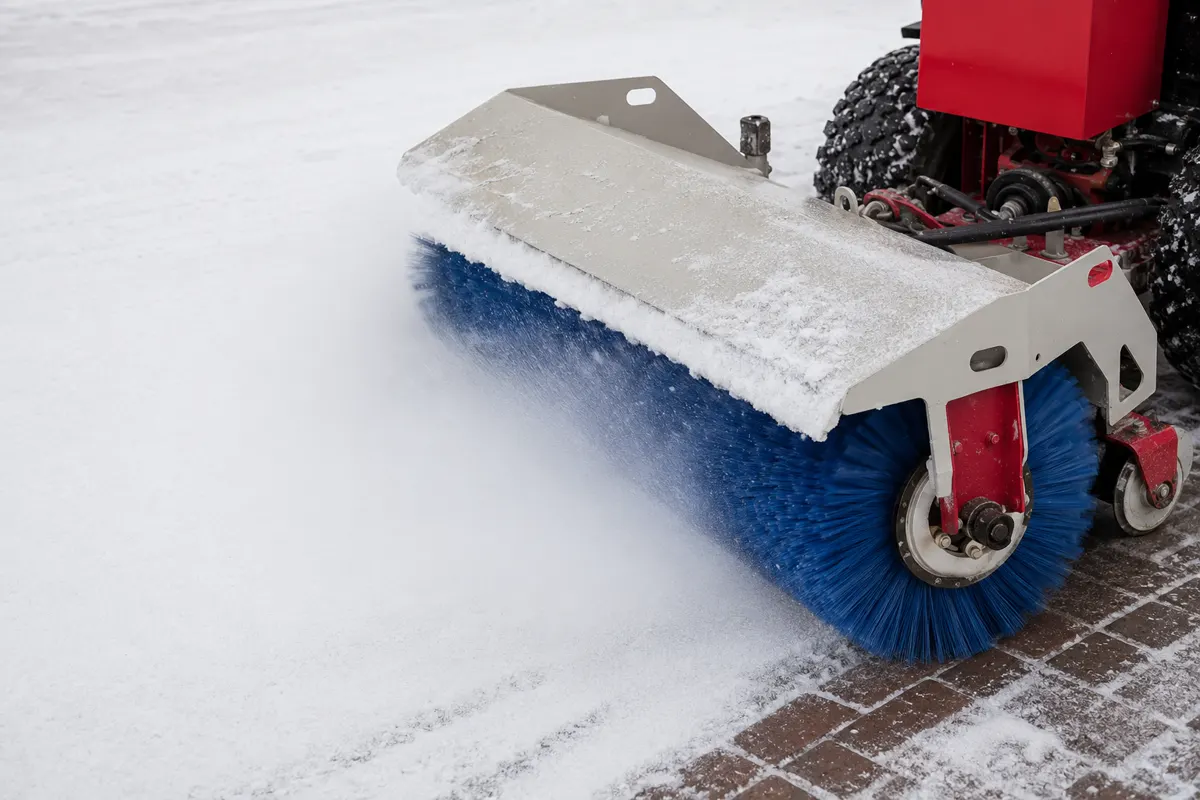
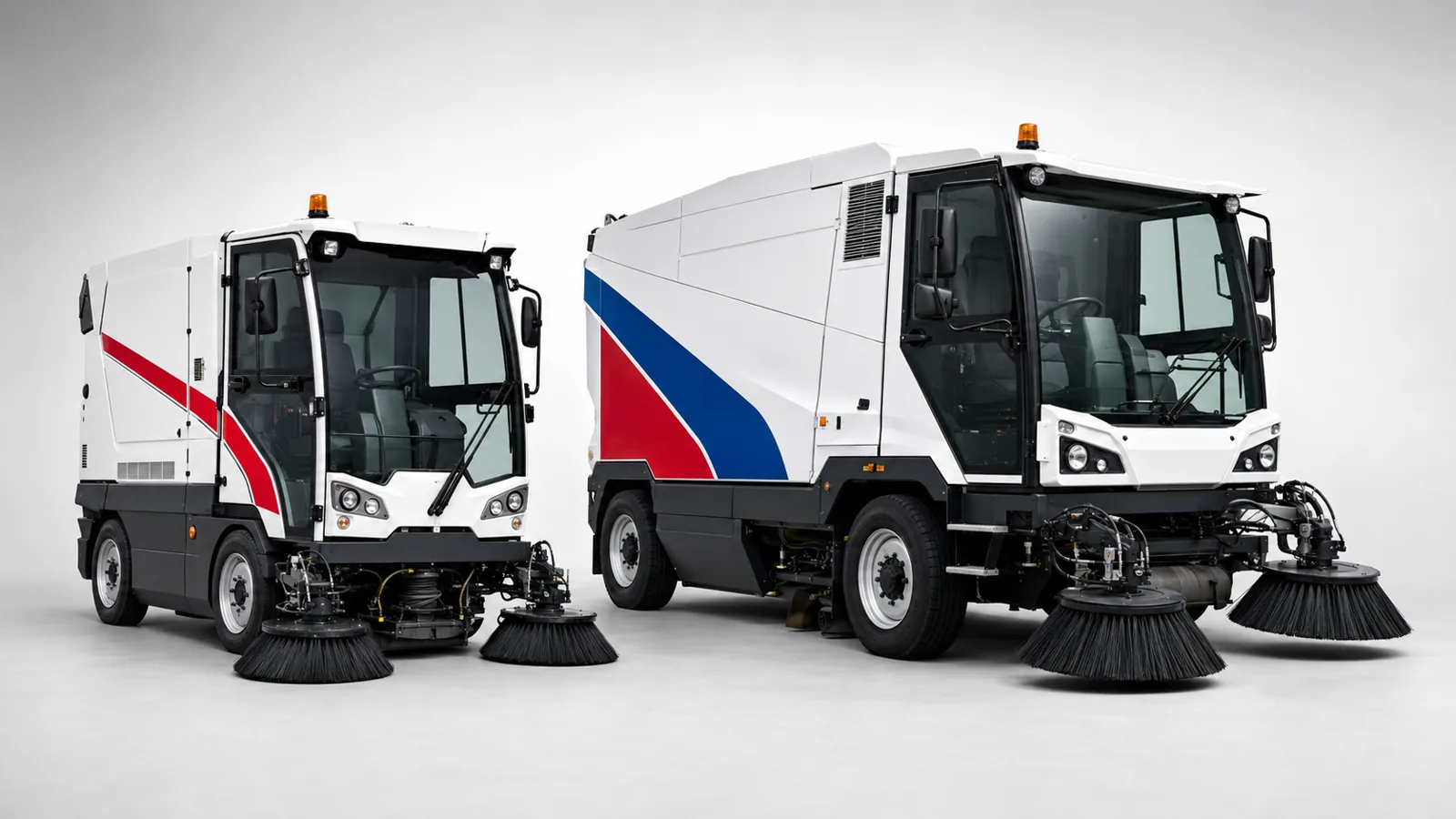
Replacement sweeper brushes for municipal street sweepers, contractor sweepers, curb-line cleaning, and road maintenance work.
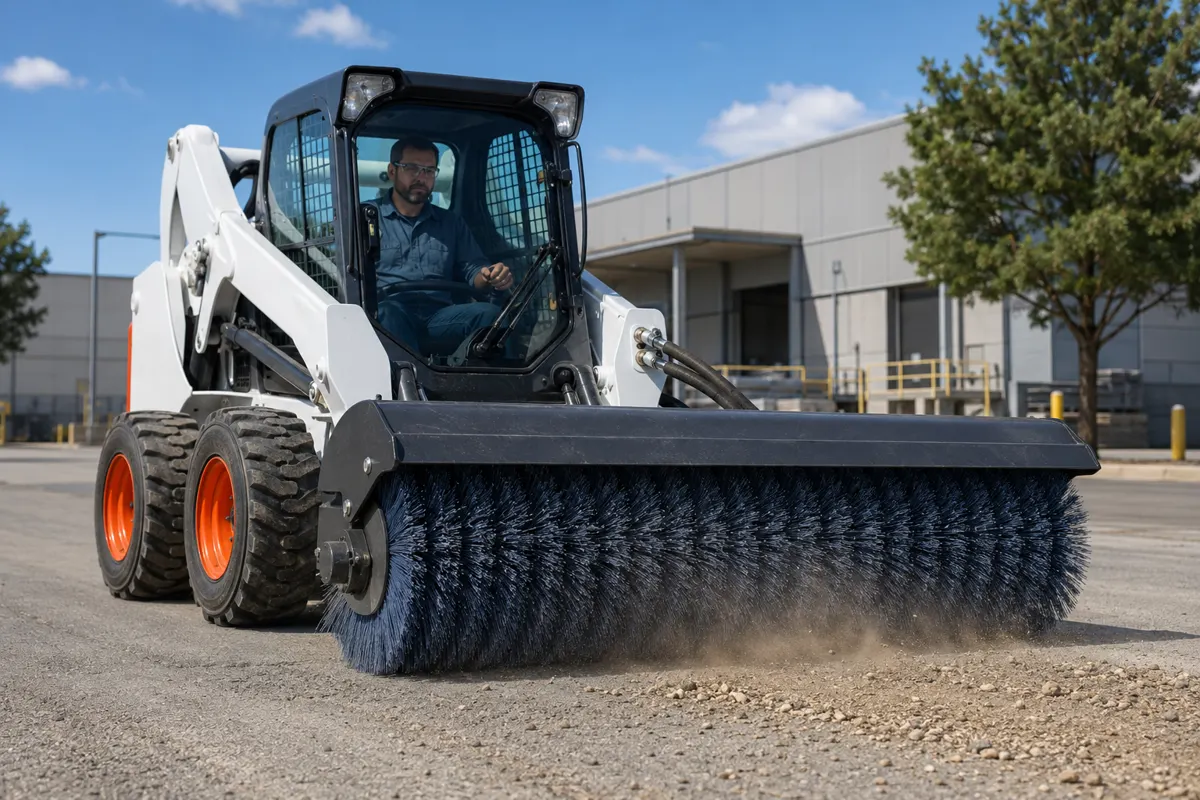
Brushes for paved surfaces, warehouse entrances, factory yards, loading areas, and mixed light-to-medium debris.
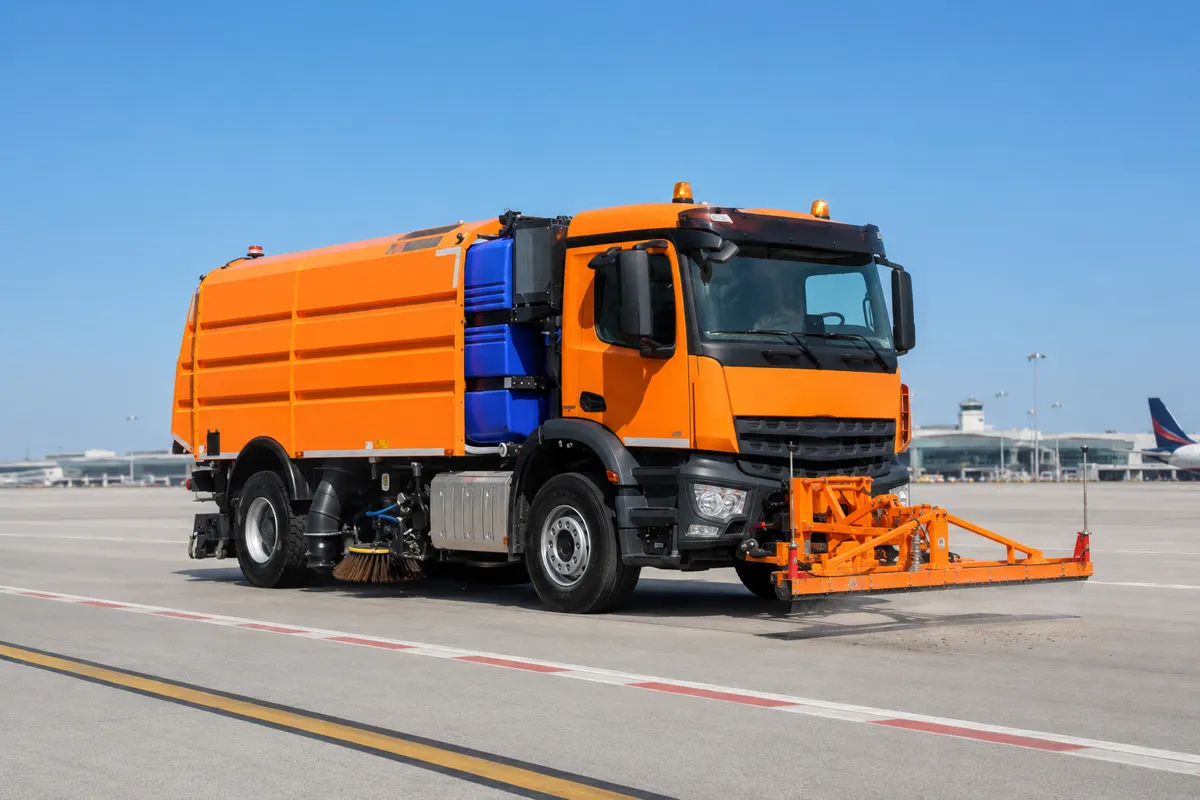
Sweeper broom directions can be reviewed for runway, apron, terminal, and other large-area pavement cleaning equipment.
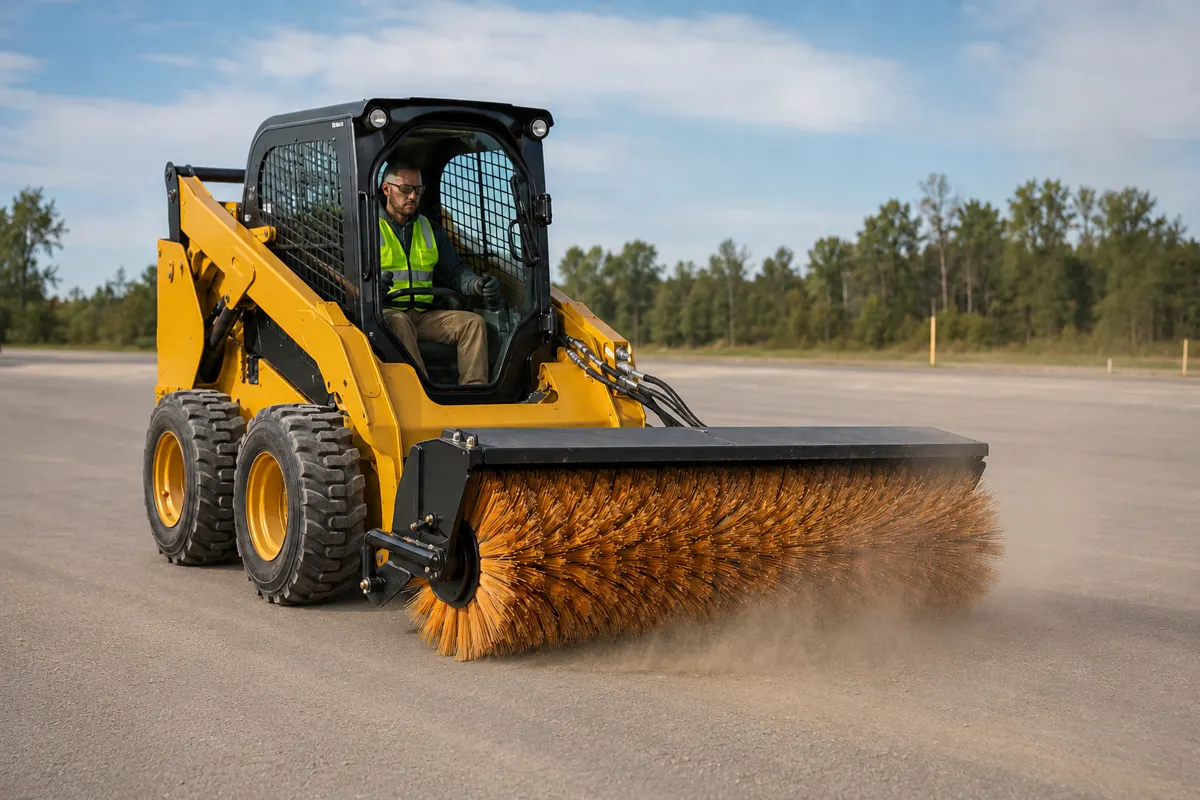
Wire, poly/wire, or stiffer synthetic fills may be reviewed where dust, sand, aggregate, compacted dirt, or heavy residue is present.
Material selection should follow surface condition, debris type, expected wear life, moisture, brush pressure, and whether the machine can accept a more aggressive sweeping action.

A common sweeper brush material for general road, parking-lot, and industrial sweeping where moisture resistance and cost control matter.
Reviewed where the project needs stronger wear life, better recovery, or more stable brushing contact than standard PP.
Used where rough pavement, compacted dirt, scale, or heavier debris requires a more aggressive sweeping action. Surface condition and machine load should be checked before selection.
PP or nylon filaments can be mixed with steel wire to combine debris carrying with stronger cutting and loosening action. This direction is often reviewed for uneven paved surfaces and mixed urban road debris; the material ratio must match the machine load and cleaning duty.
The fastest review comes from matching the brush to the sweeper model, brush position, mounting interface, and the actual sweeping condition.
Sweeper brush life cannot be defined by one operating-hour figure. Pavement, debris, brush pressure, fill material, machine setup, and daily use all affect the wear rate.
Replace the brush when it no longer sweeps effectively, cannot maintain the machine's specified sweep pattern after adjustment, has uneven or damaged bristles, or reaches the equipment manufacturer's minimum bristle length or working diameter. Always follow the limits for the exact sweeper model.
Custom production from your drawing. Large-volume production is supported for OEM and replacement projects.