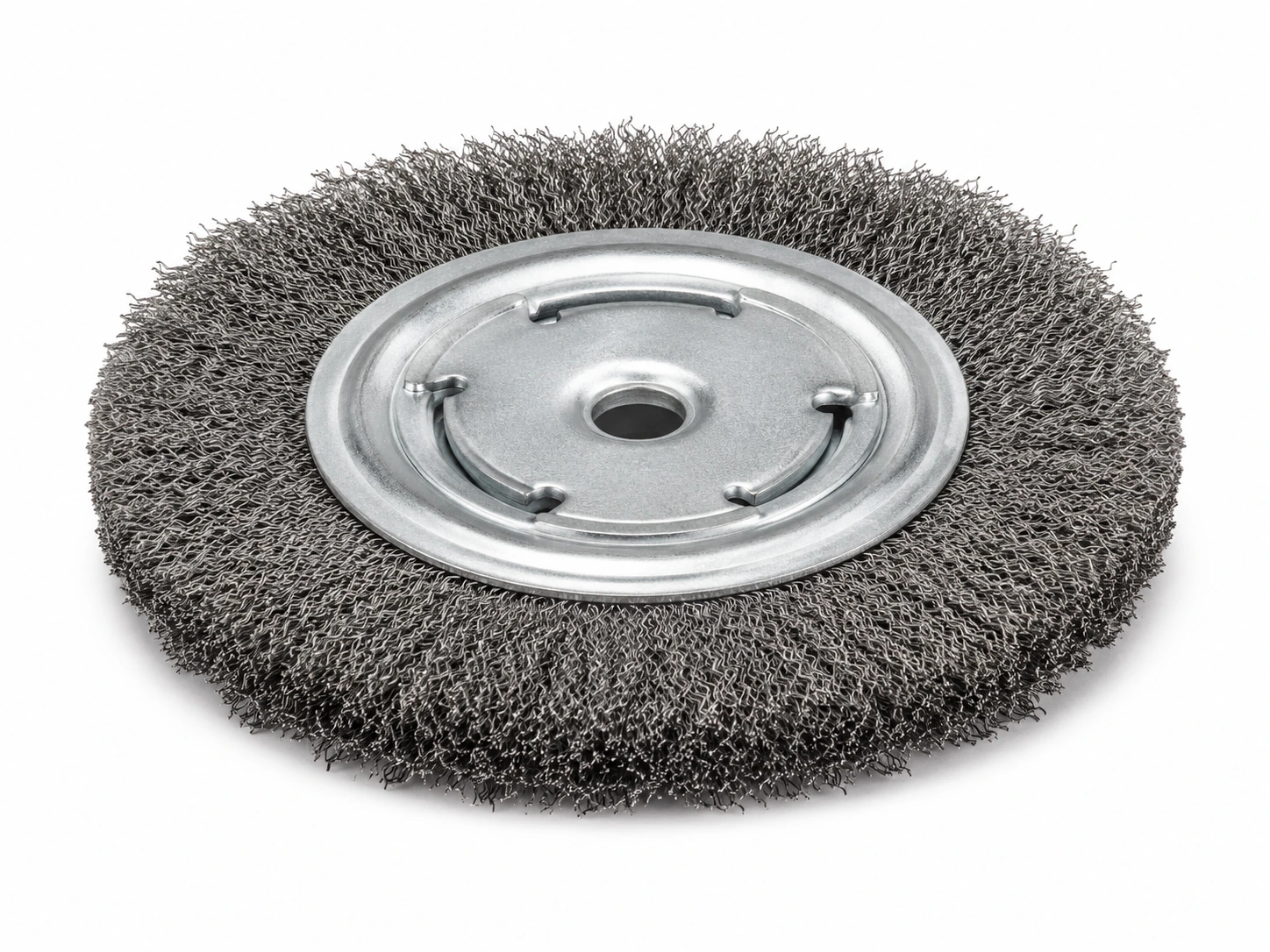
Crimped wire wheel brushes
Used where the process needs more flexible brushing action, broader coverage, and less aggressive contact than knotted wire.
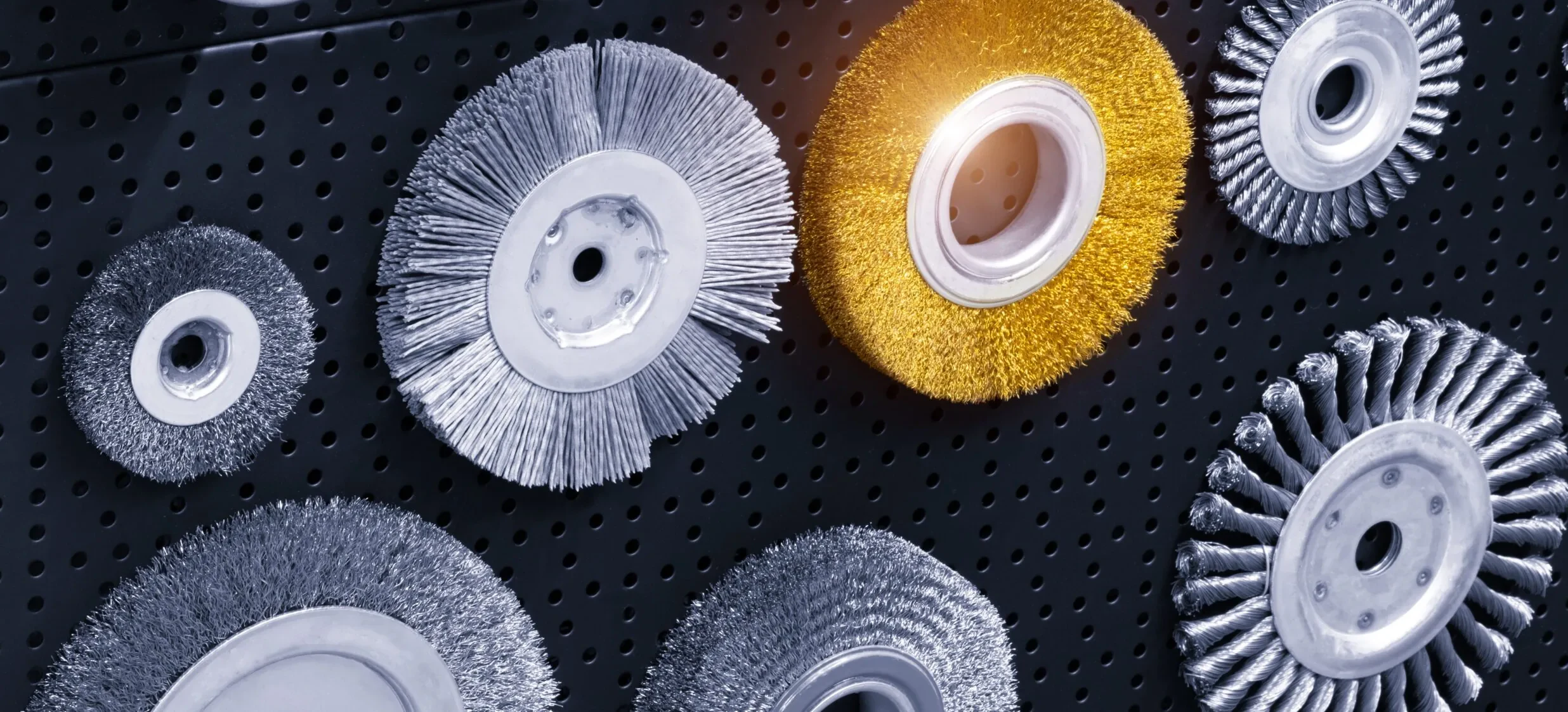
Custom wire wheel brushes for weld cleaning, rust removal, deburring, scale removal, and surface preparation. Built to your required diameter, working face width, arbor detail, wire form, and operating speed.
Request a QuoteA wire wheel brush is a rotary brush with metal wire working around the wheel circumference. This edge contact reaches seams, edges, and exposed surfaces for cleaning, deburring, rust or scale removal, and surface preparation.
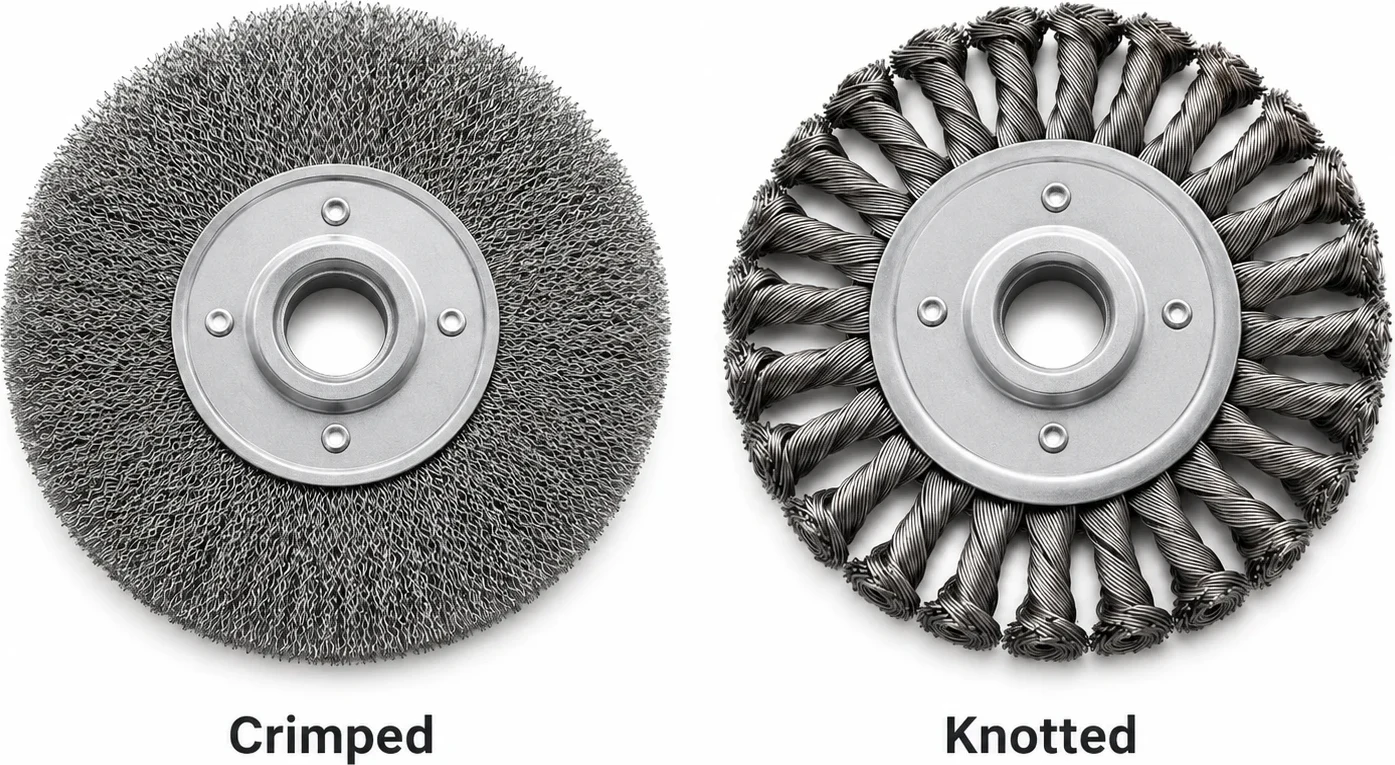
Custom wire wheel brushes are usually judged by wire form, brushing aggressiveness, and mounting requirement. These are the build directions buyers most commonly review first.
Used where the process needs more flexible brushing action, broader coverage, and less aggressive contact than knotted wire.
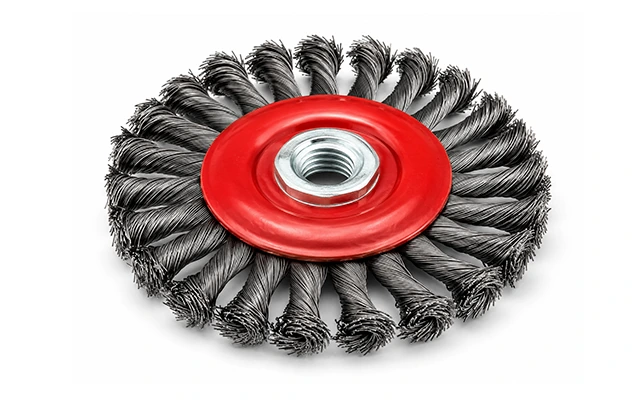
Used for heavier-duty cleaning, weld seam work, rust removal, scale removal, and stronger brushing action.
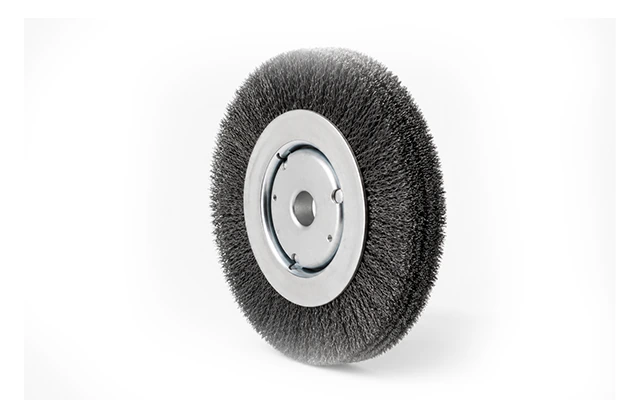
Selected for edge work, groove access, weld-line cleaning, and applications that need a more controlled contact path.
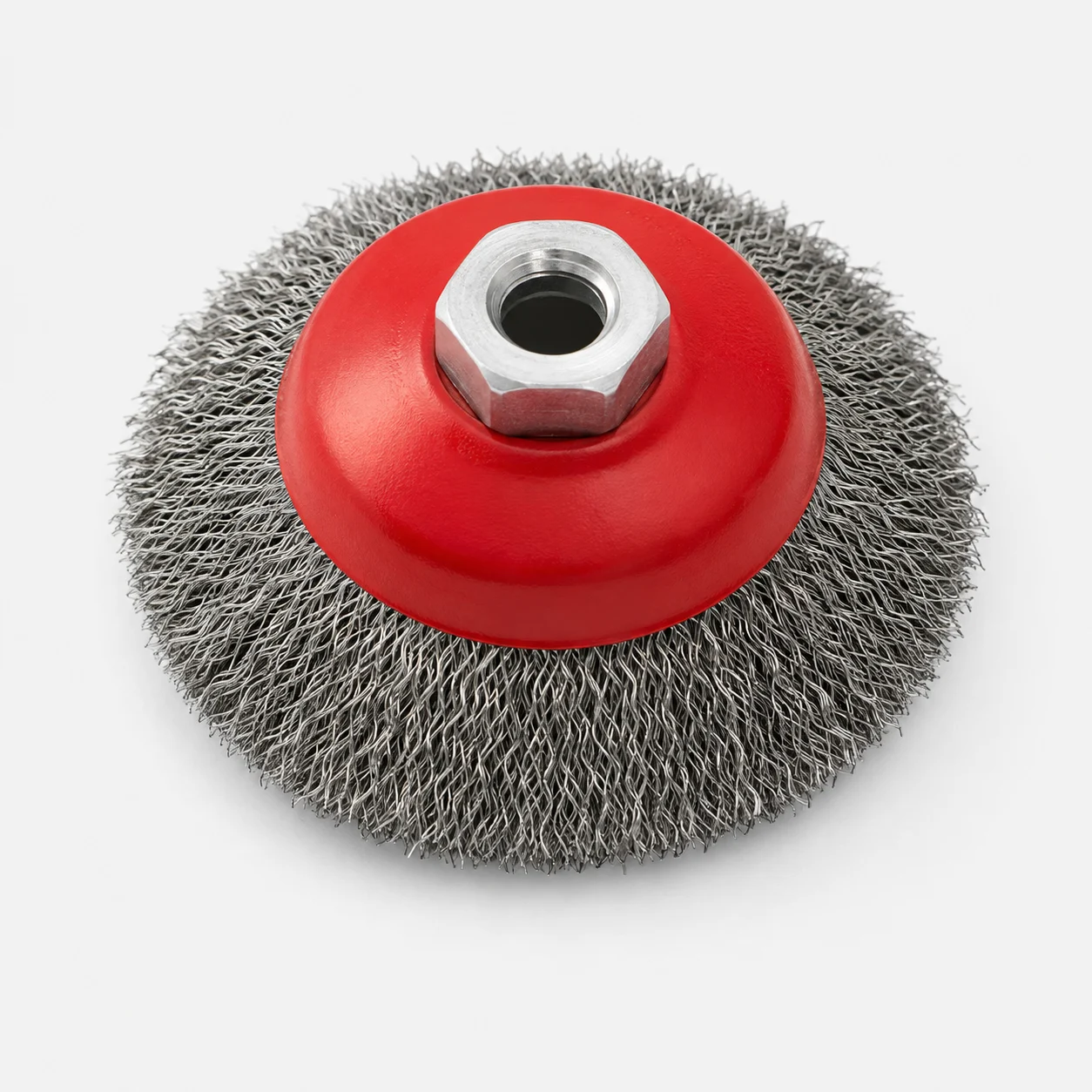
Saucer-shaped crimped wire brushes combine angled access with flexible contact for rust removal, paint stripping, deburring, and hard-to-reach surfaces. Confirm diameter, face width, shank or thread, wire material, and maximum operating speed.
Wire wheel brushes are used where stronger brushing action is needed to remove burrs, rust, scale, weld residue, or surface contamination before the next production step. They are common in fabrication, metalworking, maintenance, and OEM finishing processes where edge contact matters more than soft surface coverage.
Remove weld residue, oxidation, and surface contamination before inspection, coating, or additional fabrication.
Remove corrosion, scale, and heavier surface buildup where a synthetic brush would not provide enough cutting action.
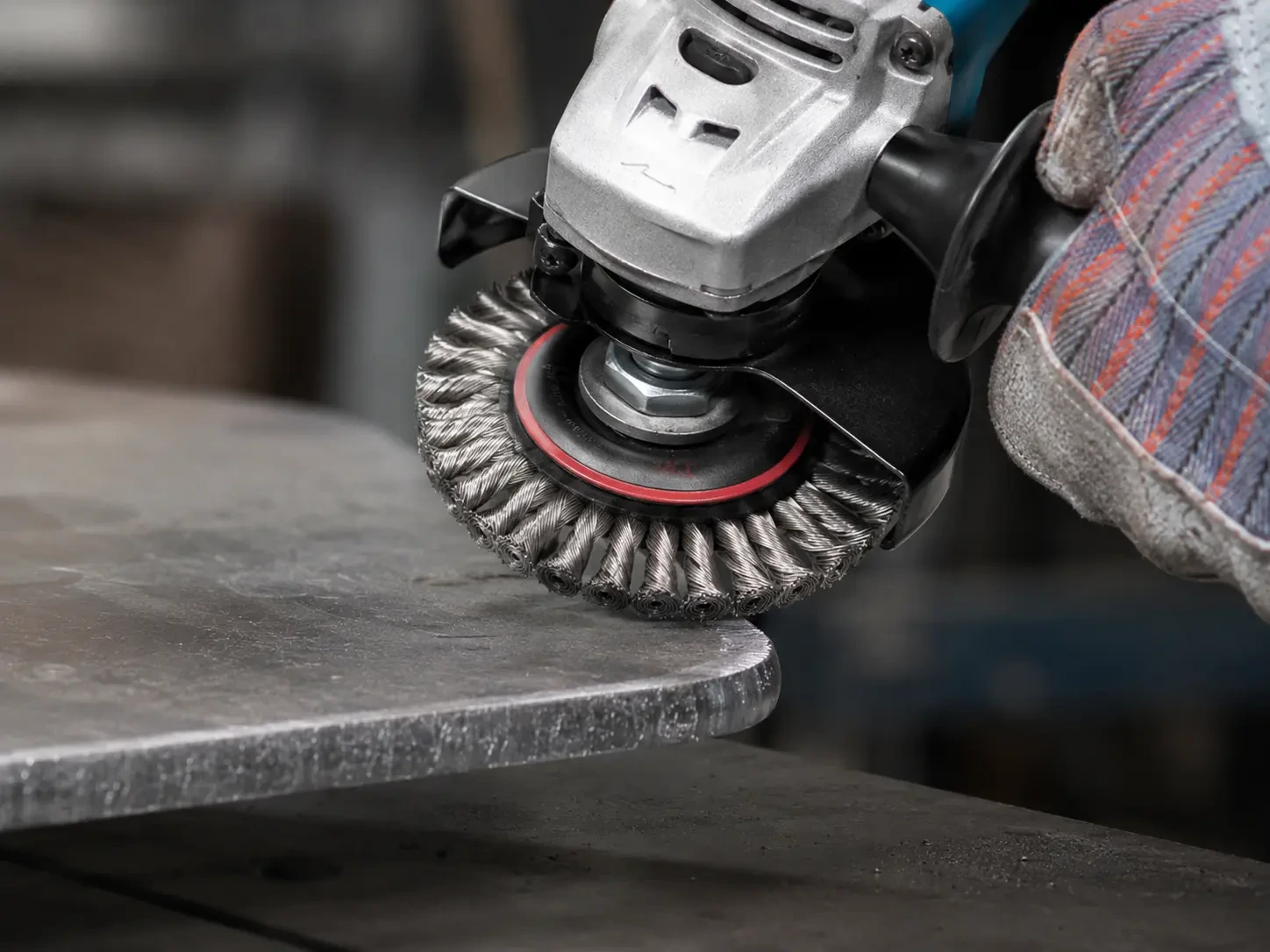
Clean up part edges, flash, and burrs after cutting, stamping, or machining where a wheel format gives better access.
Prepare metal surfaces before coating, painting, bonding, or secondary finishing by removing residue and improving consistency.
The three common mounting systems are arbor hole, threaded mount, and fixed shank. Arbor-hole wheels may also use a keyway or be mounted in multiples for a wider working face.
Wire material affects corrosion behavior, surface finish, wear pattern, and compatibility with the workpiece. The options below cover the main wire material directions most buyers review first. Final selection should still match the actual surface requirement and service environment, not only availability.
Common for general heavy-duty cleaning, rust removal, scale removal, and aggressive surface preparation on suitable ferrous workpieces.
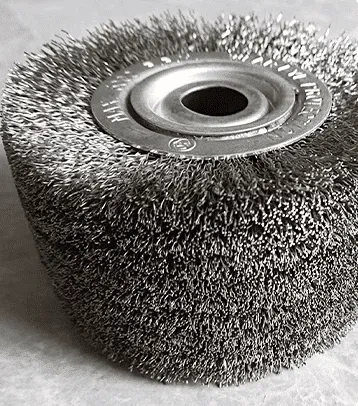
Used where corrosion resistance, contamination control, or compatibility with stainless and non-ferrous surfaces is important.
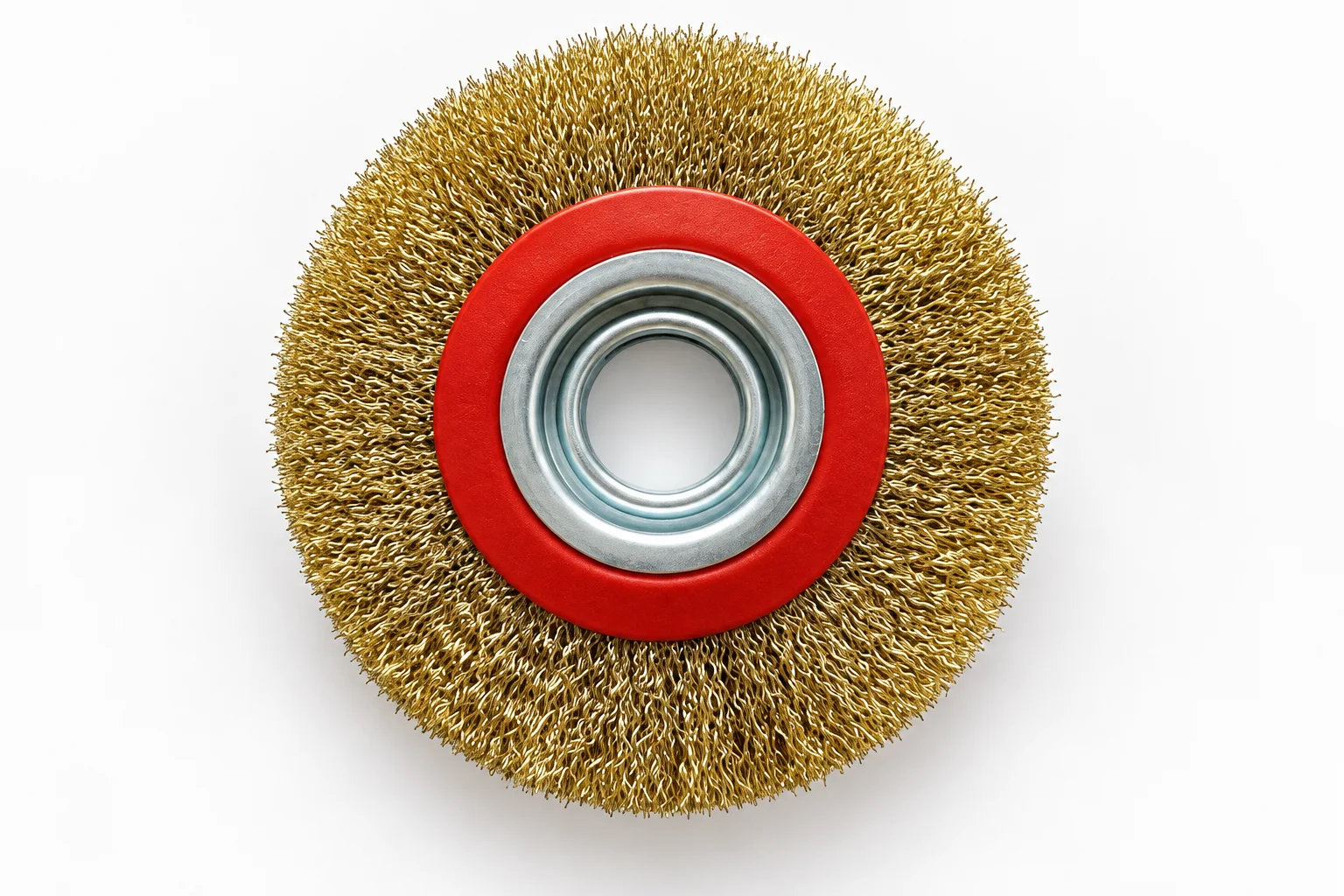
Selected when brass-coated steel wire is specified for the required brushing behavior and surface finish. Confirm whether the application needs brass-coated steel wire or solid brass wire, because these are different materials.
For most custom wire wheel brushes, an accurately marked drawing is enough to begin production review. Include the required dimensions, tolerances, mounting interface, wire specification, and operating speed.
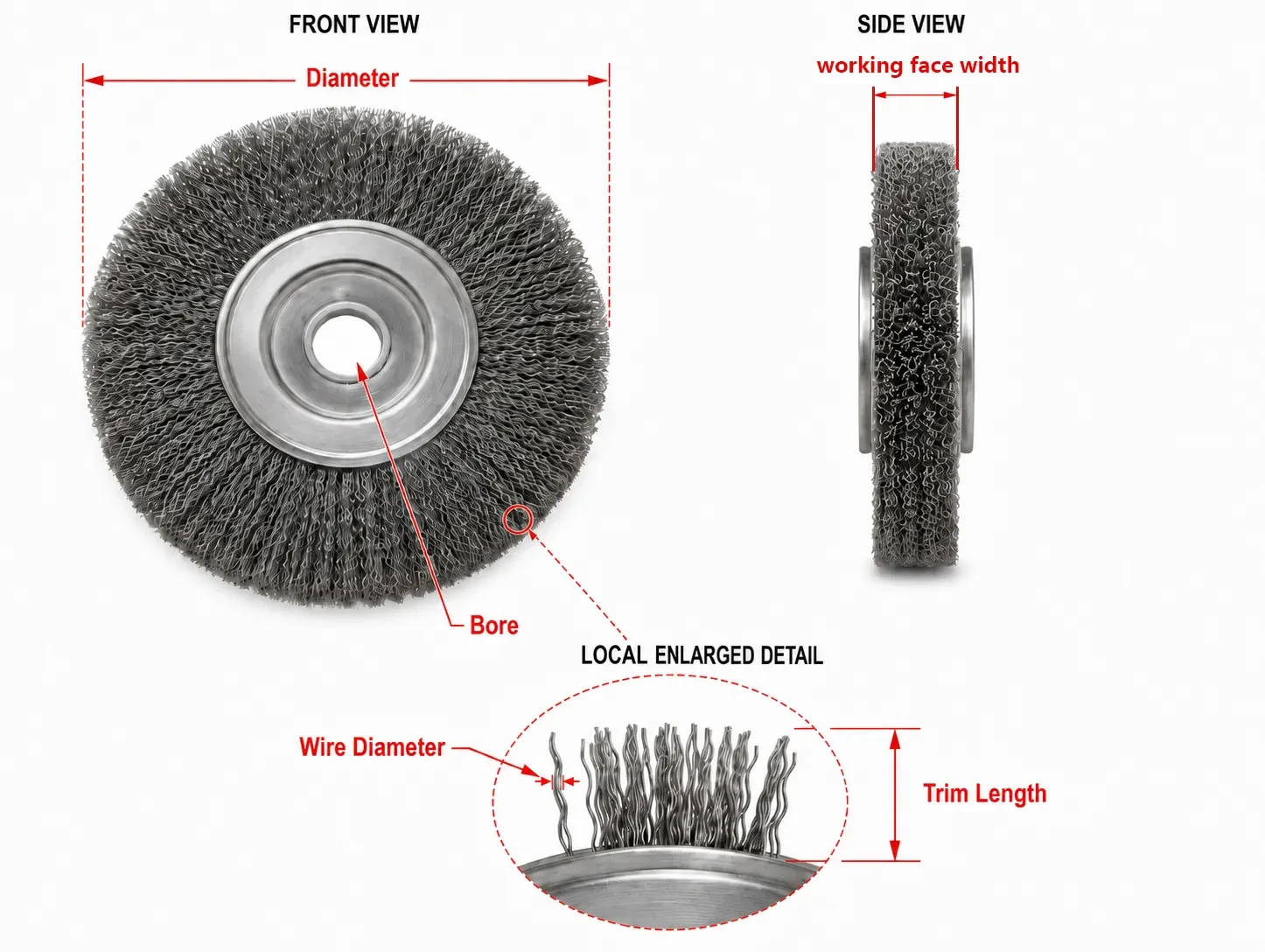
Crimped wire provides more flexible contact for lighter cleaning and finishing. Knotted wire is generally selected for heavier rust, scale, and weld cleaning. Wire diameter, trim length, density, wheel diameter, and operating speed must also be considered.
Carbon steel wire is commonly selected for general ferrous-metal cleaning. Stainless steel wire should be used when processing stainless steel or when carbon-steel contamination must be avoided. Brass-coated steel and solid brass are different materials and should not be treated as interchangeable.
Provide the wheel diameter, working face width, wire form and diameter, mounting dimensions, machine type, maximum operating speed, workpiece material, required result, and quantity. A marked drawing or existing sample helps confirm replacement fit.
Maximum RPM depends on wheel diameter, wire construction, mounting system, and the final brush design. The machine must never operate above the maximum RPM marked or approved for the finished brush; the preferred working speed may be lower than that safety limit.
Finer wire, longer trim, and crimped construction generally provide more flexible contact. Thicker wire, shorter trim, higher density, or knotted construction increase aggression. Excessive pressure should not be used to compensate for an incorrectly selected brush.
There is no reliable universal lifespan. Brush life depends on speed, pressure, duty cycle, wire construction, workpiece geometry, and the acceptable finish. For production orders, evaluate a sample by parts processed per brush, finish consistency, wire loss, and cost per part.
Custom production from your drawing. Large-volume production is supported for OEM and replacement projects. Confirm wire type, mounting, and maximum RPM before production.