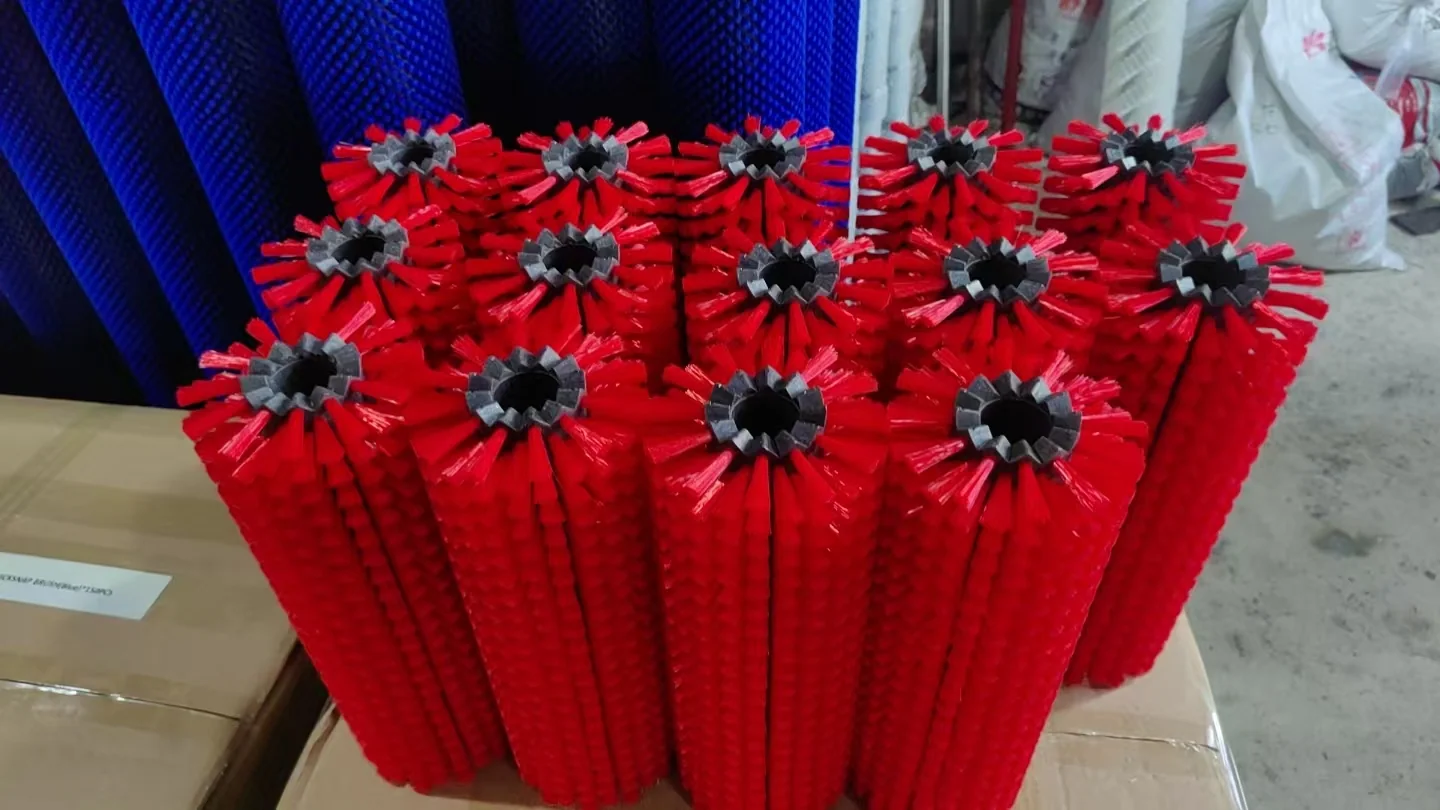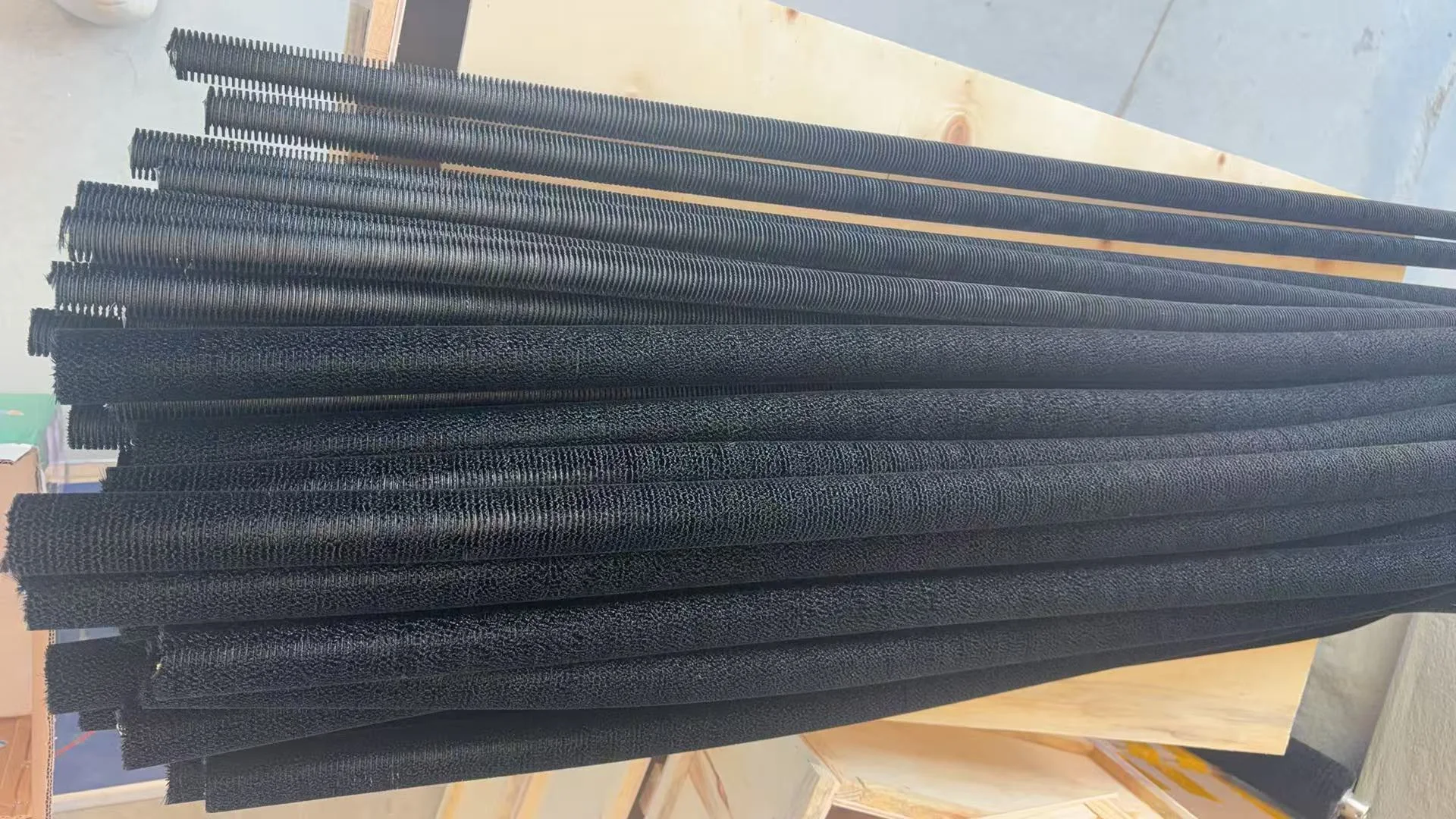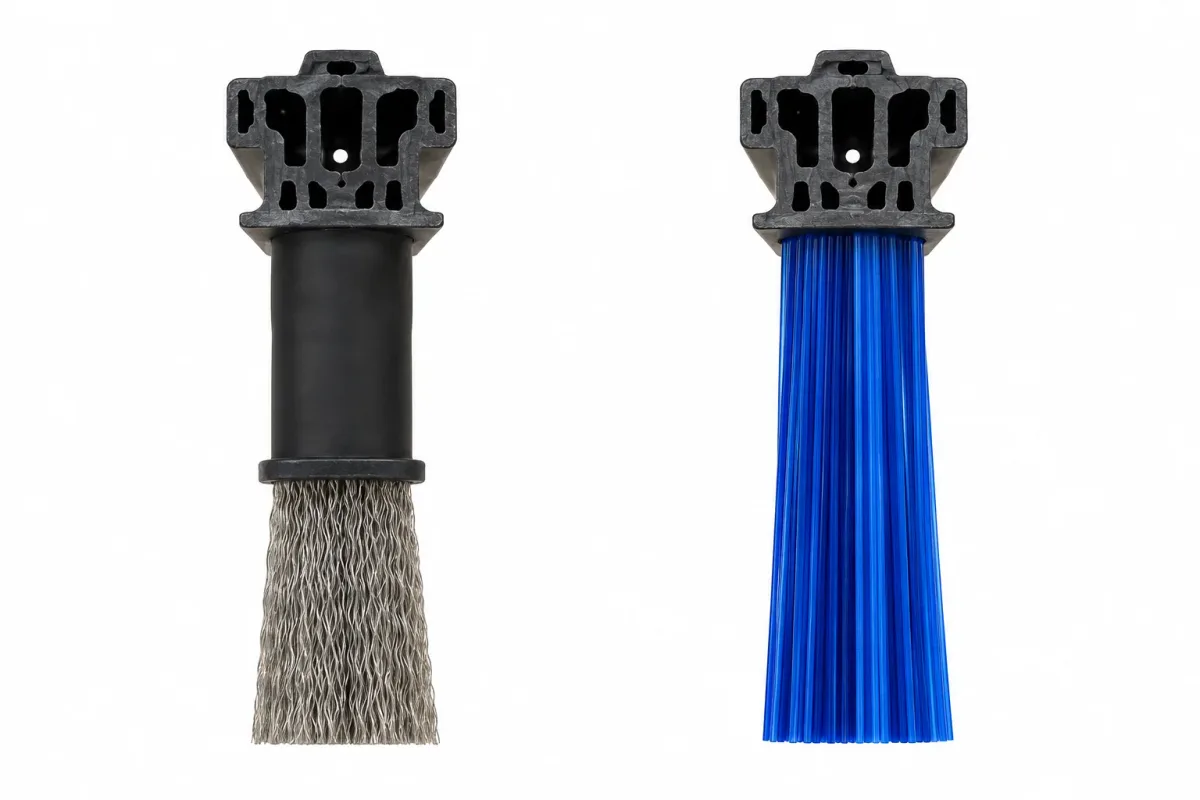
Brush roller dynamic balancing becomes important when a rotating brush must run smoothly at operating speed. It is most often reviewed for long roller brushes, larger finished outside diameters, higher RPM, heavier cores, abrasive or wire-filled rollers, and OEM equipment where vibration can affect finish quality, bearing life, noise, or machine stability.
Not every custom cylinder brush needs a formal dynamic balancing requirement. A short low-speed cleaning roller may only need correct dimensions, concentricity, shaft fit, and stable fill. A long roller running across a conveyor, solar cleaning system, washing line, polishing process, or surface treatment machine may need balance review before release.
What Dynamic Balancing Means for Brush Rollers
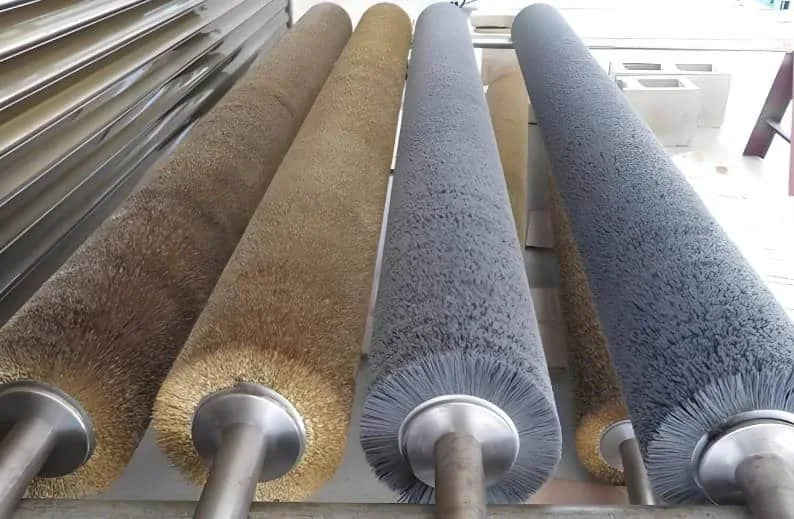
A brush roller is a rotating assembly. The core, shaft, end plates, hubs, filament fill, trim, and finished brush face all contribute to how the roller behaves in motion. If mass is not distributed evenly around the rotation axis, the roller can create vibration when it spins.
For brush rollers, balancing should be reviewed together with runout, shaft accuracy, brush face condition, fill pattern, trim height, density, speed, bearings, and how the roller is mounted. A balance issue cannot always be solved by balancing alone if the shaft is bent, the mounting is incorrect, the brush face is uneven, or debris has built up inside the fill.
When Balance Review Matters
Balance review is most useful when the brush has enough length, weight, speed, or process sensitivity for vibration to create a practical problem. Buyers should not treat it as a decorative quality claim; it should be tied to the way the brush runs in the machine.
| Project Condition | Why Balance Review May Matter | Buyer Input to Provide |
|---|---|---|
| Long roller brush | Longer rollers can amplify vibration and shaft deflection, especially across wide working faces. | Finished OD, face length, overall length, shaft detail, bearing span, and installed position. |
| Higher operating RPM | Imbalance forces increase with speed, so vibration may become visible only at working speed. | Operating RPM, maximum RPM, rotation direction, duty cycle, and whether speed changes during use. |
| Wide surface contact | Vibration can affect brushing pressure, finish consistency, cleaning uniformity, or product handling. | Contact width, product surface, target finish, pressure, line speed, and acceptable surface result. |
| Abrasive, wire, or dense fill | Heavier or uneven fill can change mass distribution and machine load. | Fill material, filament or wire diameter, density, trim height, face pattern, and finished OD. |
| OEM or repeat replacement program | Consistent running behavior may be needed across repeated builds. | Drawing, old part number, sample brush, approved dimensions, and any required inspection record. |
Signs a Roller Brush May Be Out of Balance
Vibration is the most visible sign, but it is not the only one. Balance-related problems often show up as a combination of running noise, uneven wear, unstable brushing contact, or repeated bearing and mounting issues.
- Visible vibration or shaking when the roller reaches operating speed.
- Uneven brush wear across the working face.
- Streaks, chatter marks, or inconsistent surface finish.
- Noise that increases with RPM.
- Premature bearing wear, loose mounts, or repeated shaft-end issues.
- Brush face runout, eccentric rotation, or wobble when viewed from the side.
- Cleaning or wiping performance that changes across the roller width.
Common Causes of Brush Roller Vibration
Shaft, Core, or Mounting Error
A roller can vibrate even if the brush fill is correct when the shaft is bent, the bore is off-center, the hub is not seated correctly, the bearing fit is loose, or the mounting position is misaligned. For replacement work, shaft detail and installed position are often as important as the brush face.
Uneven Fill, Trim, or Face Pattern
Tuft spacing, spiral winding pitch, fill density, trim height, and face pattern can all affect mass distribution and contact behavior. A roller with uneven trim or damaged fill may run differently from the original approved part.
Material Buildup and Wear
Dust, oil, food residue, abrasive particles, metal chips, or cleaning media can collect in the brush face and create an imbalance during use. Uneven wear can also reduce one side of the brush more than the other. Maintenance teams should clean and inspect the roller before assuming the original build was wrong.
Wrong Speed or Contact Pressure
A brush may run smoothly at low speed but vibrate at the actual working RPM. Excessive pressure can also deform the brush face and increase running load. Always review balance together with RPM, contact pressure, line speed, and guard clearance.
Brush Types Where Balance Is Often Reviewed
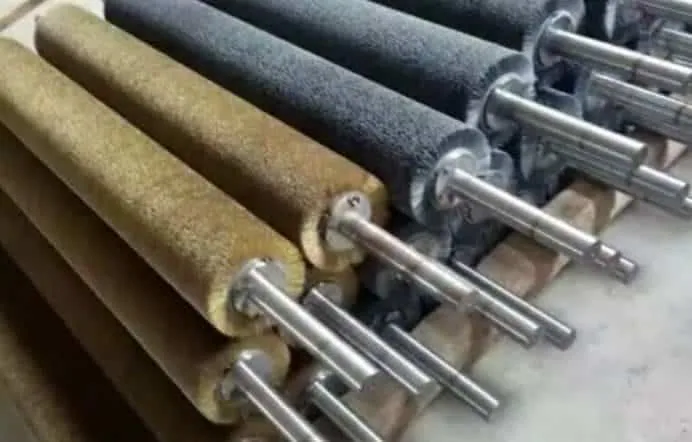
Balance review is mainly relevant to rotating brush assemblies. It is not usually a requirement for fixed strip brushes or panel brushes unless they are part of a moving assembly.
| Brush Direction | Balance Relevance | Related Page |
|---|---|---|
| Custom cylinder brushes | Most common brush family for balance review, especially long rollers, faster rollers, and OEM machine-mounted brushes. | Custom Cylinder Brushes |
| Spiral brush rollers | Winding pitch, shaft detail, finished OD, and face length can affect running stability. | Coil and Spiral Brushes |
| Solar panel cleaning rollers | Long brushes used on robots or vehicle systems may need stable rotation and replacement consistency. | Solar Energy |
| Conveyor cleaning rollers | Line speed, carryback, debris buildup, and contact pressure can affect vibration and wear. | Conveyor Systems & OEM |
| Food washing rollers | Water, residue, washdown, and repeated replacement cycles can make shaft fit and running stability important. | Food Processing |
What to Confirm Before Ordering
If balance is important to your project, include that requirement before quoting rather than after production. The supplier needs the machine and operating details, not only a product photo.
- Finished outside diameter after trim.
- Working face width and overall length.
- Shaft diameter, bore, keyway, thread, flats, journals, collars, or end-detail geometry.
- Core material, shaft material, end plate, hub, or adapter detail.
- Brush fill material, filament or wire diameter, density, trim height, and face pattern.
- Operating RPM, maximum RPM, rotation direction, line speed, and duty cycle.
- Machine mounting method, bearing support, guard clearance, and available space.
- Whether the roller must meet a customer-defined balance grade, runout limit, or inspection record.
- Photos of the installed old brush, wear pattern, vibration issue, or machine interface.
How Brushcustom Reviews Balance Requirements
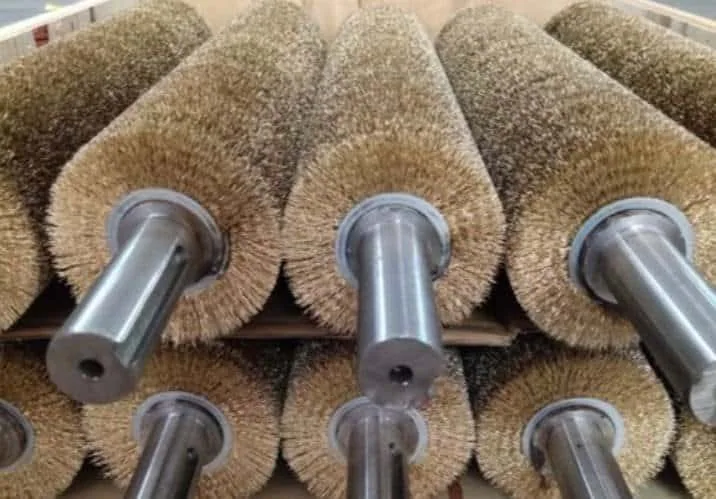
For custom brush rollers, Brushcustom first reviews whether the project actually needs a balance requirement. The review starts with brush dimensions, shaft detail, finished OD, face length, fill pattern, material, RPM, and application. For longer or faster rollers, the quote stage should confirm whether balance review, runout review, or a customer-specified inspection record is required.
If the customer has a required balance grade, testing method, tolerance, or documentation format, that requirement should be shared before production. If no formal requirement exists, Brushcustom can still review the practical risk factors and advise what details should be controlled for smoother running.
Maintenance Factors After Installation
Even a correctly built roller can develop vibration after use. Maintenance conditions can change the roller's mass distribution and running behavior.
- Clean debris, oil, powder, food residue, or chips from the brush face.
- Inspect for uneven trim wear, broken filaments, loose wire, or damaged winding.
- Check bearings, shaft ends, collars, fasteners, and mounting alignment.
- Do not exceed the approved operating speed for the brush and machine.
- Replace the roller when wear changes contact pressure, finish consistency, or vibration behavior.
Related Specification Guides
Dynamic balancing is only one part of a custom roller brush specification. For dimensions and mounting details, see How to Specify a Custom Industrial Brush. For density and trim behavior, see Brush Density and Trim. For material comparison, see Nylon Brush vs. Wire Brush. For a custom roller quote, start with the RFQ form.
FAQs About Brush Roller Dynamic Balancing
Do all brush rollers need dynamic balancing?
No. Short, low-speed, lightly loaded rollers may not need a formal balancing requirement. Balance review becomes more important when the roller is long, heavy, high speed, abrasive, dense-filled, or used in equipment where vibration affects surface quality, bearings, noise, or safety.
Is dynamic balancing the same as runout control?
No. Runout describes how accurately the roller rotates around its axis or how much the surface deviates as it turns. Dynamic balancing deals with mass distribution during rotation. A brush roller may need both dimensional/runout review and balance review depending on speed and application.
Can an old brush sample show the original balance requirement?
Not always. A worn sample can show dimensions, construction, and shaft detail, but wear, broken filaments, and debris buildup can change its running behavior. For replacement work, send the sample plus photos of the installed position and describe the actual vibration or wear issue.
What information is most important for a balanced brush roller quote?
The most important inputs are finished OD, working face width, overall length, shaft detail, fill material, trim height, face pattern, operating RPM, mounting method, and any customer-defined balance or runout requirement. A drawing or measured sample is the fastest starting point.