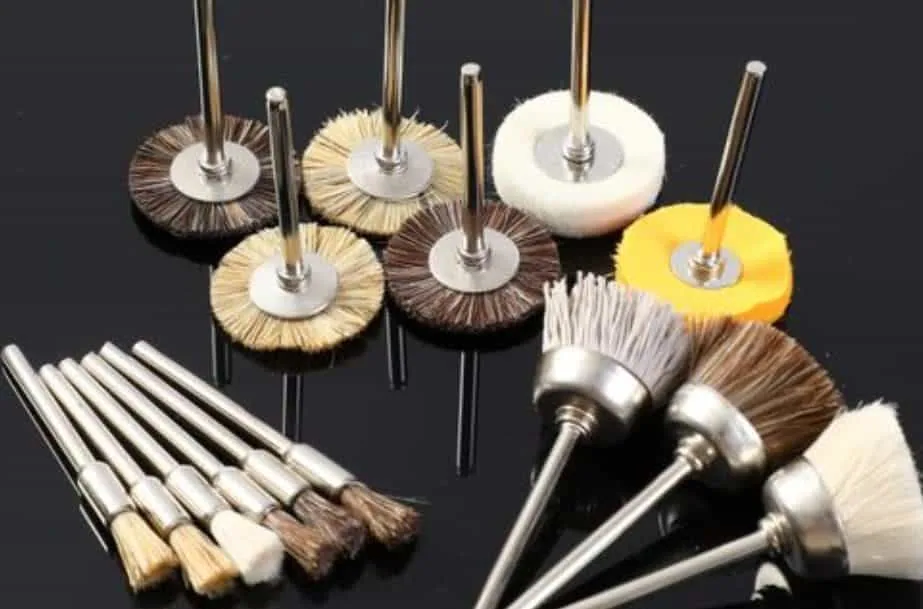
Industrial polishing brushes are used where a controlled brushing action is needed to clean, refine, deburr, blend, or prepare a surface without changing the part geometry more than the process allows. In production work, "polishing" may mean final bright finishing, light surface conditioning, oxide removal, weld cleaning, capsule polishing, or preparation before coating, inspection, or assembly. For a broader overview of brush formats, see the types of industrial brushes guide.
The right polishing brush depends on the workpiece material, finish target, contact area, brush form, fill material, machine interface, operating speed, and whether the process is dry, wet, or compound-assisted. Start with the surface requirement first, then choose the brush construction.
Types of Industrial Polishing Brushes
Brush form controls how the brush contacts the part. Some polishing brushes work through the outside edge, some through the face, and others through an internal bore or narrow passage.
Wire Wheel Brushes
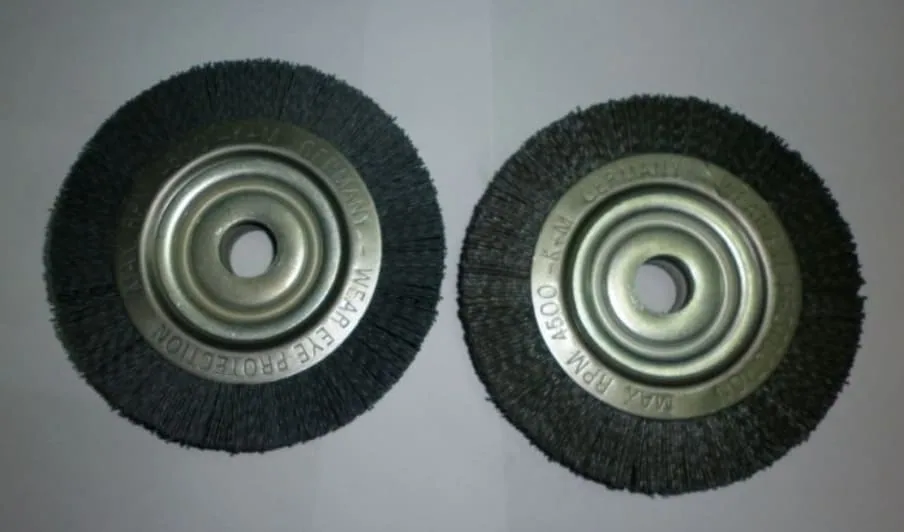
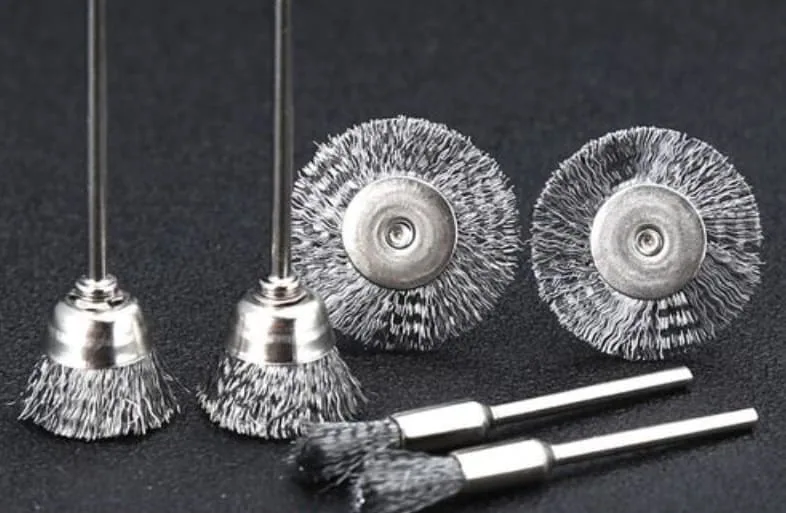
Wire wheel brushes work mainly through the outer edge of the brush. They are commonly reviewed for weld cleaning, rust and scale removal, edge blending, and more aggressive metal surface preparation. Crimped wire is usually selected for broader, more flexible contact, while knotted wire is reviewed for heavier cleaning or stronger brushing action.
Cup Brushes
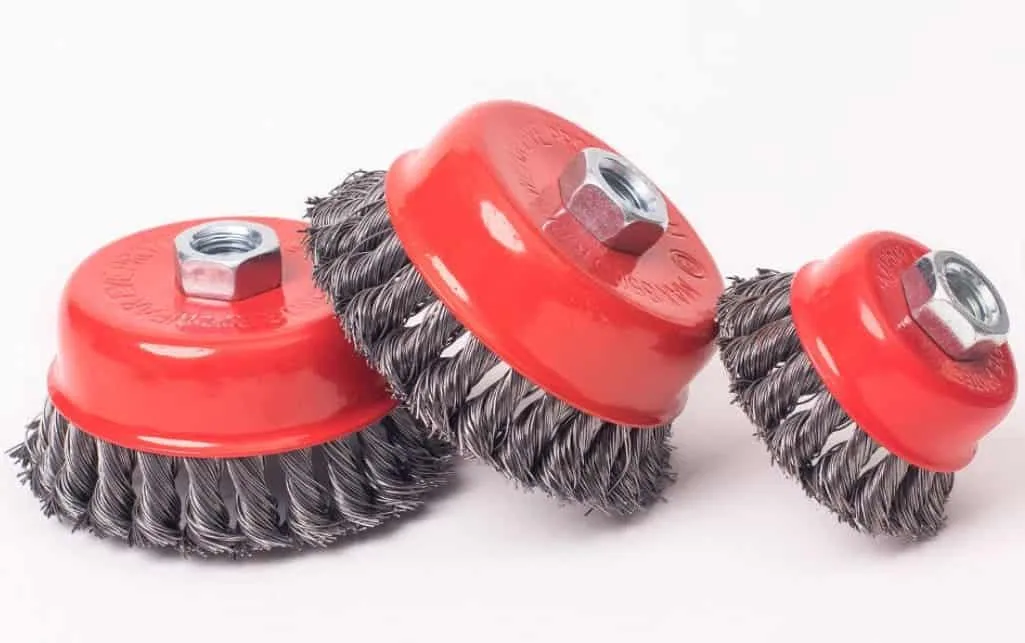
Wire cup brushes concentrate the brushing action over a broad circular area. They are often used on flat or slightly contoured metal surfaces where rust, paint, oxide, weld discoloration, or coating residue must be removed before further finishing or coating work.
End Brushes
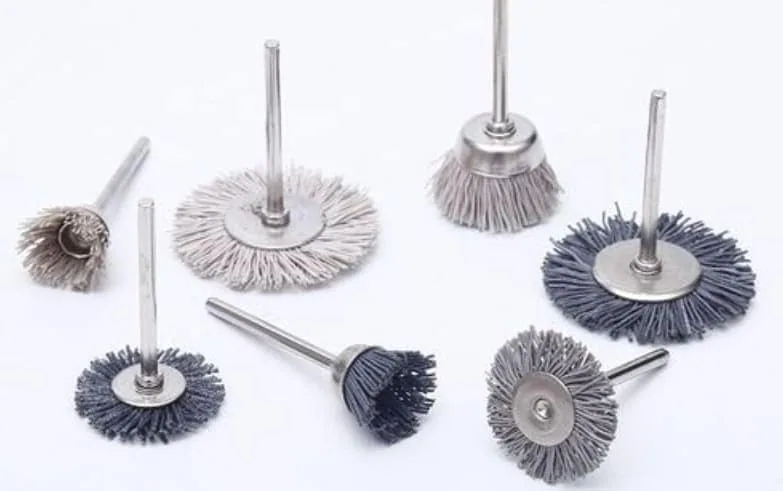
End brushes are small-diameter rotary brushes used for localized contact. They are useful for corners, pockets, slots, recessed features, weld toes, and detailed areas where a wheel or cup brush cannot reach the working surface cleanly.
Disc Brushes
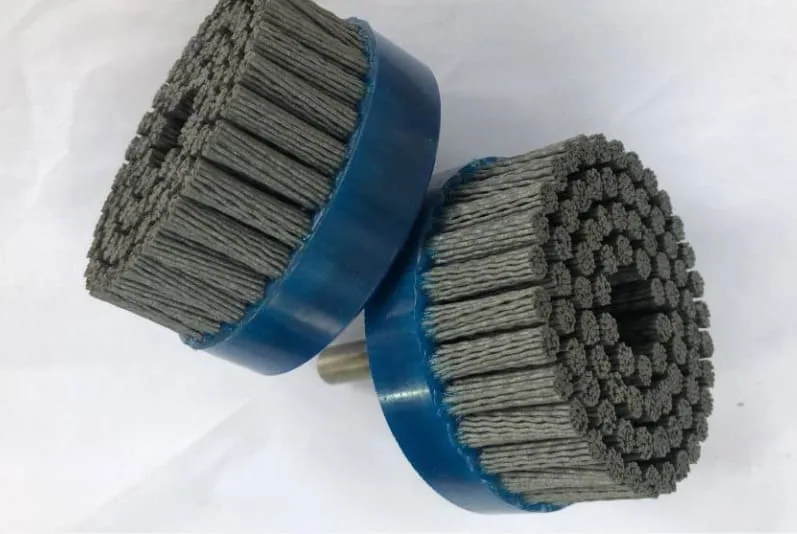
Disc brushes work through the face of the brush. They are commonly used for controlled deburring, edge rounding, surface conditioning, and consistent finishing on flat or presented surfaces. Disc brushes are often reviewed when the process needs repeatable face contact rather than a narrow edge-contact brush.
Pipe and Tube Brushes
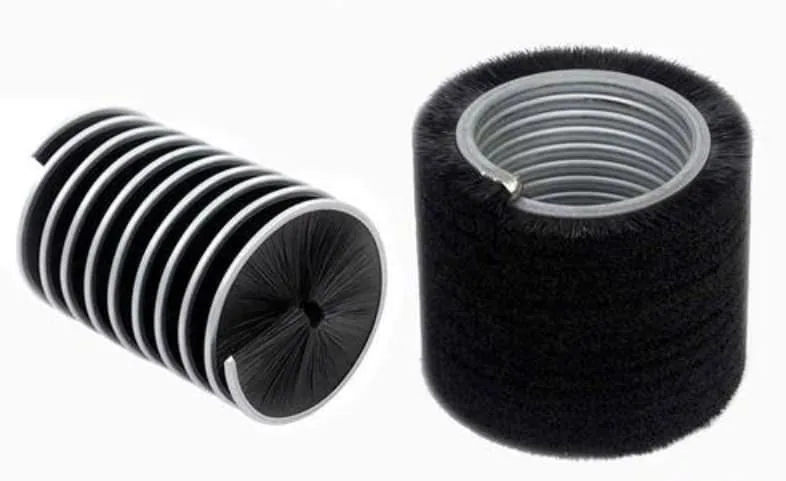
Pipe cleaning brushes and tube brushes are used where the contact surface is inside a tube, bore, fitting, manifold, or narrow passage. They may be reviewed for internal cleaning, light polishing, oxide removal, or burr removal when the inside diameter, working length, and access method are clearly defined.
Cylinder and Roller Polishing Brushes
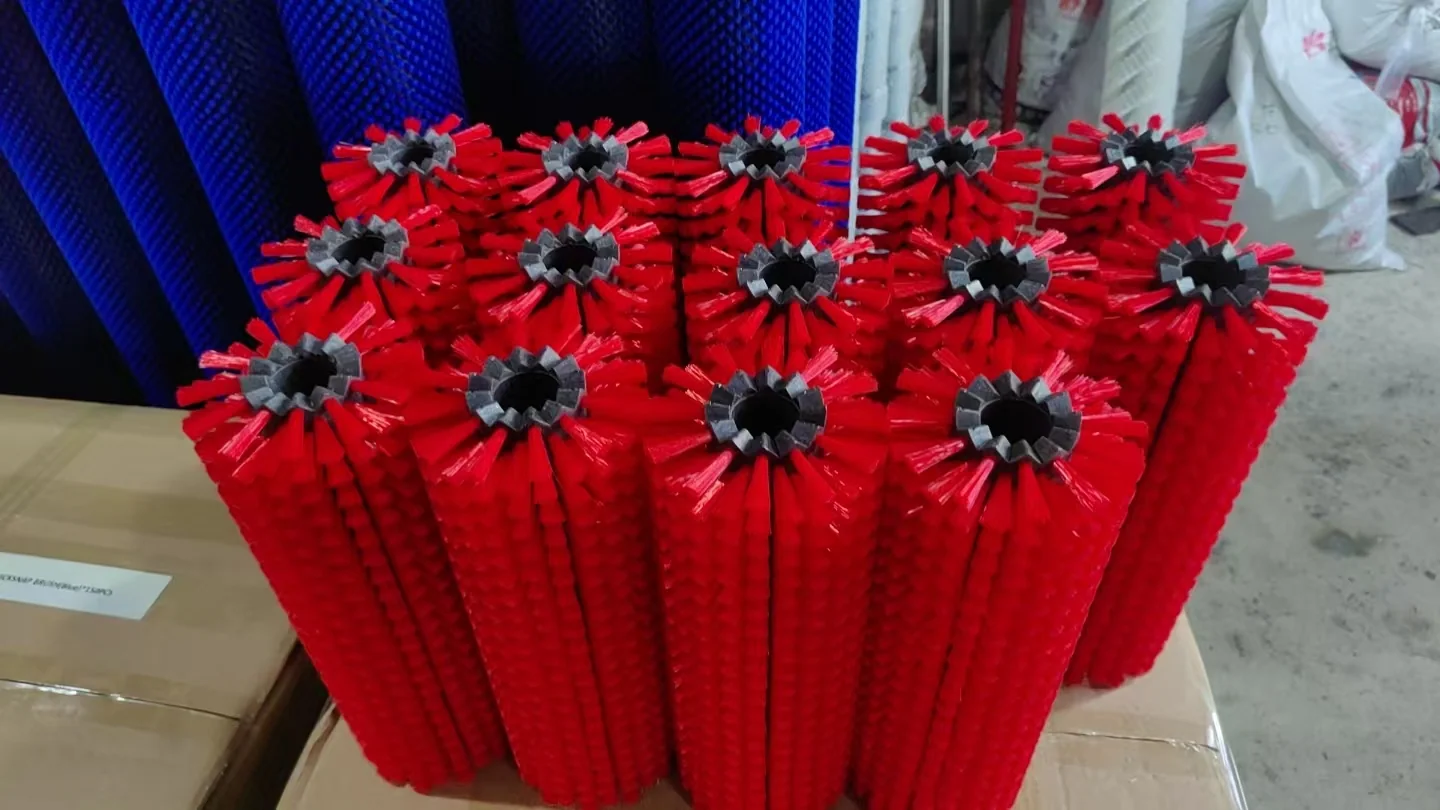
Cylinder brushes and roller brushes are used where the polishing or cleaning action must cover a wider working face in a continuous process. They may be reviewed for conveyor cleaning, sheet or panel contact, capsule polishing, fruit and vegetable washing, or other line-mounted applications where face width, trim, density, and balance matter.
Materials Used in Polishing Brushes
Fill material determines brushing force, marking risk, wear behavior, corrosion resistance, and the type of surface effect the brush can produce. The final material should be matched to the workpiece, finish requirement, operating speed, and any site-specific safety or cleanliness requirement.
| Fill Material | Common Review Direction | Selection Notes |
|---|---|---|
| Nylon / PA | General cleaning, light polishing, and lower-marking contact | Review filament diameter, stiffness, moisture exposure, and working temperature. |
| Abrasive nylon | Deburring, edge blending, satin finishing, and controlled surface conditioning | Specify abrasive type, grit, filament size, density, and target finish. |
| Carbon steel wire | More aggressive rust, scale, burr, and weld cleaning on ferrous parts | Use where the surface and environment can accept carbon steel contact. |
| Stainless steel wire | Corrosion-resistant metal cleaning and finishing | Often reviewed for stainless parts, wet environments, or contamination control. |
| Brass wire | Softer wire contact on brass, copper, or other non-ferrous surfaces | Review where reduced marking risk or site-specific spark concerns exist; confirm safety rules locally. |
| Tampico or natural fiber | Compound application, lighter polishing, or liquid-carrying contact | Review only where natural fiber is suitable for the process environment. |
Nylon and Abrasive Nylon
Nylon fill is selected where flexibility, recovery, and lower marking risk are important. Abrasive nylon adds cutting particles such as silicon carbide or aluminum oxide to support deburring, edge blending, and controlled finishing while keeping a more compliant brush action than metal wire.
Wire Fill Materials
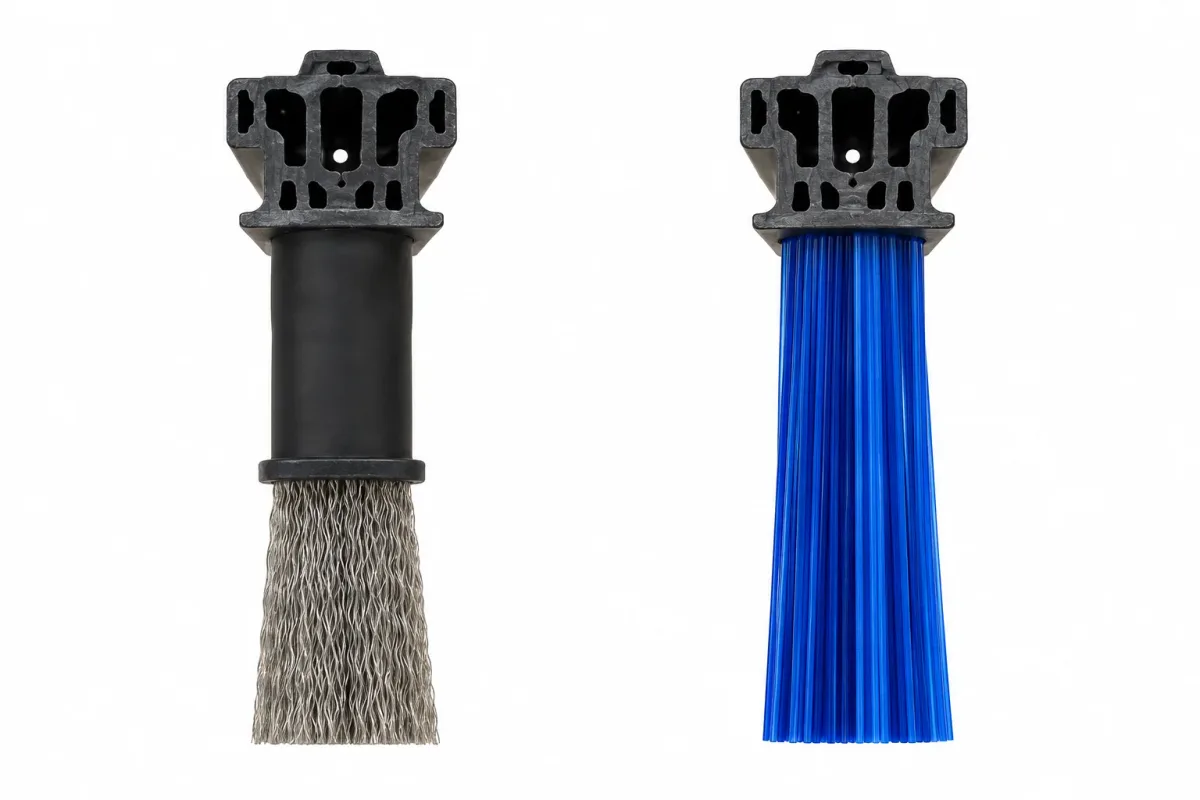
Wire brushes provide stronger mechanical action for metal cleaning and surface preparation. Carbon steel, stainless steel, and brass wire should be selected by workpiece material, corrosion risk, surface sensitivity, and the required level of aggression.
Natural Fiber and Compound-Carrying Brushes
Natural fiber or soft synthetic fills may be reviewed where the brush needs to carry a compound, apply light polishing pressure, or contact a surface with lower aggressiveness. Suitability depends on the liquid, temperature, cleanliness requirement, and expected wear life.
Where Industrial Polishing Brushes Are Used
Metalworking and Fabrication
Polishing brushes are used to remove light burrs, blend edges, clean welds, remove oxide, and prepare metal surfaces before coating or inspection. Wire wheel, cup, end, disc, and abrasive nylon brushes are the usual forms reviewed for these tasks. See the metal processing brush applications page for process-specific examples.
Automotive and EV Component Finishing
Automotive manufacturing may use polishing brushes for machined aluminum housings, cast parts, gears, valves, bores, weld areas, body components, and EV-related metal parts. The brush should support the required surface effect without creating unacceptable scratches, contamination, or dimensional change.
Aerospace and Precision Manufacturing
In aerospace and precision component work, brushes may be used only where the process specification allows brushing. Common review areas include light deburring, edge blending, internal passages, and controlled surface preparation before inspection or assembly.
Pharmaceutical Capsule and Tablet Handling
Some pharmaceutical equipment uses soft polishing brushes to remove loose powder from capsules or tablets, support light product contact, or assist handling. Material selection, cleanability, shedding risk, and equipment fit must be reviewed against the customer's production and cleaning requirements.
Electronics and ESD-Controlled Work Areas
Small polishing or cleaning brushes may be reviewed for electronics assembly and ESD-controlled work areas when particles must be removed while controlling static charge generation. ESD performance and material suitability should be confirmed by the customer's control program.
How to Choose the Right Polishing Brush
Industrial buyers should choose a polishing brush by the contact requirement, not by the brush name alone. The same brush shape can behave differently when fill material, trim, density, speed, pressure, and workpiece material change.
| Application Surface | Common Brush Direction | Review Notes |
|---|---|---|
| Carbon steel parts or welded fabrications | Carbon steel wire, stainless steel wire, abrasive nylon | Check rust, scale, weld residue, burr condition, and coating preparation requirement. |
| Stainless steel parts | Stainless steel wire, nylon, or abrasive nylon | Review contamination control, corrosion risk, and required finish. |
| Aluminum or other non-ferrous metals | Brass wire, nylon, abrasive nylon, or application-specific disc brush | Use a softer or controlled brush direction where marking risk matters. |
| Internal bores, tubes, and manifolds | Pipe brush, tube brush, or honing brush direction | Define inside diameter, access length, burr condition, and inspection method. |
| Capsules, tablets, or sensitive conveyed products | Soft cylinder brush or line-mounted polishing brush | Confirm product sensitivity, cleanability, fill material, shedding risk, and replacement method. |
| PCB or ESD-controlled work areas | ESD-compatible cleaning or polishing brush direction | Confirm surface resistance target, grounding method, and particle-control requirement. |
Workpiece Material and Finish Target
Define the surface material, current condition, and required result before choosing the brush. Rust removal, burr removal, satin finishing, powder removal, and final polishing each require different brush behavior.
Brush Form and Contact Method
Use edge-contact brushes for narrow contact and aggressive cleaning, face-contact brushes for controlled surface finishing, roller brushes for broad continuous contact, and pipe or tube brushes for internal surfaces.
Fill Material, Grit, and Density
Specify whether the brush should use wire, nylon, abrasive nylon, soft synthetic fill, or natural fiber. For abrasive nylon, define abrasive type, grit, filament diameter, trim height, density, and target finish.
Mounting, Speed, and Operating Environment
Confirm arbor, bore, shaft, hub, adapter, or machine mounting detail before release. RPM, contact pressure, dry or wet operation, compounds, coolants, temperature, and chemical exposure can all affect brush performance and service life.
Maintenance and Care for Polishing Brushes
Cleaning After Use
Remove trapped debris, compound, metal particles, or process residue after use. A loaded brush can polish unevenly, generate heat, or transfer contamination to the next workpiece.
Storage and Handling
Store brushes dry and protected from deformation. Avoid crushing the fill, bending stems, or stacking rotary brushes in a way that changes their working face.
Inspection and Replacement
Inspect for worn fill, broken wires, loose hubs, imbalance, deformation, and reduced surface performance. Replace the brush when wear affects finish consistency, safety, or machine fit.
Balance and Runout Review
For larger or higher-speed rotary brushes, balance, concentricity, and runout should be reviewed before production use. Vibration can affect finish quality, bearing life, and operator safety. For long roller assemblies, see the brush roller dynamic balancing guide.
Safety Precautions When Using Polishing Brushes
Rotary polishing brushes can throw debris, broken wire, or loose particles during operation. Always follow the machine builder's safety requirements, brush speed rating, and site PPE rules.
- Check maximum RPM, mounting fit, and direction of rotation before use.
- Use guards, eye and face protection, and respiratory protection where dust or particles are generated.
- Do not exceed the brush's rated speed or force the brush with excessive pressure.
- Inspect wire brushes for broken or loose filaments before operation.
- Keep loose clothing, gloves, hair, and tools away from rotating equipment.
- Confirm chemical, compound, coolant, and temperature compatibility before production use.
Custom Polishing Brush Specification Checklist
For an OEM or replacement polishing brush project, provide the details that define how the brush will work in the machine. The custom industrial brush measurement guide can help organize the drawing and dimension review.
- Brush type or current brush photo
- Workpiece material and surface condition
- Required finish, cleaning result, or burr condition
- Outside diameter, face width, trim height, working length, or inside diameter
- Arbor, bore, shaft, hub, adapter, or mounting detail
- Fill material, wire type, abrasive grit, filament diameter, density, and pattern if known
- RPM, contact pressure, dry or wet use, compound, coolant, or cleaning media
- Quantity, replacement schedule, drawing, sample, or machine reference
Conclusion
Industrial polishing brushes should be selected by surface requirement, brush contact method, fill material, and machine fit. A wheel brush, disc brush, roller brush, pipe brush, or cup brush may all be called a polishing brush, but each creates a different contact pattern and surface effect.
For related brush directions, review custom wire wheel brushes, custom wire cup brushes, custom end brushes, custom disc brushes, custom cylinder brushes, and pipe and tube brushes. For a custom project, send your drawing, sample photo, brush dimensions, or application notes through the RFQ form.