Textile machinery uses brushes and process rollers wherever fabric, yarn, lint, coating residue, or a moving web needs controlled contact. The required construction depends on the actual machine stage: a brush for lint removal is not selected the same way as a roller for fabric support, web spreading, or tension control.
This guide covers general industrial brush and roller directions for textile equipment. It does not replace the specialized card clothing, pins, needles, or approved machine components required for a specific spinning, weaving, dyeing, or finishing machine.
For custom product options organized around textile production equipment, see our industrial brushes and rollers for textile processing.
Lint, Dust, and Loose-Fibre Control
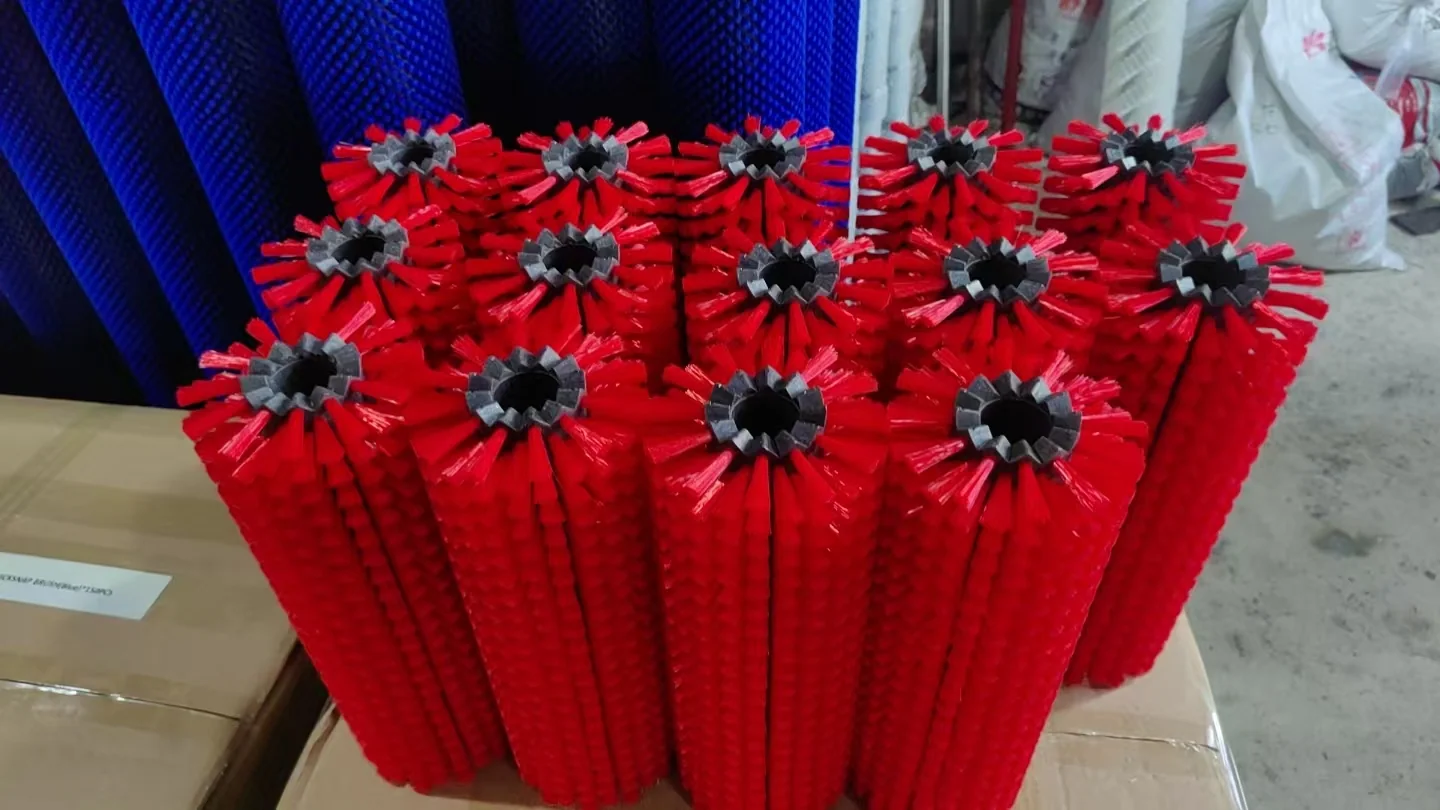
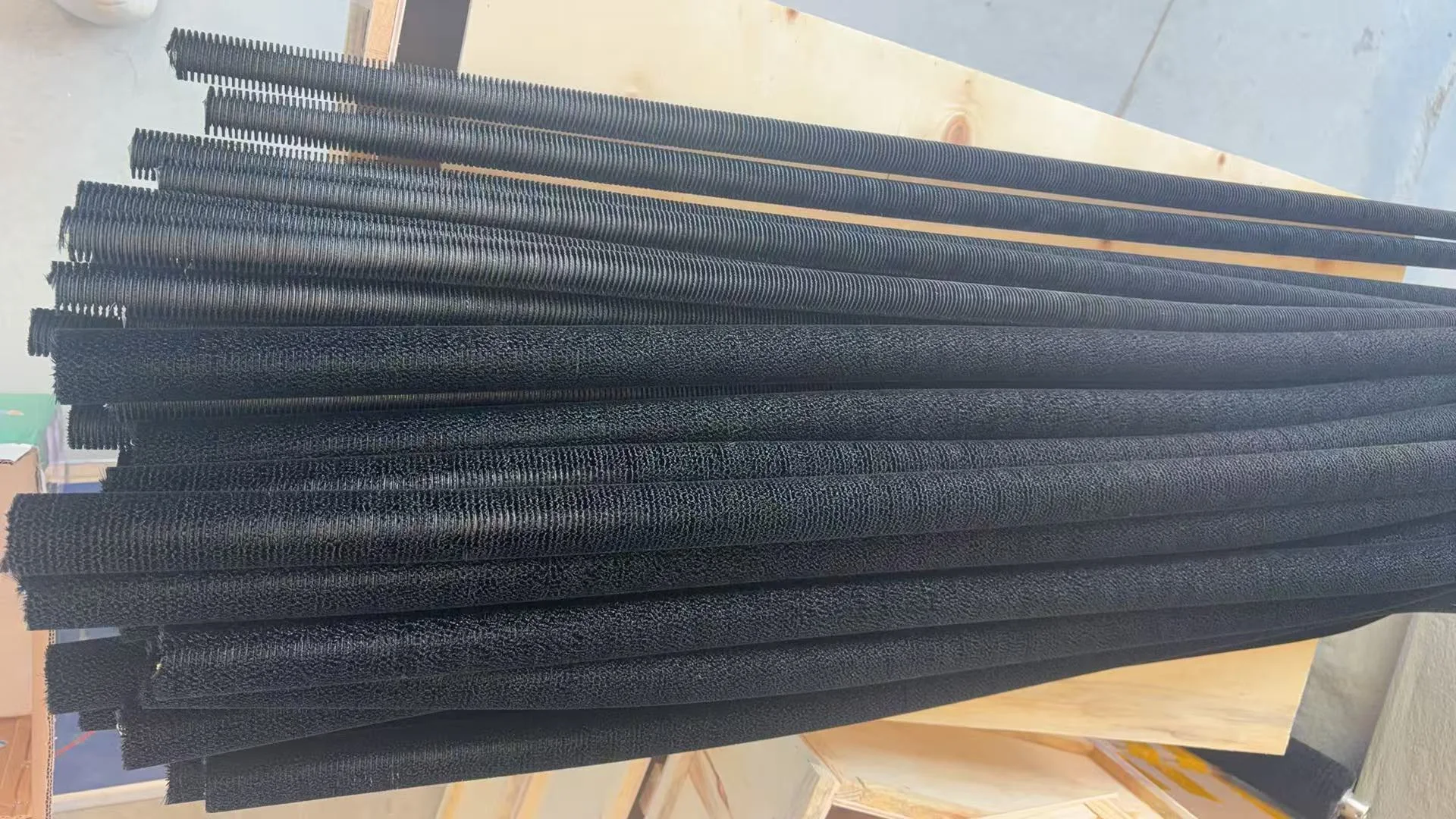
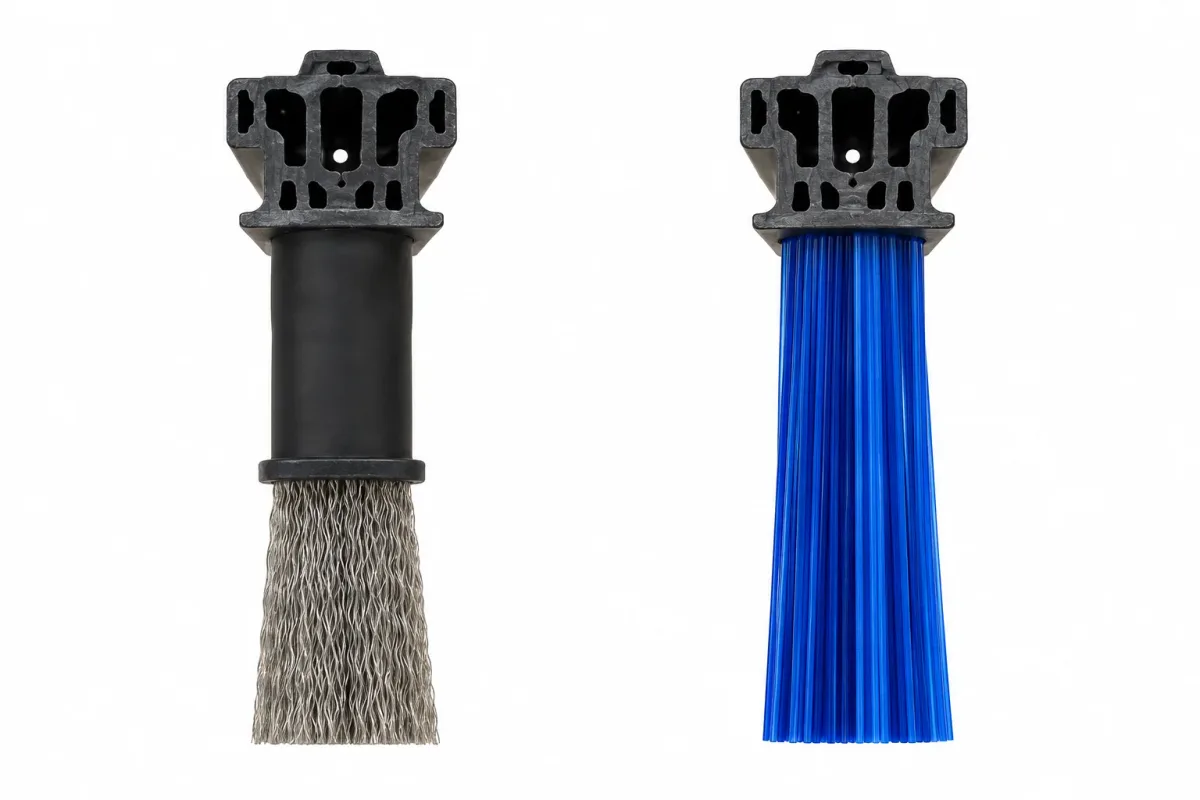
Lint and loose fibres can collect on rollers, guides, guards, and conveyor surfaces. A custom cylinder brush may be reviewed for line cleaning, controlled contact, or a cleaning station where the working width, rotation direction, and filament stiffness are defined. For narrow machine edges, enclosures, and transfer points, a strip brush can provide wiping, edge guiding, or gap coverage.
The material should be selected around the fabric sensitivity, operating temperature, contamination risk, and required cleaning action. A brush that is too stiff can mark a sensitive web; a brush that is too soft may not remove the lint or residue that affects the next operation.
Web Guiding, Support, and Tension Contact
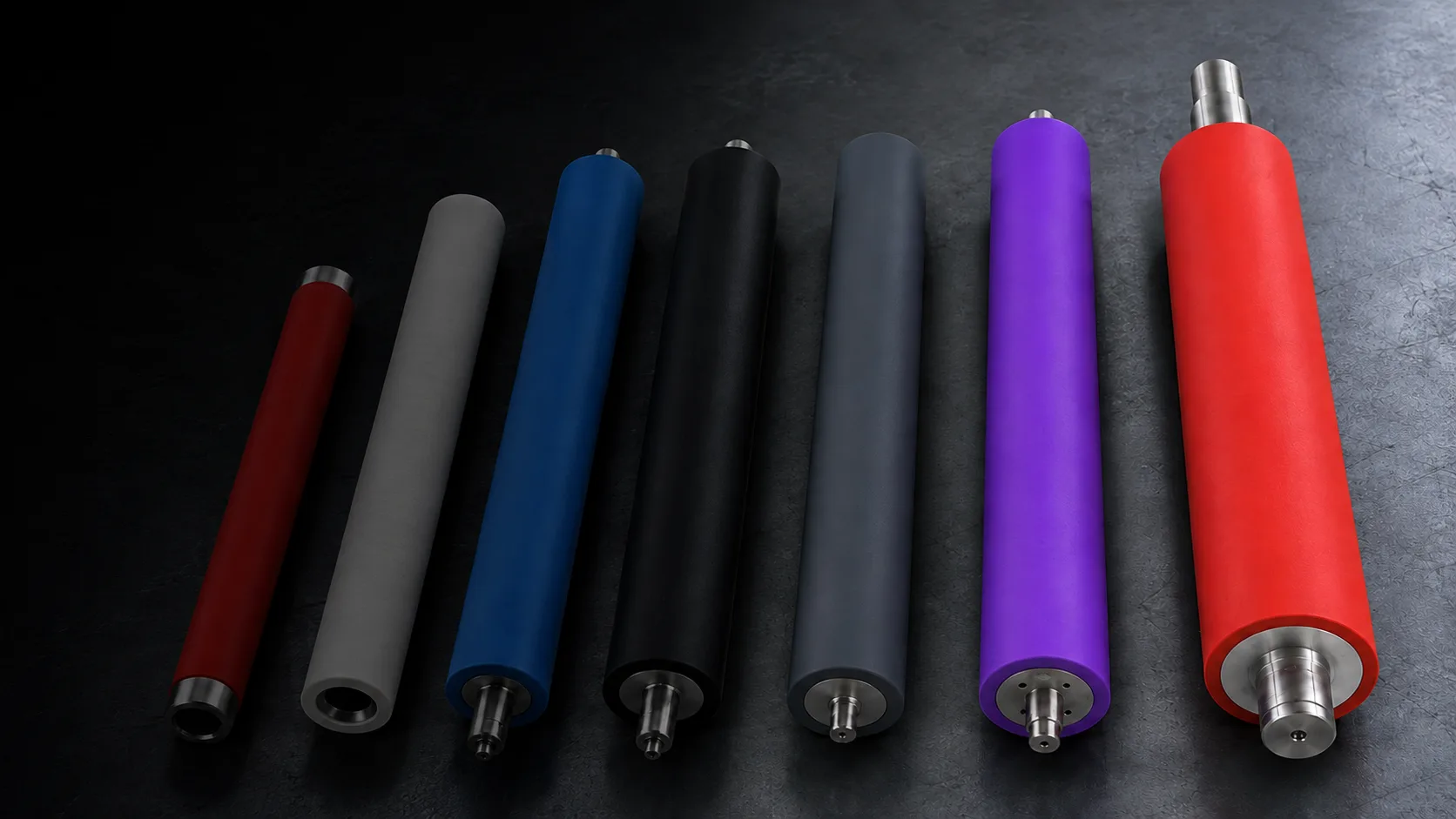
Fabric and other flexible webs must remain aligned through washing, drying, coating, printing, laminating, and finishing equipment. Rubber-covered rollers are commonly reviewed for support, traction, pressure, release, and controlled web contact when the cover material, hardness, face finish, and shaft arrangement are specified. Expander and spreader rolls may be reviewed as related equipment where a web must be opened or kept flat.
Brushes and covered rollers are selected for different jobs. A roller with a continuous working surface is normally considered when the process needs a controlled nip, support, traction, or transfer contact. A brush is considered when the line needs flexible cleaning, lint removal, light wiping, or a non-rigid contact edge.
Textile Washing, Finishing, and Machine Cleaning
- Fabric washing and surface cleaning: roller brushes may be used where the machine requires controlled brushing during wet processing.
- Printing and coating-line cleaning: a brush can remove loose residue from machine areas when the surface and chemical exposure are known.
- Stenter and finishing-line support: strip brushes and rollers may guide, separate, wipe, or support material around defined machine interfaces.
- Equipment maintenance: brushes can be specified for cleaning belts, rollers, guards, and accessible production-line surfaces between runs.
How to Define a Custom Textile Brush or Roller
Send the machine drawing with the working width, available installation space, shaft or mounting details, fabric or web material, line speed, temperature, chemical exposure, target contact result, and required quantity. For rollers, also define the required face profile, cover material, hardness if known, and any runout or tolerance requirement.
Brushcustom supports drawing-based custom production for OEM and large-volume replacement orders. The appropriate product family is then selected from the process need: cylinder brushes for bristle contact, strip brushes for linear machine interfaces, and covered rollers for continuous web-contact applications.