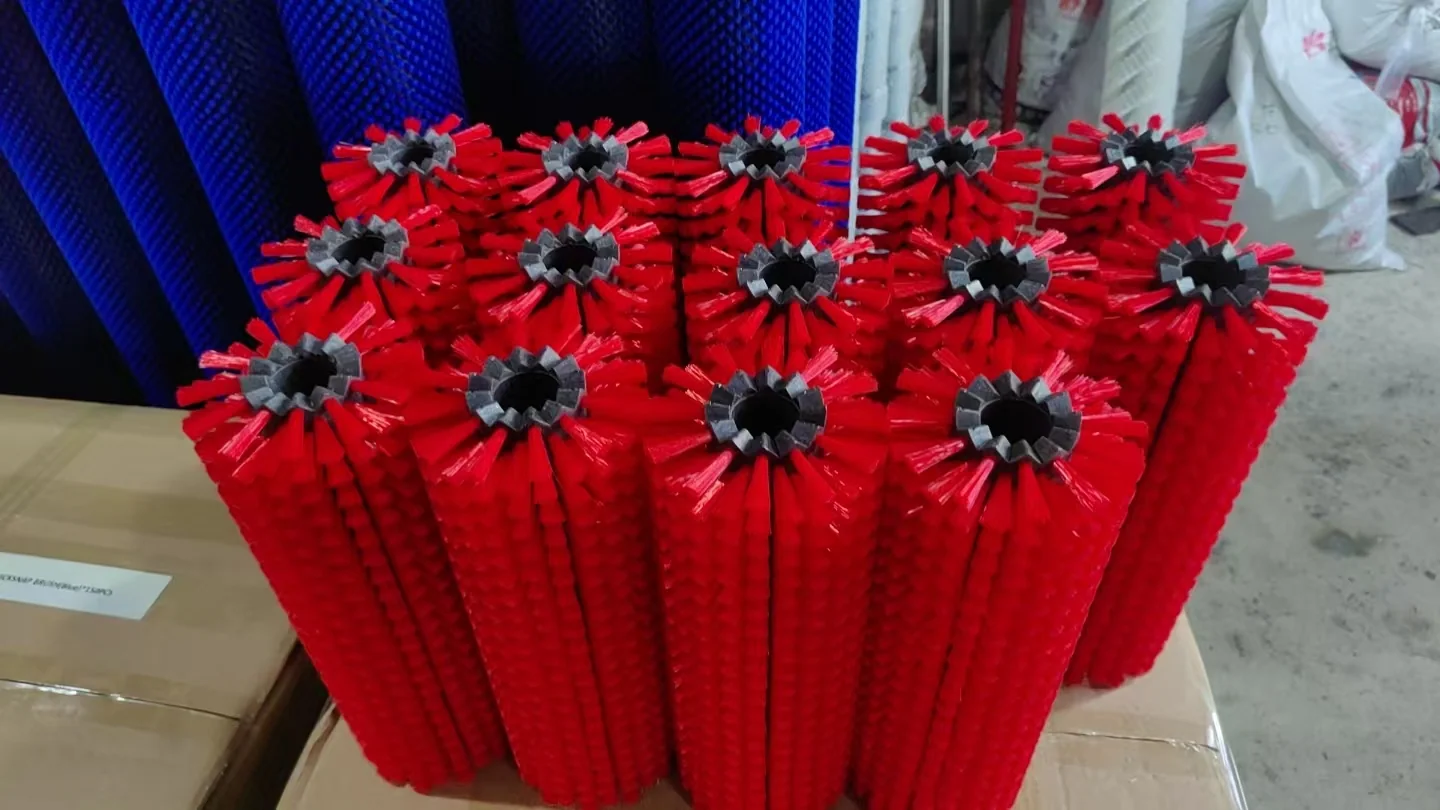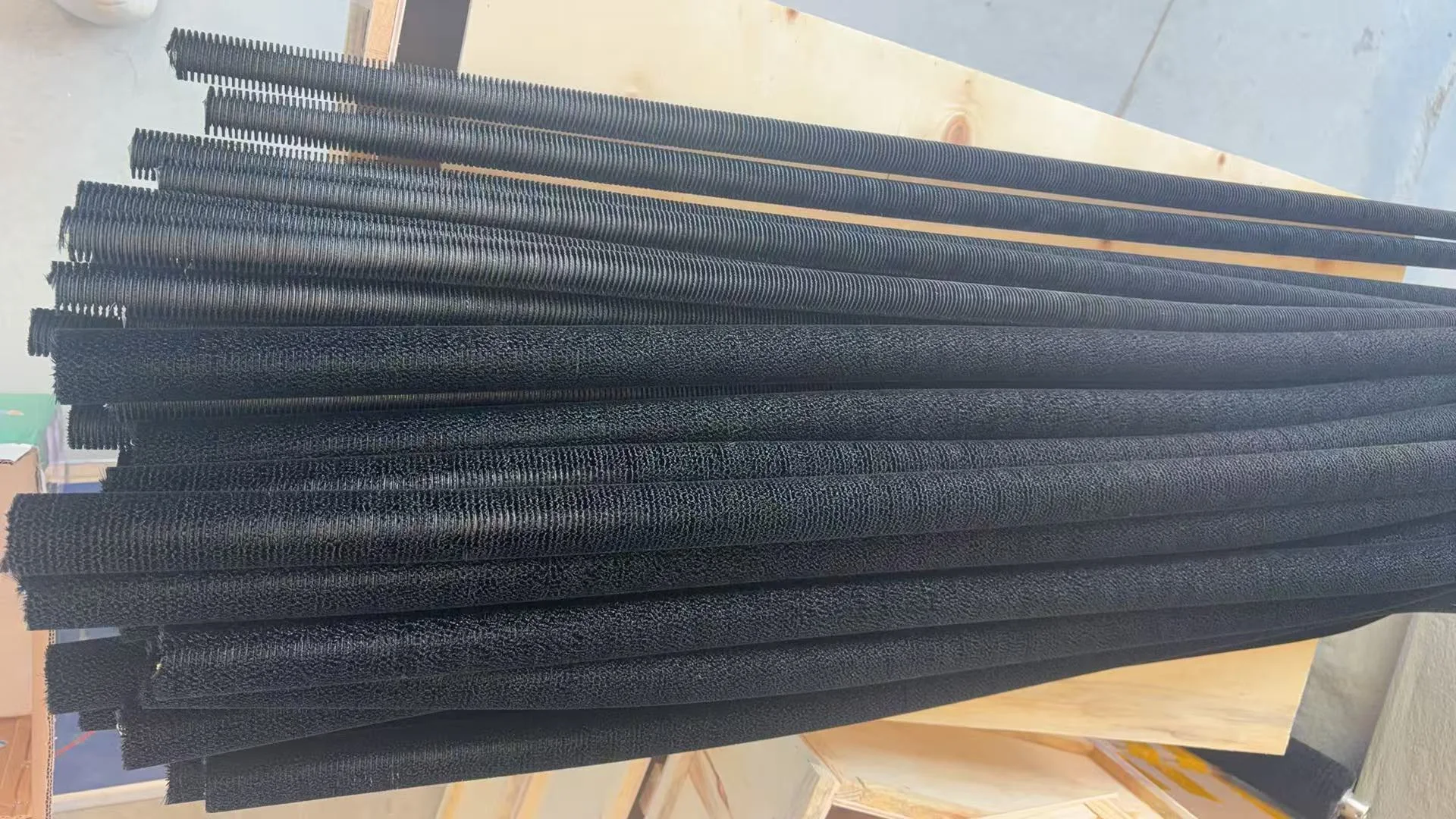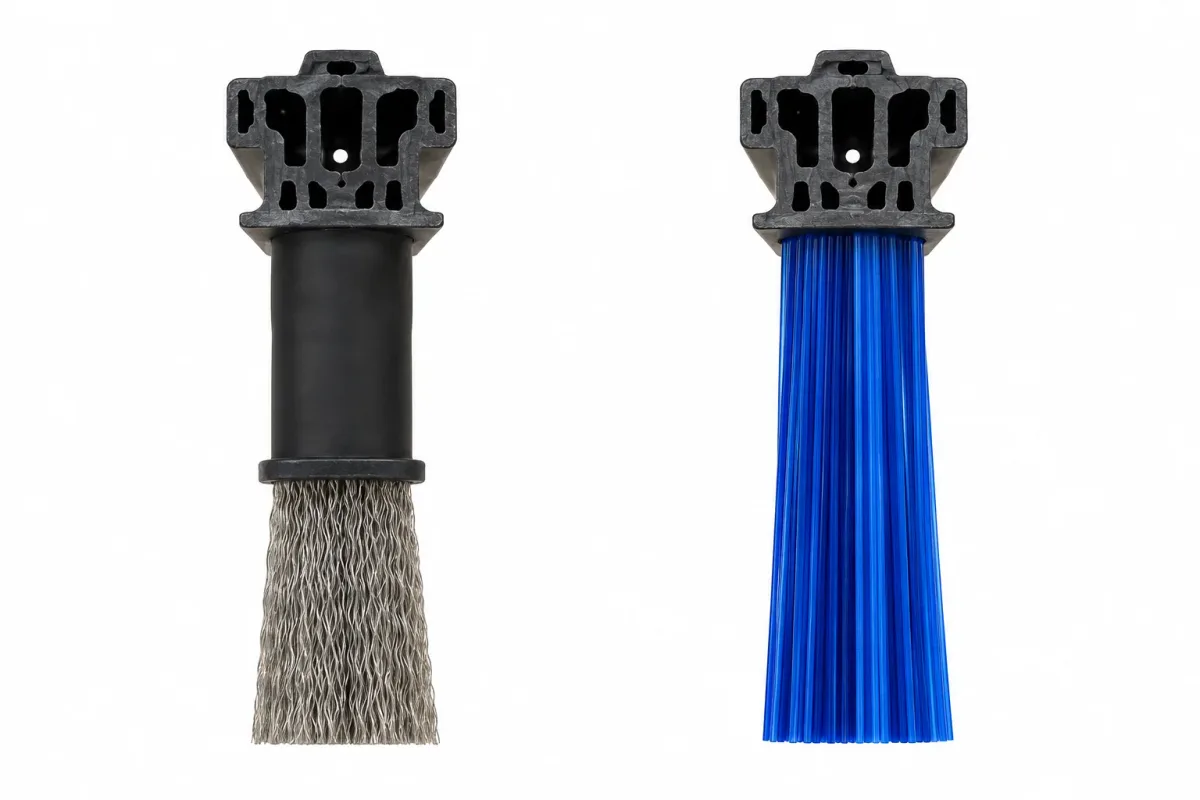
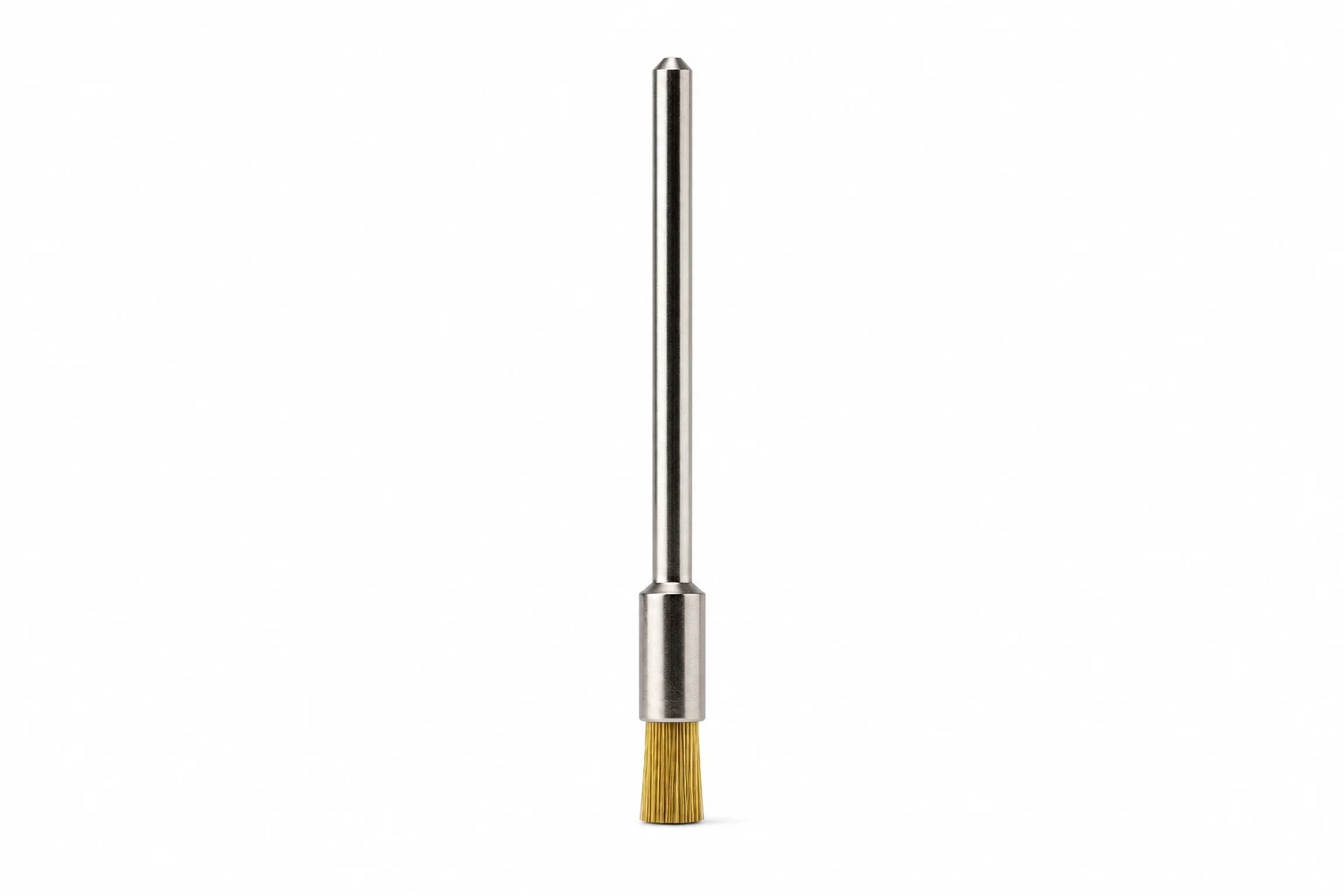
Miniature industrial brushes are used when a component has bores, cross-holes, grooves, recesses, or localized surface features that larger brushes cannot reach cleanly. “Miniature” describes a small-size or precision format, not one fixed filament material or one fixed brush construction.
The correct brush is selected around the feature being processed. A small end brush for a localized face-contact task is different from a twisted-in-wire brush that must reach through a bore or passage.
Where Miniature Brushes Are Used
- Small bores and cross-holes: light burr removal or residue cleaning in machined passages and intersecting features.
- Slots, grooves, and recesses: localized cleaning or controlled surface contact where a larger wheel or roller cannot enter.
- Blind features and end faces: contact at a bottom surface or small internal feature with a defined tip profile.
- Precision assemblies: removal of loose process debris before inspection, assembly, or a secondary operation.
Common Miniature Brush Formats
Miniature end brushes are reviewed where the machine or hand tool needs axial access to a confined feature. Their body, shank, mounting interface, brush diameter, trim, and filament are defined for the required access. A small pipe or tube brush is the more appropriate direction when the working section must travel inside a longer bore, channel, or tube.
Depending on the task, the working material may be nylon, abrasive nylon, ceramic abrasive filament, natural fibre, or metal wire. The choice must match the workpiece material, burr condition, allowable scratch level, target finish, and contamination-control requirement. There is no universal “best” miniature brush material.
What Controls the Result
On a small component, a minor change in brush diameter, trim length, filament stiffness, abrasive level, or tool interface can produce a major process difference. The drawing should identify the feature to be reached, the target result, critical dimensions or tolerances, and whether the brush is used by hand, in a fixture, or on automated equipment.
For rotating end brushes, the permitted operating speed and mounting interface must be confirmed before production. For internal passages, identify the minimum ID, access direction, overall reach, and whether there are cross-holes, threads, steps, or a blind end.
Custom Production from Your Drawing
Send the approved drawing with the required head or brush diameter, working length, shank or mounting detail, working material, part material, feature to be processed, and required quantity. Brushcustom supports drawing-based OEM and large-volume orders for small end brushes and pipe and tube brushes. When the result is critical, validate the selected brush on the actual part before releasing volume production.