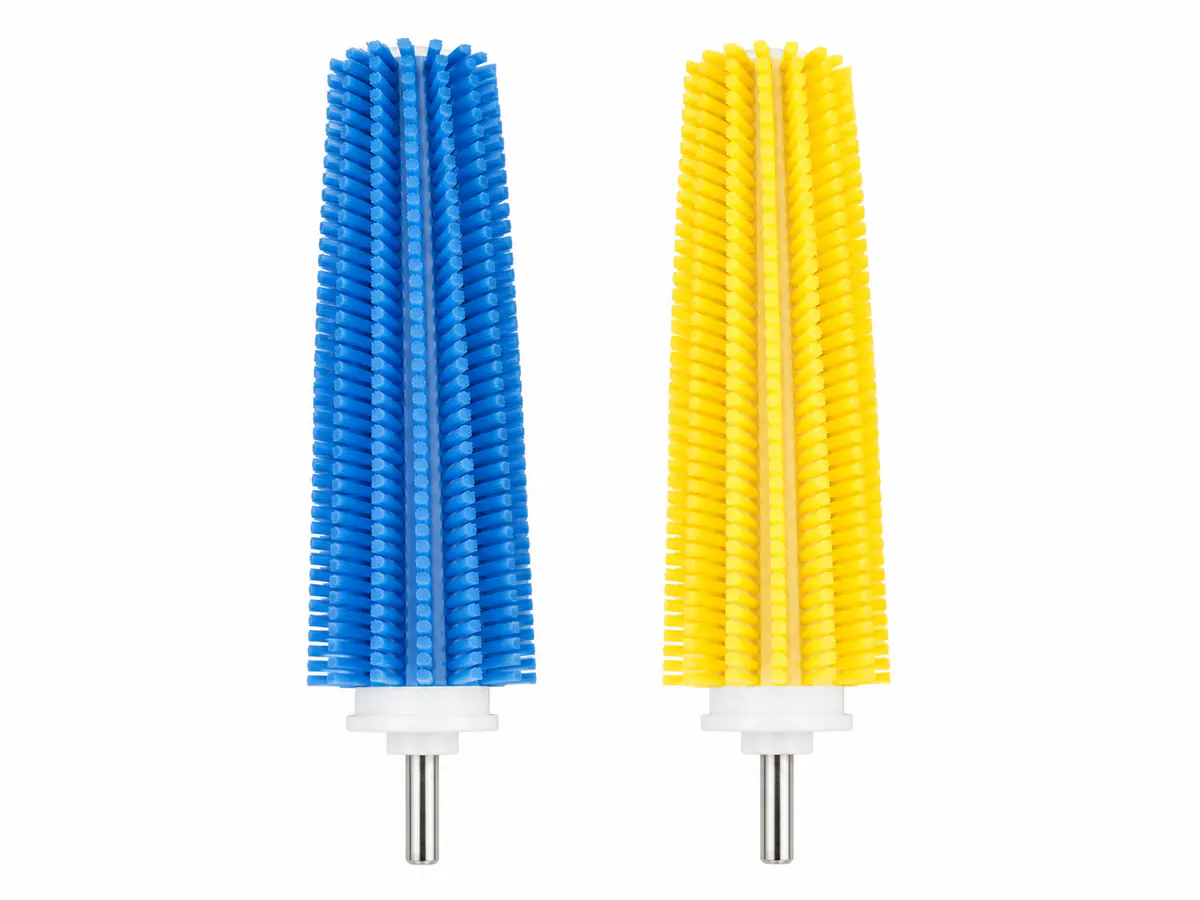
A food-processing brush should be selected for its actual use, not from the material name alone. Product contact, cleaning chemicals, temperature, brush construction, and the documents required by the plant all affect whether a brush is suitable.
This guide explains the main material and hygiene questions to confirm before specifying a custom food-grade industrial brush.
What Is a Food-Grade Industrial Brush?
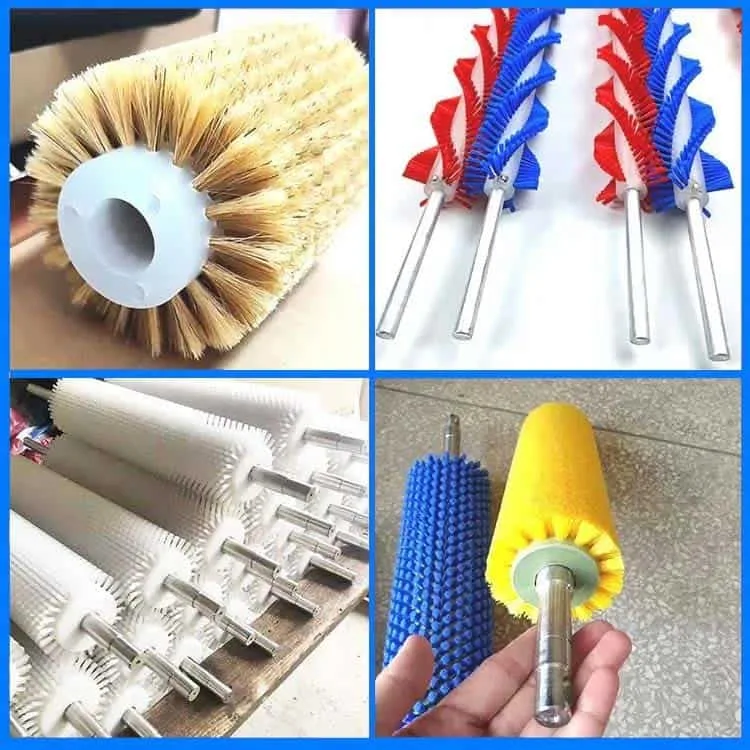
“Food grade” is not one universal brush certification. It usually means that the materials, finished construction, and supporting documents have been reviewed for a defined food-processing use.
The review should cover every exposed component, including filaments, brush body, core, shaft, staples, adhesives, or resin where applicable. A material that is acceptable in one application may not be suitable at a different temperature, with another food type, or under a different cleaning process.
Start with the Contact Zone
Direct Food Contact
Brushes that wash, guide, grade, convey, or coat food require the closest review. Confirm the intended food, contact time, operating temperature, cleaning method, and foreign-material controls for the finished brush.
Food-Contact Equipment Cleaning
A brush used on tanks, conveyors, pipes, or other food-contact surfaces should be cleanable and compatible with the plant’s detergent, sanitizer, rinse temperature, and drying procedure. It should also fit the facility’s written sanitation program.
Non-Food-Contact Areas
Brushes for guards, frames, floors, drains, and equipment exteriors may have different requirements. They should be clearly separated from product-contact tools according to the plant’s hygiene-zone and color-coding rules.
Food-Contact Compliance Is Use-Specific
In the United States, a generic statement such as “FDA-approved nylon” is not enough to establish suitability. The regulatory status of each component must be checked against the applicable authorization, specifications, limitations, and intended conditions of use. The FDA places responsibility on the manufacturer of the food-contact substance to confirm compliance. See the FDA guidance on determining the regulatory status of food-contact material components.
For the European Union, Regulation (EC) No 1935/2004 applies to materials and articles intended, already used, or reasonably expected to come into contact with food. Plastic components may also require review under Regulation (EU) No 10/2011 and the relevant declaration of compliance. Requirements should be confirmed for the destination market and finished brush.
HACCP is a facility-specific system for identifying and controlling food-safety hazards; it is not a brush material approval. Brush selection can support a plant’s HACCP, SSOP, allergen-control, and foreign-material procedures, but it does not make the finished process compliant by itself.
Common Brush Materials
PA Nylon
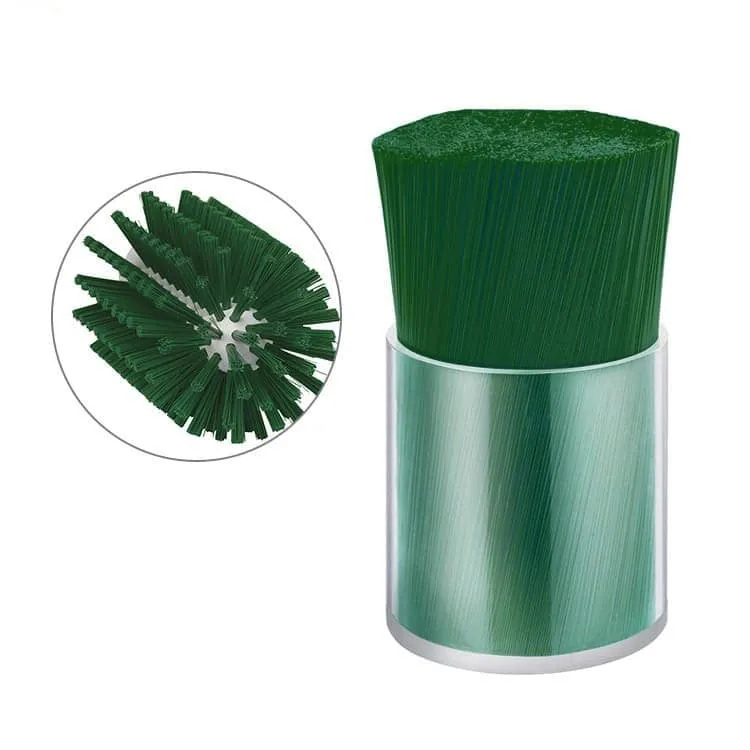
PA nylon grades offer good flex life and abrasion resistance. Moisture absorption, stiffness, temperature resistance, and chemical compatibility vary by nylon type and filament grade. PA 6.12 generally absorbs less moisture than PA 6 or PA 6.6, but the exact grade and supporting documentation still need to be confirmed.
PBT Polyester
PBT is commonly considered for wet applications because of its dimensional stability and relatively low moisture absorption. Check the filament grade against the cleaning chemicals, operating temperature, required stiffness, and contact conditions.
Polypropylene
Polypropylene offers low moisture absorption and useful chemical resistance for many cleaning environments. Its temperature and mechanical limits should be checked before it is specified for hot washdown or demanding rotary service.
Stainless Steel and Other Metals
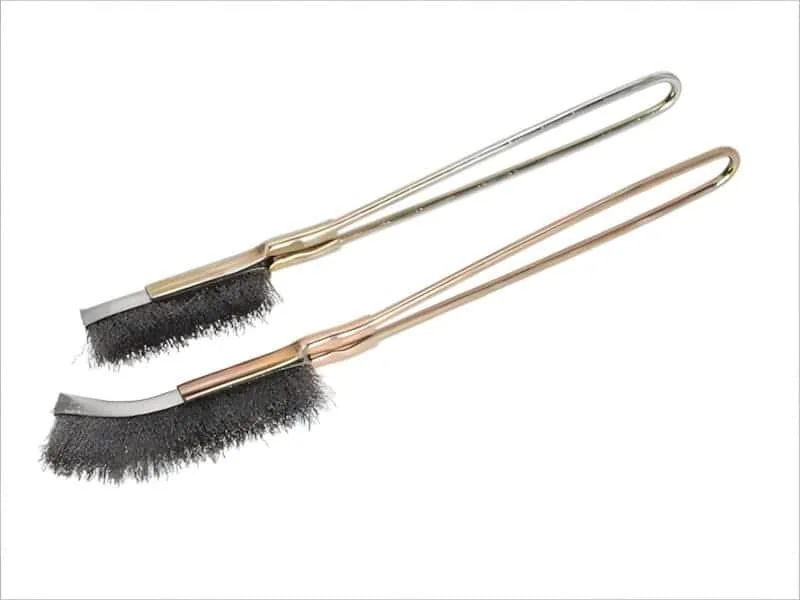
Stainless steel may be used for shafts, cores, staples, or filaments, depending on the application. It is not automatically suitable for direct food contact. Grade, surface finish, corrosion exposure, filament retention, scratching risk, and the plant’s foreign-material assessment must all be reviewed.
Natural and Specialty Filaments
Natural fibers can provide soft contact or liquid-holding performance, but moisture retention, shedding, cleaning, and drying require careful evaluation. Specialty filaments such as high-temperature polymers, conductive materials, or detectable compounds should only be specified when their performance and documentation match the application.
Hygienic Brush Design Considerations
- Cleanability: Minimize inaccessible gaps, rough surfaces, and areas that trap soil or cleaning solution.
- Filament retention: Review the tuft, staple, anchor, resin, or other retention method against the plant’s foreign-material controls.
- Drainage and drying: Consider how the brush is washed, rinsed, drained, dried, and stored between production runs.
- Chemical and temperature resistance: Check all components against the actual detergent, sanitizer, concentration, contact time, and rinse temperature.
- Color coding: Match the customer’s written zone or allergen-control system; there is no universal color assignment for every plant.
- Detectability: If metal-detectable or X-ray-visible components are requested, confirm the plant’s detection method and validate performance in the finished process.
Brush Forms Used in Food Processing
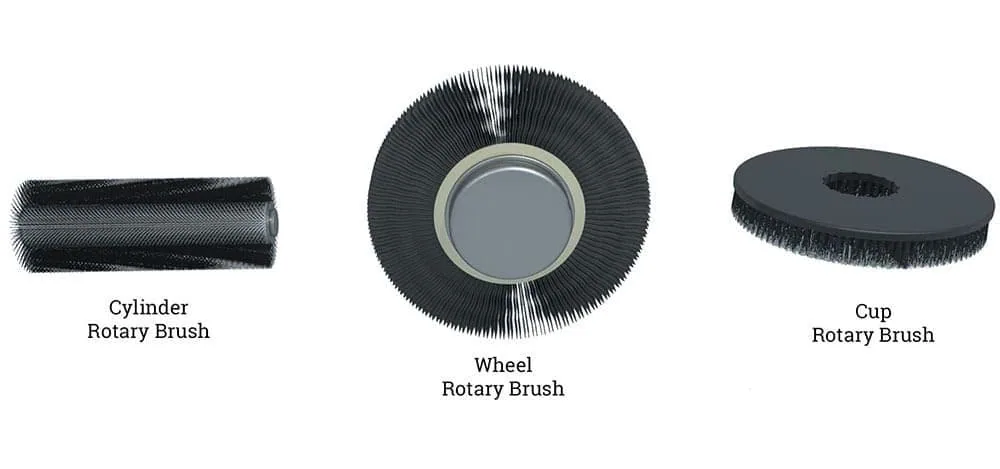
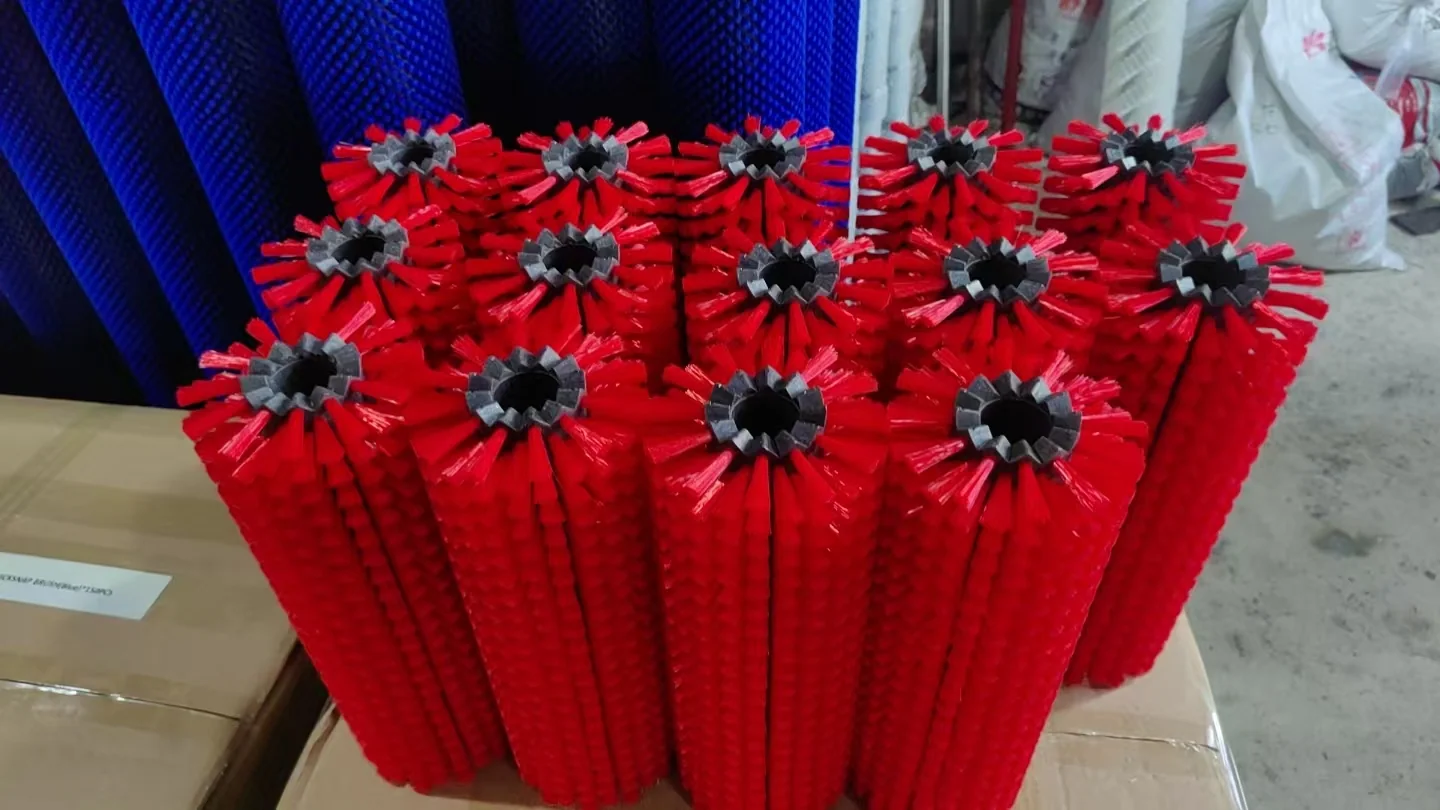
- Roller and cylinder brushes: washing, grading, guiding, conveying, coating support, and continuous equipment cleaning.
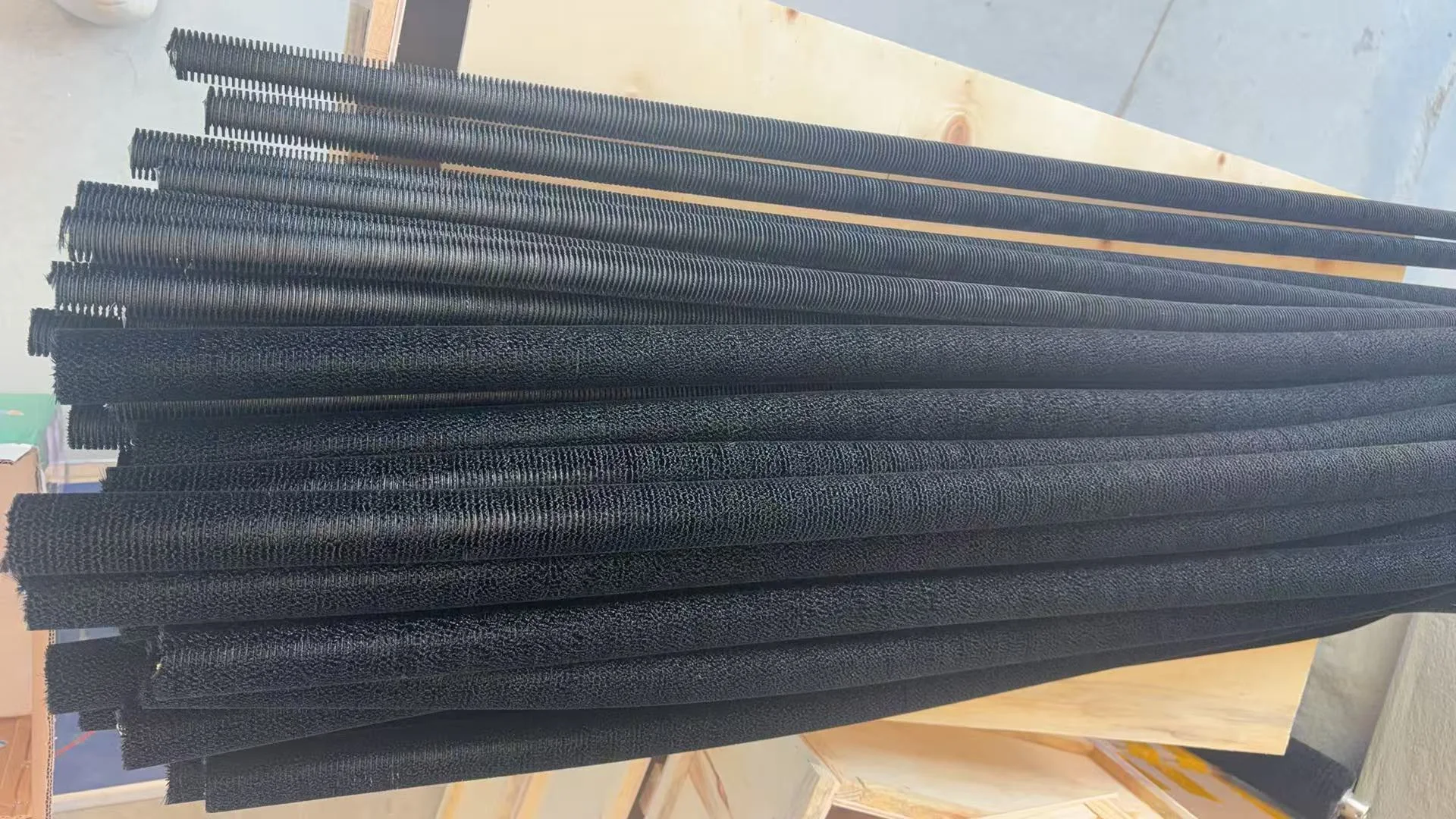
- Strip and panel brushes: wiping, guiding, gap control, product support, and conveyor cleaning.
- Tube and valve brushes: cleaning internal diameters, nozzles, fittings, and difficult-to-reach equipment areas.
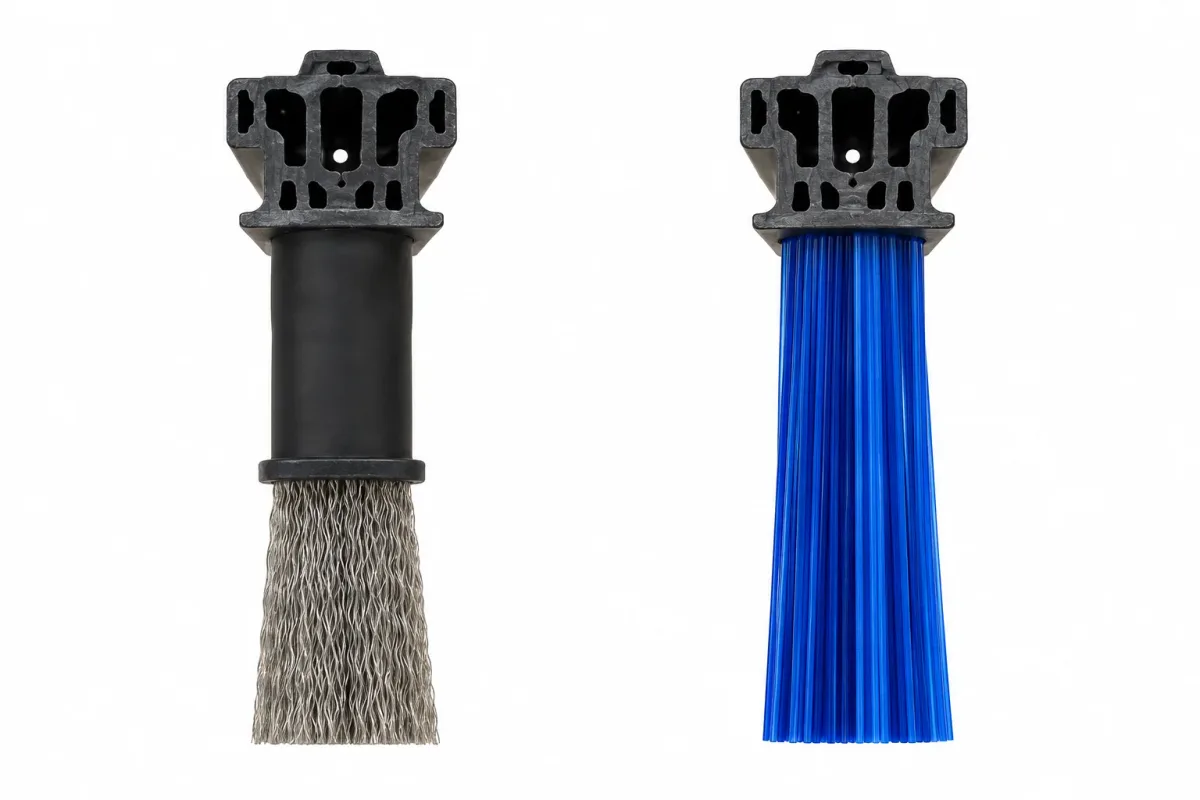
- Custom brush modules: replacement parts made to match the equipment drawing, shaft, mounting interface, and working width.
For custom machine brushes and application examples, see our food-processing brush solutions.
Information to Confirm Before Ordering
- Brush drawing, dimensions, tolerances, shaft, core, and mounting details
- Direct-contact, equipment-cleaning, or non-food-contact use
- Food or product handled and whether the process is wet or dry
- Brush speed, load, contact pressure, and required cleaning intensity
- Filament material, diameter, trim length, density, and pattern
- Detergent, sanitizer, concentration, contact time, and temperature
- Required declarations, test reports, traceability, and destination market
- Color coding, allergen controls, and metal-detection or X-ray requirements
When Should a Food-Processing Brush Be Replaced?
There is no universal replacement interval. The schedule should be based on the validated sanitation and preventive-maintenance procedure for the specific line.
Replace or investigate a brush when there are loose or missing filaments, excessive trim wear, deformation, cracks, corrosion, damaged mounting parts, trapped soil that cannot be removed, or declining process performance. Recording inspection results and replacement history helps the plant set a practical interval for each brush position.
Custom Food-Processing Brushes from Your Drawing
Brushcustom manufactures roller, strip, panel, tube, and other custom brushes for food-processing equipment. Materials and document availability are confirmed against the approved drawing, intended use, cleaning conditions, and customer requirements.