How do I choose between tufted, spiral-wound, and modular cylinder brushes?
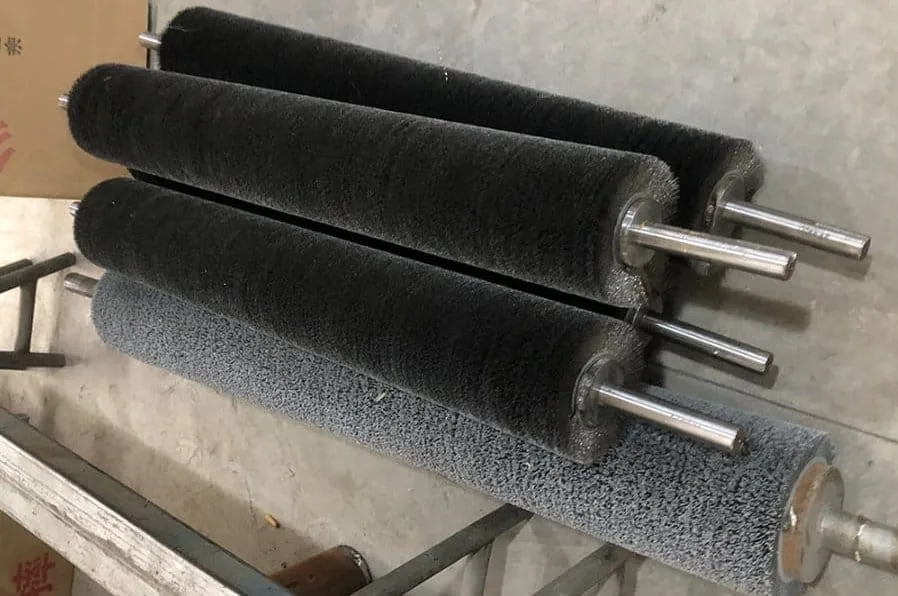
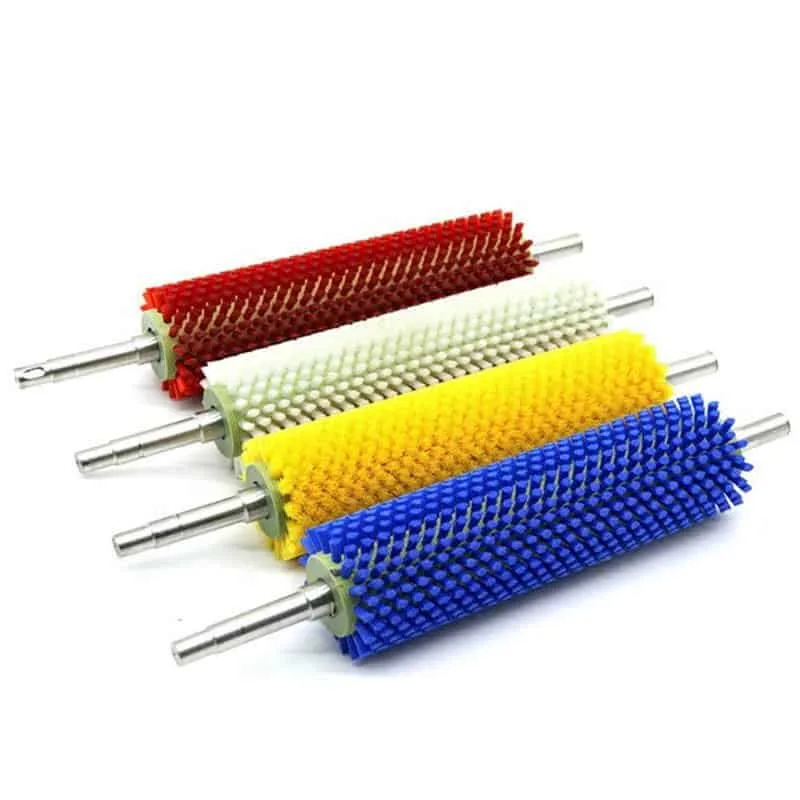
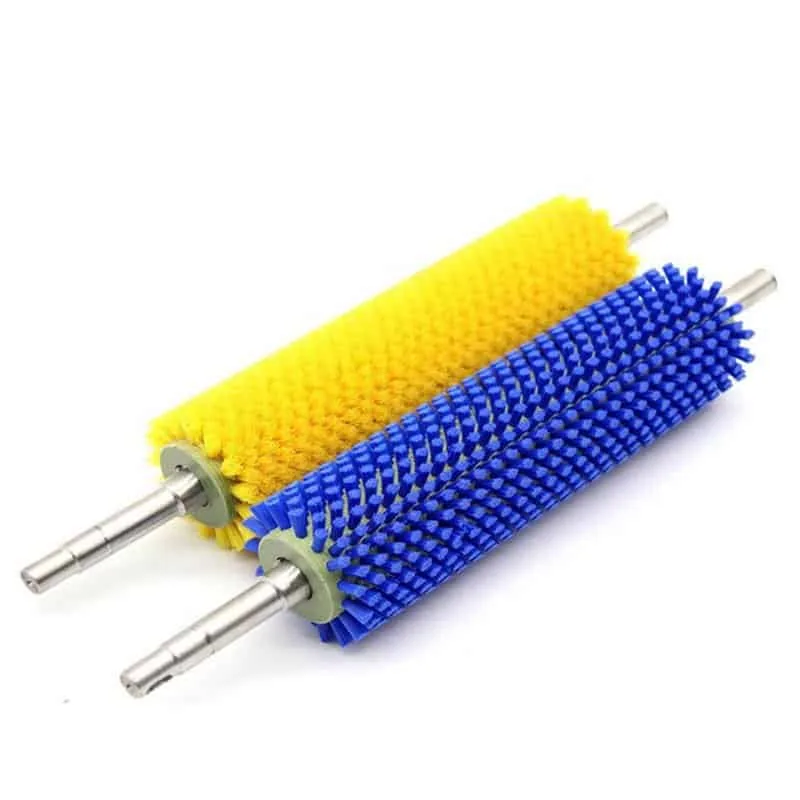
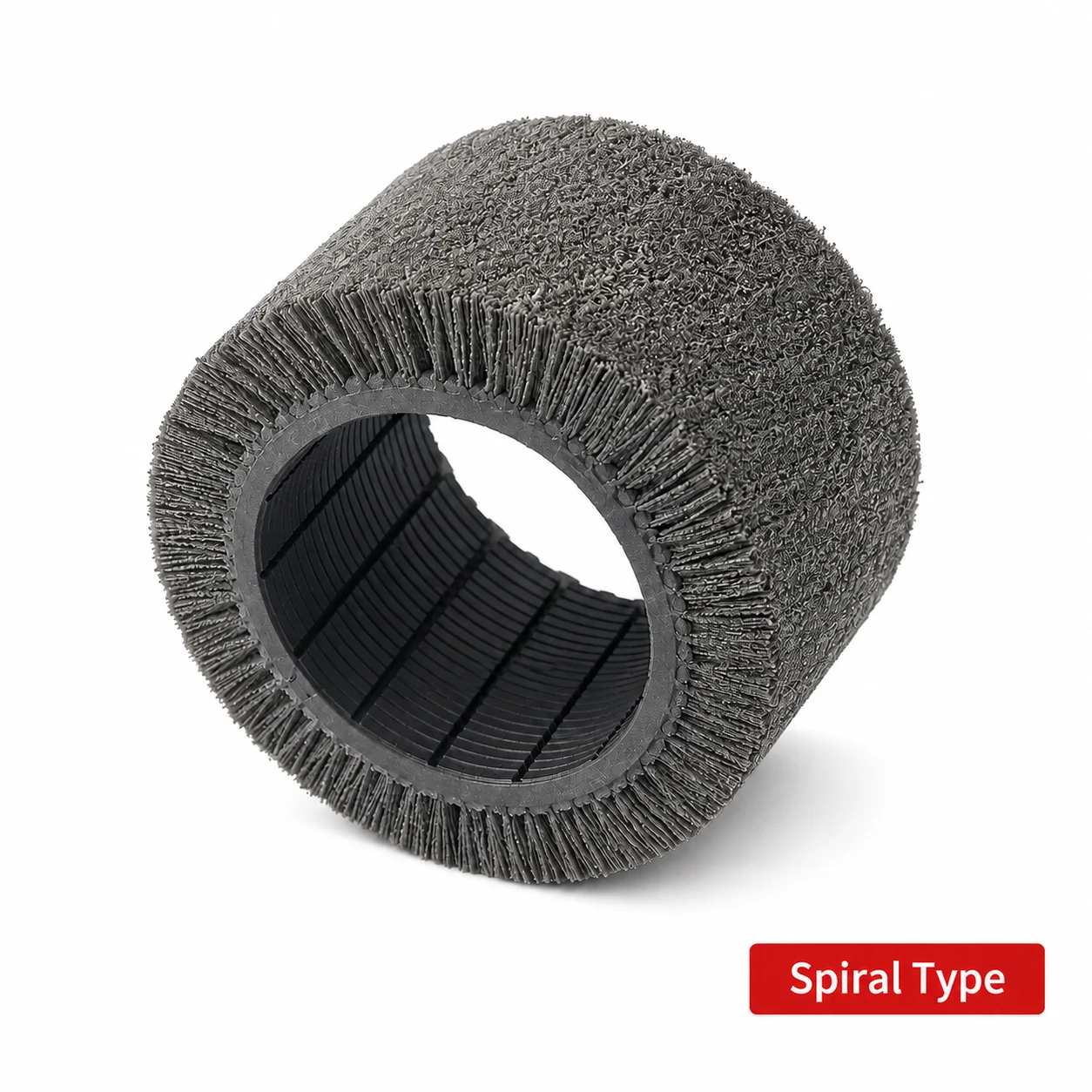
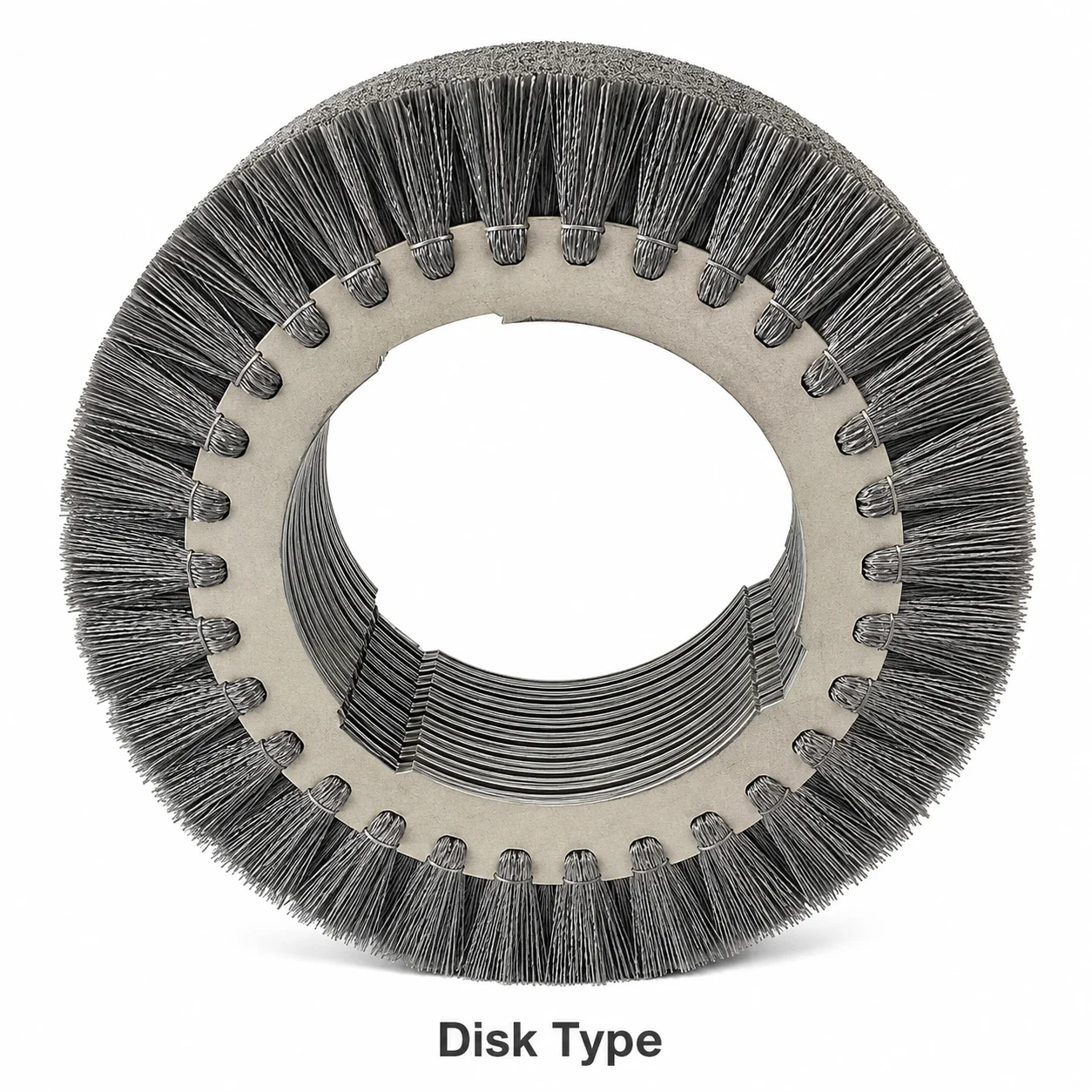
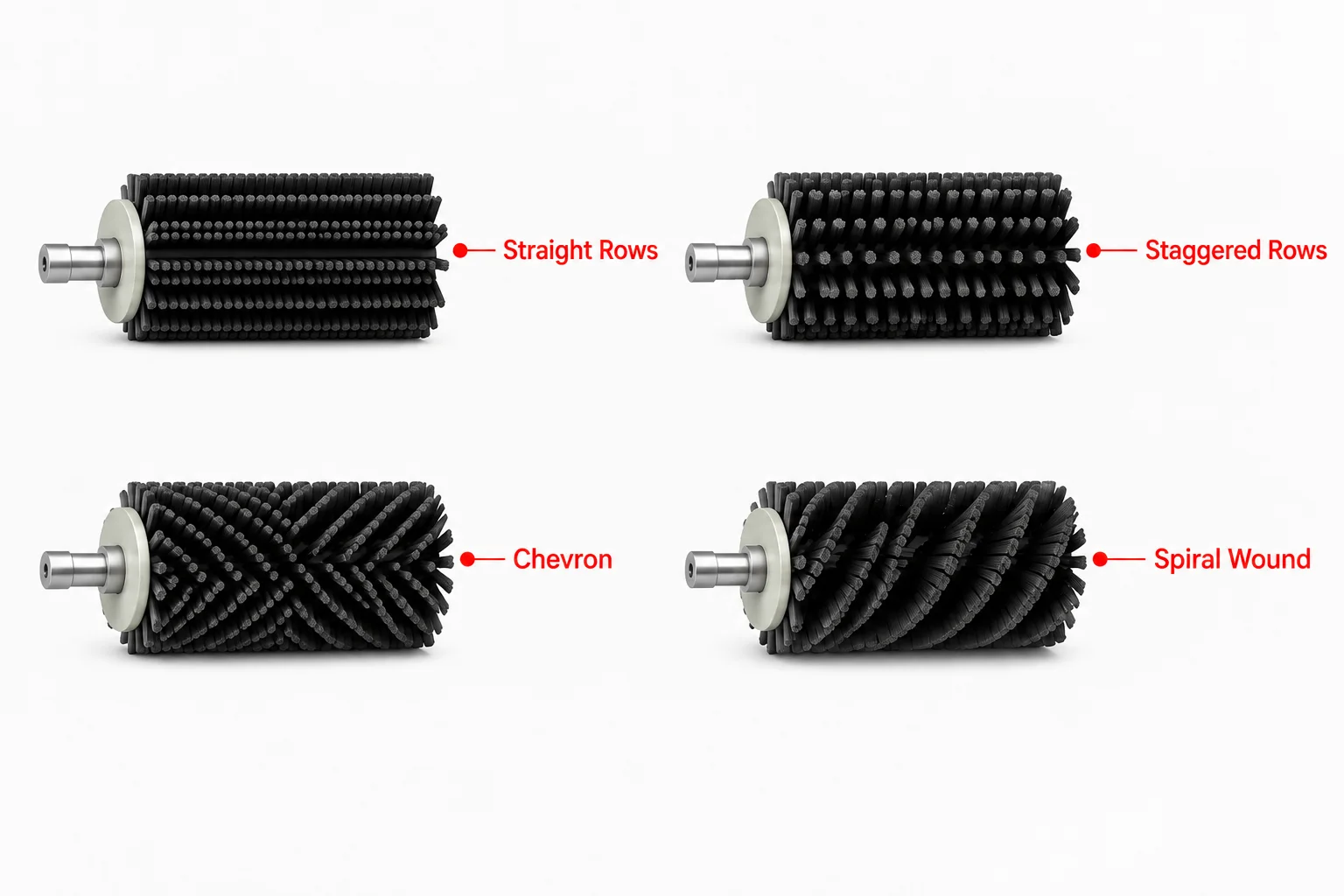
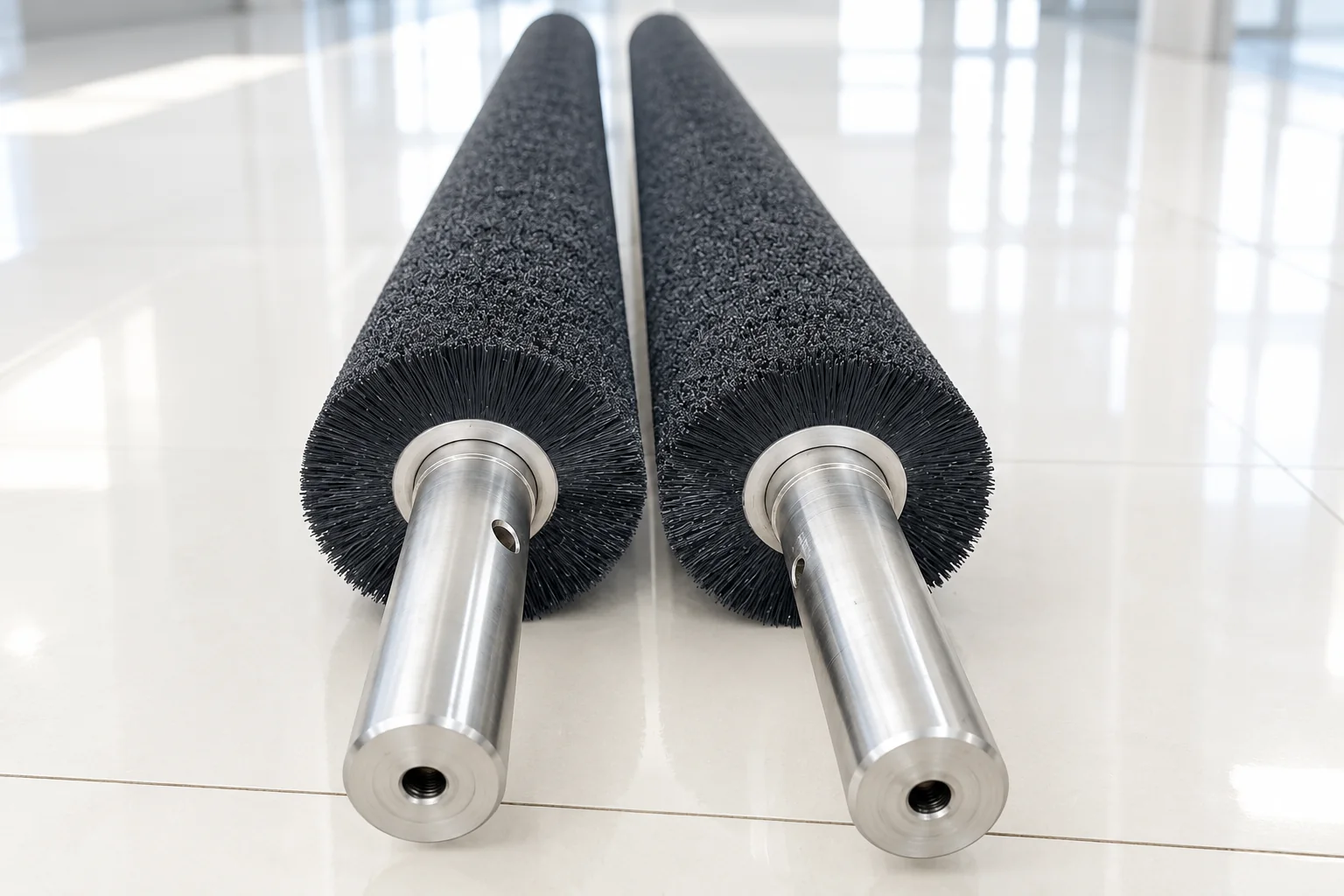
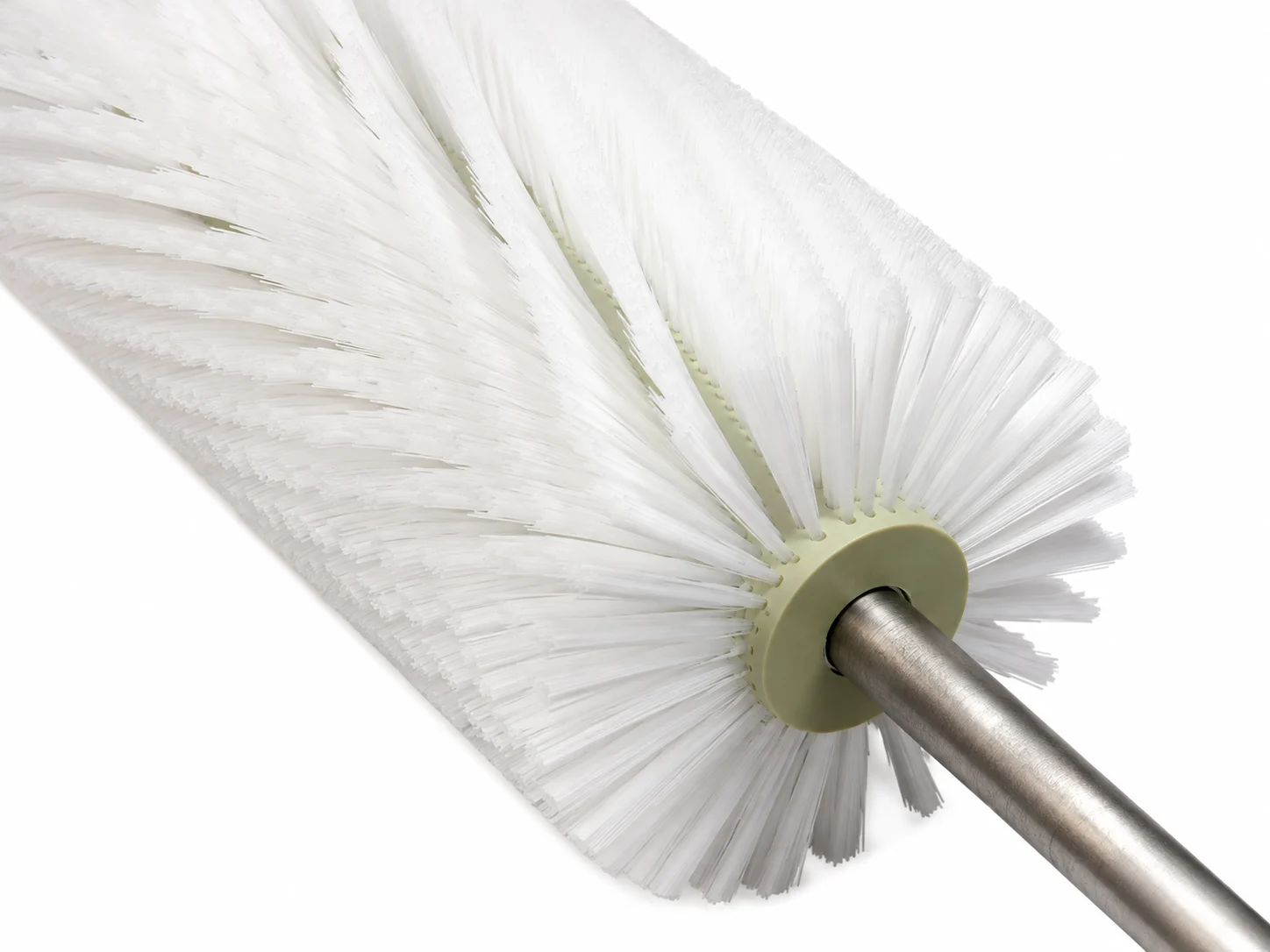
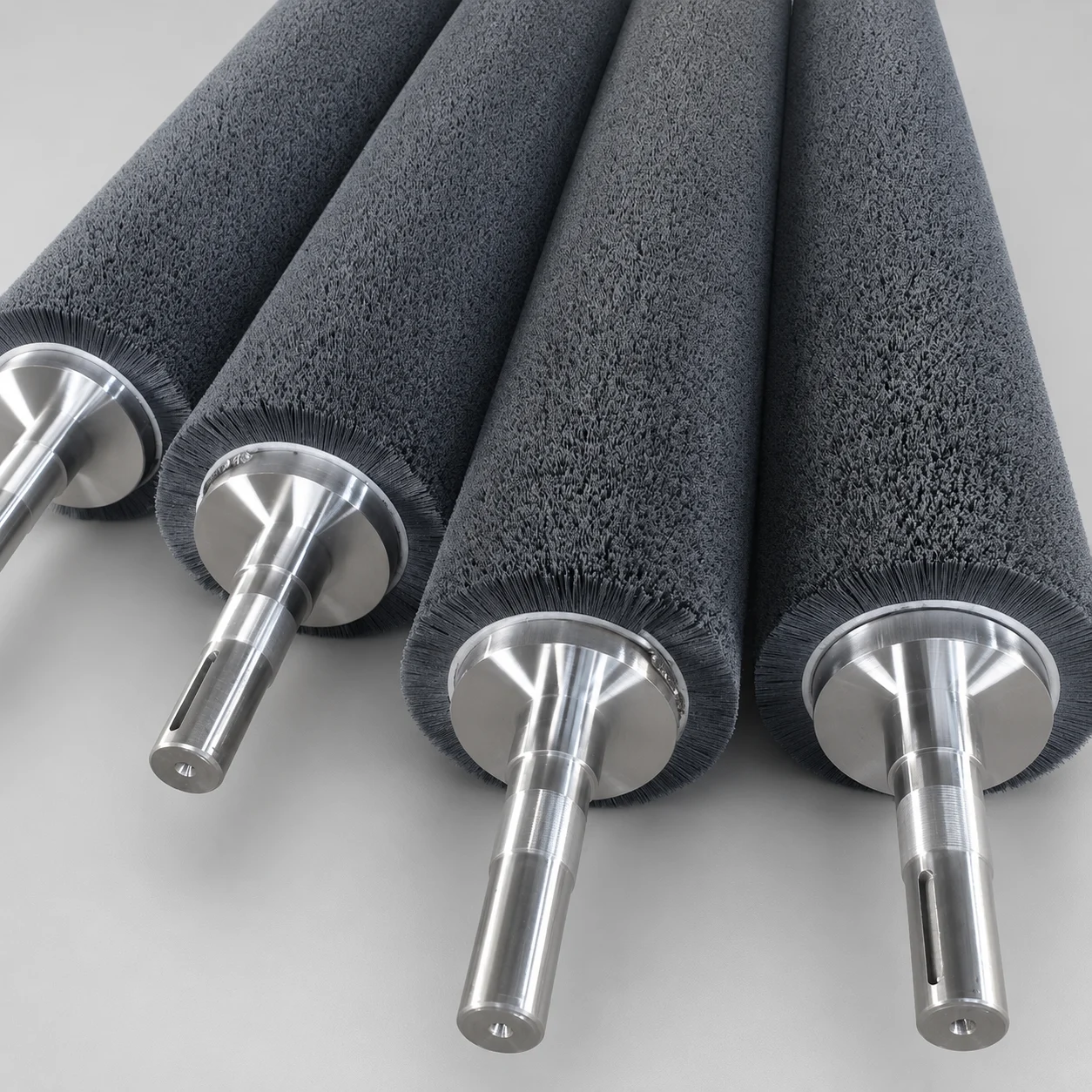
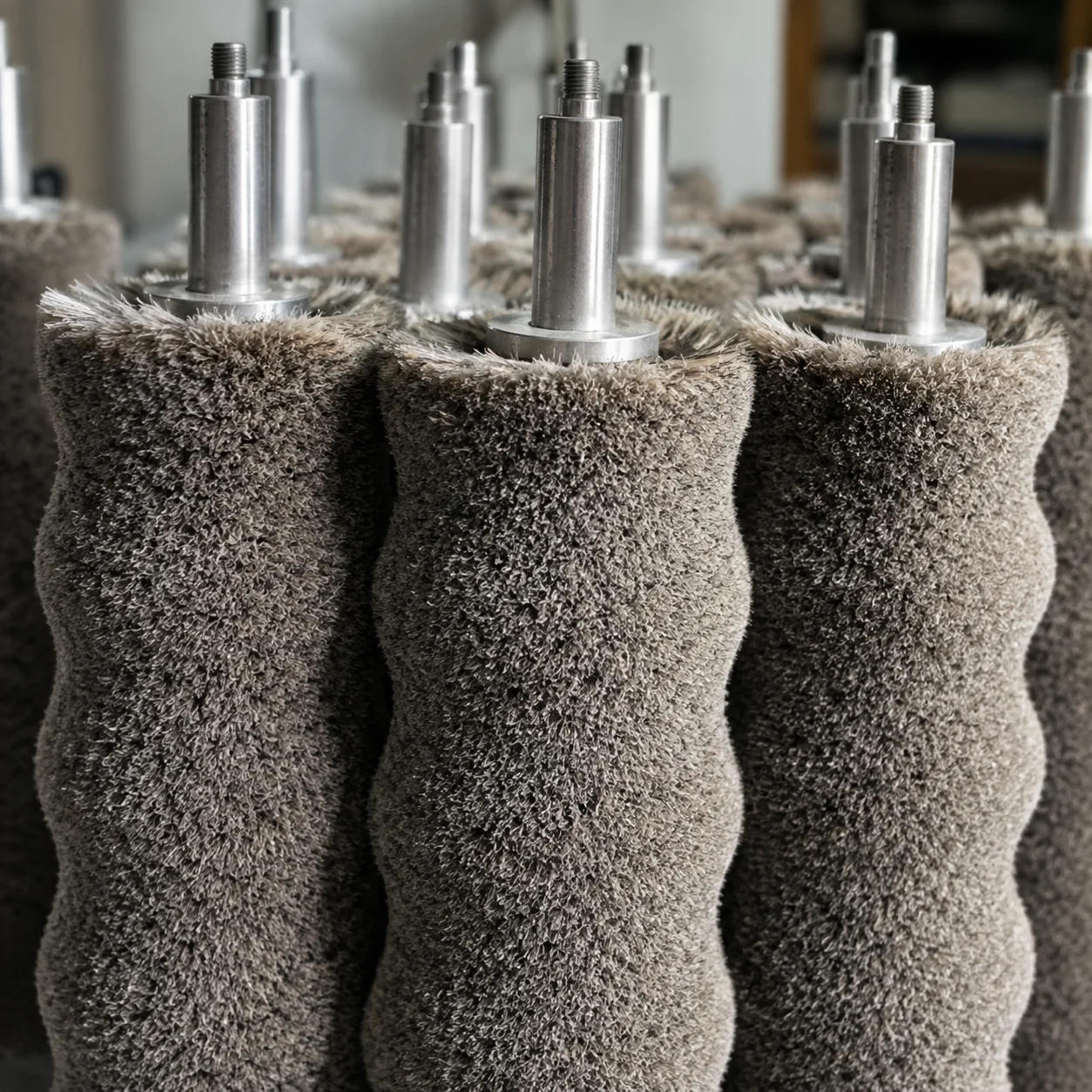
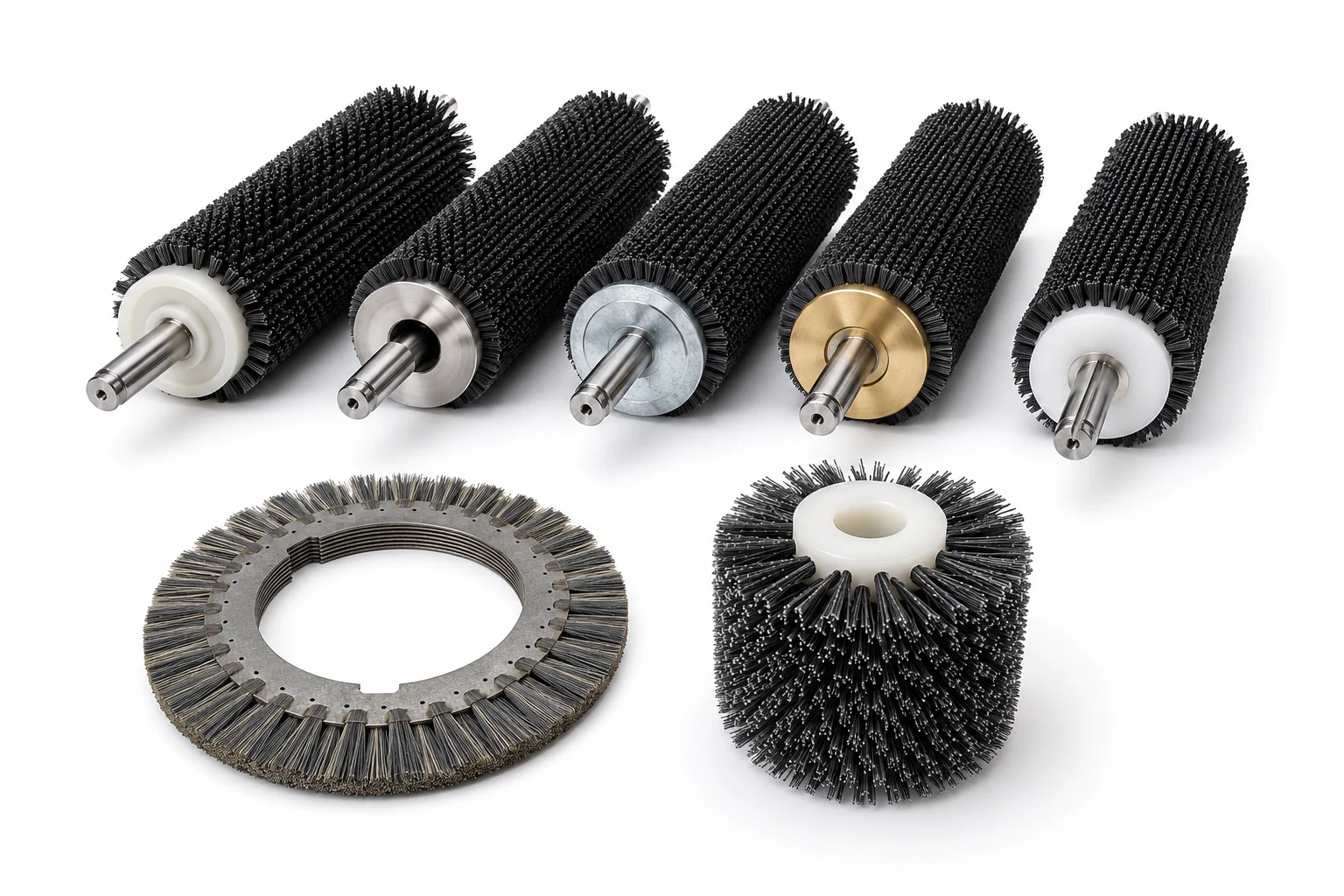
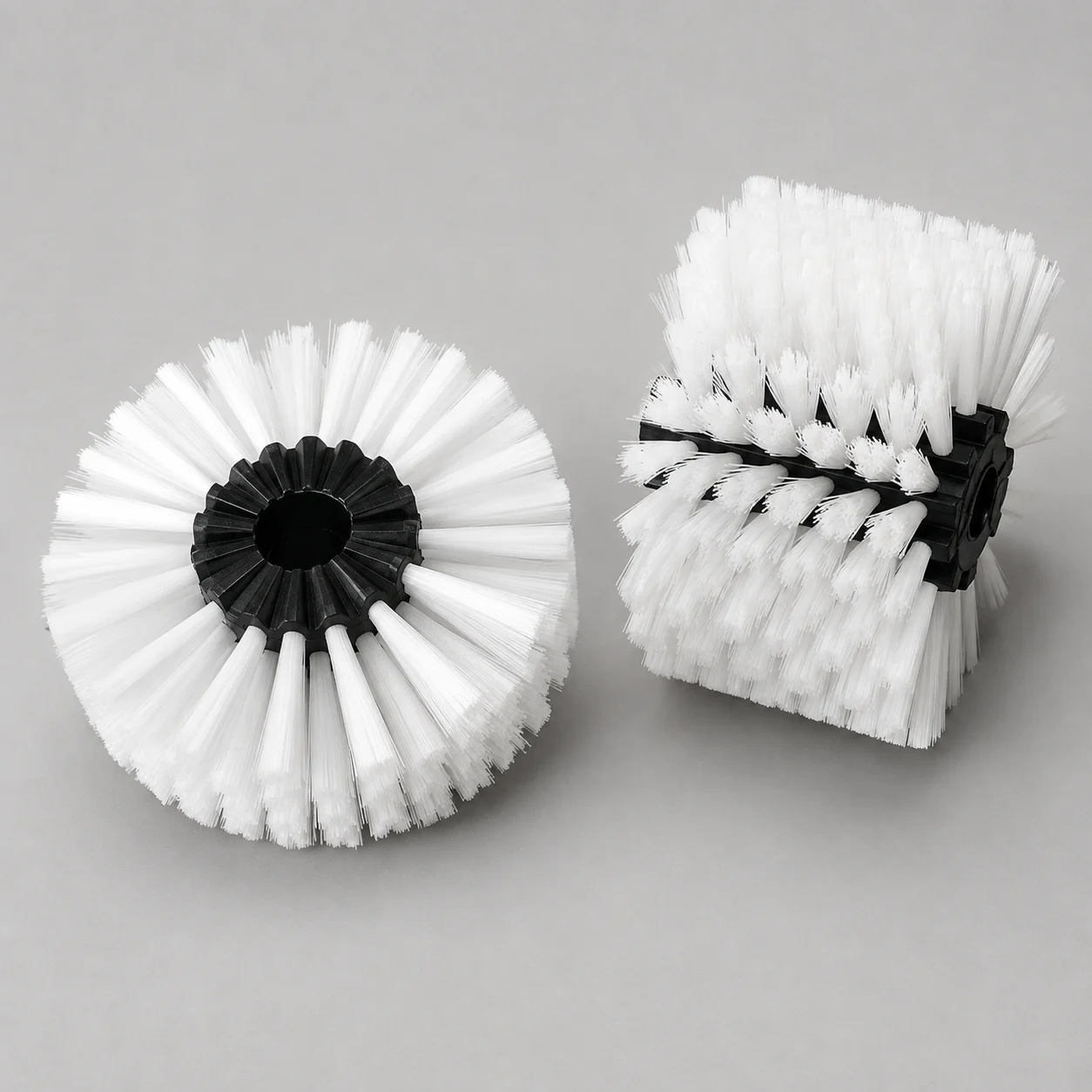
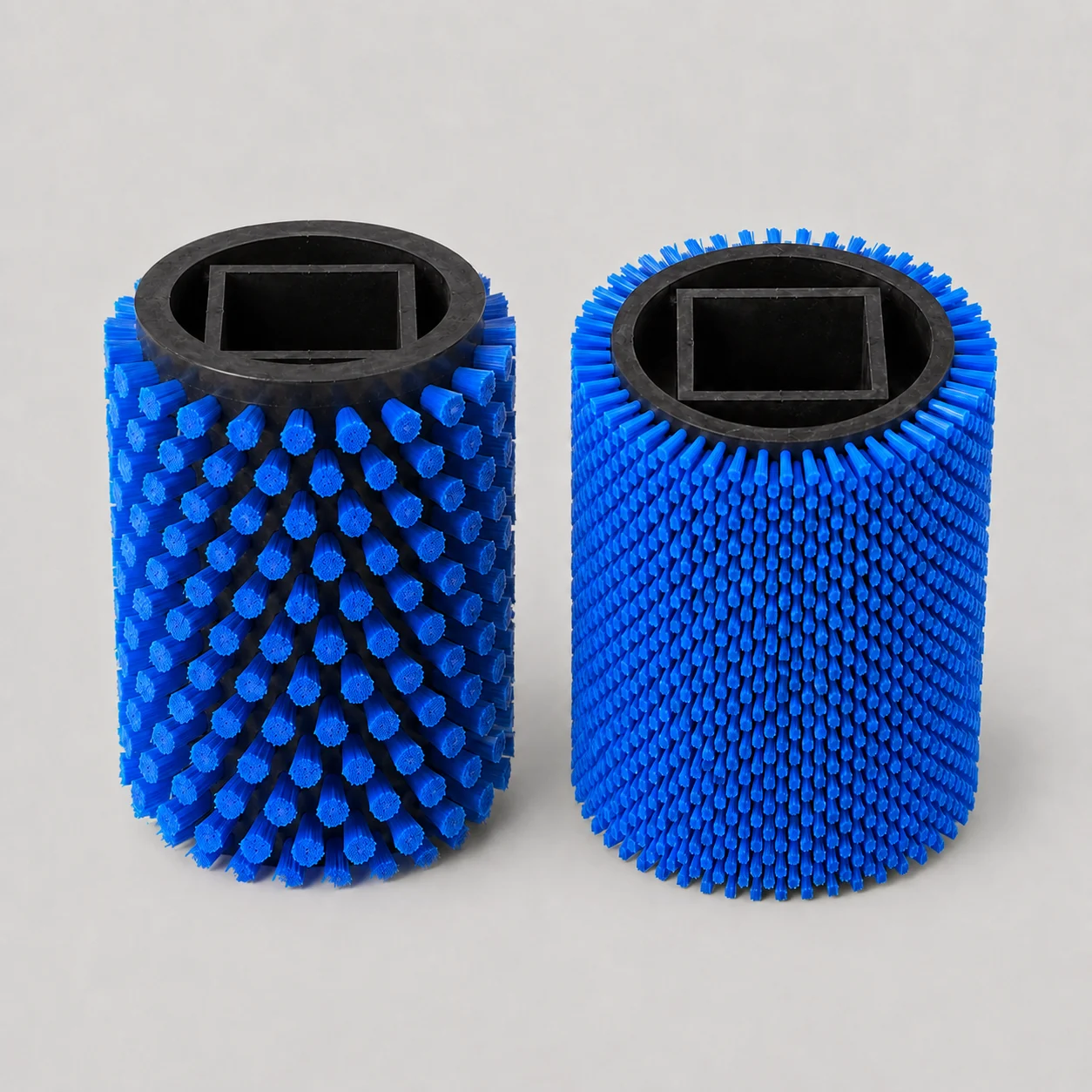
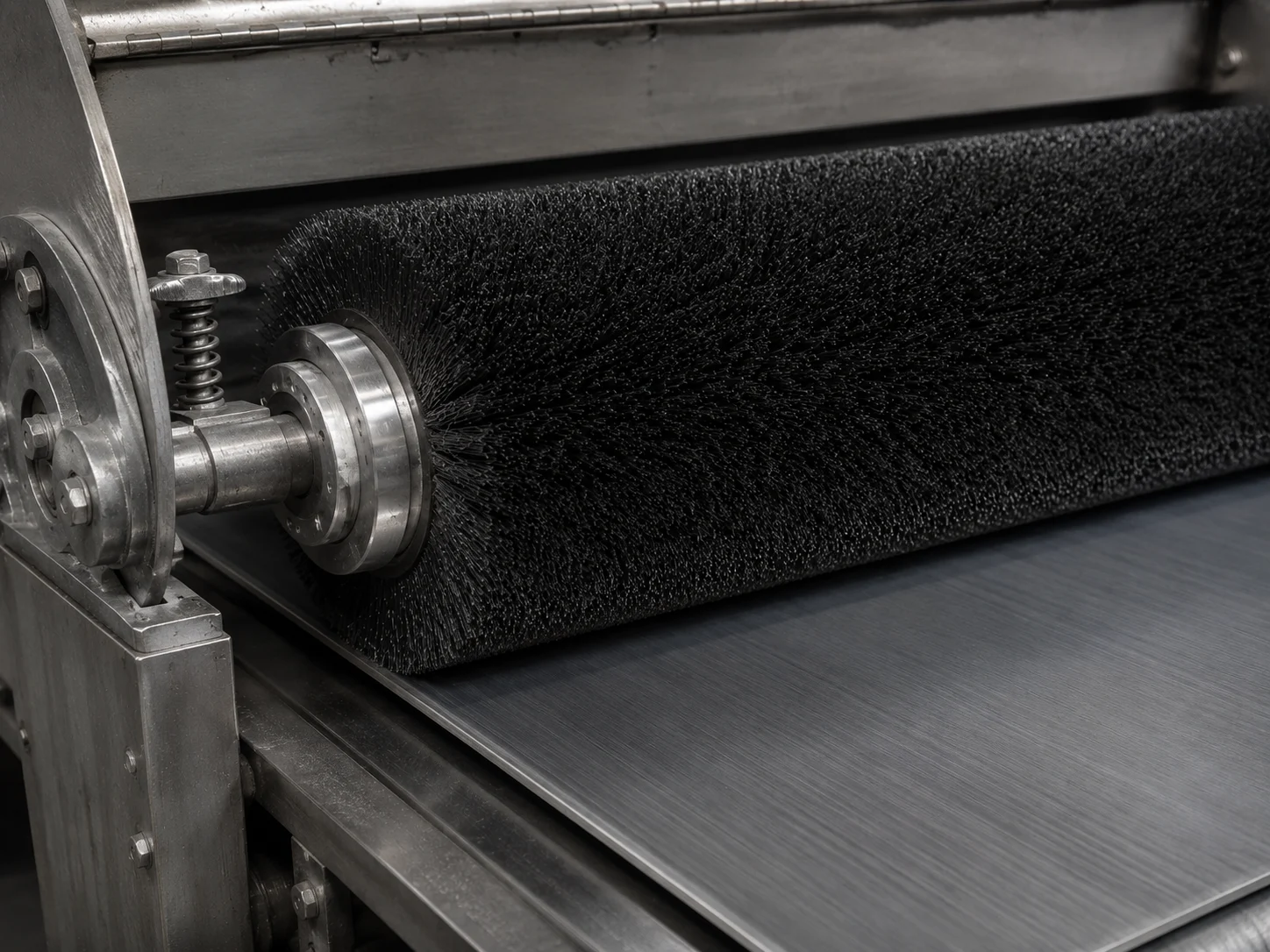
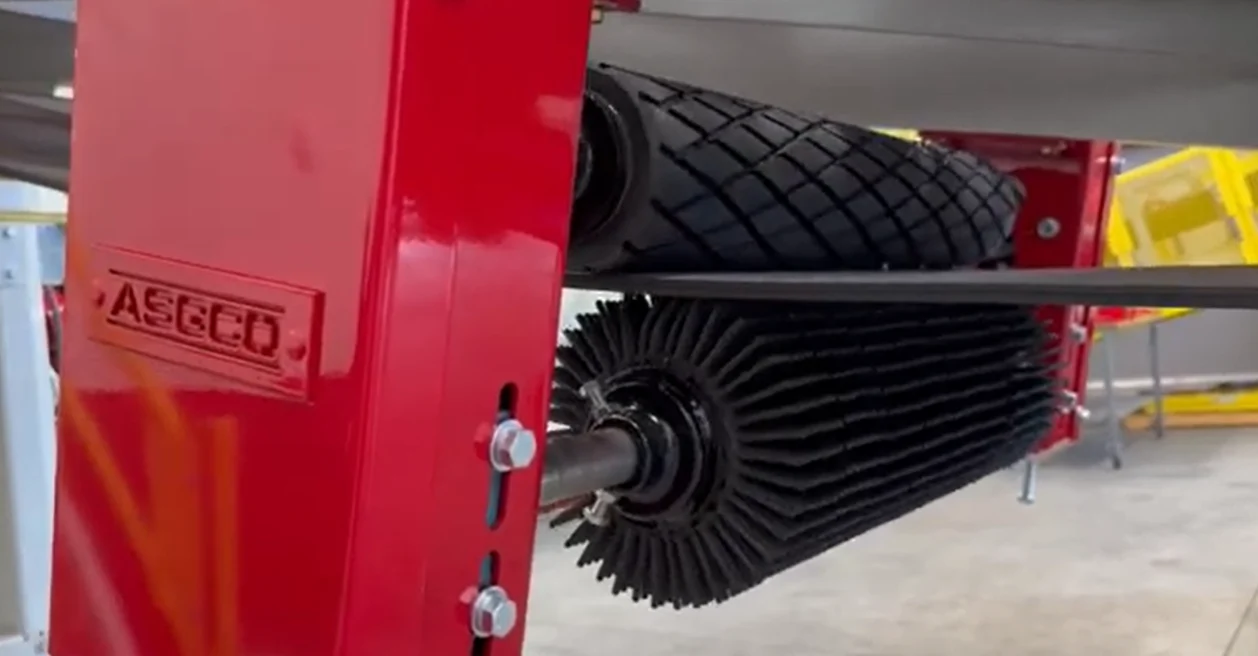
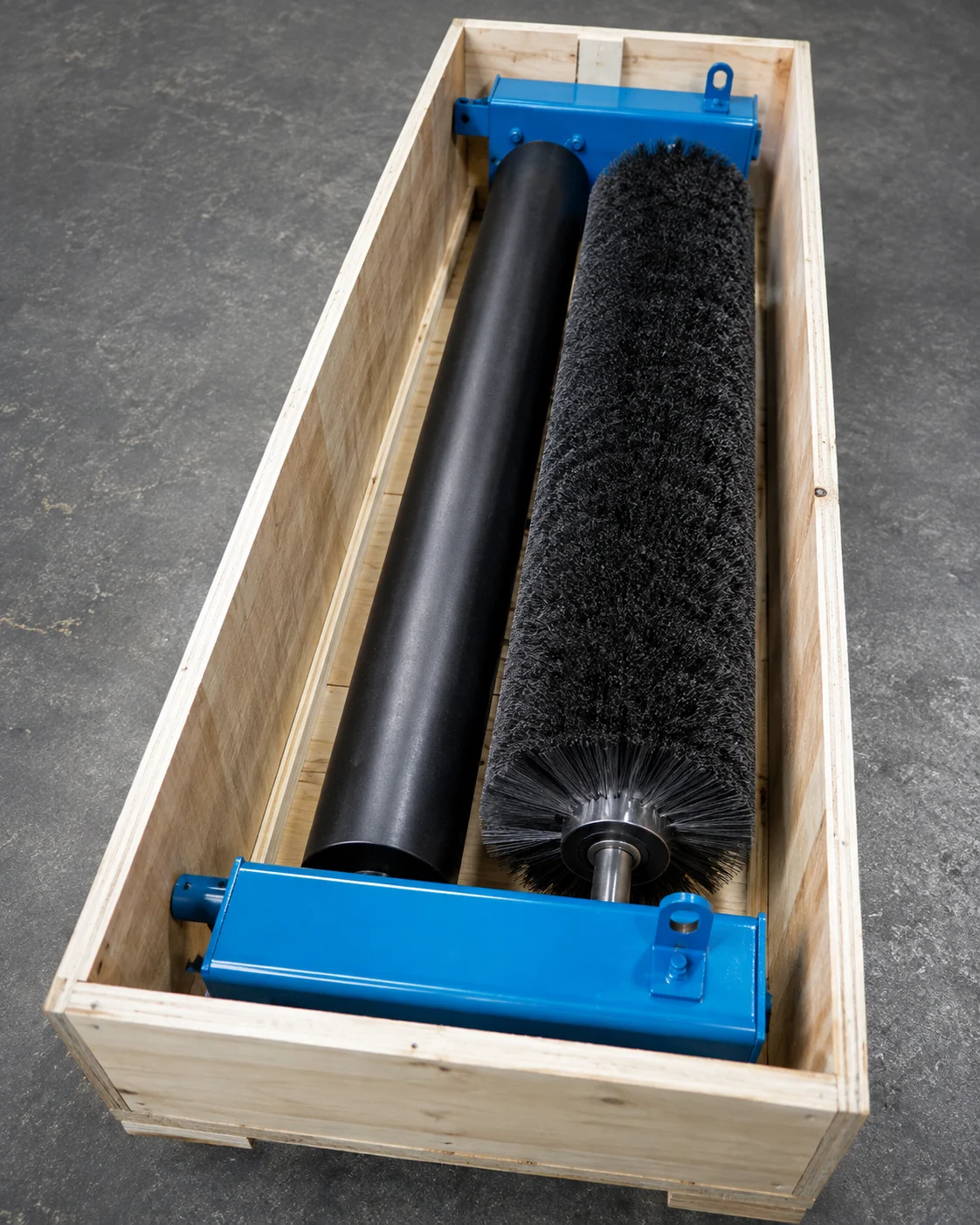
A tufted cylinder brush secures individual filament or wire bundles in drilled holes, allowing flexible row patterns and coverage. A spiral-wound brush winds a continuous metal-channel strip around a tube or core in an open- or close-wound pattern. A modular brush uses replaceable segments or discs for easier maintenance. Choose the construction by the required contact pattern, density, debris release, machine interface, RPM, and replacement method.
Can worn brush sections be replaced without replacing the shaft?
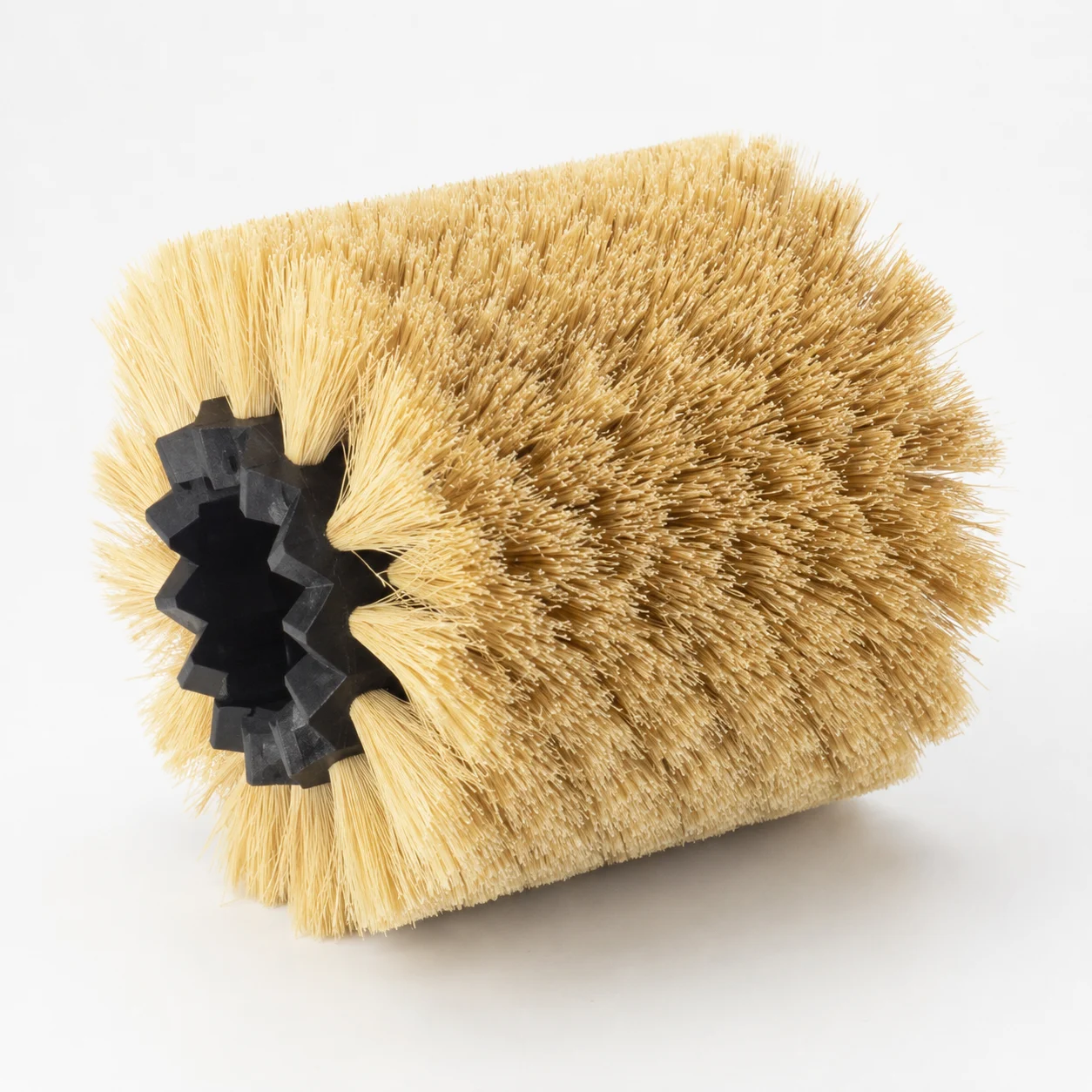
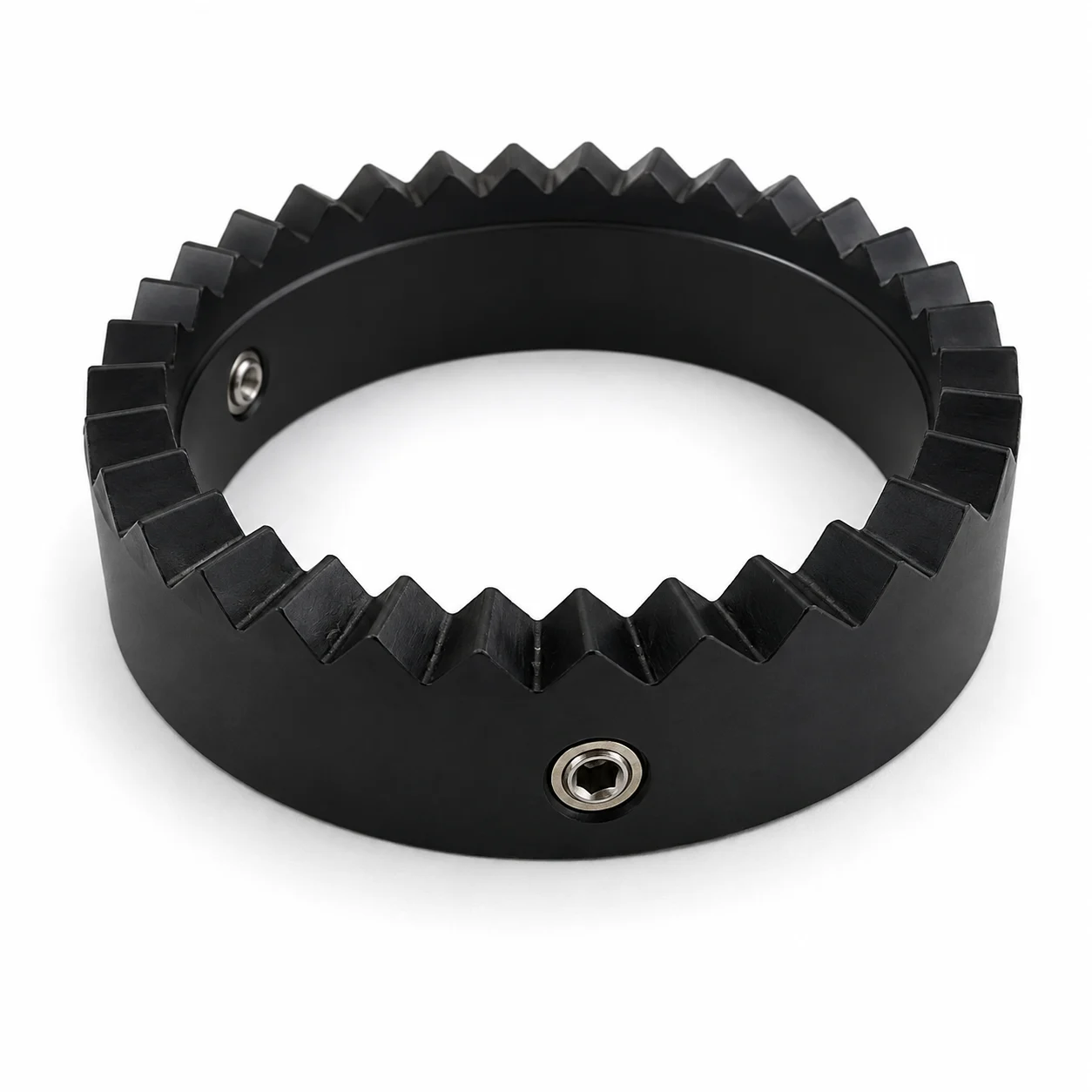
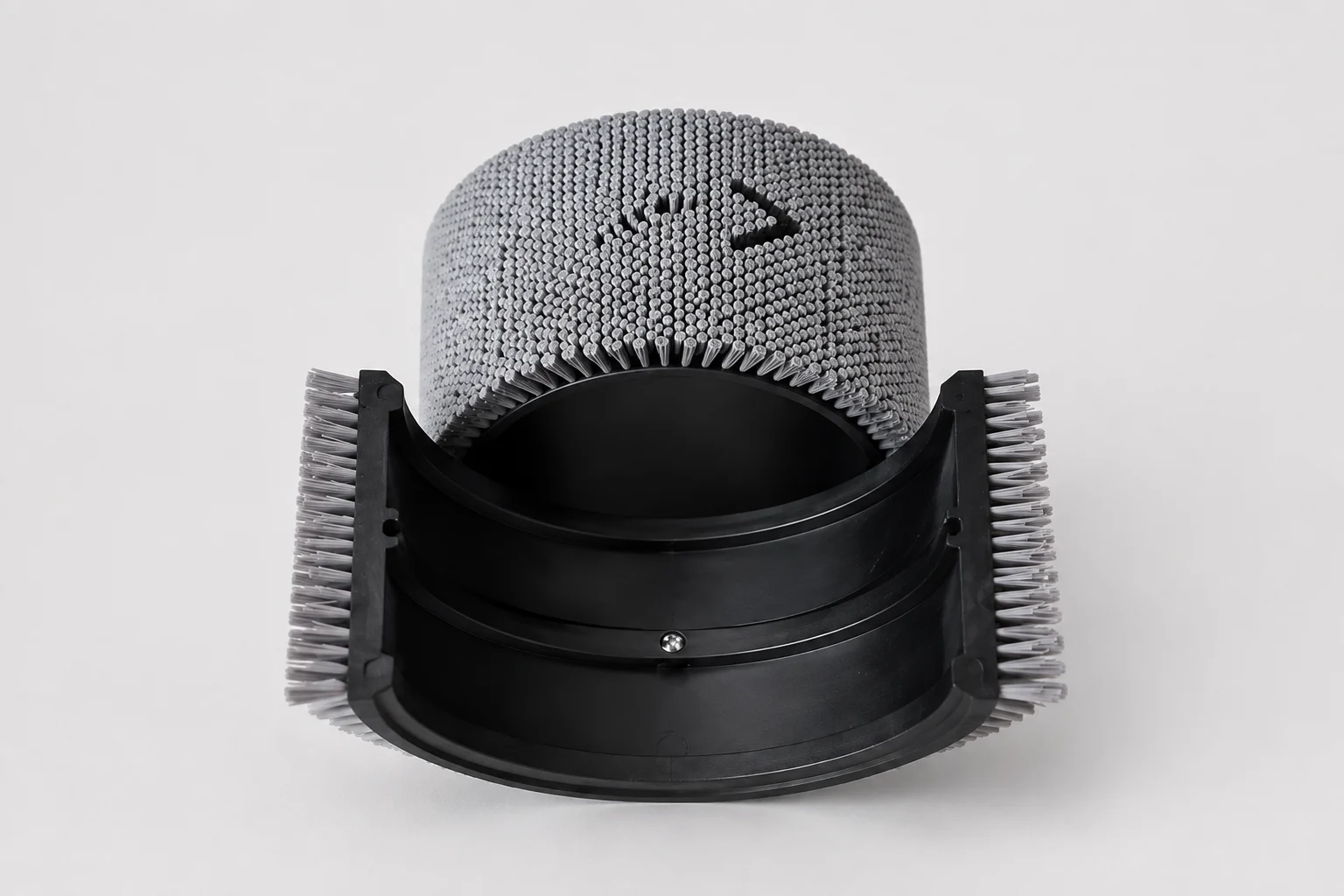
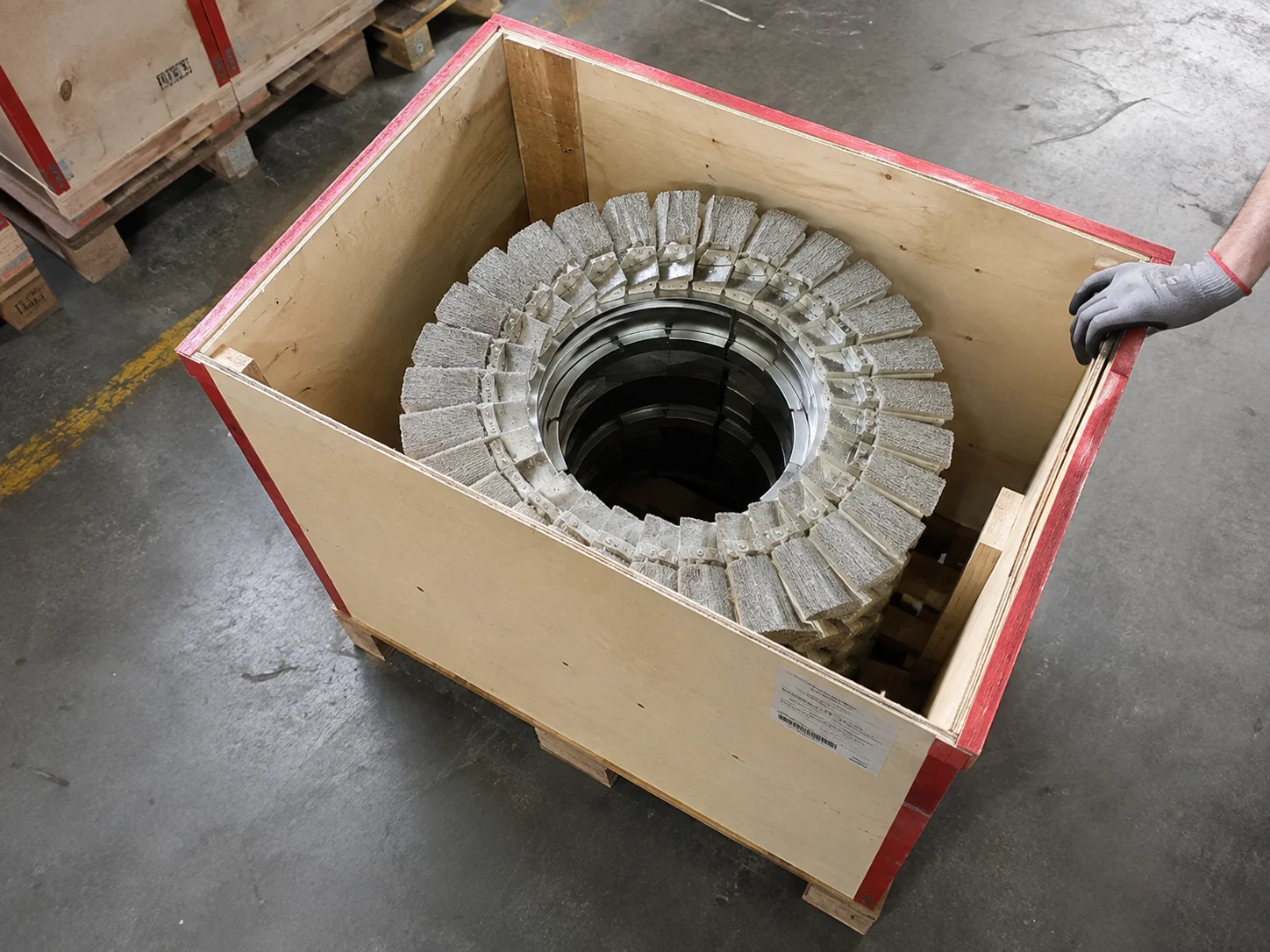
Yes. Modular constructions such as zig-zag, quick-snap, and square-core brushes can allow worn sections to be replaced while retaining the shaft. Split-core designs can also be installed around an existing shaft. The shaft dimensions and segment interface must match the approved design.
What information is needed to reproduce an existing cylinder brush?
Provide a drawing or measured sample with the finished OD, face length, overall length, body or core diameter, shaft or bore details, journals, keyways, threads, fill material, trim, row pattern, RPM, rotation direction, and operating environment. A marked photo can support the review, but an unmarked photo is not enough to confirm production dimensions.
How is the fill material selected for a cylinder brush?
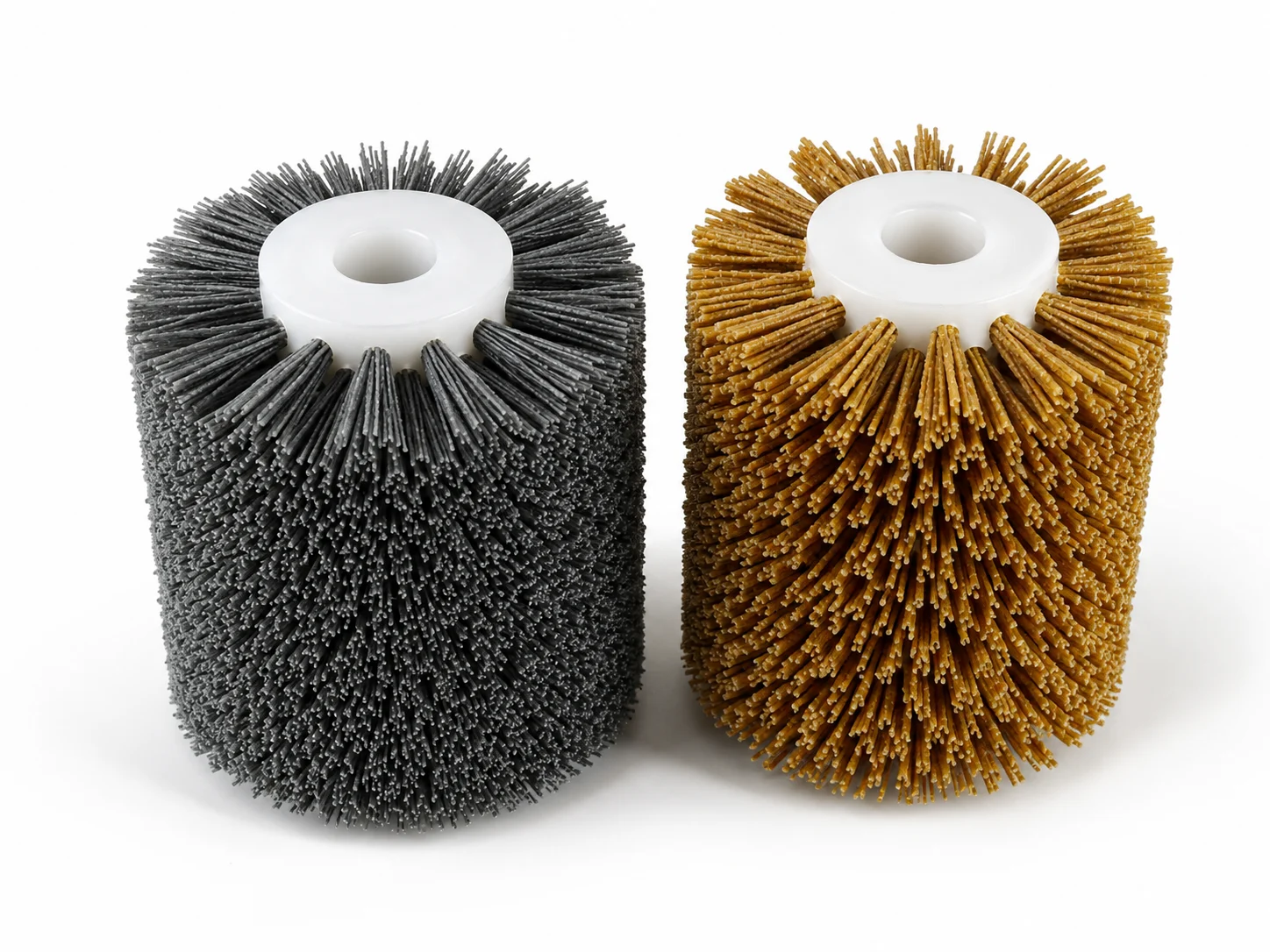
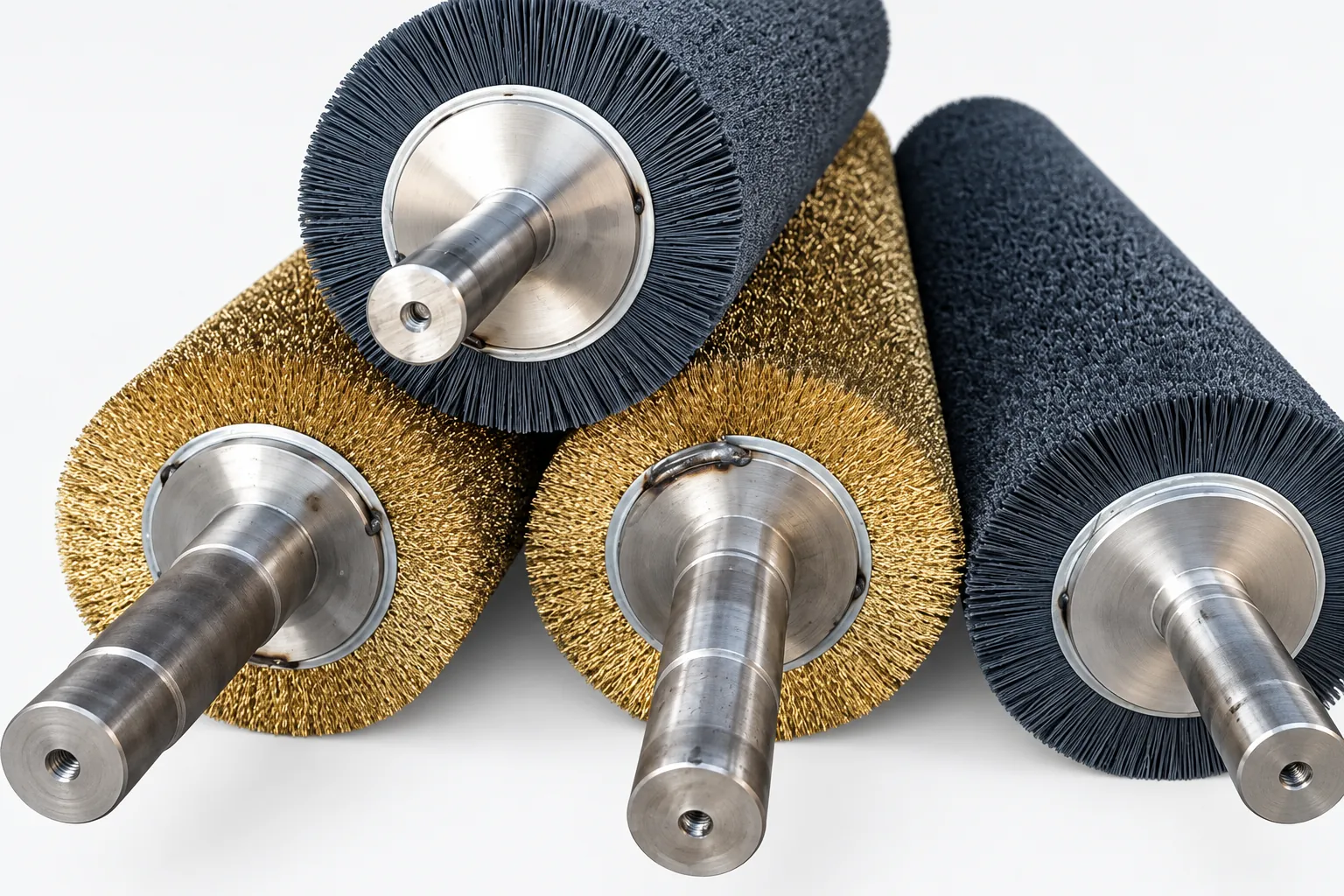
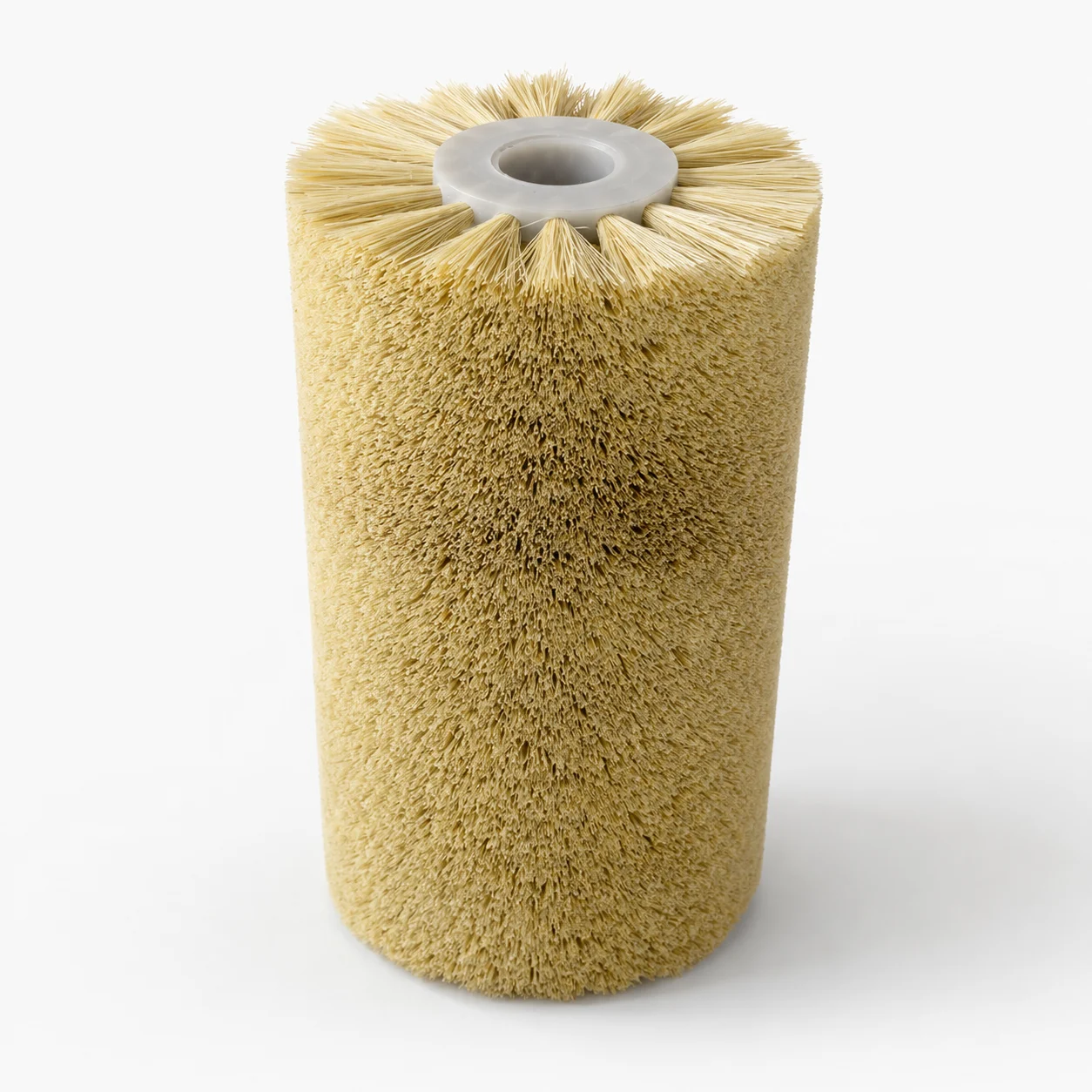
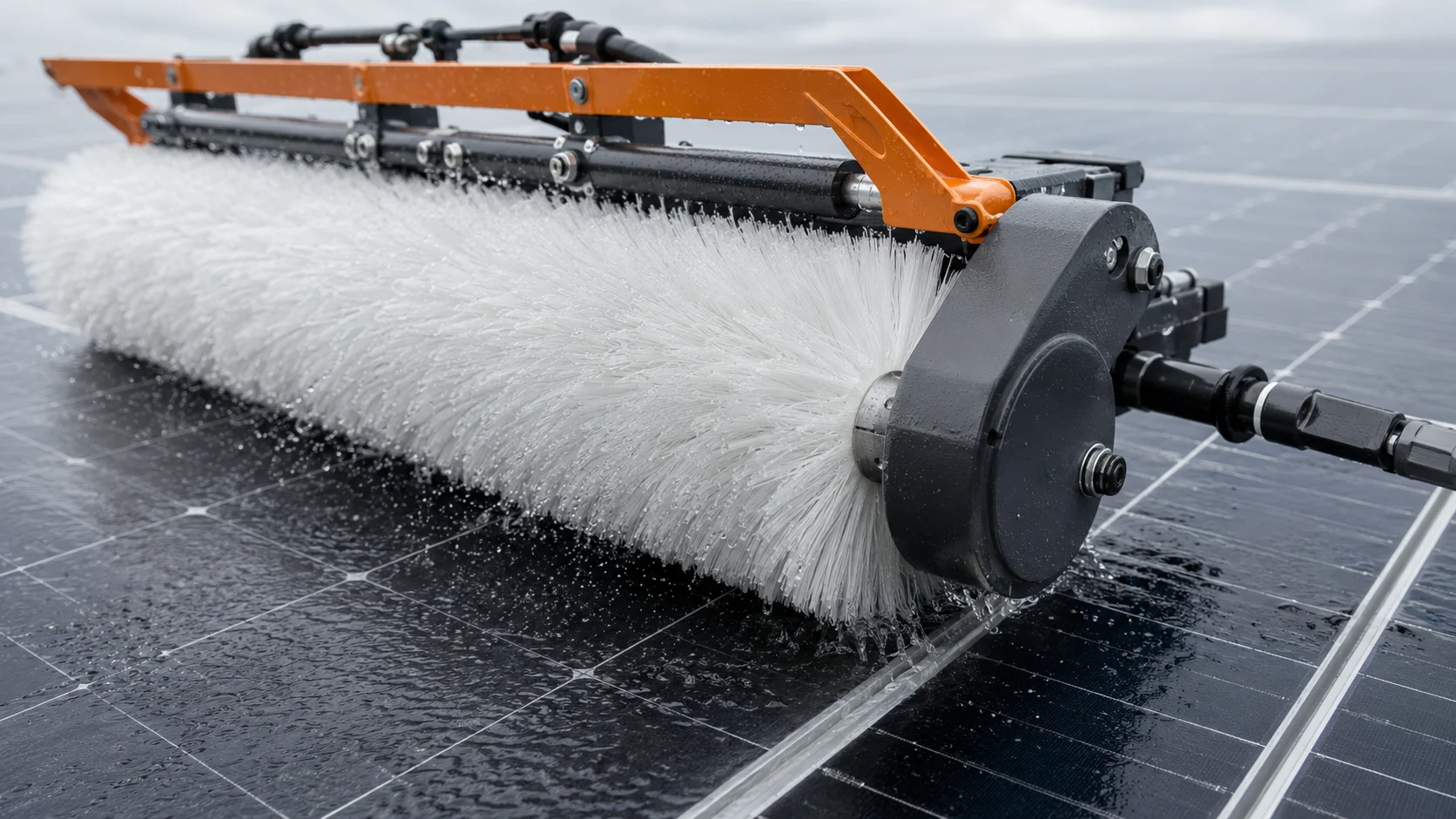
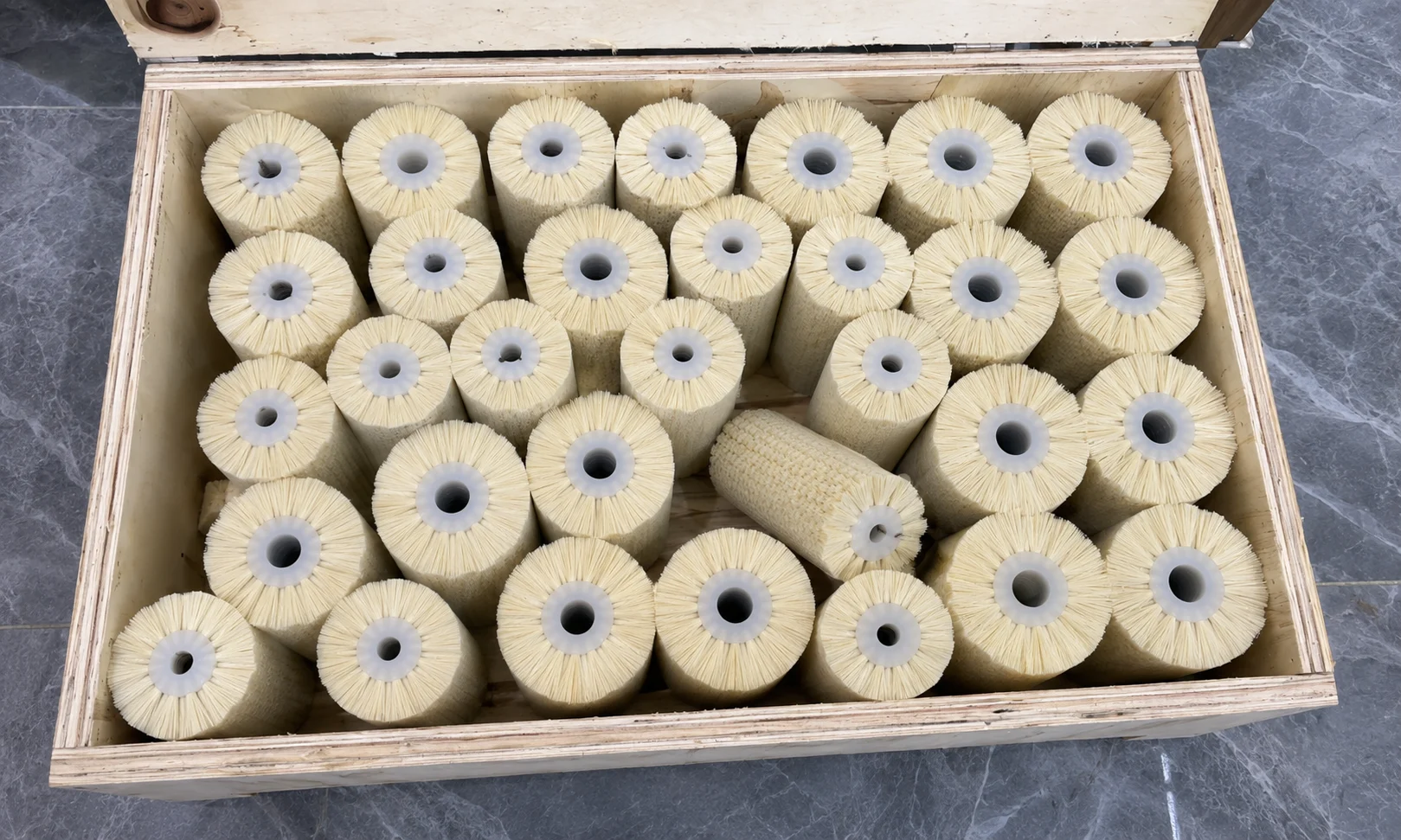
Nylon and polypropylene are commonly selected for washing, wiping, conveying, and general product contact; abrasive nylon for deburring, oxide removal, and controlled surface conditioning; metal wire for stronger cleaning, rust or scale removal, and texturing; and natural fills for polishing, waxing, liquid retention, or softer contact. Final selection depends on the workpiece, required result, moisture, chemicals, temperature, speed, contact pressure, and contamination limits.
Can cylinder brushes be made for food and produce handling?
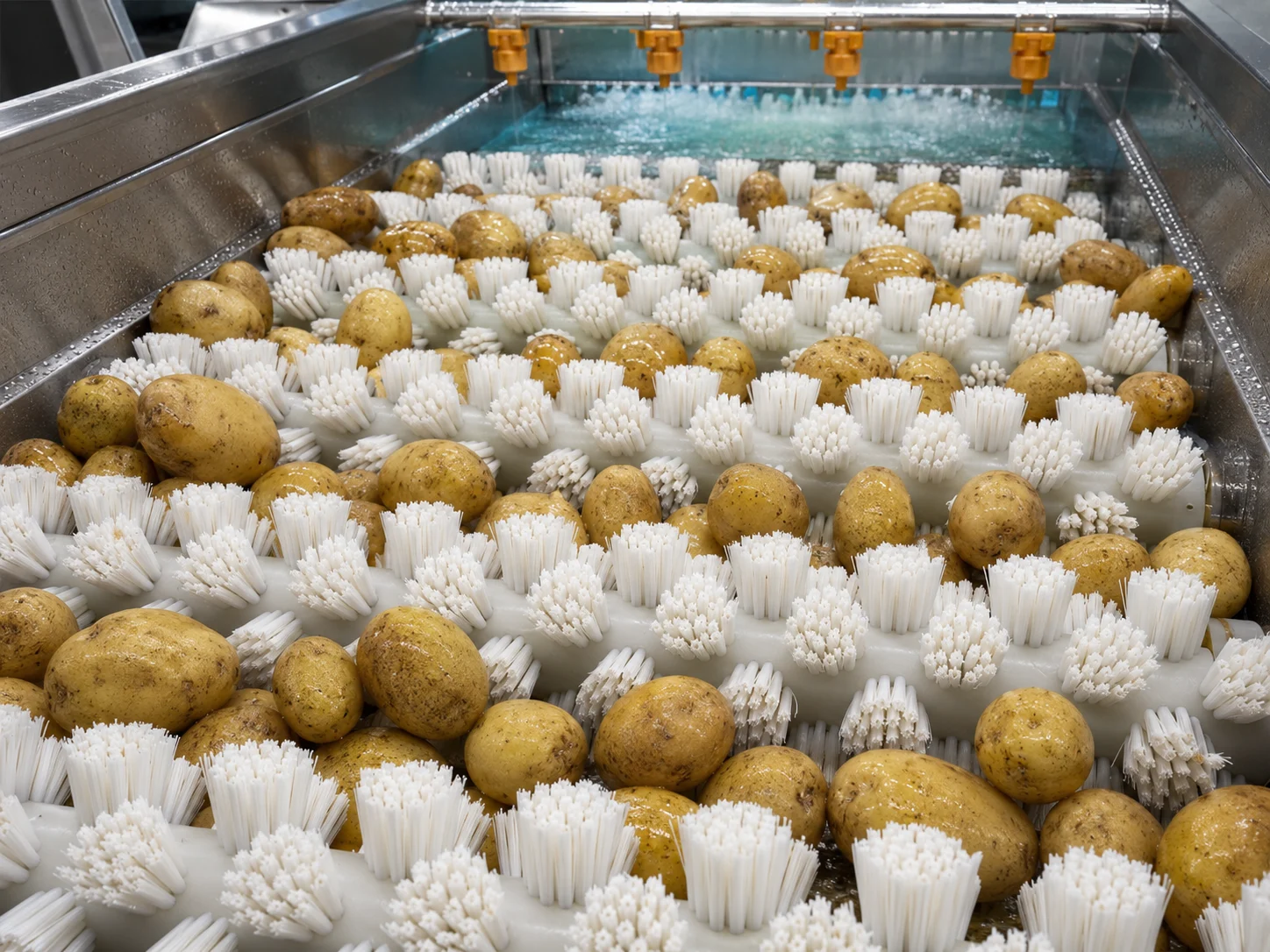
Yes, but the correct fill, core, retention method, cleanability, washdown conditions, and required material documents must be confirmed for the actual product-contact risk and customer standard. “Food grade” should refer to the approved material and intended contact position, not the complete brush by default.
How should metal wire be selected for a cylinder brush?
Select the wire by the workpiece, corrosion environment, required cleaning strength, acceptable surface effect, and contamination limit. We can provide carbon steel, galvanized steel, 304 stainless steel, and copper-coated steel wire in confirmed constructions. State the wire diameter, straight or crimped form, density, wet or dry conditions, and maximum RPM. Carbon steel wire should not be the default for stainless steel or contamination-sensitive surfaces.